Quick answer
Learn Revoke first if you want a self-working, instantly resetting trick you can perform anywhere. Learn NO! first if you're ready to practice a move and want a stronger, more surprising reveal. Both are beginner-friendly, but Revoke gets you performing faster while NO! builds a skill you'll reuse.
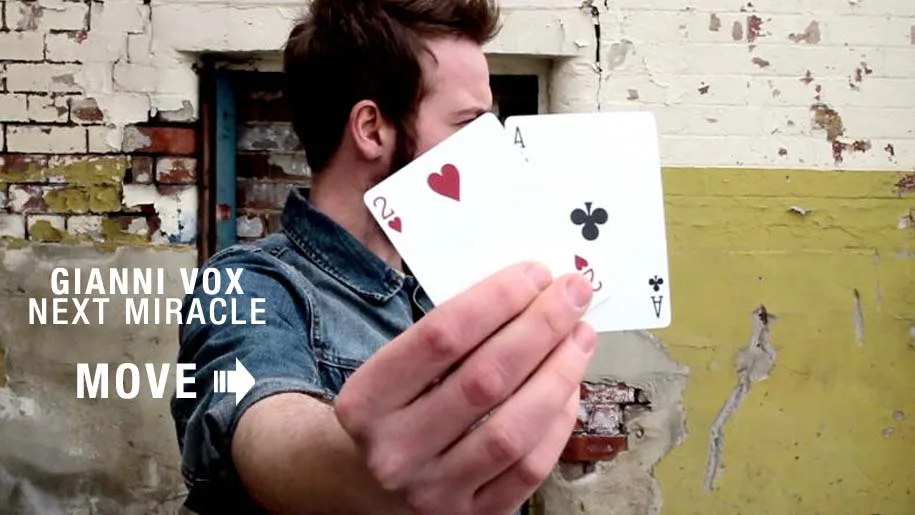
move
What each trick actually asks of you
Revoke is built around a self-working principle, so your first performance can happen the day you download it. There is no sleight to drill; the method does the work while you focus on presentation. NO! uses a move that takes practice, but that practice pays off because the same move can appear in other effects later. If you have ten minutes a day, NO! is a reasonable first project. If you want to perform for friends tonight, Revoke is the safer pick.
Reset, angles, and real-world performance
Revoke resets almost instantly, which makes it ideal for walkaround or repeating for different groups. NO! needs a moment to reset, so it suits a set where you move on after the reveal. Both play well to a small group, but check the angles before you perform: Revoke is forgiving from most positions, while NO! rewards you for controlling where your audience sits. Neither trick requires a table, so both work standing up.
How to choose in one minute
Ask yourself what you want from your first trick. If the answer is 'a reliable opener I can do without thinking,' choose Revoke. If the answer is 'a skill I can build on,' choose NO!. You can also learn both: start with Revoke for immediate performances, then add NO! as your first move-based effect. That order keeps you performing while you practice.
Trade-offs at a glance
- Practice time: Revoke is self-working; NO! requires drilling a move before it looks natural. Pick Revoke for same-day performance, NO! for skill-building.
- Reset speed: Revoke resets almost instantly; NO! needs a pause between performances. Walkaround performers should lean Revoke.
- Audience impact: NO! delivers a stronger surprise because the method is invisible when performed well. Choose NO! if you want a bigger reaction and will put in the reps.
Products mentioned
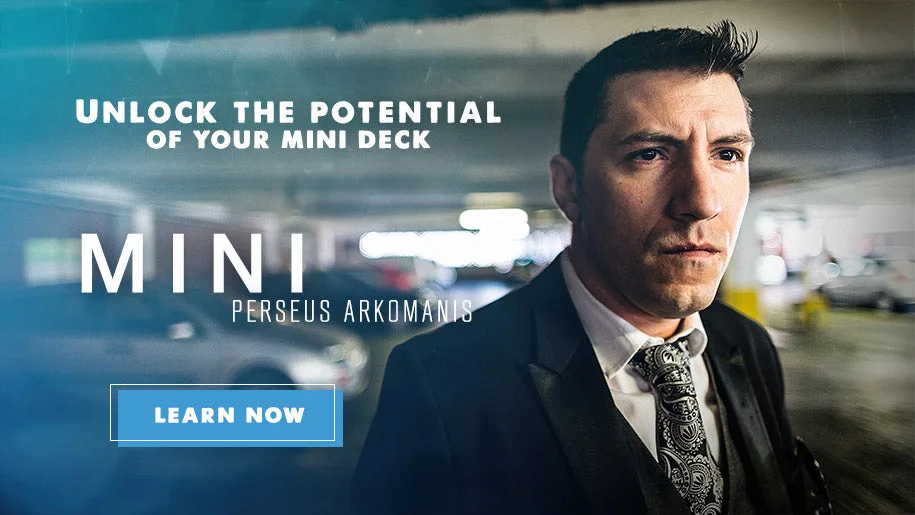
- Mini: Mini is a collection of 6 routines built around mini decks, created by Perseus Arkomanis. If you already own mini decks, this download gives you six ready-made routines to use them, rather than a single trick.
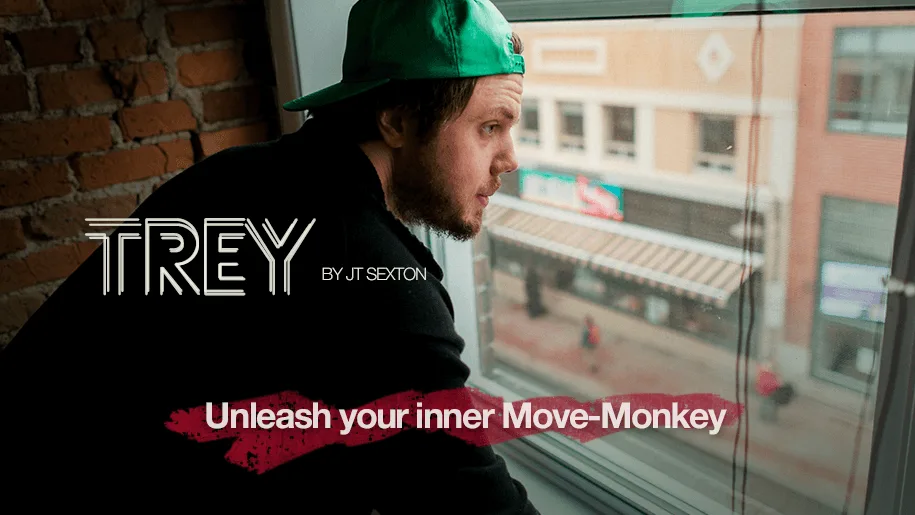
- TREY: TREY teaches three card effects from JT Sexton, including a tabled spread control and a Zarrow variant. A good next step after your first trick if you want to add a control and a false shuffle to your repertoire.
Which should you learn first?
Best for
- Complete beginners who want to perform within a day
- Walkaround performers who need instant reset
- Anyone who prefers self-working methods
Not for
- Magicians who want to build a foundational move
- Performers who want the strongest possible reveal
- Anyone willing to practice for a week before showing anyone