Quick Answer
Cooperative board games have grown from a niche into a mainstream favorite because they turn play into a shared adventure. Players increasingly value teamwork over competition, and modern design innovations make co-ops more engaging than ever. Whether you're new to co-ops or a veteran, there's a game that fits your group.
Cooperative board games are everywhere these days, from family tables to game cafés. But it wasn't always this way. For decades, most board games pitted players against each other. The rise of co-ops marks a shift in how we play—and why.
This trend isn't just about popularity; it's about a fundamental change in game design and player expectations. Let's explore what's driving the surge and how you can find the right co-op for your group.
Why Are Cooperative Board Games So Popular?
The appeal of cooperative games lies in shared victory. Instead of one winner, everyone wins or loses together. This fosters communication, collaboration, and a sense of camaraderie that competitive games often lack. Players report feeling more connected to each other, making co-ops a hit for families and friend groups.
Modern life is stressful, and many players seek relaxation and social bonding rather than cutthroat competition. Co-ops offer a safe space to problem-solve and celebrate together. The rise of 'legacy' and campaign games has also kept groups coming back week after week.
- Look for games with adjustable difficulty to suit your group's experience.
Key Design Trends in Cooperative Games
One major trend is the 'co-opetition' hybrid, where players cooperate but also track individual scores. Games like Invincible: The Dice Game let you battle villains together while earning personal reputation—perfect for groups that enjoy a little rivalry without full conflict.

Invincible: The Dice Game
Another trend is the use of dice and push-your-luck mechanics to create tension and shared decision-making. King of Tokyo: Duel simplifies the classic formula into a head-to-head duel, but still encourages players to weigh risk together. These innovations keep co-ops fresh and accessible.
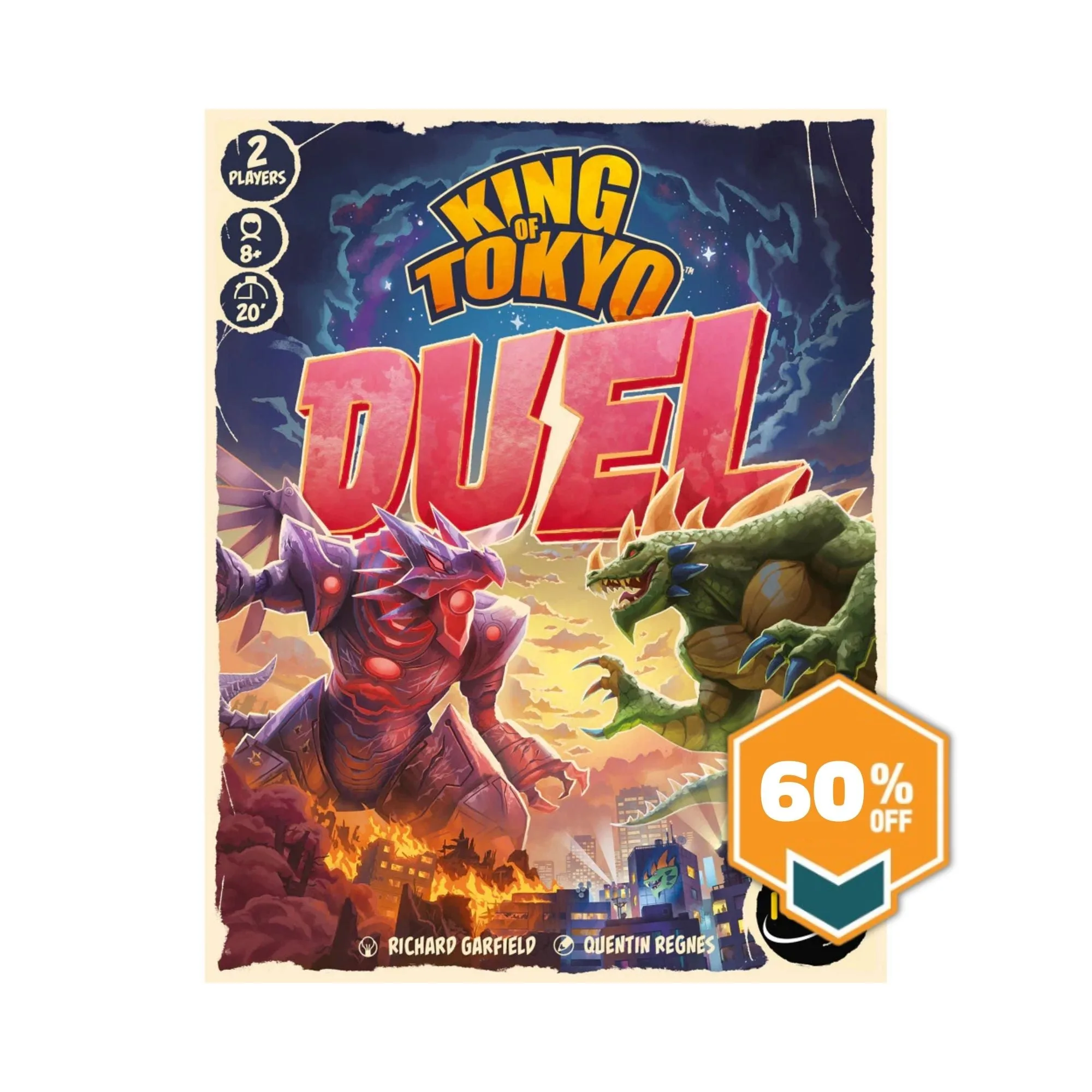
King of Tokyo: Duel
- Consider games with variable player powers to add replayability.
The Community Factor: How Co-ops Build Connections
Cooperative games have spawned vibrant communities, both online and offline. Players share strategies, create fan content, and organize game nights centered around teamwork. The shared experience of overcoming a tough challenge creates lasting memories and strengthens bonds.
Game stores and conventions have embraced co-ops, offering demo tables and tournaments. This community aspect is a key driver of the trend, as players recommend co-ops to friends and introduce new players to the genre.
- Join local game groups or online forums to discover new co-op favorites.
How to Choose a Cooperative Game for Your Group
Start by considering group size and play time. For quick sessions, games like Invincible: The Dice Game (10 minutes) are ideal. For a deeper experience, Tiwanaku offers a 60-90 minute strategic challenge. Match the game's complexity to your group's comfort level.
Think about theme and mechanics. Do you prefer mystery, fantasy, or sci-fi? Games like Alibi: 3 Intricate Mysteries deliver a narrative-driven experience, while Pyramido: Forgotten Treasures focuses on spatial puzzle-solving. Read reviews and watch playthroughs to get a feel.
- Check the player count and age rating to ensure it fits your group.
Frequently Asked Questions
What defines a cooperative board game?
In a cooperative game, players work together against the game's mechanics or a shared enemy, achieving a common goal. If everyone wins, you all win; if the game wins, everyone loses. Check the rules to see if you're truly cooperating or just playing in parallel.
Are cooperative games good for beginners?
Yes, many co-ops are beginner-friendly because players can discuss strategies and help each other. Games like Invincible: The Dice Game have simple rules and short playtime, making them ideal for new players. Start with a lighter co-op to ease into the genre.
How many players do I need for a co-op?
Most co-ops support 2-4 players, but some can handle more. Check the box for player count. Some games, like King of Tokyo: Duel, are specifically designed for two players. Match the game's player count to your usual group size.
Cooperative Games Worth Trying
- Invincible: The Dice Game: Players take the role of hopefuls who undertake a live trial by battling villains and besting other heroes, earning reputation to join the Guardians. This game blends cooperation and competition, letting you work with others while also tracking individual achievements—a great middle ground for groups that enjoy both.
- King of Tokyo: Duel: Two massive silhouettes rise from the smoke, and there can only be one who will be crowned King of Tokyo, either by annihilating their Rival or by inspiring terror and awe from the crowds. A fast-paced two-player duel that introduces cooperative-like risk assessment in a competitive frame—perfect for couples or one-on-one sessions.
- Tiwanaku: Lead your Quechua people to uncharted territories in search of new lands to farm, exploring regions and developing agriculture according to the customs and legends of Pachamama. A thematic cooperative exploration game that emphasizes shared strategy and cultural storytelling, ideal for players who want a deeper, immersive experience.
The rise of cooperative board games reflects a broader desire for connection and shared storytelling. Whether you're looking for a quick dice game or a deep strategic journey, there's a co-op waiting for you. Embrace the trend and discover the joy of winning together.