Quick answer
Choose whole grain rye flour when you want a dense, sour, sturdy loaf that ferments reliably and keeps for days. Choose whole grain spelt flour when you want a softer, nuttier crumb that behaves more like modern wheat and suits pastries, pancakes, and lighter sandwich breads. If you bake sourdough often, keep both: rye for starters and structure, spelt for tenderness and flavor.
Rye and spelt are both whole grains, but they act nothing alike in the bowl. Rye is low in gluten-forming proteins and high in pentosans, which soak up water and create a sticky, dense dough. Spelt is a hulled wheat with extensible gluten that stretches easily but breaks down if you overmix or overproof.
That difference shapes everything: how much water you add, how long you ferment, and what kind of loaf or pastry you end up with. This comparison walks through the trade-offs using the whole grain rye flour and spelt options available at Kneads, so you can decide which bag to reach for first.
Hydration and dough handling
Rye flour baking demands more water than most bakers expect. Whole grain rye absorbs aggressively, and the dough stays tacky even after a long rest. You cannot knead it like wheat dough; instead, mix until just combined and let time and hydration do the work. A wet, paste-like rye dough is normal, not a mistake.
Spelt flour baking is more forgiving at first but has a narrow window. Spelt gluten stretches beautifully, then collapses if you push it too far. Mix gently, use shorter autolyse, and watch the dough rather than the clock. If you are new to spelt, start by swapping 25 to 30 percent of your wheat flour rather than going 100 percent.
- Rye: aim for 80 to 100 percent hydration in lean sourdough; the dough should feel like thick porridge.
- Spelt: start at 65 to 75 percent hydration and increase only after you see how the gluten responds.
- Both: rest the mixed dough 20 to 30 minutes before any folding to let the bran soften.
Flavor and crumb
Rye brings a distinct earthy, slightly sour flavor that deepens with fermentation. The crumb is dense and moist, closer to a slice of pumpernickel than a airy country loaf. That density is a feature: rye breads hold up to strong cheeses, smoked fish, and bold mustards without falling apart.
Spelt tastes milder and nuttier, with a softer, more open crumb when handled well. It reads as a gentler whole grain, which makes it a good bridge for people who find 100 percent whole wheat too heavy. In pastries, spelt adds a subtle sweetness that pairs well with fruit and honey.
- Rye: pair with caraway, molasses, or dark beer for a classic deli-style loaf.
- Spelt: try in scones, pancakes, and sandwich breads where you want whole grain flavor without heaviness.
- Both: toast the flour lightly in a dry pan to deepen the nutty notes before mixing.
Fermentation and sourdough performance
Rye is the more reliable fermenter for sourdough starters. Its higher enzyme activity and pentosan content feed lactic acid bacteria well, so a rye starter tends to be vigorous and sour. The trade-off is that rye doughs ferment fast and can turn gummy if you let them go too long. Watch the dough, not the recipe time.
Spelt ferments more slowly and can become fragile during a long bulk. It benefits from a cooler, slower proof and gentle handling. If you are searching for the best flour for sourdough and want a dependable daily loaf, rye is the safer bet; spelt rewards attention but punishes neglect.
- Rye: keep a separate rye starter if you bake often; it will stay active with less feeding.
- Spelt: shorten bulk fermentation and cold retard overnight to build flavor without weakening gluten.
- Both: use a clear container so you can see rise rather than guessing.
Milling, freshness, and storage
Whole grain flour goes stale faster than white flour because the bran and germ carry oils that oxidize. Rye is especially perishable. Buying freshly milled flour and storing it cold makes a noticeable difference in flavor and performance. If you bake weekly, keep a small working jar at room temperature and the rest in the freezer.
At Kneads, the Whole Grain Rye Flour Retail 6 pk is milled in store on a New American Stone Mill and packed as six 2-pound bags. That format suits frequent rye bakers who want fresh flour without committing to a single large sack. Spelt availability varies, so check the current flour selection before planning a bake.
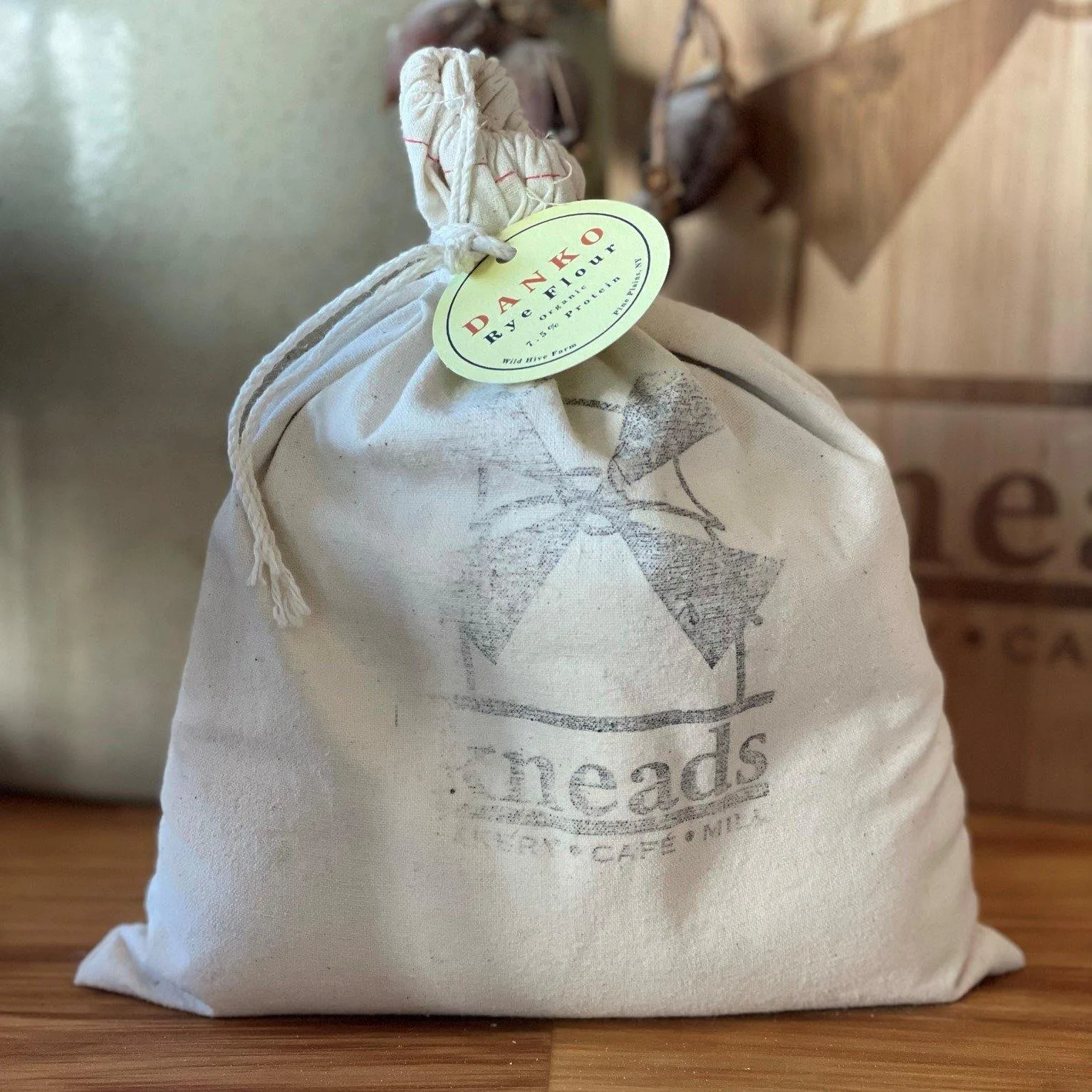
Whole Grain Rye Flour Retail 6 pk
- Freeze whole grain flour in airtight bags for up to three months; bring to room temperature before mixing.
- Label bags with the mill date so you use the oldest first.
- Smell the flour before baking: a sharp or paint-like odor means it has turned.
Trade-offs at a glance
- Hydration: Rye needs far more water and stays sticky; spelt takes less water and tightens as you mix. If you hate sticky dough, start with spelt. If you love wet, forgiving mixes, rye is easier.
- Gluten behavior: Rye has little gluten-forming protein and relies on pentosans for structure; spelt has extensible gluten that weakens if overmixed or overproofed. Rye forgives neglect; spelt punishes it. Match the flour to how closely you can watch the dough.
- Flavor and crumb: Rye is earthy, sour, and dense; spelt is nutty, mild, and softer with a more open crumb. Pick rye for sturdy savory loaves, spelt for pastries and lighter sandwich breads.
- Sourdough reliability: Rye starters ferment vigorously and sour quickly; spelt ferments more slowly and can collapse in a long bulk. For a dependable daily sourdough, keep rye on hand. Use spelt for flavor variations, not your only starter.
- Freshness and storage: Both whole grains go stale faster than white flour, and rye is the more perishable of the two. Buy fresh, freeze what you will not use within a few weeks, and label the mill date.
Flour and bakery items at Kneads
- Whole Grain Rye Flour Retail 6 pk: Freshly milled in store on a New American Stone Mill, sold as six 2 lb (908 g) bags. Fresh milling preserves the oils and flavor that make rye worth baking with, and the six-bag format lets you keep a working supply without risking a large bag going stale.
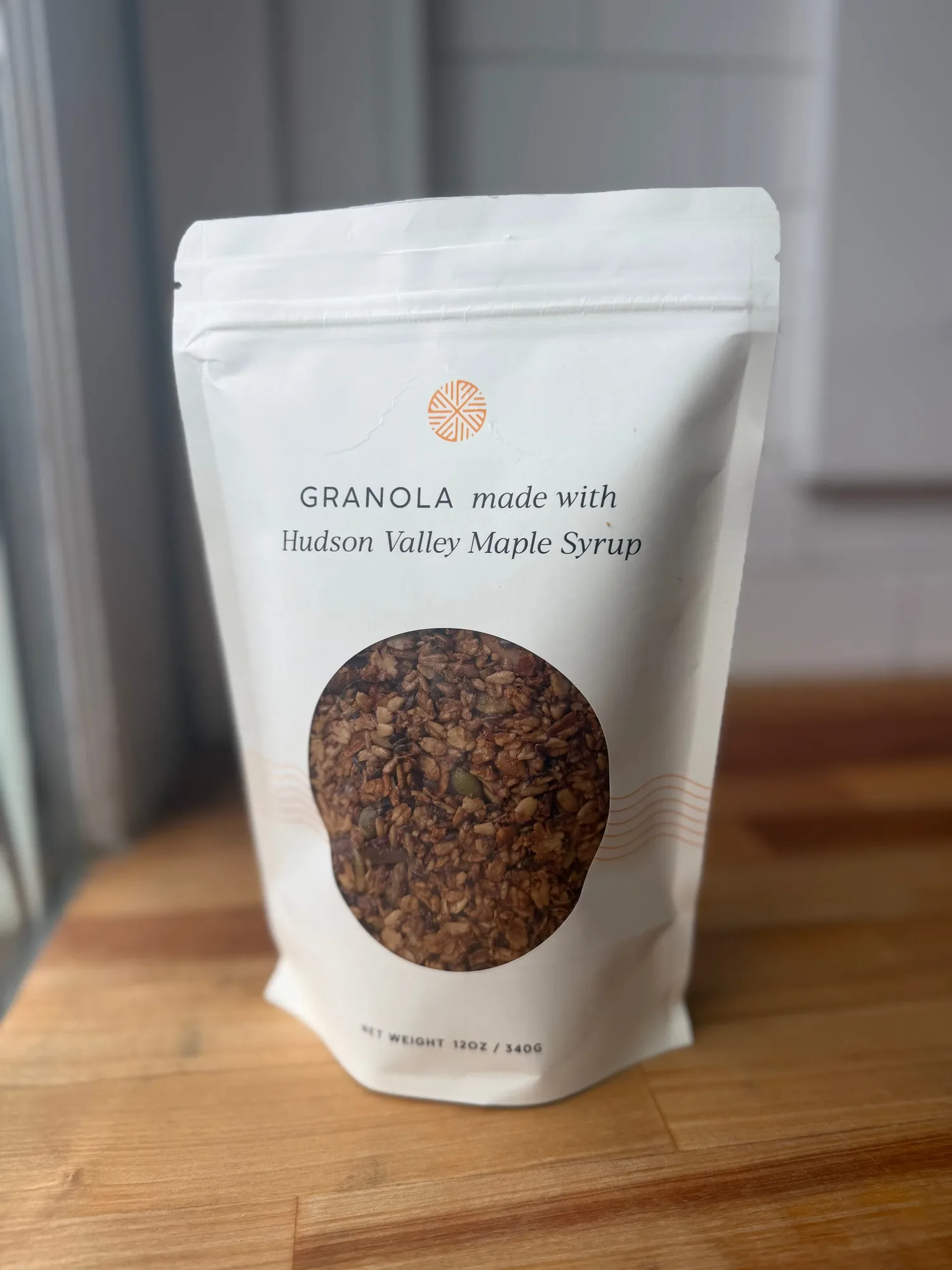
- Granola: A 12 oz bakery-style blend of rolled oats, maple syrup, walnuts, almonds, cranberries, pumpkin seeds, flax seeds, and sunflower seeds. A useful topping for spelt pancakes or rye porridge when you want whole grain flavor without another baking project.
- Kouign Amann: A KNEADS pastry listed among items suited to Easter and Mother's Day occasions. If you are comparing flours for a seasonal brunch, this is a ready-made pastry option that pairs well with a rye or spelt bake on the same table.
Which should you choose?
Best for
- Bakers who want a dense, sour, sliceable loaf that keeps for days
- Anyone maintaining a vigorous sourdough starter
- Savory pairings like smoked fish, strong cheese, and mustard
Not for
- Bakers who want a light, open crumb in a 100 percent whole grain loaf
- Anyone unwilling to work with sticky, high-hydration dough
- Pastries and delicate cakes where a mild flavor is the goal
Rye and spelt are not rivals so much as different tools. Start with the Whole Grain Rye Flour Retail 6 pk if you want a reliable sourdough and a bold, sturdy loaf. Reach for spelt when you want whole grain flavor in a softer, more delicate bake. Many bakers end up keeping both, using rye for structure and spelt for tenderness.