Quick answer
A seasonal wardrobe transition works when you change the layer closest to your body first, not the outermost one. Keep one light silk piece, one mid-weight knit and one robe in rotation, and swap them as the temperature shifts. If a piece only works in one narrow temperature range, it is not a transition piece — it is a single-season piece, and no amount of restyling will fix that.
Most wardrobes do not fail because they lack clothes. They fail because the pieces only work in one narrow band of weather. You buy a heavy knit for winter and a sheer dress for summer, and then spend two months of the year with nothing that fits the in-between.
The fix is not buying more. It is diagnosing which layer is causing the problem, correcting that layer, and knowing when to stop trying to force a piece into a season it was never made for. This guide walks through the symptoms, the likely causes and the corrective action for each.
Start with the layer closest to your body
When the weather changes, most people reach for the outermost layer first — a coat, a cardigan, a robe. That is usually the wrong move. The layer touching your skin controls how the rest of the outfit feels. A silk bra or a silk skirt sits close to the body and regulates temperature far better than a heavy outer layer added on top of a synthetic base.
If you are layering cardigans for weather changes and still feel either overheated or cold, the problem is almost always underneath. Swap the base layer before you add or remove anything else. A breathable silk piece against the skin gives you a wider comfortable temperature range from the same outfit.
- Change the base layer before you change the outer layer.
- Silk next to the skin handles temperature swings better than most synthetics.
- If you are still uncomfortable after swapping the base, the outer layer is the problem.
Why your layers stop working in the shoulder seasons
Spring and autumn are the hardest seasons to dress for because the temperature moves during the day. A piece that works at 8am may be wrong by 2pm. The usual cause is a layer that traps too much heat with no way to release it — a tight knit, a lined jacket, a heavy robe worn over a warm base.
The corrective action is to build the outfit around one piece you can remove without undressing. A cardigan or a robe over a dress does this well. If removing the outer layer leaves you in something you would not wear on its own, you have built a single-use outfit, not a transition outfit.
- Every transition outfit should still work with the outer layer removed.
- Choose outer layers that open fully rather than pull over the head.
- Test the outfit at the warmest part of the day, not the coolest.
Robe layering tips for changing weather
A robe is the most underused transition piece in most wardrobes because people treat it as loungewear only. Worn open over a dress or a skirt and top, a robe adds warmth without adding bulk, and it comes off in one movement. That makes it ideal for the hours when the temperature is still moving.
The key is weight. A heavy robe over a light dress will feel wrong by mid-morning. A lighter robe over a warmer base gives you more control. If your robe only works indoors, it is a loungewear piece — wear it there and stop trying to make it an outdoor layer.
- Wear the robe open so you can close it when the temperature drops.
- Match robe weight to base layer weight, not to the season label.
- If it only works indoors, keep it indoors.
Build around pieces that cross seasons
The most useful transitional wardrobe pieces are the ones that do not announce a season. A bias-cut silk skirt, a fitted bra in a neutral colour and a simple cardigan all read as year-round. A crochet mini dress or a heavy winter knit reads as one season only, which is fine — as long as you know that when you buy it.
When you are deciding whether to keep a piece in your transition rotation, ask one question: can I wear this in three different months with different layers? If the answer is no, move it to storage and stop trying to make it work.
- Neutral silk pieces cross seasons more easily than statement pieces.
- Keep a small number of true transition pieces rather than many single-season ones.
- Store single-season pieces instead of forcing them into the wrong months.
Diagnose your transition problem
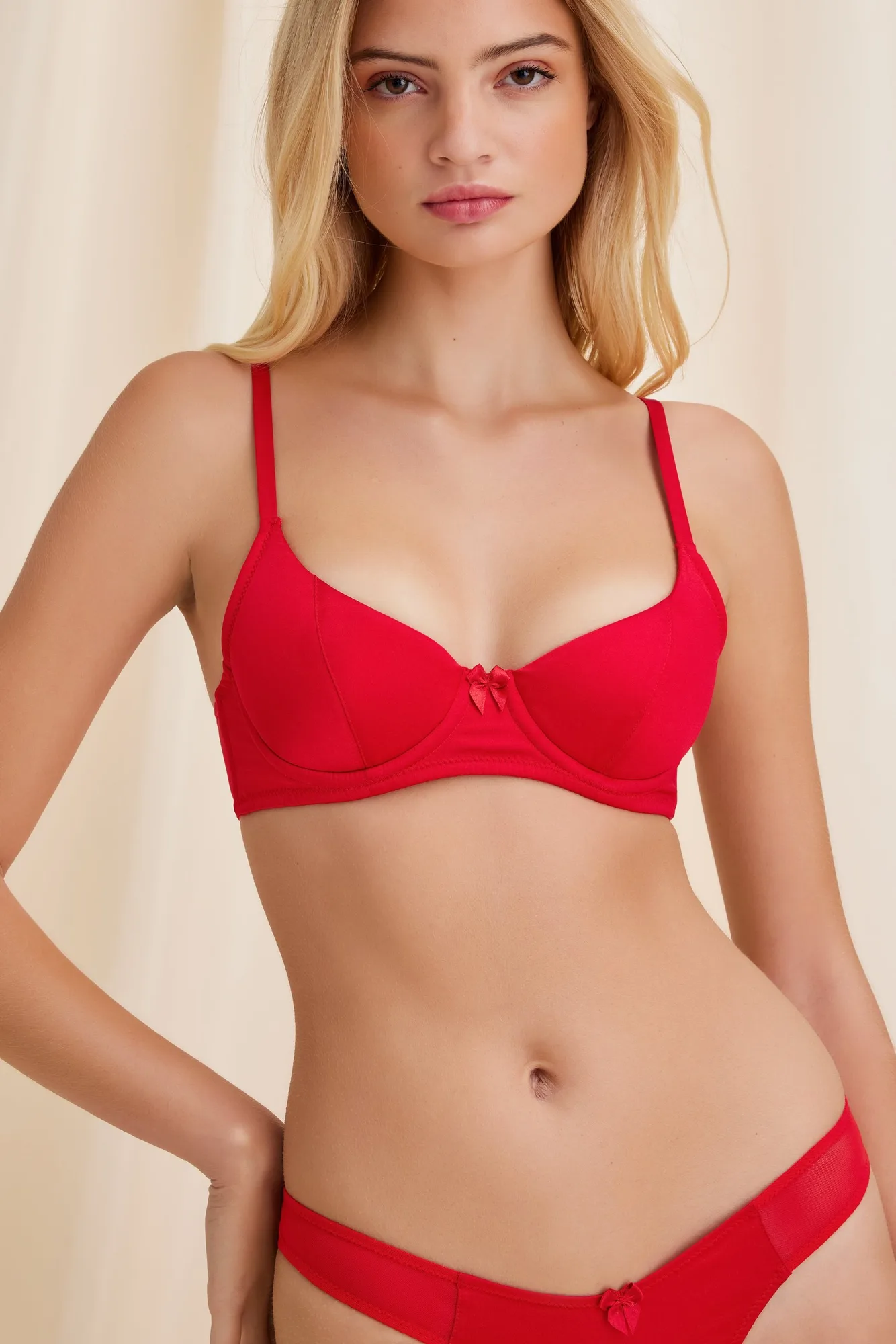
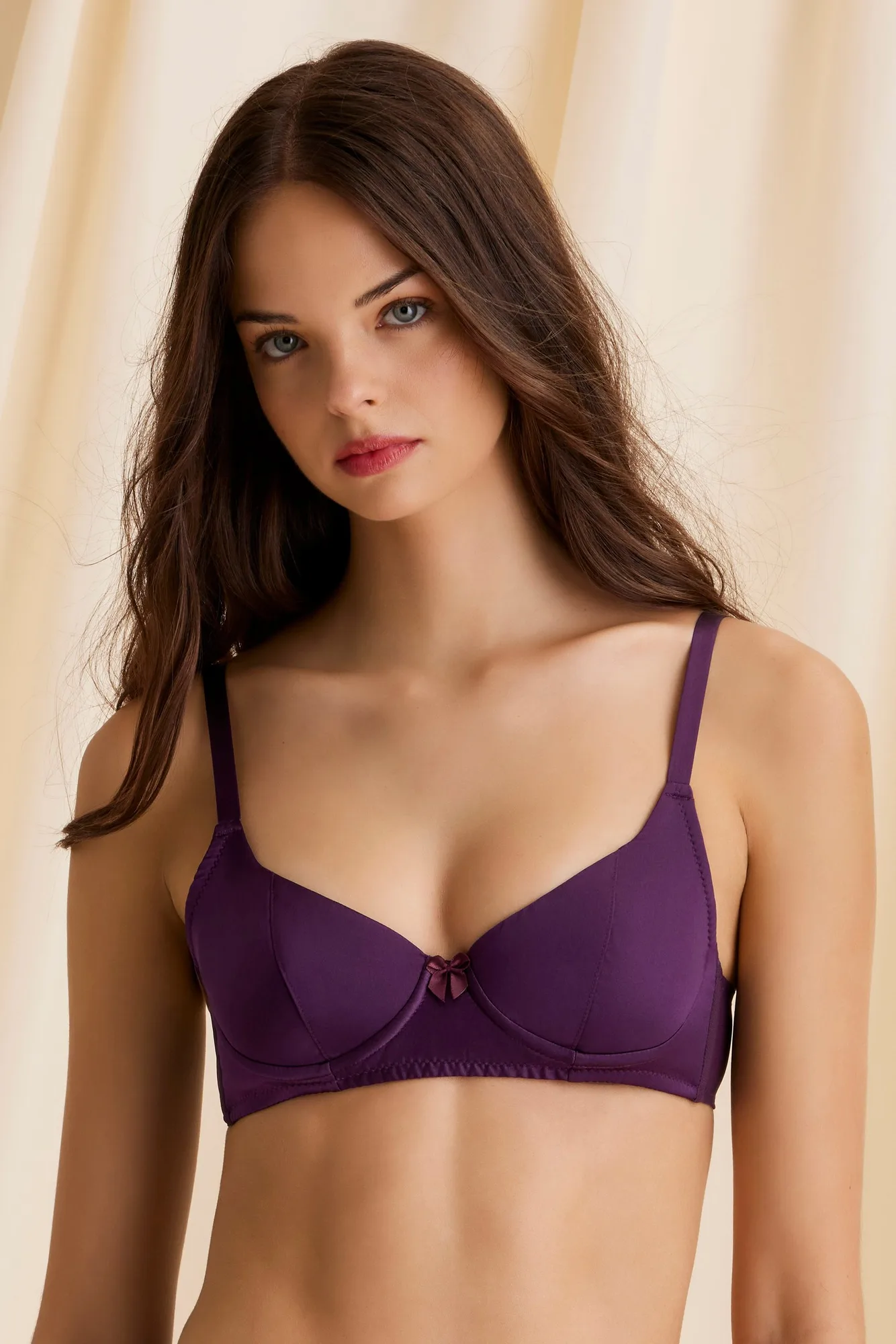
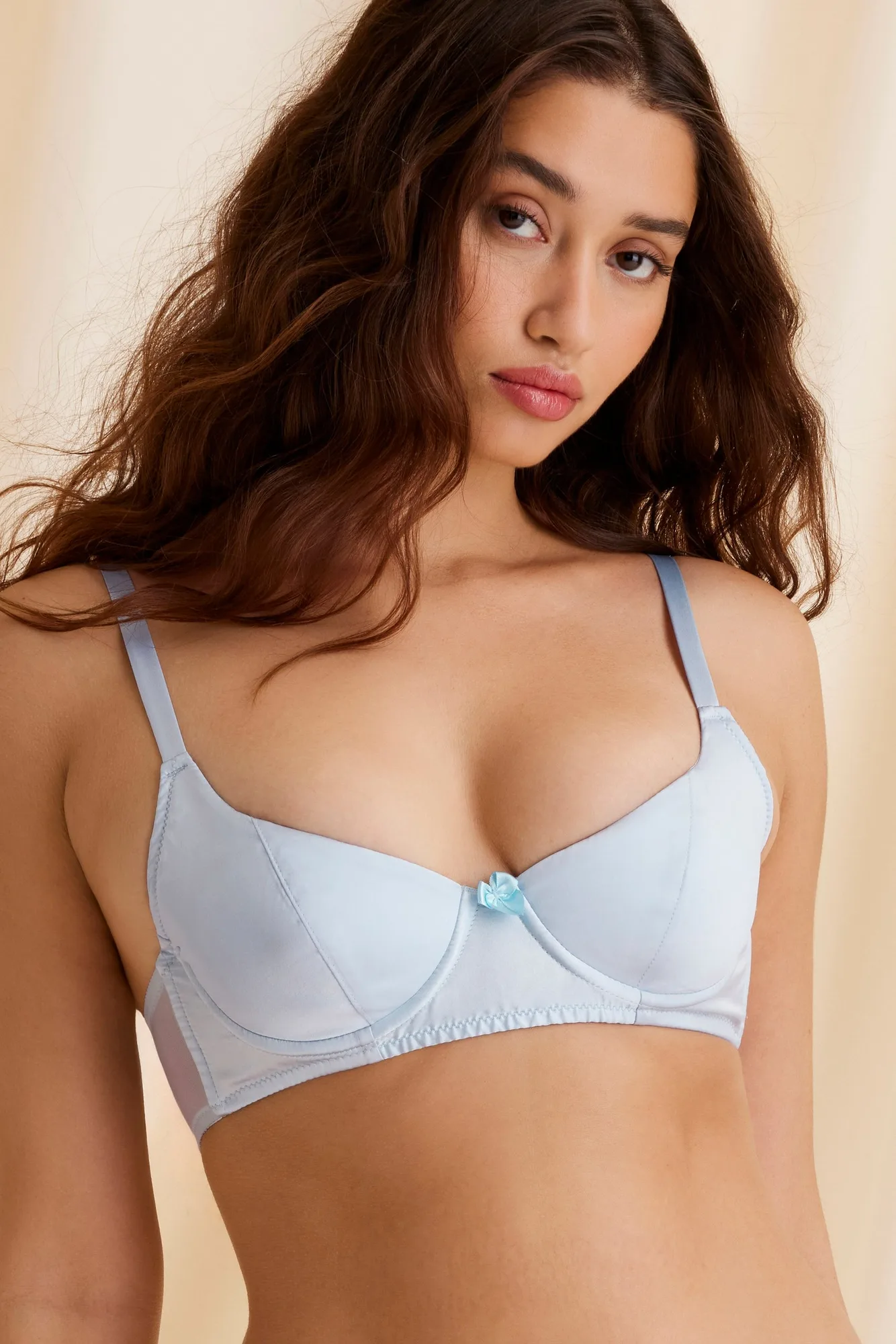
- Symptom: you are cold in the morning and overheated by noon: Likely cause: the base layer is trapping heat with no release. Corrective action: swap to a breathable silk base such as the https://scarlettgasquegz.com/products/tallulah-bra-abb2691e2b35889fbaab5209-1354830https://scarlettgasquegz.com/products/the-talullah-bra-be3da6f3d719d862f7106cc8-1354832https://scarlettgasquegz.com/products/tallulah-bra-plum-2ee517d848f5682fd3e3b8cf-1354835Tallulah Bra, then keep the outer layer open until the temperature settles. Checkpoint: if you are still uncomfortable after swapping the base, the outer layer is too heavy — change it, not the base.
- Symptom: your outfit only works with the outer layer on: Likely cause: you have built a single-use outfit rather than a layered one. Corrective action: rebuild around a piece that stands alone, like the Evelyn Skirt, and treat the cardigan or robe as optional. Checkpoint: if removing the outer layer leaves you in something you would not wear out, stop and choose a different base.
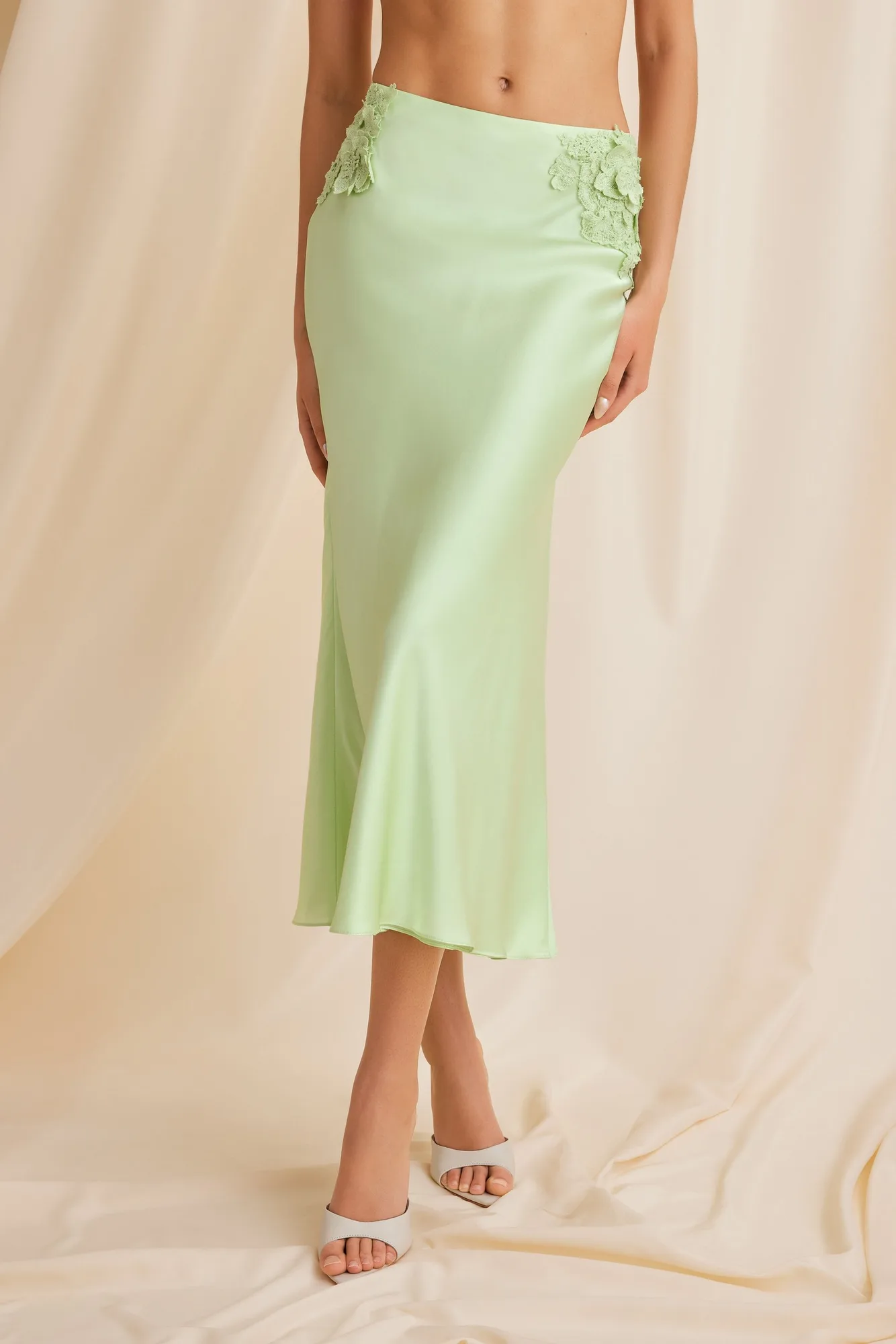
Evelyn Skirt
- Symptom: a piece only works for a few weeks a year: Likely cause: the piece is genuinely single-season — a crochet mini dress or a heavy winter knit. Corrective action: store it for its season and stop forcing it into the transition months. Checkpoint: if it cannot be worn in three different months with different layers, it is not a transition piece.
Pieces that genuinely work across seasons
- EVELYN SKIRT: Crafted from 100% luxurious silk and cut on the bias, with exclusive hand-applied Italian floral lace and a soft flute silhouette. Bias-cut silk drapes rather than clings, so it layers under a robe or over tights without adding bulk — useful when the temperature is moving.
- TALLULAH BRA: Made from stretch silk charmeuse with a modern demi-cup silhouette, sheer stretch mesh back and side panels, and side boning for support. A breathable silk base layer gives you a wider comfortable temperature range, which means you can change the outer layer less often.
- SOVEREIGN SKIRT: A fit-and-flare silhouette in sheer embroidered tulle with damask florals, fully lined in 100% silk charmeuse with a scalloped hem. The silk lining keeps the skirt comfortable against the skin, so it works with a light cardigan in spring and a heavier layer in autumn.
Transition dressing is a diagnosis problem, not a shopping problem. Fix the layer closest to your body first, keep the outer layer removable, and be honest about which pieces only work in one season. Do that and you will stop dreading the in-between months.