Quick answer
Most people can start light postpartum recovery shapewear a few days after a vaginal birth and around one to two weeks after a C-section, once your care team clears you. Start with gentle, high-waisted compression and short sessions, then extend wear as comfort allows. Stop if you feel pain, numbness, or pressure on a scar.
What postpartum shapewear can and cannot do
Postpartum shapewear is a comfort and support tool, not a shortcut to healing. It can hold maternity pads in place, reduce friction between your thighs, and give your midsection a sense of steadiness when you move, cough, or lift your baby. It cannot repair diastasis recti, replace pelvic floor physiotherapy, or speed up tissue repair on its own. If you had a C-section, look for a high waistband that sits above the scar line rather than across it, and choose a smooth, seamless finish to avoid catching on the incision. The goal is support you forget you are wearing, not maximum squeeze.
How to size postpartum shapewear when your body is still changing
Do not order your pre-pregnancy size. Measure your waist and hips now, then compare against the brand's current size chart, and size up if you are between sizes. Your shape will keep shifting for weeks, so a piece that feels snug but not restrictive in the first month is more useful than one that only fits by month three. Check the return window before you buy, and keep tags on until you have worn a piece for a full day. If a band leaves deep red marks that last more than an hour after removal, it is too tight. If it rolls down every time you sit, it is too loose or the wrong rise for your torso.
C-section recovery: what to avoid on the scar
After a C-section, the waistband is the whole decision. Anything that crosses the incision can rub, trap moisture, and make coughing or standing up more painful. Choose high-rise styles that sit well above the scar, and avoid stiff boning, thick seams, or zippers over the front. Cotton-rich, breathable fabrics are kinder to a healing incision than slick synthetic panels, especially in warm weather. If your scar is still tender or your care team has advised against compression, skip shapewear entirely and use loose, soft high-waisted underwear instead until you are cleared.
How long to wear it each day
Start with two to four hours at a time, then build up gradually. Many people find shapewear most useful during the first two to three weeks, when the belly feels unsupported and pads need to stay put, then wear it only for outings or long walks. There is no rule that says you must wear it all day, and overnight wear is usually unnecessary unless a clinician recommends it. Take it off if you feel short of breath, dizzy, numb, or if your skin becomes itchy or damp under the fabric. A useful checkpoint: if you are thinking about the shapewear more than your baby, it is too tight or has been on too long.
Your postpartum shapewear timeline
- Days 1-3: skip compression, prioritise softness: In the first days after birth, wear loose, high-waisted cotton underwear and maternity pads. Let your care team check bleeding, swelling, and any incision before you add compression. Checkpoint: if standing or sitting still hurts more than it did yesterday, wait before adding shapewear.
- Week 1 (vaginal birth): try light support for short stretches: Once you are cleared, wear a gentle high-waisted style for two to four hours at a time. Pair it with a pad and take it off if you feel pressure, tingling, or shortness of breath. Common mistake: wearing it all day on day one. Build up gradually instead.
- Weeks 1-2 (C-section): protect the scar line: Wait for your clinician's go-ahead, then choose a high rise that sits above the incision and a smooth, seam-free fabric. Avoid anything that crosses or rubs the scar. Checkpoint: if the band touches the incision when you sit, it is the wrong rise.
- Weeks 2-6: size to your current body, not your pre-pregnancy size: Measure your waist and hips now and size up if you are between sizes. Keep tags on until you have worn a piece for a full day so you can exchange it if it rolls or digs in. Common mistake: buying your old size and assuming it will fit by week six.
- Week 6 and beyond: switch to shaping only when you want it: Once healing is confirmed, move to lighter smoothing pieces such as an underbust slip for outfits, and save firm compression for occasions rather than all-day wear. Next step: if you still feel heaviness or pain, ask your clinician about pelvic floor support before increasing compression.
Products that fit this recovery plan
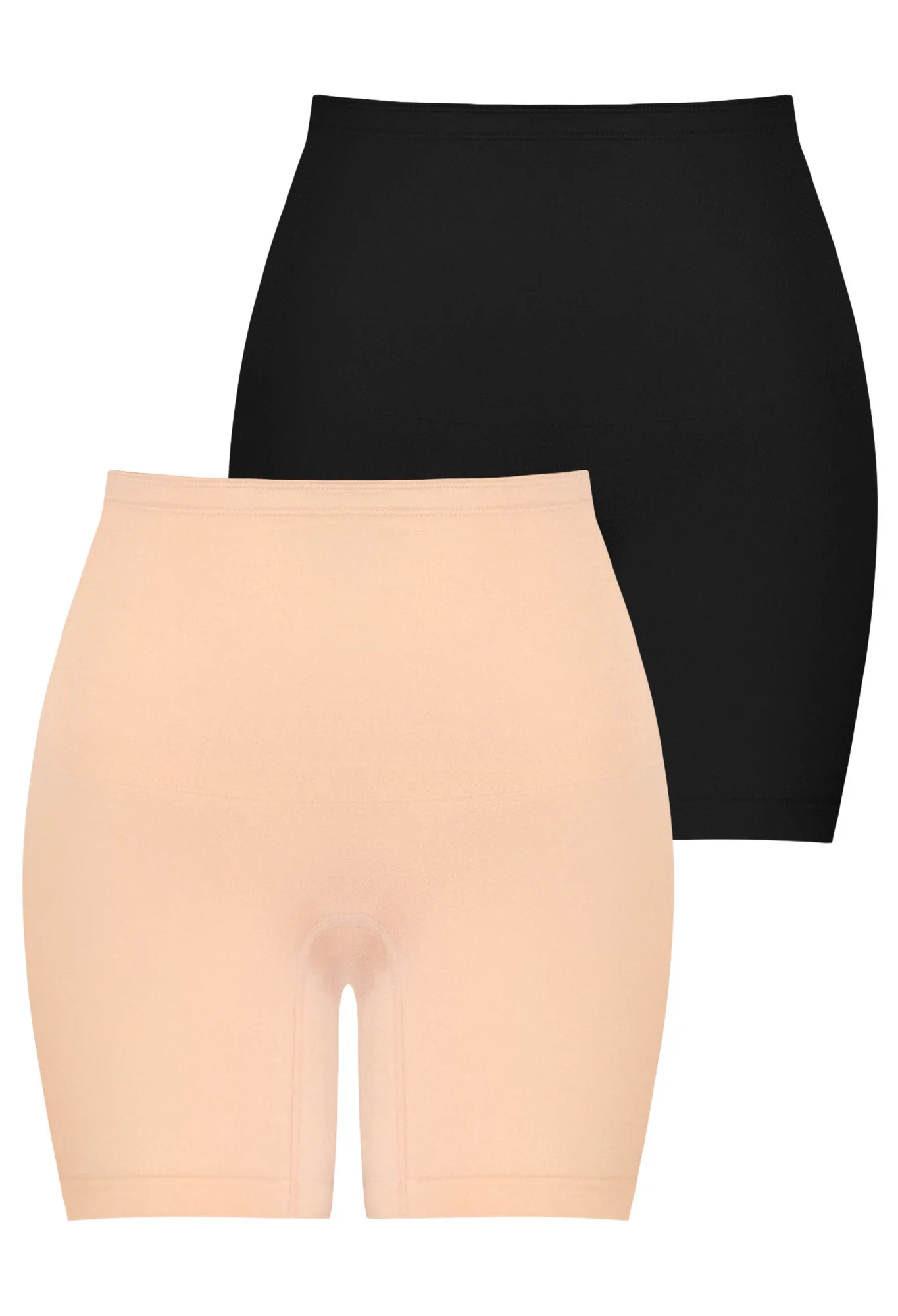
- Anti-Chafing Shaping Shorts: Anti-Chafing Shaping Shorts firmly hug and support from waist to mid thigh, made from smooth lightweight microfibre with an ultra high waist band. The high waist sits above a C-section scar while the mid-thigh length reduces rubbing, so you get support without a seam pressing on the incision.
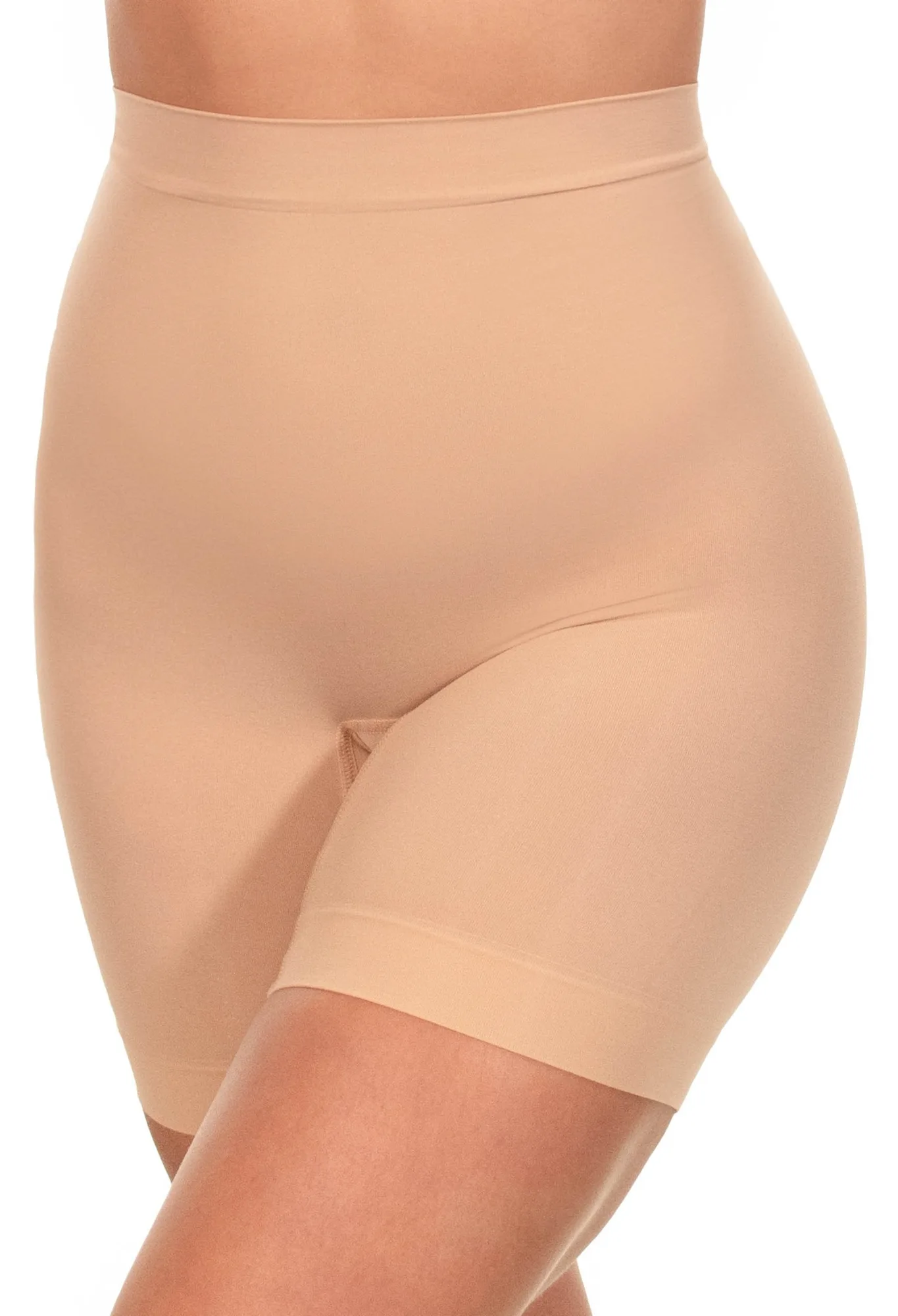
Anti-Chafing Shaping Shorts
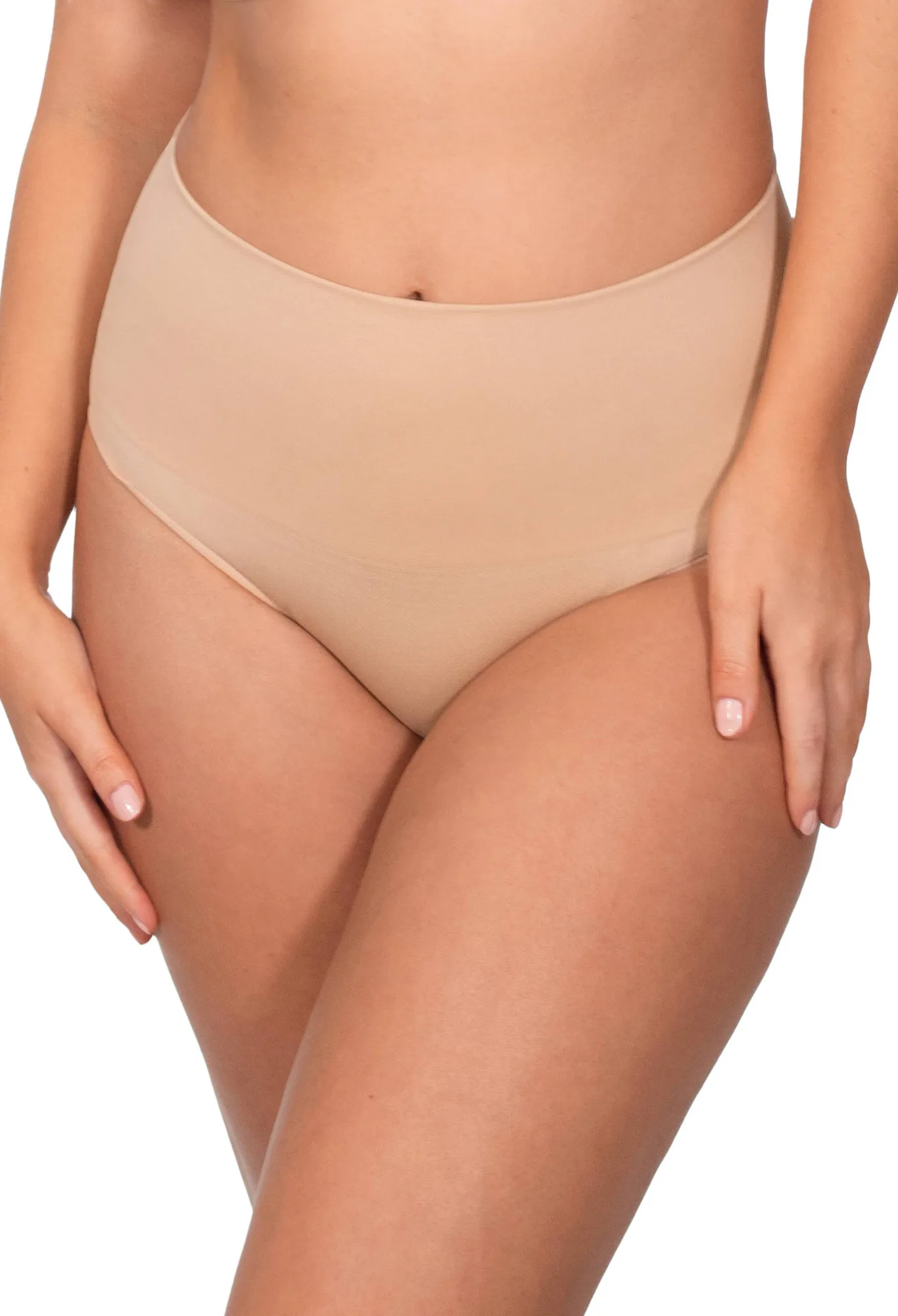
- Maternity Anti Chafing High Rise Petite Cotton Rich Shorts: Maternity Anti Chafing High Rise Petite Cotton Rich Shorts are a best-selling anti-chafing mid-length style in cotton-rich fabric that creates air ventilation between the material and skin. The cotton-rich, breathable fabric and high rise make these a gentler everyday option in the first weeks, especially if your skin is sensitive or the weather is warm.
- Underbust Shaping Slip - 2 Pack: https://bfreeusaeo.com/products/underbust-shaping-slip-shop-0e1e66e9137c03b2f1299a6d-1342086Underbust Shaping Slip - 2 Pack comes in a classic Black and Nude combo, made from smooth-touch microfibre for instant smoothing under clothing. The underbust design leaves the bra area free and the two-colour pack covers dark and light outfits, useful once you are ready for smoother shaping under dresses rather than compression.