Quick answer
A sleeping bag's temperature rating is a rough guide, not a promise. The number usually refers to the EN/ISO lower limit, which assumes you're a warm sleeper wearing a base layer on a pad with an R-value around 5 or higher. For cold-weather hunting, pick a bag rated 10-20 degrees below the lowest temperature you expect, and always treat the pad and your layers as part of the sleep system.
What the EN/ISO numbers actually mean
Most quality bags list three numbers: comfort, limit, and extreme. The comfort rating is the temperature at which an average woman can sleep without waking cold. The limit rating is where an average man stays comfortable for eight hours. The extreme rating is a survival threshold, not a target. When a bag is called a '0 degree bag,' the manufacturer is usually quoting the limit rating, so women and cold sleepers should look at the comfort number instead.
Why your pad and layers change everything
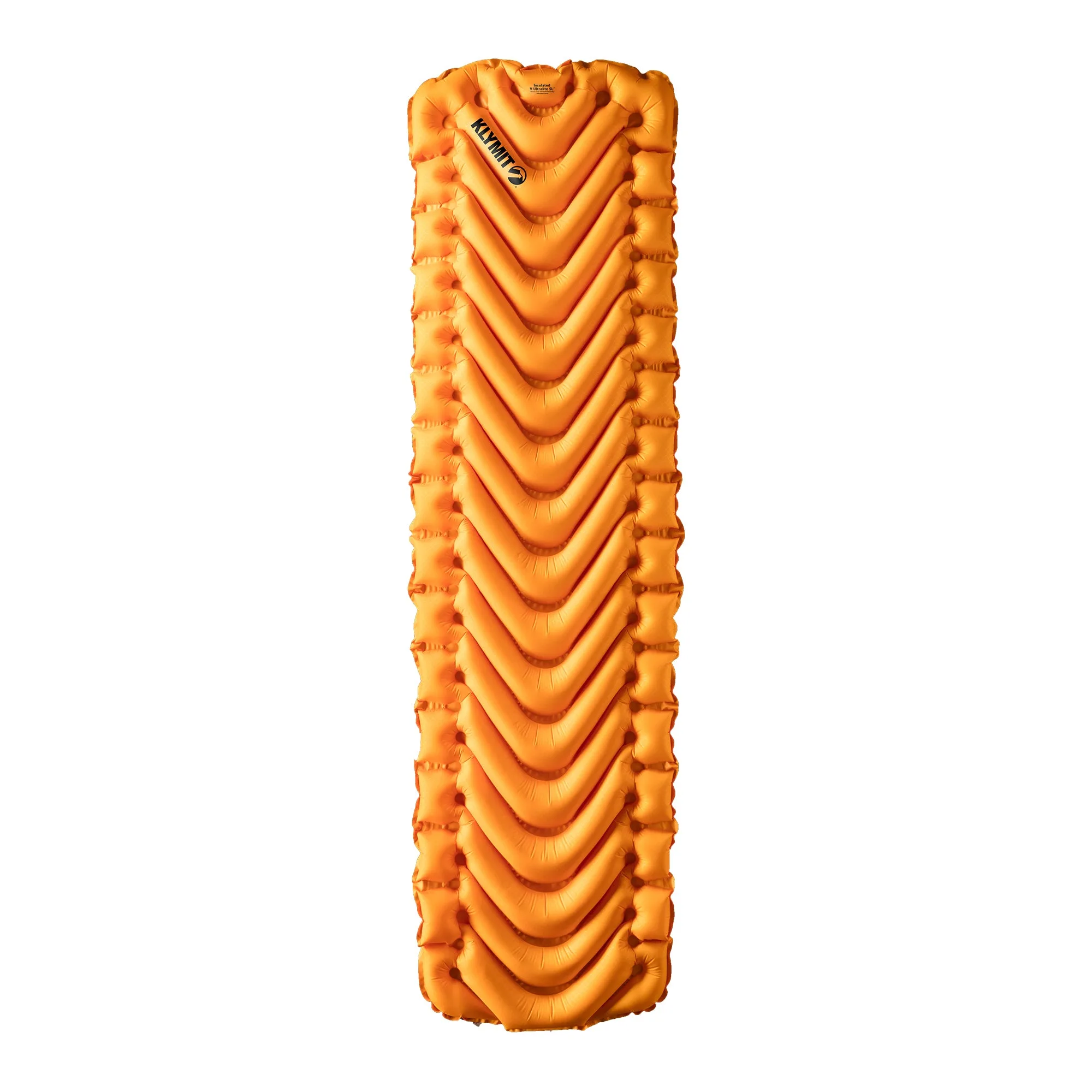
A sleeping bag doesn't generate heat; it traps what your body produces. If your pad has a low R-value, the cold ground pulls warmth out from underneath you and no bag rating can compensate. For late-season hunts, pair a cold-rated bag with a pad rated R-5 or higher. Wearing a dry base layer and a hat adds several degrees of real-world warmth, while sleeping in damp clothes can drop your effective rating by 10 degrees or more.
Matching the rating to your hunt
Start with the coldest overnight low you realistically expect, then subtract a margin. If you're hunting in November where lows hit 15°F, a 0°F bag gives you a sensible buffer. If you're in September at 35°F, a 20°F bag may be plenty. Also consider duration: on a three-day hunt you can recover from one cold night, but on a ten-day backcountry trip, chronic sleep loss hurts your judgment and your hunt.
Temperature ratings are not standardized across brands
There is no law forcing a brand to use EN/ISO testing, and some companies publish their own 'tested' numbers that can be optimistic. Look for bags that disclose the standard used and the fill weight and fill power. If a rating seems too good for the price or weight, treat it as a marketing number. The most reliable approach is to read the spec sheet, check the fill weight, and size your margin accordingly.
Cold-weather sleeping bag FAQ
What does a 0 degree sleeping bag mean?
It usually means the bag is rated to 0°F at the EN/ISO lower limit, which assumes a warm sleeper on a good pad in a base layer. It does not mean you'll be comfortable at 0°F in street clothes. If you sleep cold, treat a 0°F bag as a 10°F to 15°F bag.
Is the comfort rating or the limit rating more important?
For most hunters, the comfort rating is the honest number. The limit rating is where an average man can sleep for eight hours without waking; the extreme rating is survival only. Choose a bag whose comfort rating sits at or below your expected low.
Can I use a summer bag in cold weather with extra layers?
Layers help, but they can't fix a bag with too little insulation or a pad with a low R-value. A 30°F bag won't become a 0°F bag just because you added a fleece. Buy for the rating you need, then use layers as fine-tuning.
How do I pick a rating for a specific hunt?
Check the forecast for your hunt dates and elevation, subtract 10-15 degrees for safety, and match that number to the bag's comfort rating. For example, if lows are forecast at 20°F, look at a bag with a comfort rating near 5°F to 10°F. Write down your expected low before you shop; it prevents overbuying or underbuying.
A cold-weather bag worth knowing
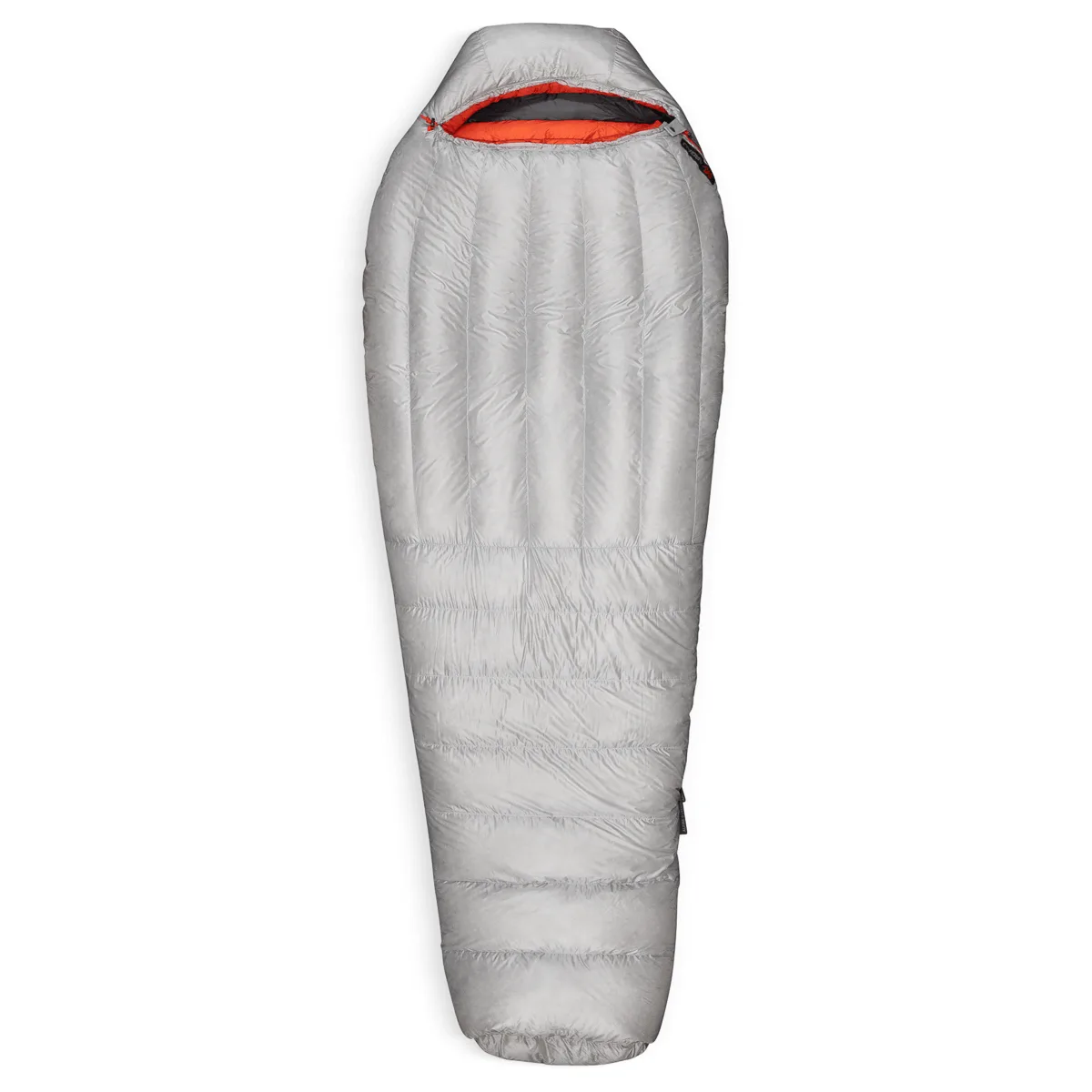
- Alpine 0 Degree Sleeping Bag: The Argali Alpine 0 Degree Sleeping Bag was named Best Overall sleeping bag of the year by Backpacker Magazine and is built for cold weather camping and backpacking with a lightweight package. This is a real-world example of a 0°F-rated bag designed for wide shoulders and restless sleepers, so if you want a buffer below freezing without a bulky bag, it fits that use case.
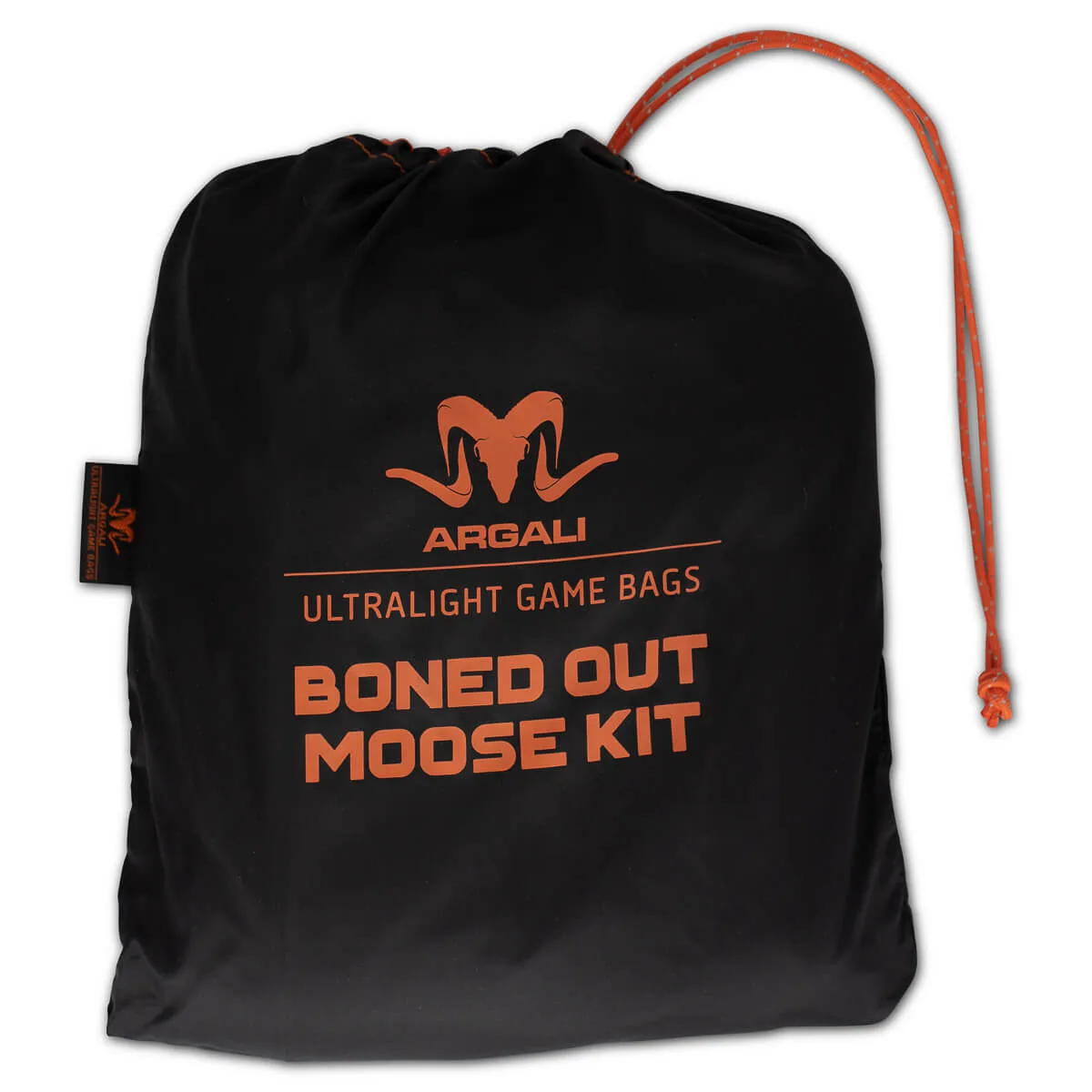
- Boned Out Moose Game Bag Set: The Argali Boned Out Moose Kit includes enough ultralight, breathable, reusable game bags to fit any mature bull moose, protecting meat from flies and other hazards. Once you've sorted your sleep system, a boned-out game bag kit keeps the meat you're packing out cool and clean on multi-day trips.