Quick answer
A sleeping bag temperature rating is a test reference, not a promise. The comfort number is the lowest temperature an average cold sleeper stays comfortable, the limit number suits a warm sleeper, and the extreme number is a survival figure you should never plan around. Choose a bag rated about 10°F (5°C) below the coldest temperature you expect, then adjust for your sleep style, pad, and clothing.
Temperature ratings are the most quoted and most misunderstood numbers on a sleeping bag. Two bags can both say "20°F" and feel completely different because the rating is a standardized test result, not a guarantee for your body on your trip. Knowing what each number actually measures turns a confusing label into a useful buying tool.
This guide breaks down what sleeping bag temperature ratings mean, how comfort and limit ratings differ, and how to match a bag to your camping style. It also covers the factors that shift your real-world warmth, from your sleeping pad to what you wear to bed.
What the three temperature numbers actually mean
Most sleeping bags list three figures: comfort, limit, and extreme. The comfort rating is the temperature at which an average cold sleeper stays comfortable. The limit rating is the temperature at which an average warm sleeper stays comfortable. The extreme rating is a survival threshold where the risk of hypothermia becomes serious, and it is not a temperature you should ever plan to sleep at.
The test behind these numbers uses a standard mannequin wearing a base layer and a sleeping pad with a defined insulation value. That controlled setup is why your results can vary. If you sleep cold, run a few degrees below the comfort rating. If you sleep warm, you can push closer to the limit rating. The number is a starting point, not a verdict.
- Comfort rating: the number to trust if you sleep cold.
- Limit rating: the number to trust if you sleep warm.
- Extreme rating: a survival figure, not a sleep target.
Why your sleeping pad changes the rating
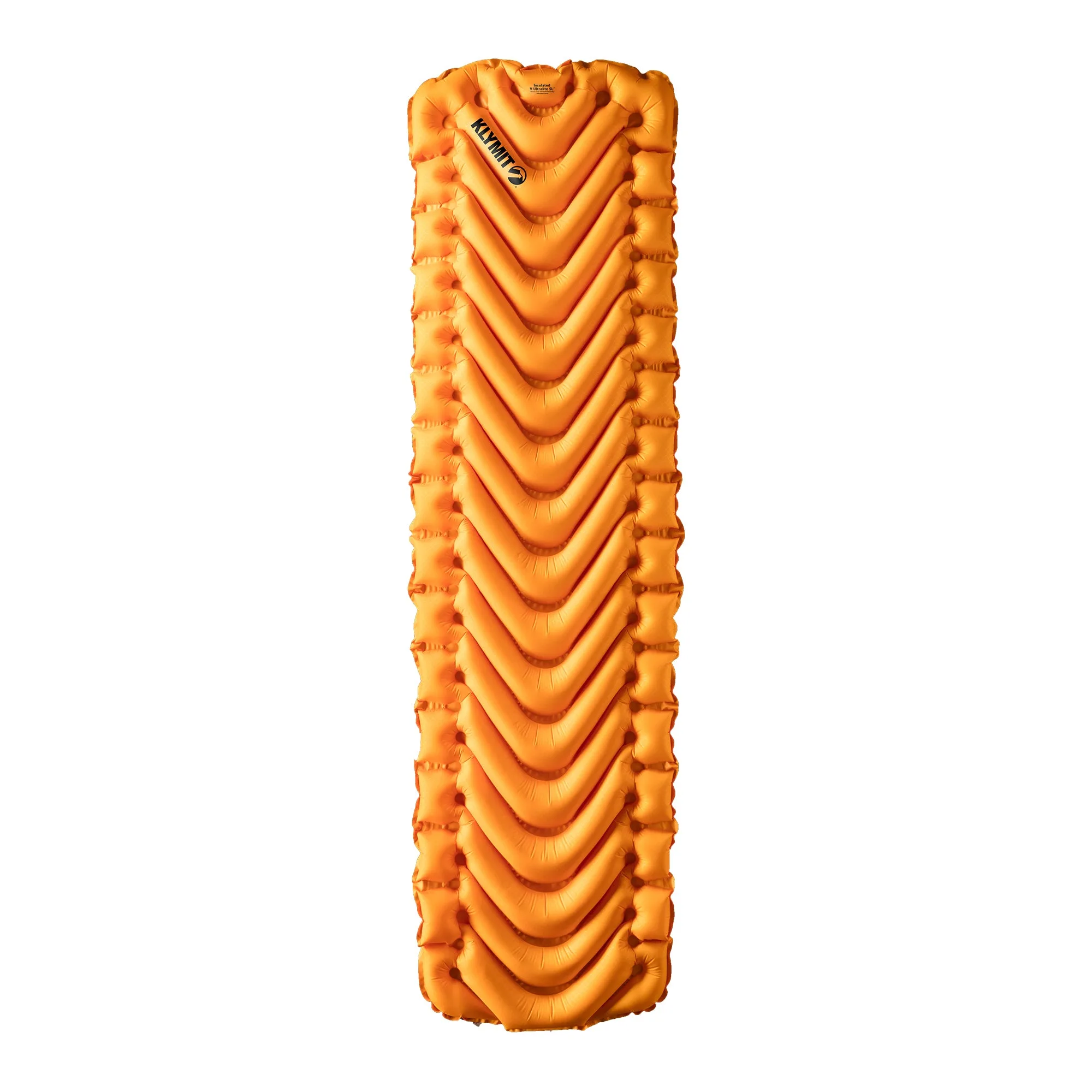
A sleeping bag insulates the top of your body, but the bottom is compressed and provides almost no warmth. Your sleeping pad is what keeps cold ground from pulling heat out of you. A bag rated to 20°F on a pad with a low R-value can feel like a 40°F bag because the ground steals the warmth the bag cannot replace.
If you camp in cold conditions, match your bag and pad as a system. A pad with a higher R-value lets your bag perform closer to its rating. If you already own a three-season pad, choose a bag rated a bit colder than your expected low to compensate for the heat you lose downward.
- Treat bag and pad as one insulation system.
- A cold sleeper should size up the pad before sizing up the bag.
How to read a DOD sleeping bag rating
DOD sleeping bag ratings follow the same comfort, limit, and extreme logic as other brands, so the number on the label is a reference point rather than a promise. What matters more is how the bag is built for your style of camping. A rectangular bag like the Deka Sleeping Bag is designed for comfort first, with a plush lining and an envelope shape that gives ample foot space and lets you sleep in any position.
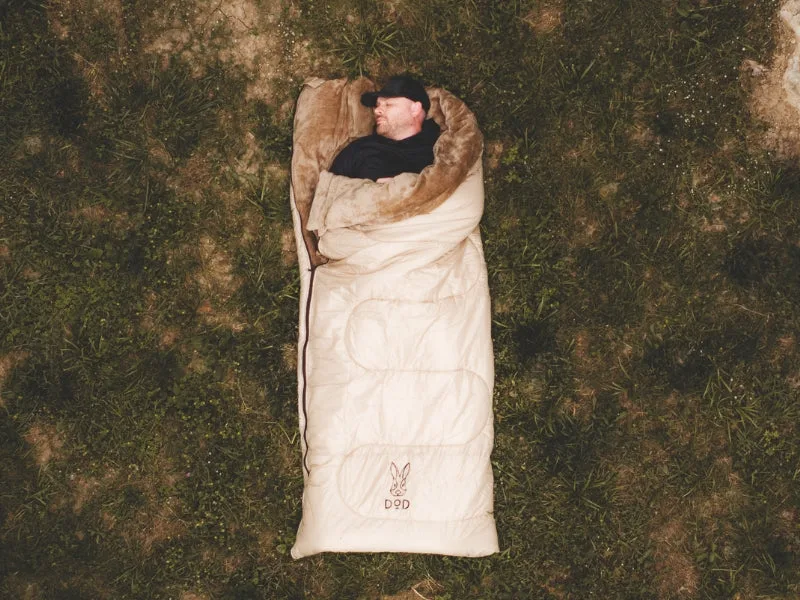
Deka Sleeping Bag
That design trade-off is worth understanding. Rectangular bags are roomier and easier to move in, but they are generally less thermally efficient than a mummy bag because there is more air space to heat. If you sleep cold or camp in shoulder-season temperatures, a snugger bag will keep you warmer at the same rating. If you value room to roll over, a rectangular bag is the better fit.
- Match the bag shape to how you sleep, not just the number.
- A roomier bag needs a warmer rating to feel the same.
Match the rating to your trip, not the calendar
The temperature you should plan for is the overnight low at your campsite, not the daytime forecast. A 70°F afternoon can drop to 35°F by 4 a.m. in the mountains or desert. Check the overnight low for the specific elevation and location, then subtract a margin for wind, humidity, and how tired you are.
As a rule, choose a bag rated about 10°F (5°C) below the coldest temperature you expect. That buffer covers the gap between a lab test and real conditions. If you are a cold sleeper, a woman, or you run cold after a long hike, add another 5°F to 10°F of margin. If you sleep hot, you can stay closer to the expected low.
- Plan for the overnight low, not the daytime high.
- Add a 10°F buffer, then adjust for how you sleep.
Decision rules for choosing a sleeping bag temperature rating
- If you sleep cold: Choose a bag rated 10°F to 15°F below your expected overnight low and pair it with a high-R-value sleeping pad. Your comfort rating is the number that matters most.
- If you sleep warm: A bag rated at or slightly below your expected low is usually enough, especially with a decent pad. You can use the limit rating as your target.
- If you camp in humid or wet conditions: Prioritize a breathable shelter and a bag with a water-resistant shell, and dry your bag fully between trips. Moisture lowers insulation performance more than the rating suggests.
- If you car camp or value room to move: A rectangular bag like the Deka gives you space to roll over, but size the rating colder than you would for a mummy bag. Comfort and thermal efficiency trade off against each other.
DOD sleeping bag and tent facts that affect your choice
- Deka Sleeping Bag: The Deka is a rectangular bag designed for comfort first, with a plush lining and an envelope shape that provides ample foot space and lets you sleep in any position. It can also be used as a camp cushion when stowed, as a quilt when fully unzipped, and two can be connected for couples. The rectangular shape and multi-use design suit car campers and comfort-focused sleepers who want room to move. Because it is not a mummy bag, plan a slightly warmer rating for cold-weather trips.
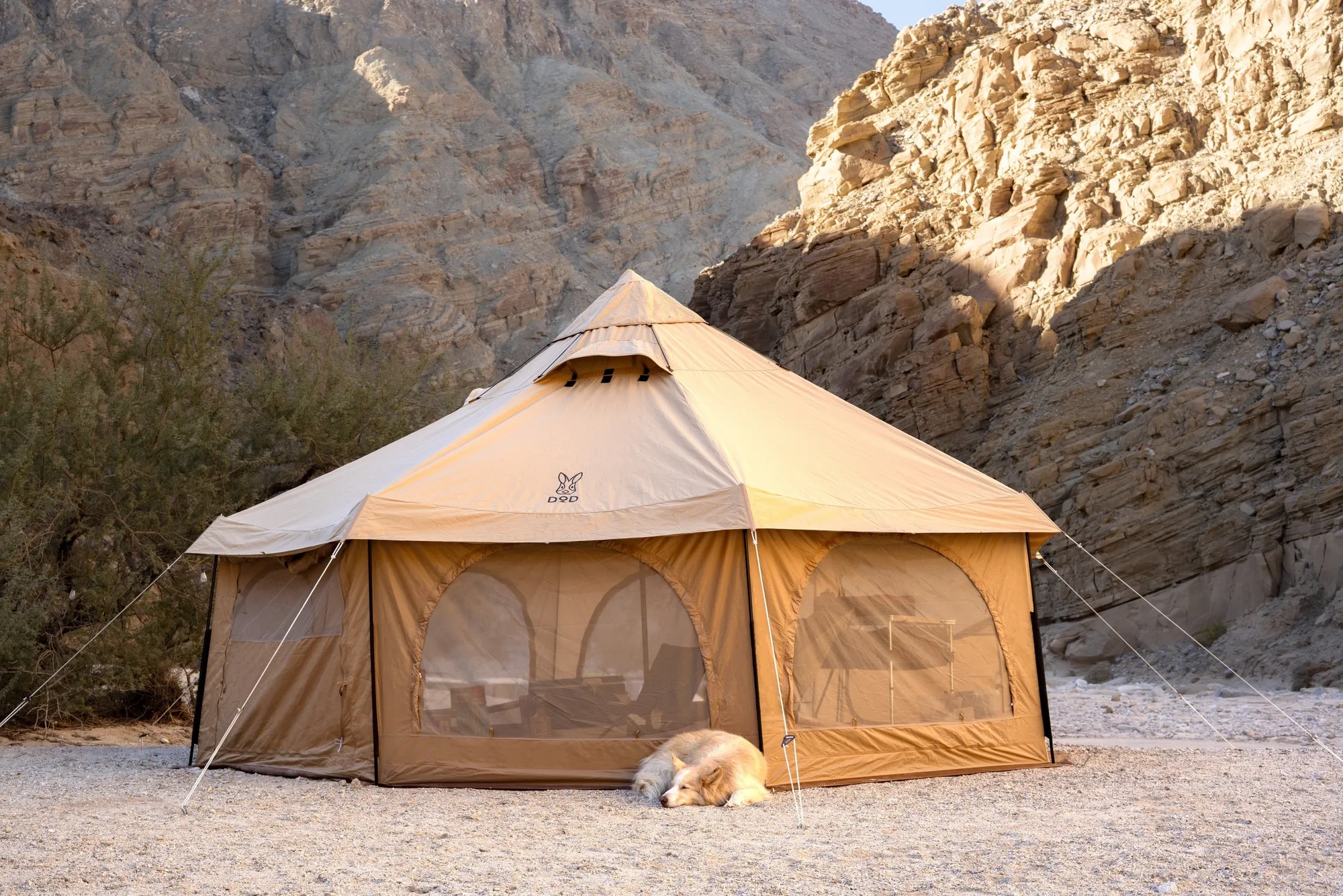
- Takenoko Bell Tent: The Takenoko Bell Tent has a Canvo roof that breathes, walls that convert to mesh or open wide, and an included floor that can be removed to use the tent as a day shelter. A breathable tent reduces condensation, which keeps your sleeping bag drier and warmer. If you camp in humid or rainy conditions, a dry bag performs closer to its rating.
Is a DOD sleeping bag right for you?
Best for
- Car campers and casual campers who want room to move and a comfortable, multi-use bag
- Couples who want to connect two bags into one
- Three-season campers who will pair the bag with a quality sleeping pad
Not for
- Ultralight backpackers counting every ounce
- Winter campers who need a mummy bag with a tight hood and high fill power
- Anyone who plans to sleep at or below the extreme rating
Temperature ratings are a guide, not a guarantee. Read the comfort number first, plan for the overnight low, and treat your sleeping pad as half the system. Choose a bag that matches how you sleep and where you camp, and you will stay warm without overbuying.