Quick answer
Read the comfort rating first, not the extreme rating. The comfort rating describes the temperature at which an average sleeper stays warm, while the limit rating is the lower edge for a warm sleeper and the extreme rating is survival only. Choose a bag whose comfort rating sits at or slightly below the coldest temperature you expect, then adjust with a sleeping pad and clothing.
What the three numbers on a sleeping bag label mean
Most sleeping bags show three temperatures: comfort, limit, and extreme. The comfort rating is the temperature at which a standard woman or cold sleeper stays comfortable. The limit rating is the temperature at which a standard man or warm sleeper stays comfortable. The extreme rating is a survival threshold, not a comfort target, and it should never be your buying number.
If a bag only lists one number, treat it as a limit rating unless the brand says otherwise. That means you may need a warmer bag than the single number suggests, especially if you sleep cold or camp in damp conditions.
How EN and ISO ratings are tested
EN 13537 and the newer ISO 23537 standards use a heated manikin in a controlled lab to measure how a bag performs at different temperatures. The test assumes you are wearing one base layer and using a sleeping pad with a suitable R-value. It does not account for wind, humidity, altitude, or how tired you are.
Use the rating as a starting point, not a guarantee. A bag rated to 20°F may feel colder on a windy ridge or warmer in a sheltered forest site. Pair the rating with a pad that matches the ground temperature.
Match the rating to your real camping conditions
Start with the lowest overnight temperature you expect, then subtract a buffer. For three-season camping, a comfort rating around 20°F to 30°F covers most spring through fall nights in temperate climates. For summer only, a 35°F to 45°F comfort rating is often enough. For winter, look for a comfort rating of 0°F or lower and plan to add a liner or second pad.
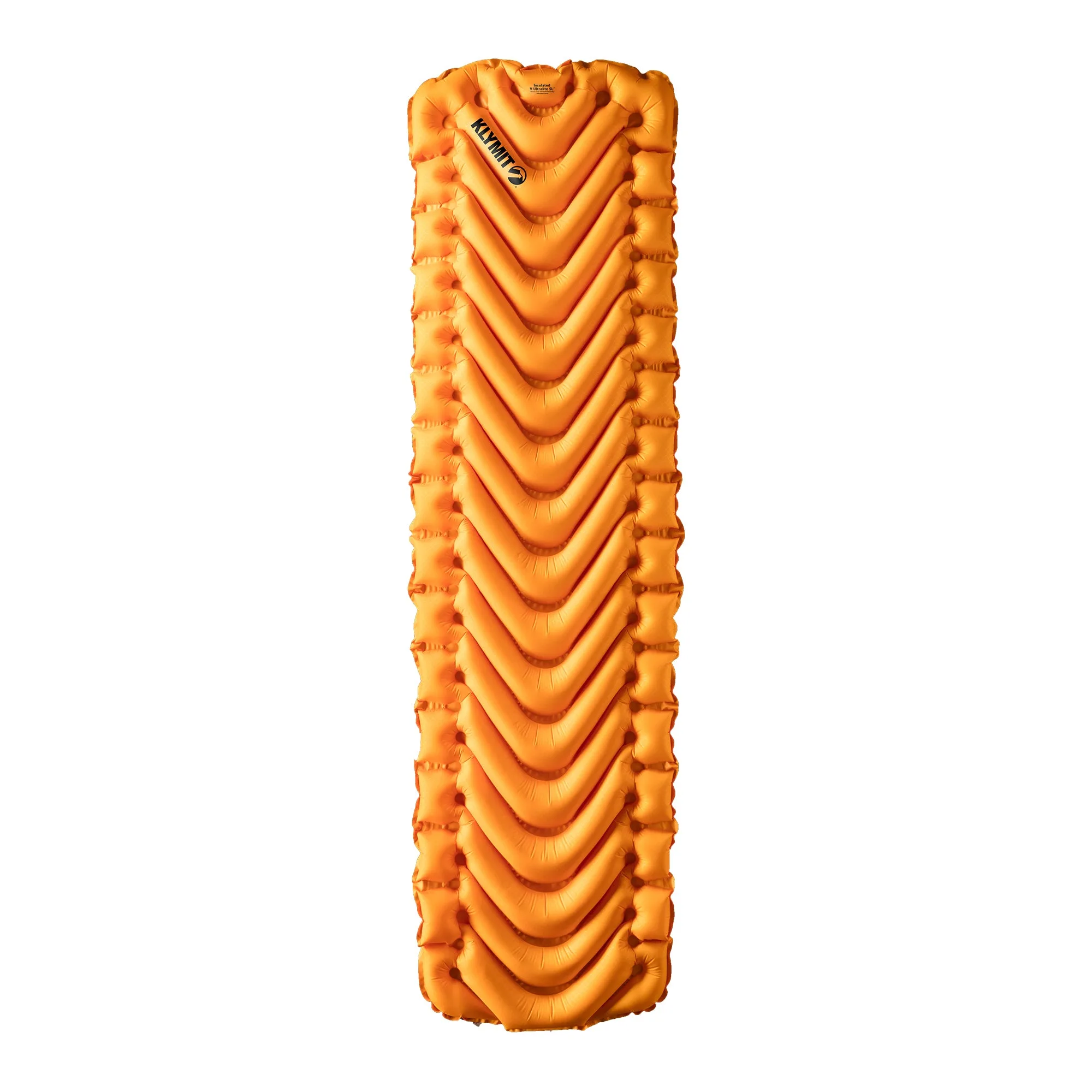
Your sleeping pad matters as much as the bag. A bag's insulation compresses under your body, so the pad provides the warmth beneath you. If you already own a pad with a known R-value, choose a bag that complements it rather than buying the warmest bag available.
Fit, shape, and fill affect warmth
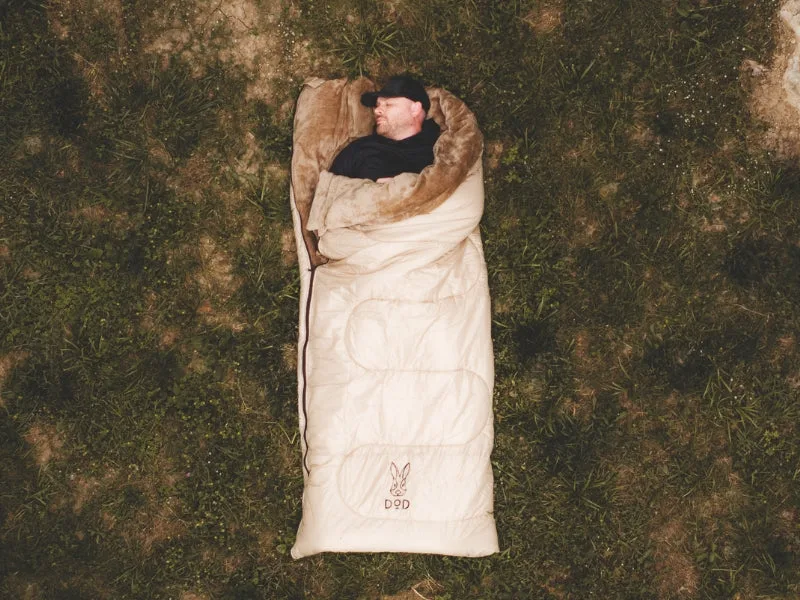
A bag that is too large has more air to heat, while a bag that is too tight compresses insulation. Aim for a snug fit that lets you roll over without feeling restricted. Mummy bags are warmer for their weight because they reduce dead air space, while rectangular bags feel roomier but need more insulation to achieve the same rating.
Down fill offers more warmth per ounce and packs smaller, but it loses loft when wet. Synthetic fill keeps some warmth when damp and costs less, though it is bulkier. If you camp in humid or rainy conditions, synthetic may be the more reliable choice even if the rating is similar.
Decision rules for choosing sleeping bag warmth
- Rule 1: Buy for the comfort rating, not the extreme: Find the comfort rating on the label and compare it to your expected low temperature. If the comfort rating is above your expected low, size up to a warmer bag. Your target: comfort rating at or below your coldest expected night.
- Rule 2: Add a 10°F buffer for cold sleepers or exposed sites: If you sleep cold, camp in wind, or use a pad with a low R-value, choose a bag rated about 10°F warmer than the forecast low. Buffer protects you when conditions are worse than forecast.
- Rule 3: Let your pad carry the bottom insulation: No bag insulates well when compressed. Match your bag's rating with a pad that has enough R-value for the ground temperature, and add a liner only after the pad is adequate. Upgrade the pad before buying an overkill bag.
Product facts
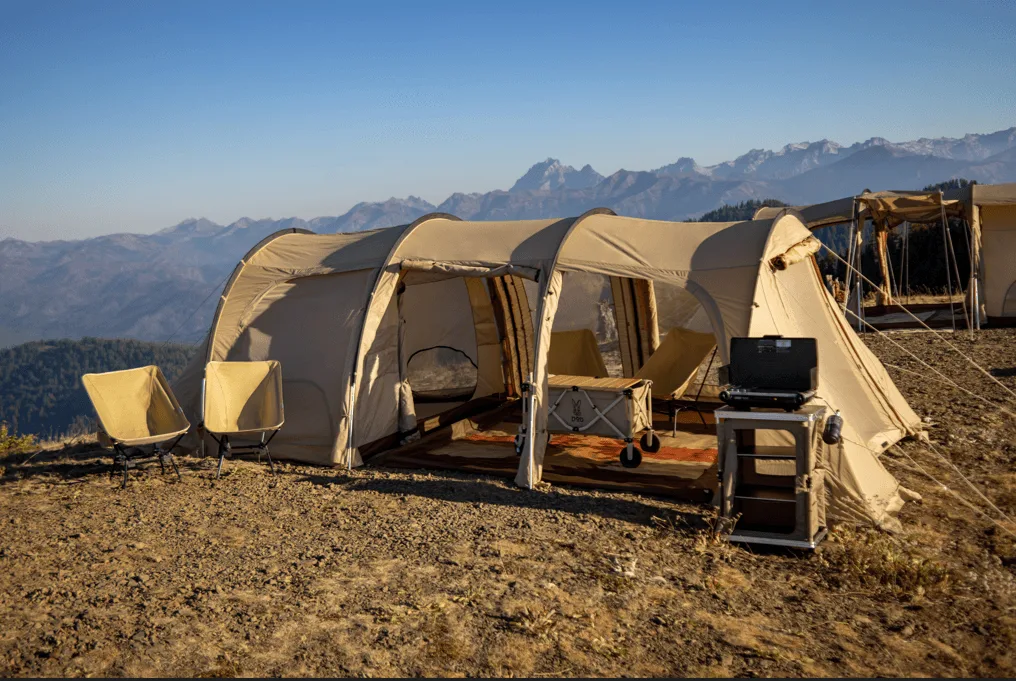
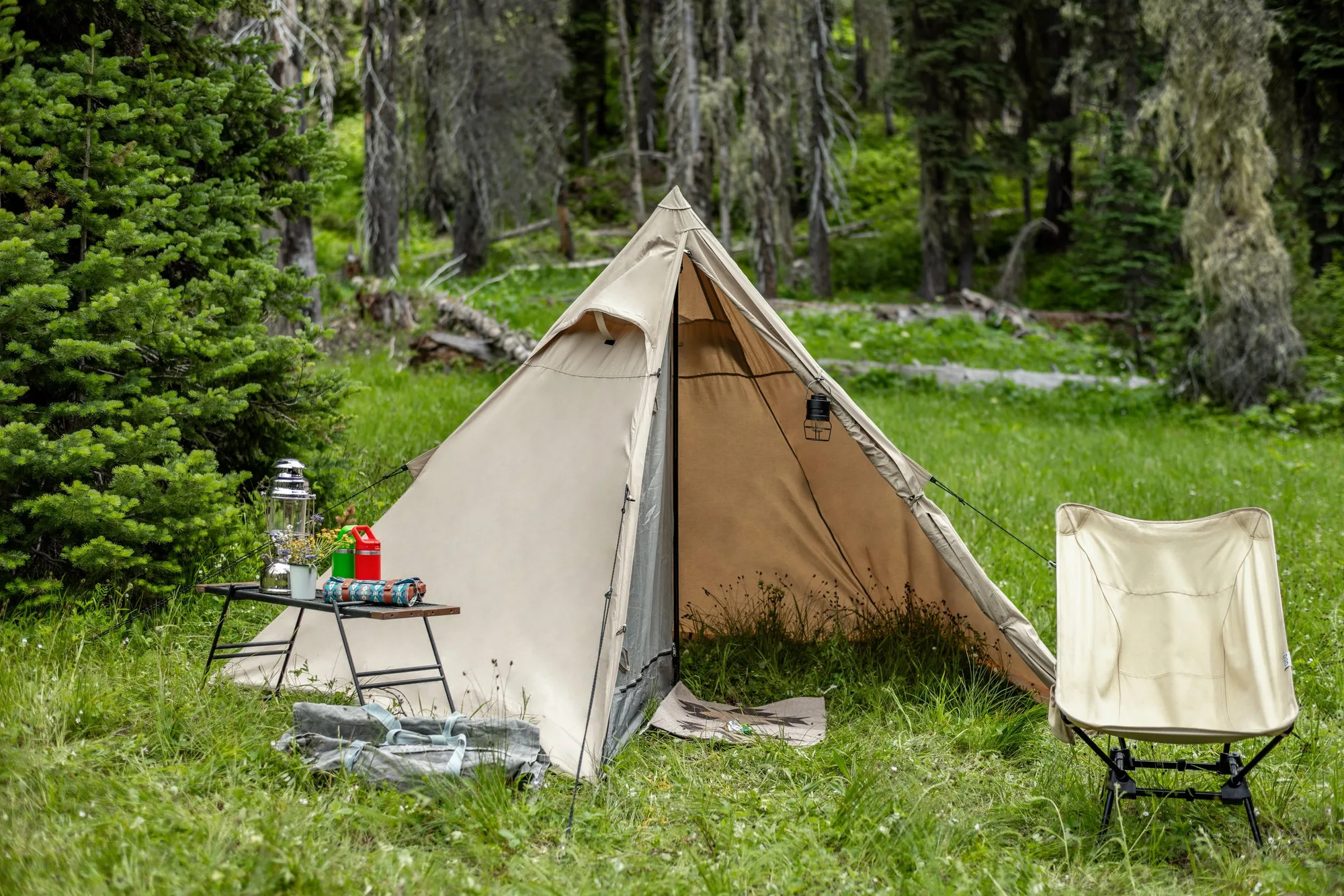
- Musha 1Pole Tent: The Musha 1Pole Tent is a two-room, one-pole tent with a separate sleeping chamber and vestibule, made from Canvo fabric that breathes and is more durable than polyester. A separate sleeping chamber reduces condensation and drafts, which helps your sleeping bag perform closer to its comfort rating.
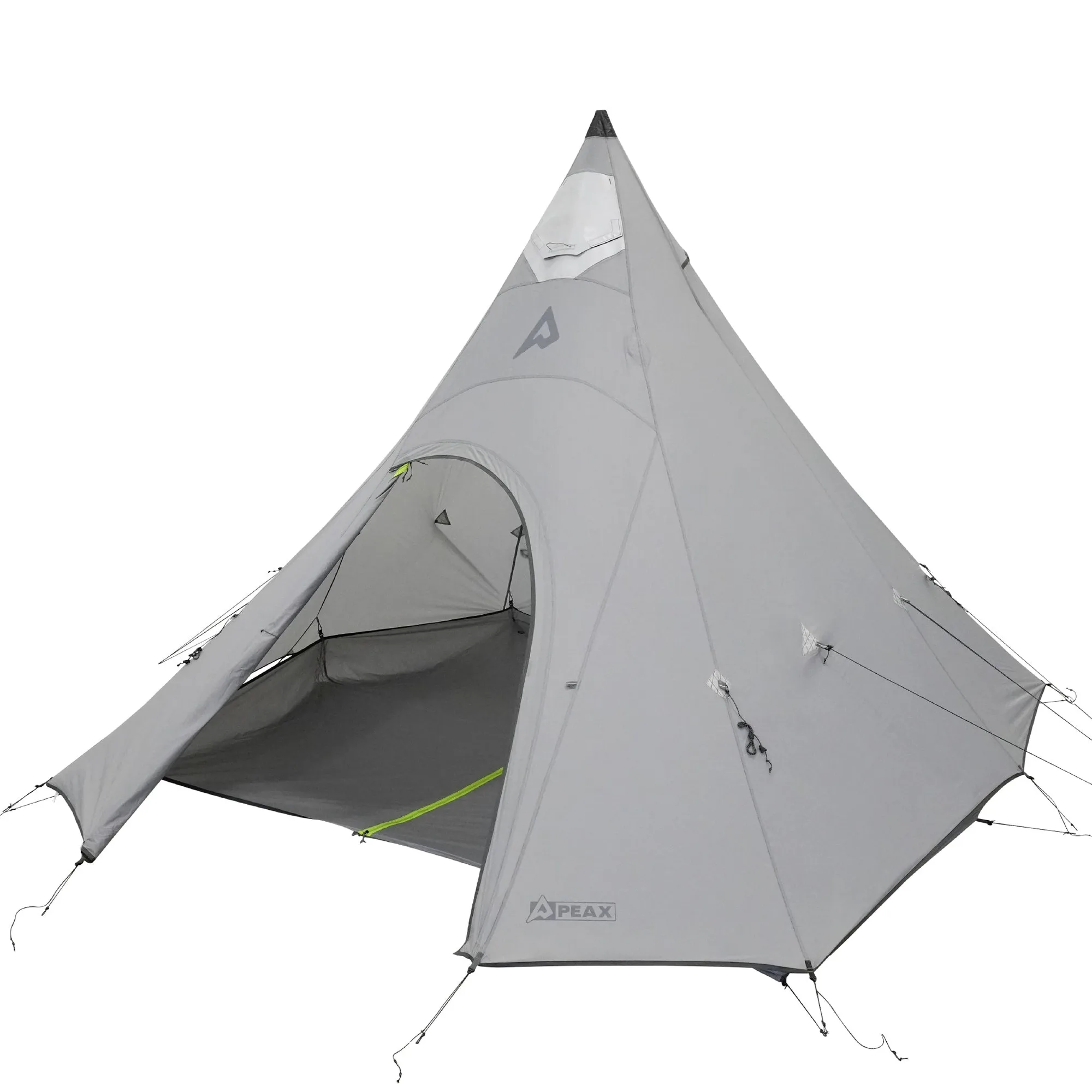
- Kamaboko Super Tent (M): The Kamaboko Super Tent (M) is a spacious shelter that comfortably accommodates up to five people and is available in Tan and Black. A larger shelter lets each sleeper use a bag suited to their own comfort rating without crowding, which matters when group members sleep at different temperatures.
Who this guide is for
Best for
- Campers buying their first sleeping bag and unsure what the numbers mean
- Three-season campers who want to match a bag to their local overnight lows
- Anyone comparing a down bag and a synthetic bag at similar ratings
Not for
- Winter mountaineers who need a bag rated below 0°F with a specific safety margin
- Backpackers prioritizing pack size over temperature flexibility
- Campers who already know their exact comfort temperature and need no further guidance