Quick answer
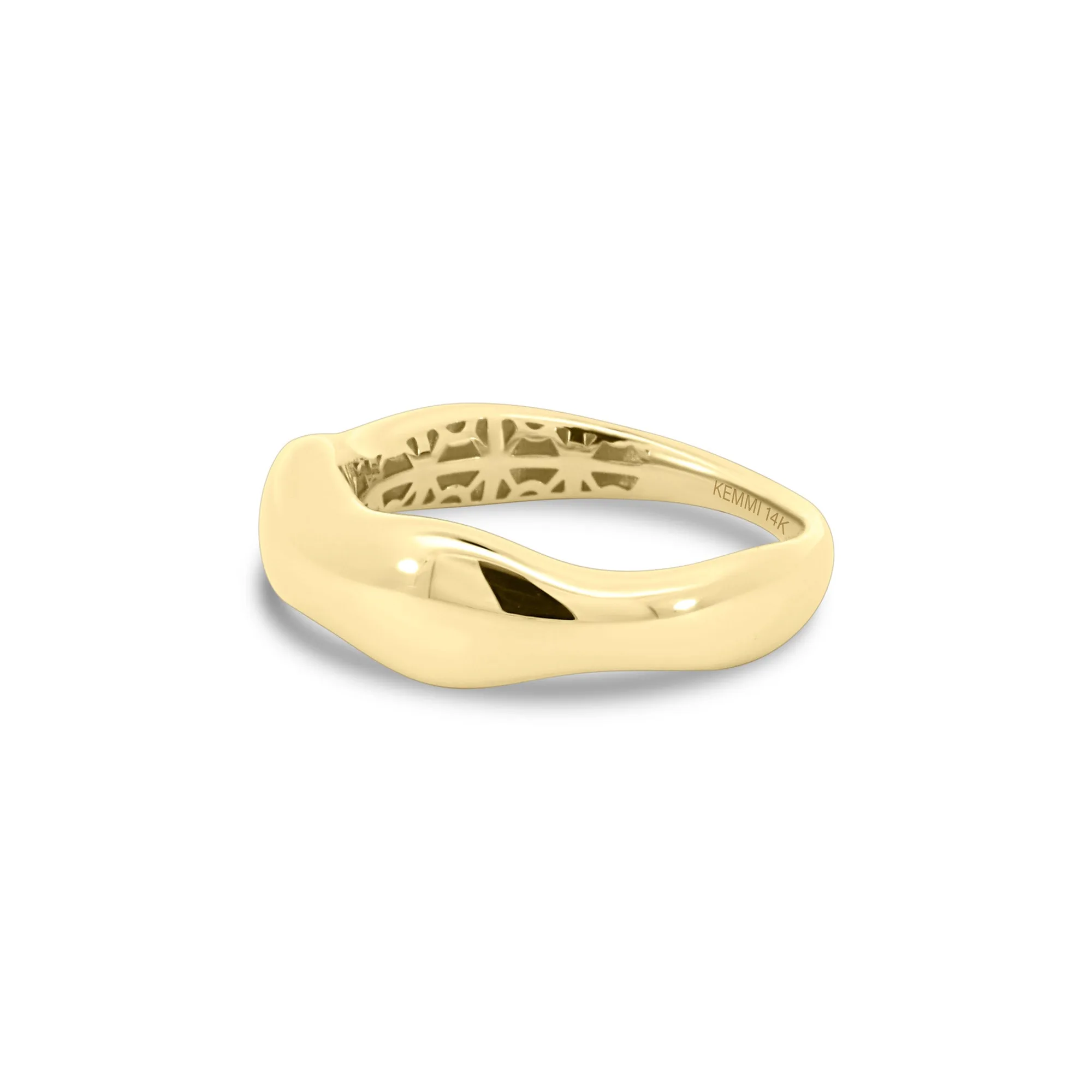
For most people who want a low-maintenance everyday ring, a solid gold wavy ring is the easier choice because the metal color runs through the piece and does not rely on a surface treatment. A silver gravity oxidized ring suits you better if you prefer a darker, textured look and do not mind refreshing the oxidized finish over time. Choose based on how much upkeep you will realistically do.
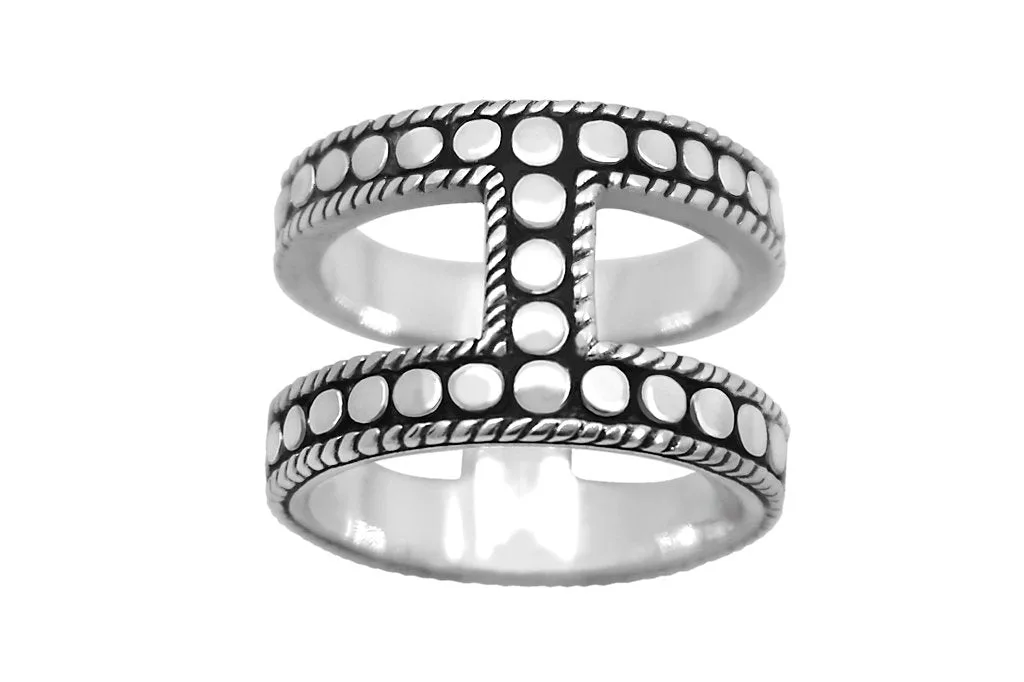
silver gravity oxidized ring
A wavy ring is one of those shapes that looks simple but changes everything about how a ring sits on your hand. The real decision, though, is not the wave. It is the finish underneath it: solid gold versus oxidized silver. Both can be worn daily, but they age differently and ask different things of you.
This comparison focuses on what actually matters for everyday wear: how the finish behaves, how the metal feels on the skin, and what care each one needs. The goal is not to crown a winner. It is to match the ring to your routine, your style, and how much maintenance you are willing to do.
What the two finishes actually are
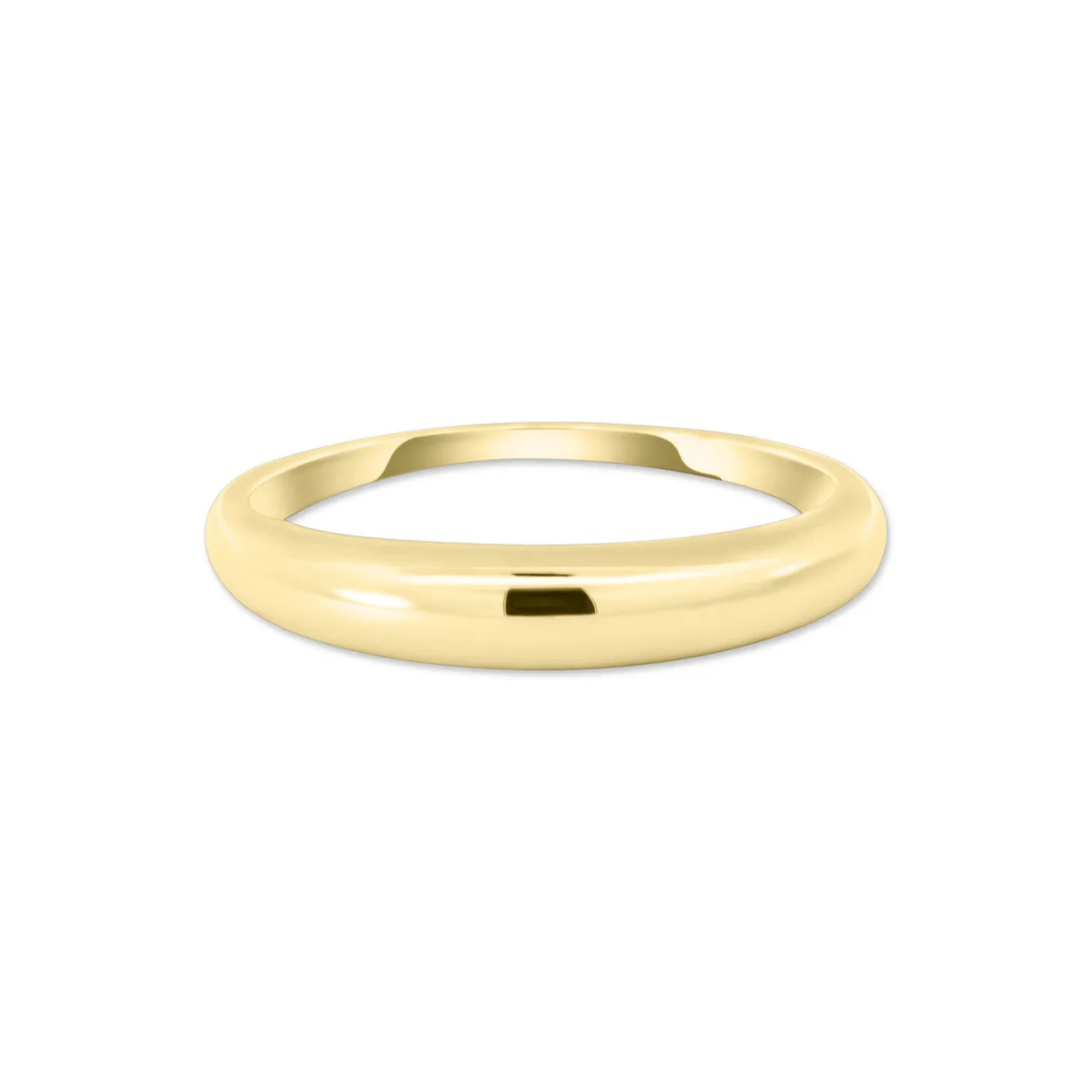
A solid gold wavy ring is made from gold, so the color is part of the metal itself rather than a coating. That matters because scratches and wear do not expose a different color underneath. The trade-off is that solid gold is a softer metal than many alternatives, so it can pick up fine surface scratches with heavy daily wear.
A silver gravity oxidized ring uses a deliberate oxidation treatment on silver to create a darker, often textured surface. The look is intentional and dramatic, but the oxidized layer is a surface finish. Over time, contact with skin, water, and friction can wear it down in the spots that rub most, so the ring may need re-oxidizing to keep the contrast sharp.
- Solid gold color runs through the metal; oxidized silver color sits on the surface.
- Oxidized finishes show wear in high-contact areas first, usually the underside and edges.
- Neither finish is inherently better; they solve different style preferences.
How each finish behaves in daily wear
In daily wear, solid gold tends to be the more forgiving option because there is no coating to wear through. You can wear it through handwashing and normal activity without watching for a color change. It will still show fine scratches over time, but those blend into the metal rather than creating a visible patch of exposed base material.
Oxidized silver, by contrast, asks for a bit more attention. The darker areas that define the look can lighten where the ring rubs against your finger, a keyboard, or a steering wheel. That does not mean the ring is fragile. It means the finish is a living surface that will gradually shift, and some people love that patina while others prefer to keep it dark and uniform.
- If you want a ring you never think about, solid gold is the lower-effort finish.
- If you like a finish that evolves, oxidized silver rewards that preference.
- High-contact spots are where oxidized finishes show their age first.
Care and maintenance differences
Solid gold care is simple: wipe it with a soft cloth, avoid harsh chemicals, and store it separately to reduce scratching. There is no finish to restore. If the surface dulls, a jeweler can polish it, though polishing removes a tiny amount of metal each time, so it is not something to do casually.
Oxidized silver needs gentler handling. Standard silver polish can strip the oxidized layer you are trying to keep, so you generally clean it with mild soap and water and dry it thoroughly. If the oxidation fades unevenly, a jeweler can re-darken the recessed areas. That is an extra step and an extra cost, but it is what keeps the contrast looking intentional.
- Never use a silver polishing cloth on an oxidized finish unless you want to remove the darkening.
- Store oxidized silver away from moisture to slow unwanted tarnish.
- Ask before polishing solid gold; repeated polishing removes metal over time.
Style and pairing: where each finish fits
The wavy shape reads as modern and sculptural in either finish, but the finish changes the message. Solid gold wavy rings look warm, polished, and easy to stack with other gold-toned pieces. They tend to blend into an outfit rather than dominate it, which makes them a natural choice for workdays and neutral wardrobes.
Oxidized silver wavy rings lean darker and more graphic. They create contrast against pale skin and stand out against lighter metals, so they work well as a focal point. If your jewelry is mostly silver and you want one ring that reads as deliberate rather than decorative, the oxidized version does more of that work on its own.
- Match the finish to the metals you already wear most often.
- Solid gold is easier to layer without visual competition.
- Oxidized silver is better if you want the ring to be the statement.
Fit and sizing guidance for wavy rings
Wavy rings have a wider profile than a plain band, so they contact more of your finger. That extra surface area can make a ring feel tighter than its measured size, especially in warm weather or after salty meals. If you are between sizes, sizing up slightly is often more comfortable for a wavy design than sizing down.
Finger size also shifts through the day and across seasons. Measure at the end of the day when your hands are at their largest, and measure again in cool conditions if you plan to wear the ring year-round. A ring that fits perfectly in winter can feel tight in summer, and a wavy band gives you less room to ignore that.
- Measure your finger at the end of the day for the most reliable size.
- If you are between sizes on a wavy band, choose the larger size.
- A wider band contacts more skin, so comfort matters more than a snug fit.
The trade-offs, side by side
- Finish durability: Solid gold keeps its color because the metal is gold throughout. Oxidized silver relies on a surface treatment that lightens in high-contact areas. Choose solid gold if you want the finish to stay put without intervention.
- Maintenance routine: Solid gold needs only soft-cloth cleaning and occasional professional polishing. Oxidized silver needs mild cleaning and periodic re-oxidizing to keep the dark contrast. Choose oxidized silver only if you will actually maintain it.
- Style outcome: Solid gold reads warm and blendable; oxidized silver reads dark and graphic. The wavy shape amplifies whichever finish you pick. Pick the finish that matches the jewelry you already reach for.
- Fit consideration: Wavy bands cover more finger surface, so they can feel tighter than a plain band at the same size. Sizing up slightly is usually safer. Measure at day's end and size up if you are between sizes.
Kemmi pieces that show these finishes in practice
- Pave Dome Ring: Dome shape with a pave of cubic zirconia (CZ) stones; available in multiple materials and sizes. A domed, stone-set ring shows why finish matters: the metal choice frames the stones, and the wider profile makes sizing comfort more noticeable.
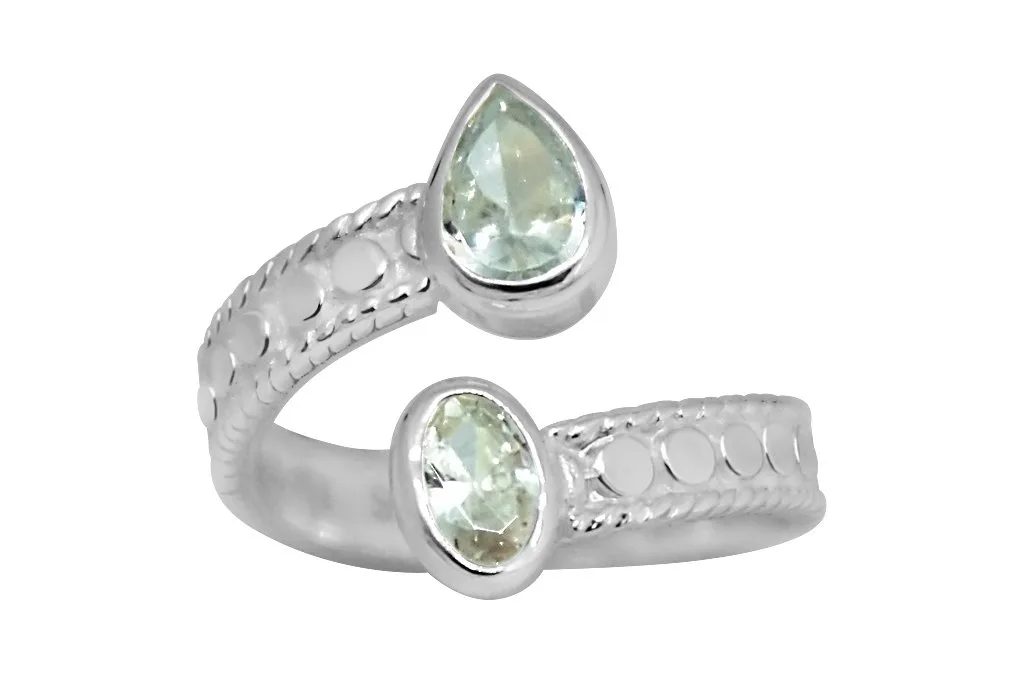
- White Silver Pisces Ring: Made of sterling silver with two cubic zirconia stones wrapping around the finger; available in multiple sizes. A sterling silver ring is the natural base for an oxidized finish, and the wrapping design puts more metal in contact with the finger, so fit and finish both affect daily comfort.
- Silver Mother of Pearl Galaxy Ring: Handmade silver ring with a real clam teardrop element; available in multiple sizes. A handmade silver piece shows that surface character is part of the design, which is the same logic behind choosing an oxidized finish deliberately.
Which finish should you choose?
Best for
- People who want an everyday ring with minimal upkeep and no finish to refresh
- Anyone building a warm-toned or gold jewelry wardrobe
- Wearers who prefer a finish that patinas gracefully rather than changing color
Not for
- Shoppers who want the darkest, most graphic look and are willing to re-oxidize
- People who prefer a ring that stays exactly the same shade for years without any maintenance
- Anyone unwilling to size up slightly on a wider wavy band
There is no universal winner between a solid gold wavy ring and a silver gravity oxidized ring. Solid gold wins on low-maintenance daily wear; oxidized silver wins on dramatic, deliberate style. Decide how much upkeep you will honestly do, then match the finish to that answer and to the jewelry you already wear most.