Quick answer
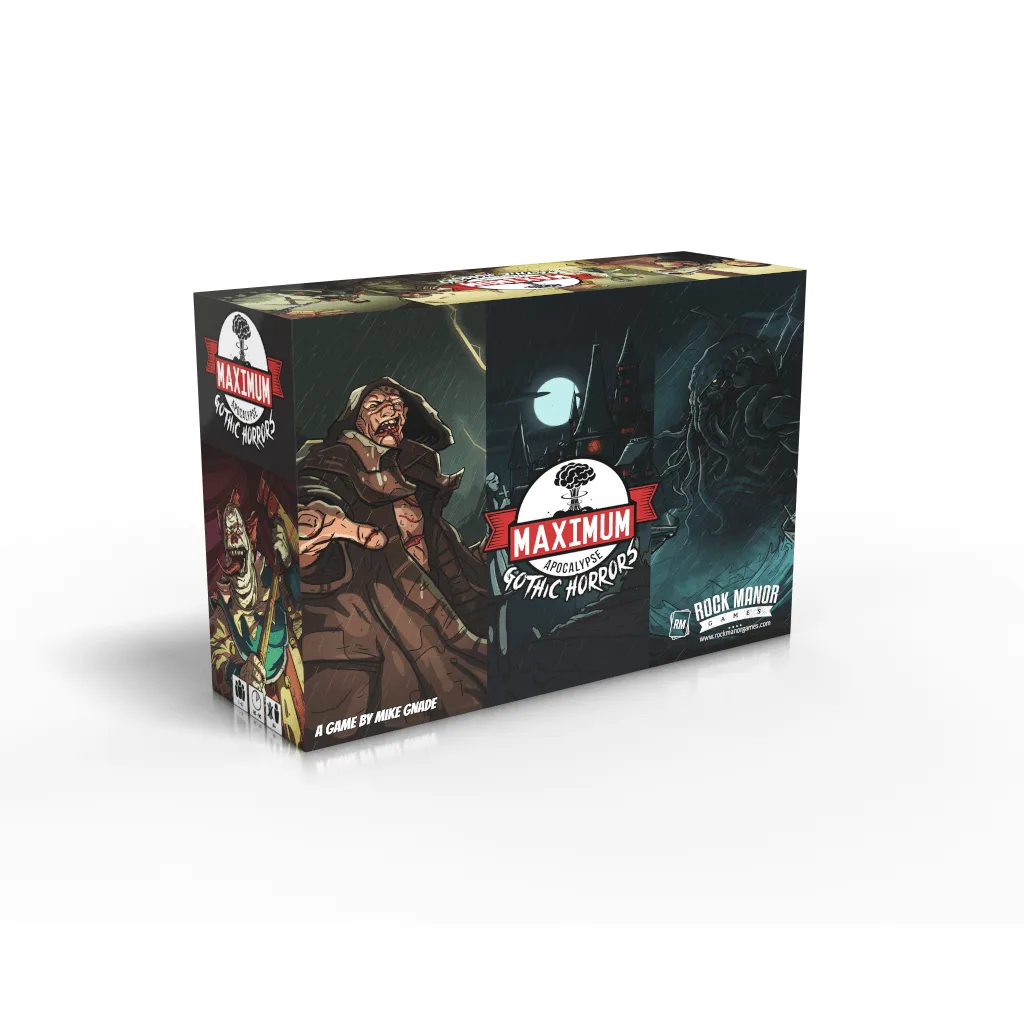
Pick a cooperative game that already works with one player, set it up somewhere you can leave it, and run the enemy turns with a simple written routine so you are not re-reading rules mid-game. For a first solo night, https://rockmanorgamesdz.com/products/maximum-apocalypse-gothic-horrors-2e-bcfbc7b847d01361ca29ecea-1730806Maximum Apocalypse: Gothic Horrors 2E or Set a Watch each give you a full co-op puzzle you can play alone. Keep the first session short and treat the rulebook as a checklist, not a test.
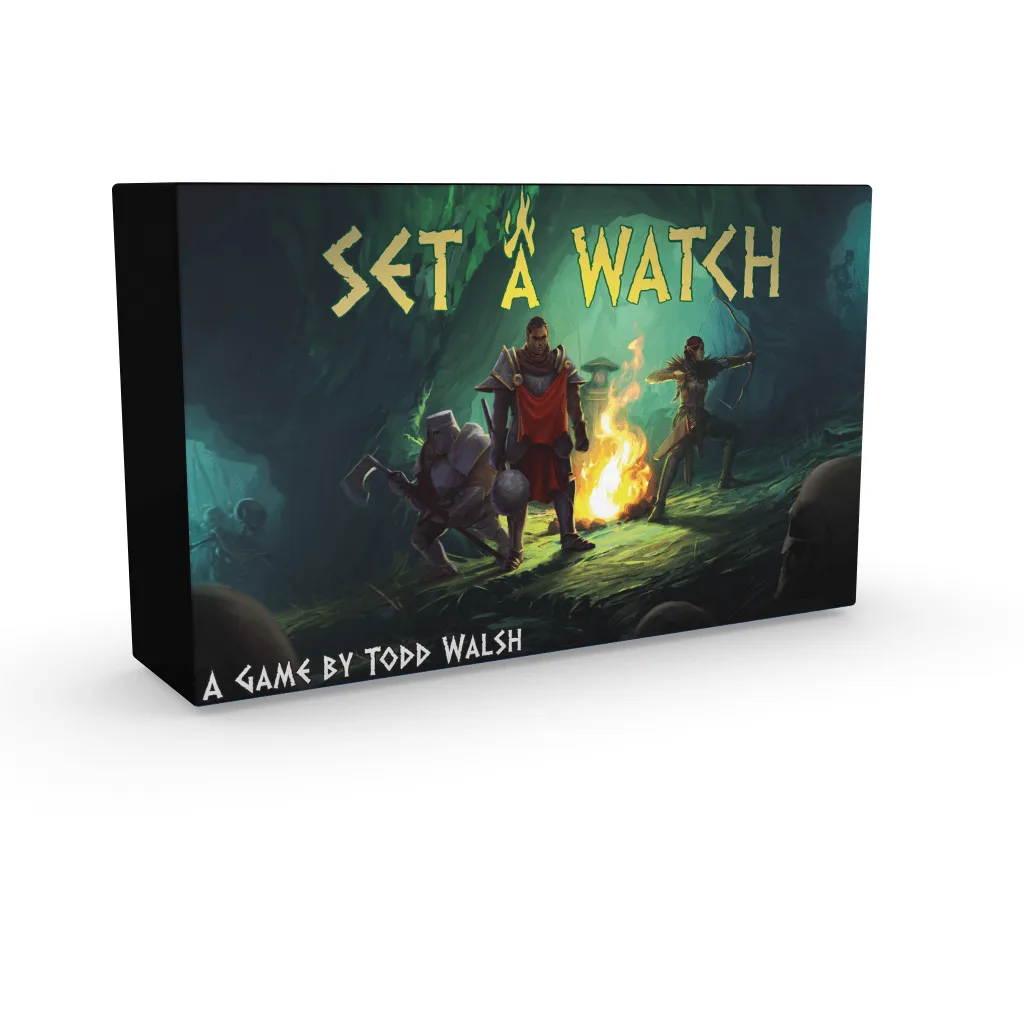
Set a Watch
Solo board gaming works best when you stop trying to replace other players and start playing a game that was built to be played alone. Cooperative titles do this naturally: the game already runs the threats, so you only need to run your own survivors. That is why a solo co-op board game is usually the easiest entry point, and why Maximum Apocalypse and Set a Watch show up so often on solo tables.
This guide walks through the setup and turn routine in order, using Rock Manor Games titles as the example. It also covers the small habits that keep a solo game night from turning into an hour of rulebook flipping.
Why co-op games make solo play easier
In a competitive game, removing the other players removes the tension. In a cooperative game, the tension comes from the scenario, the monsters, and the clock, so it survives when you are the only human at the table. You are still making the same decisions, just without waiting for someone else to take their turn.
Rock Manor Games leans into this. Maximum Apocalypse: Gothic Horrors 2E is a revised standalone game where vampires drain victims and cultists summon creatures, and the pressure comes from the world rather than from an opponent. Set a Watch is a 1-4 player cooperative puzzle adventure where you fight for the light before the evil Unhallowed consume the world in darkness. Both are designed to function with one player.
- Check the player count on the box before you buy: 1-4 means solo is supported, not an afterthought.
- Co-op games usually include rules for enemy or event turns, which is the part solo players need most.
Choose a game that fits your solo session length
Solo players often have less setup time than groups, so match the game to the evening you actually have. A puzzle adventure like Set a Watch gives you a compact, repeatable loop. A scenario-driven survival game like Maximum Apocalypse: Gothic Horrors 2E gives you a longer arc with more moving parts and more table space.
If you are new to playing alone, start with the shorter option and add complexity later. The goal of the first solo game night is to finish a session, not to master every rule.
- Under 60 minutes: pick the tighter puzzle game.
- Over 90 minutes: pick the scenario game and leave it set up between sessions.
Set up a table you can leave alone
Solo gaming loses momentum when you have to pack everything away every night. A dedicated surface, even a small one, lets you stop mid-scenario and come back. A play mat helps here because it defines where components live, so you are not rebuilding the layout from memory.
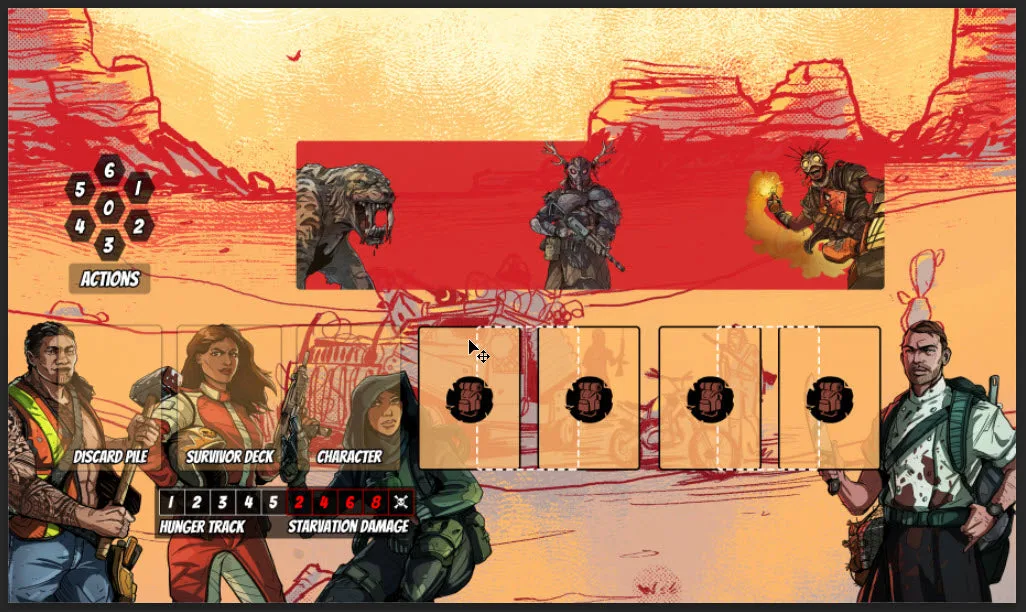
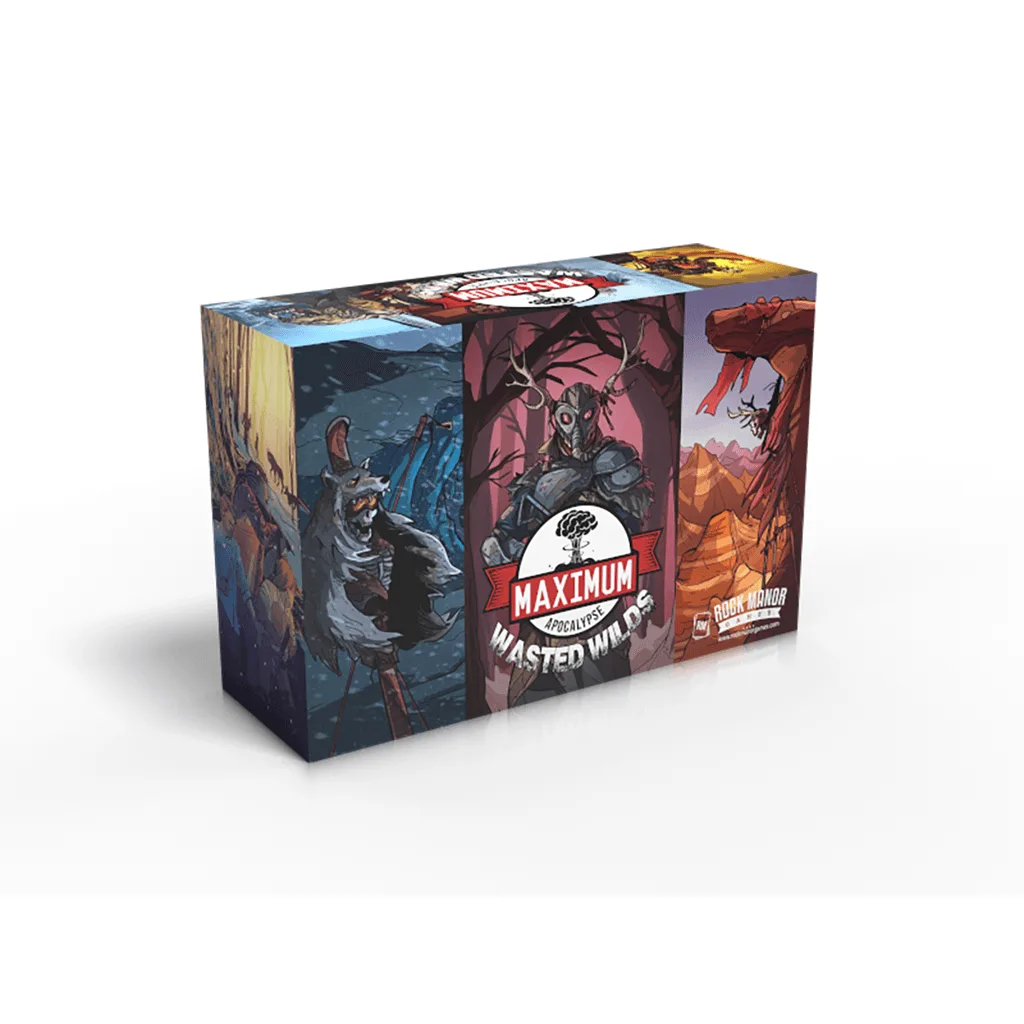
https://rockmanorgamesdz.com/products/maximum-apocalypse-wasted-wilds-play-mat-3679420f79b88ecf38ab6e79-1730722Maximum Apocalypse: Wasted Wilds Play Mat is a neoprene player mat measuring 24" x 14", part of the Maximum Apocalypse line from Rock Manor Games. It gives your components a defined play area, which matters more in solo play because no one else is there to remind you where the deck goes.
- Keep the rulebook open to the setup page until the first round is done.
- Photograph the table before you pack up if you cannot leave it out.
Run your turn, then run the game's turn
The core solo habit is separating your turn from the game's turn. Do your actions, resolve them fully, then move to the enemy or event phase and resolve that fully. Mixing the two is the most common source of mistakes in solo co-op play.
Say the phase names out loud the first few times. It sounds odd, but it keeps you from skipping the step where the game pushes back. In Maximum Apocalypse: Gothic Horrors 2E, that pushback is the point: the supernatural is real, and the burden is meant to be heavy.
- Common mistake: resolving your own actions and the enemy actions in the same mental breath.
- Checkpoint: at the end of each round, confirm the threat level or timer moved.
Handle the rules you will forget
Every solo player has two or three rules they always miss. Write them on a sticky note and keep it on the table. Typical candidates are timing windows, when a card can be played, and what happens when a character is defeated.
If a rule is genuinely unclear and the book does not settle it, make a call, write it down, and keep playing. Consistency matters more than being right in a solo session, because you are the only one affected by the ruling.
- Keep a running note of your house rulings so the next session is consistent.
- Do not stop the game to search forums mid-round; finish the round first.
Add story and progression to keep solo play interesting
The failure mode of solo gaming is repetition without narrative. Roleplaying books solve this directly because they give you scenarios and a world to build around. The Maximum Apocalypse RPG: Core Book contains rules for character creation, skills, exploration, scavenging, combat, crafting, equipment, and vehicles, and it lets you create survivors based on their occupations before the world fell.
If you want to run your own adventures rather than follow a fixed scenario, the Maximum Apocalypse RPG: Gamemaster Guide examines how to use the rules to create environments and formulate your own scenarios, and it includes several premade scenarios so you can start immediately. The Maximum Apocalypse RPG: Monster Manual adds seventy-two different monsters with brief introductions, motivations, and guidance on creating them, which is useful when you need enemies for a wasteland you are building yourself.
- Use premade scenarios first; write your own once you know the system.
- A monster list is a solo-friendly tool because it generates encounters without another player.
Your solo game night, step by step
- Step 1: Pick a 1-4 player co-op game: Confirm the box supports one player. Set a Watch is listed as a 1-4 player cooperative puzzle adventure, which makes it a safe first solo pick. Checkpoint: if the box says 2+, you are adapting the game, not playing it as designed.
- Step 2: Set up on a surface you can leave: Lay out components on a mat such as the Maximum Apocalypse: Wasted Wilds Play Mat, a 24" x 14" neoprene mat that defines the play area. Checkpoint: if you cannot leave it out, photograph the layout before packing up.
- Step 3: Read only the setup and first-round rules: Do not read the whole book before playing. Read setup, then the rules for round one, and start. Common mistake: reading every edge case first and never starting the game.
- Step 4: Play your turn, then the game's turn: Resolve your actions completely, then move to the enemy or event phase and resolve it completely. Keep the two separate. Checkpoint: confirm the threat or timer advanced before starting the next round.
- Step 5: Note the rules you keep forgetting: Write the two or three rules you always miss on a sticky note and keep it visible during play. Common mistake: re-reading the entire rulebook every session instead of tracking your own weak spots.
- Step 6: Add narrative when the puzzle feels repetitive: Move into a roleplaying framework such as the Maximum Apocalypse RPG: Core Book, which covers character creation, skills, exploration, scavenging, combat, crafting, equipment, and vehicles. Checkpoint: if you are bored by round three, the game needs story, not more rules.
- Step 7: End the session on a clean stopping point: Finish the round, record your state, and stop. Do not push into a new scenario when you are tired. Next step: leave the game set up so the next solo game night starts in minutes.
Rock Manor Games products that support solo play
- Maximum Apocalypse: Gothic Horrors 2E: A revised standalone game in the Maximum Apocalypse line where vampires drain the life of their victims and cultists summon strange creatures. The threats are driven by the game itself, so a single player can run the whole session without needing an opponent.
- Set a Watch: A 1-4 player cooperative puzzle adventure game about fighting for the light before the evil Unhallowed consume the world in darkness. The stated 1-4 player range means solo is an intended way to play, not a workaround.
- Maximum Apocalypse: Wasted Wilds Play Mat: A neoprene player mat measuring 24" x 14", part of the Maximum Apocalypse line from Rock Manor Games. A defined play area keeps component placement stable when you are the only one tracking the table.
- Maximum Apocalypse RPG: Core Book: Contains rules for character creation, skills, exploration, scavenging, combat, crafting, equipment, and vehicles. Gives solo players a full rules framework for building survivors and running their own sessions.
Solo board gaming is less about finding a substitute for other players and more about choosing games that already run themselves. Start with a 1-4 player co-op title, set up where you can leave it, and separate your turn from the game's turn. Do that, and a solo game night becomes a regular habit instead of a one-time experiment.