Quick answer
Most starting solids mistakes come from treating a messy, gradual process like a checklist. Your baby does not need a perfect first meal, a specific order of foods, or a spotless floor. What matters is a safe setup, repeated exposure to real food, and gear that lets your baby practice self-feeding without you hovering. Fix the setup and the myths stop mattering.
Why these myths stick around
Feeding advice spreads fast and rarely comes with context. A tip that worked for one baby at nine months gets repeated to a parent of a six-month-old, and suddenly it sounds like a rule. The result is a set of beliefs that feel authoritative but collapse the moment you look at what your baby is actually doing at the table.
The fix is not more rules. It is a short list of things you can control: how your baby sits, what is within reach, and how you respond when food ends up on the floor. Everything below is organized around that idea.
Build the setup before you build the menu
A stable, seated position and a surface at the right height do more for early eating than any specific first food. If your baby is slumping or reaching up to a table that is too high, they are working on posture instead of chewing. A low play table and chair sized for little ones solves this at snack time, and the same surface doubles as an art and play station between meals.
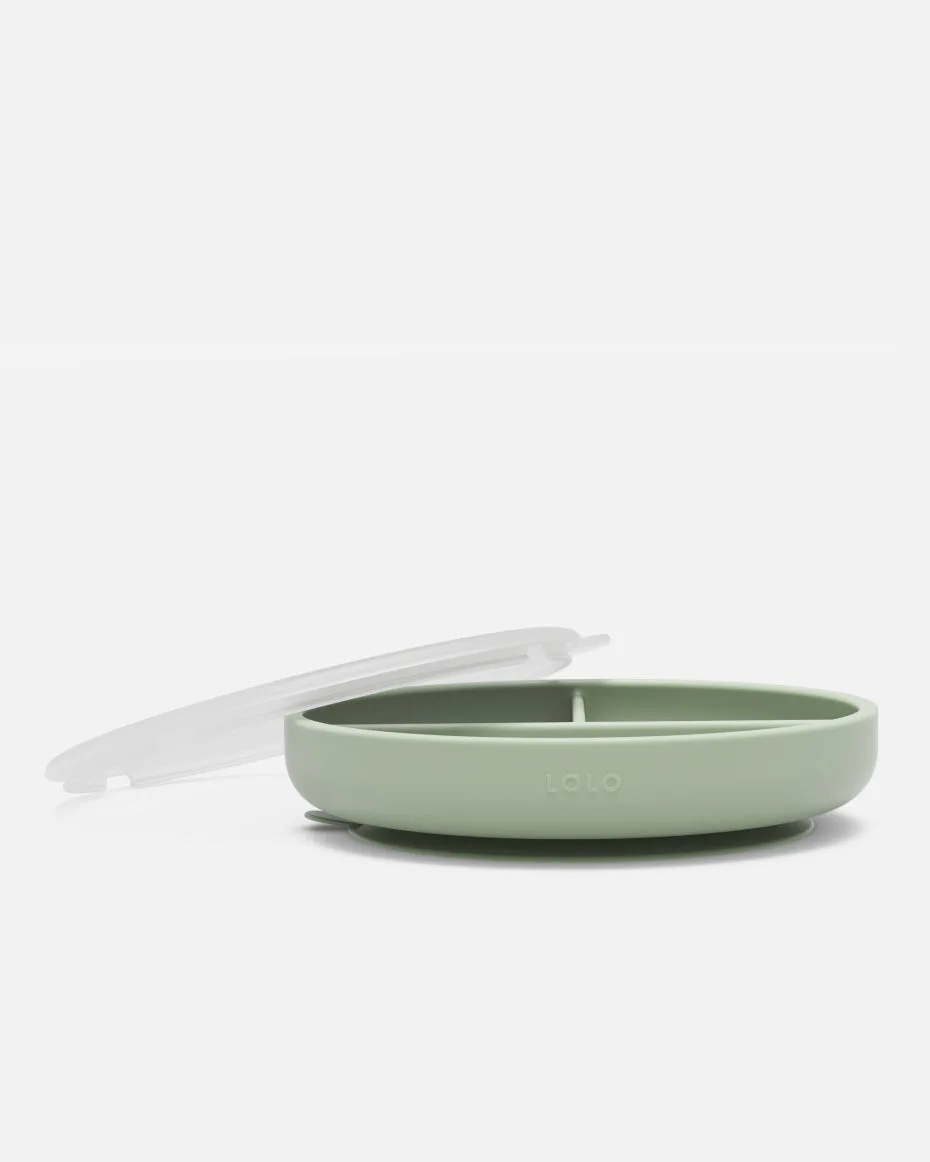
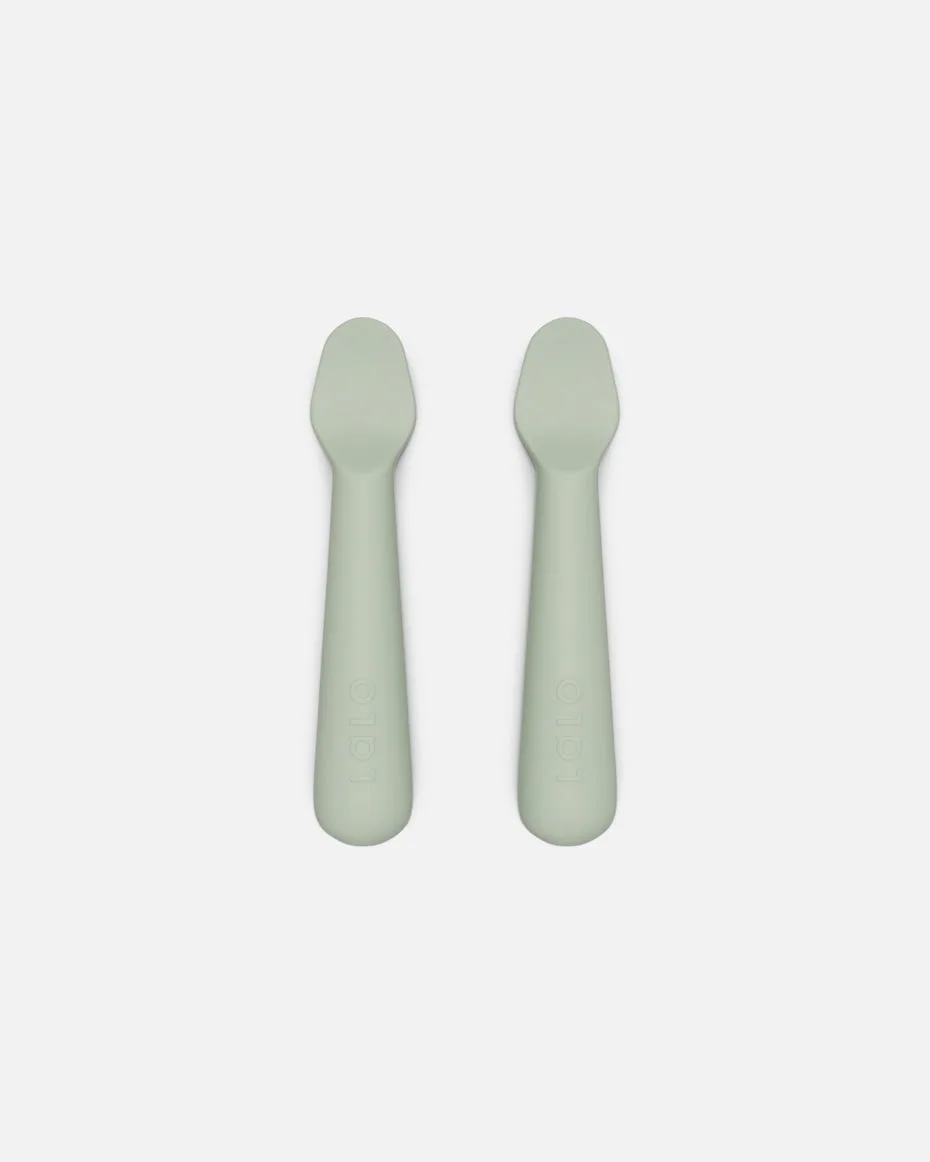
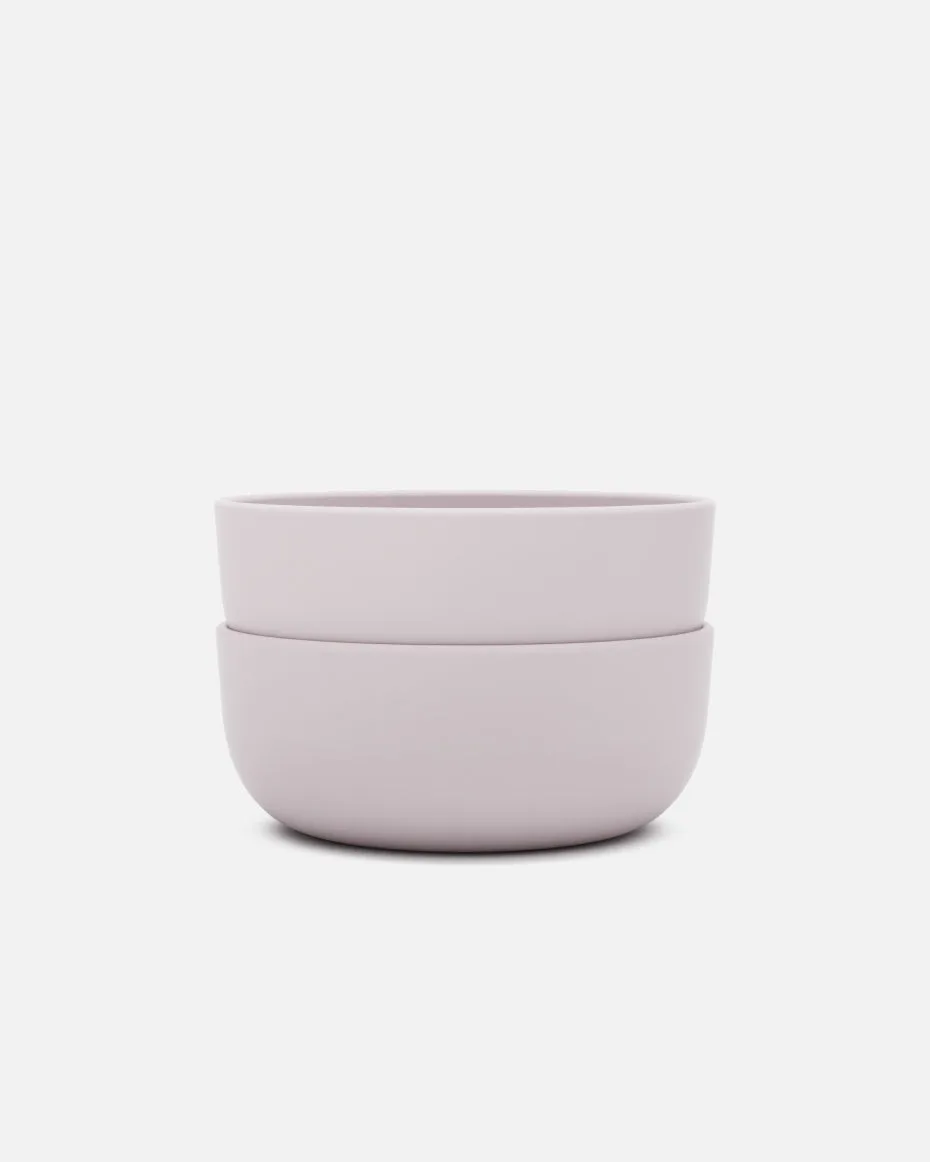
Keep the tools simple. A bowl that stays put and a spoon your baby can grip independently let them practice the hand-to-mouth loop without you holding everything in place. Two spoons are better than one: one for your baby to hold, one for you to reload.
bowl
What to do when a meal goes badly
A refused meal is information, not failure. Note the time of day, how tired your baby was, and whether a tooth is coming in. Then offer the same food again in a few days without commentary. Repeated neutral exposure is the single most useful habit you can build in the first months of eating.
If every meal is a struggle, shrink the goal. One food, five minutes, no expectation. You are teaching a skill, and skills take repetition.
Seven starting solids myths, with verdicts
- Myth: You must start with rice cereal: There is no required first food. What matters is that the food is safe for your baby's stage and that you offer it repeatedly. A soft, scoopable food your baby can self-feed works as well as anything else. Verdict: Myth. Pick a first food you can serve safely and repeat it.
- Myth: Baby-led weaning means no spoon-feeding ever: Baby-led weaning describes letting your baby self-feed, not banning utensils. Pre-loaded spoons are a normal part of the approach and help your baby practice the hand-to-mouth motion. Verdict: Myth. Pre-loaded spoons and self-feeding coexist.
- Myth: A messy meal means your baby is not learning: Mess is part of the process. Dropping, squeezing, and smearing are how babies gather information about texture and weight. A bib and a dishwasher-safe setup make the mess manageable rather than a reason to stop. Verdict: Myth. Expect mess and plan for easy cleanup.
- Myth: You should delay common allergens for months: Timing of allergen introduction is a medical question, not a parenting-style question. Ask your pediatrician for guidance specific to your baby rather than following a general online timeline. Verdict: Get personalized medical advice, not a blanket rule.
- Myth: If your baby refuses a food, they hate it: One refusal tells you almost nothing. Appetite, tiredness, and teething all change how a meal goes. Offer the same food again on another day without pressure. Verdict: Myth. Repeat exposure beats first impressions.
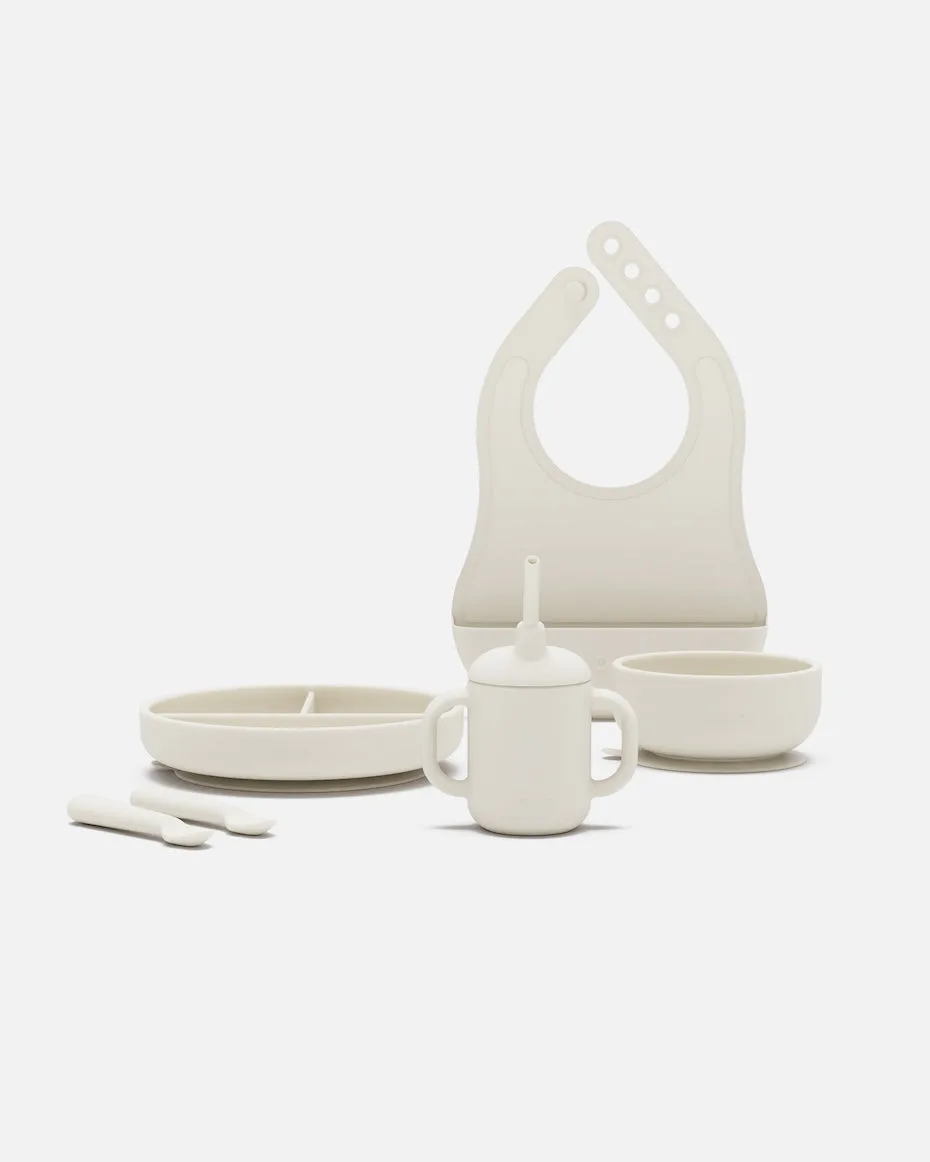
- Myth: You need a full feeding setup before the first bite: You need a stable seat, a bowl that stays put, a spoon your baby can hold, and a bib. That is the whole list. Extra gadgets can wait until you know what your baby actually struggles with. Verdict: Myth. Start with the four basics and add later.
- Myth: Starting solids is a one-time transition: It is a months-long shift from milk to meals. Skills build gradually, and the table you set up now will keep working as your child moves from purees to finger foods to snacks with company. Verdict: Myth. Plan for a season, not a single day.
Gear that supports the fixes above
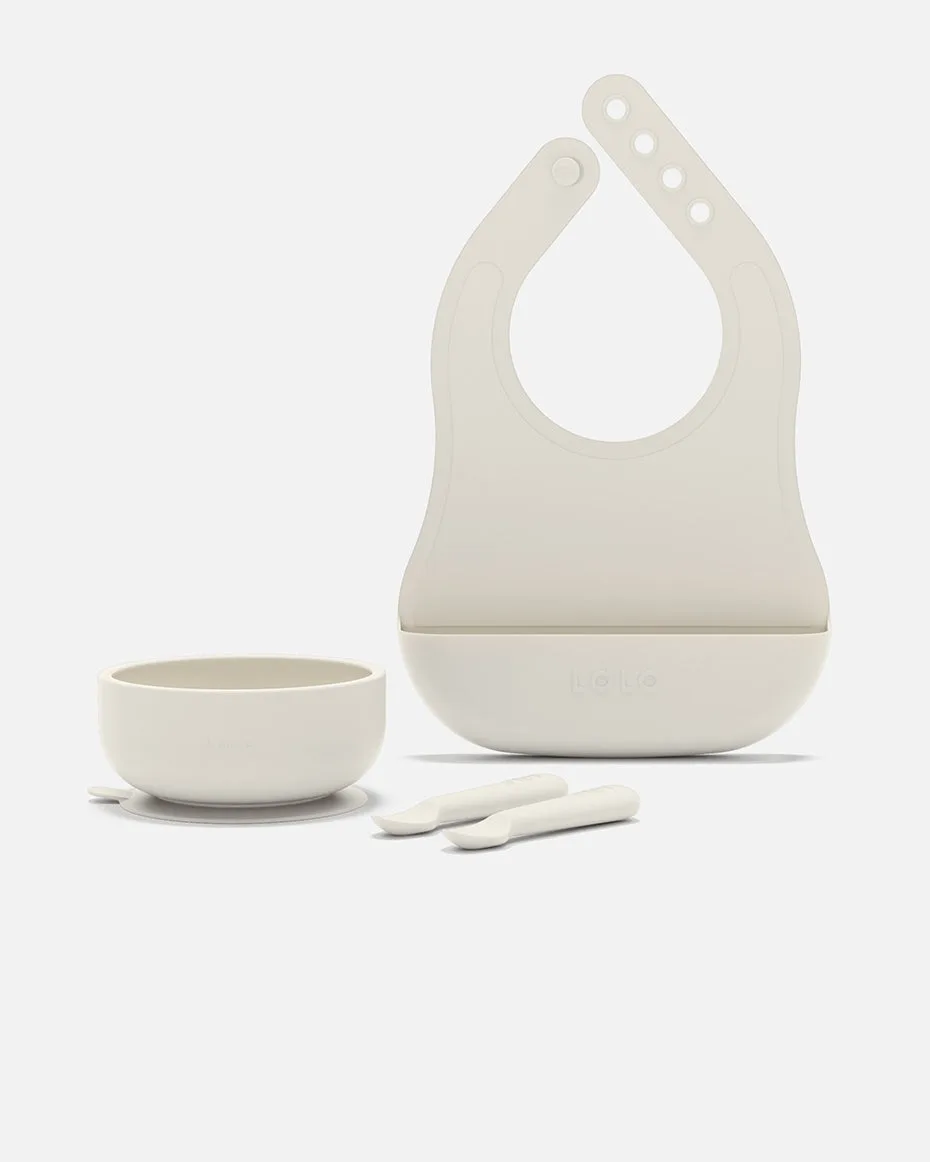
- Starting Solids Kit- 4pc Set: The Starting Solids Kit- 4pc Set includes a Suction Bowl, two Little Spoons, and a Silicone Bib, all made from soft, BPA-free silicone and dishwasher-safe. The suction base keeps the bowl in place while your baby learns to scoop, the two spoons let you reload without a tug-of-war, and the bib and dishwasher-safe silicone mean cleanup does not eat into the next meal.
- The Play Kit: The Play Kit sets up a Play Table and two Play Chairs sized for little ones to create, learn, snack, and socialize, and it assembles in minutes. A table and chair at your child's height gives them a stable seated position for snacks and self-feeding practice, and the same surface stays useful for art and play as they grow.
- Giant Coloring Sheets: Giant Coloring Sheets are sized to cover the Play Table or spread out on any surface, and each pack comes with 5 sheets with unique designs. A sheet that covers the table turns it into a mess-free art project and protects the surface between meals, so the same furniture works for eating and creating.