Quick answer
Store anime art sleeves flat, away from direct sunlight and heat, in a rigid box or binder page that holds them snug without bending. Clean them only with a dry, soft cloth; never use alcohol or water. Replace any sleeve that feels sticky, has visible scratches over the art, or no longer shuffles smoothly.
Why art sleeves wear differently than plain sleeves
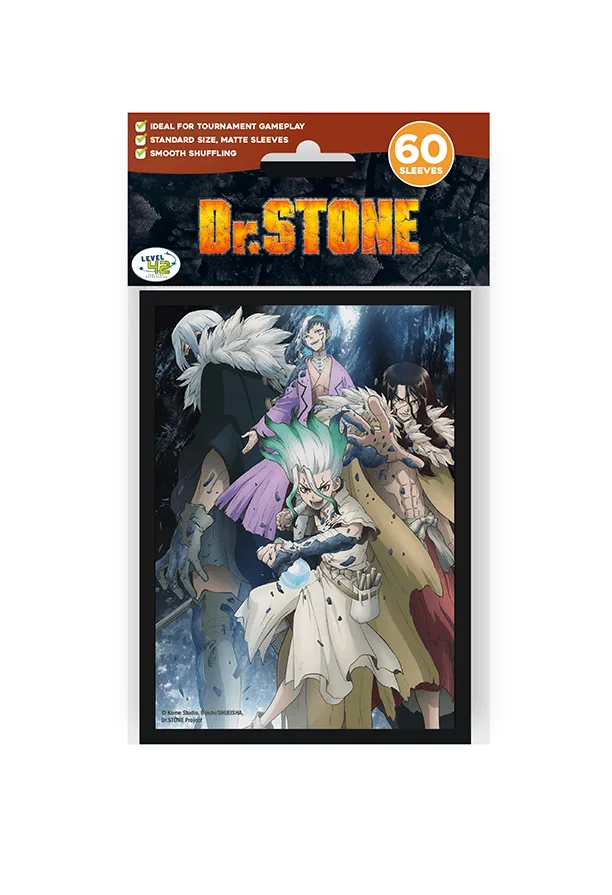
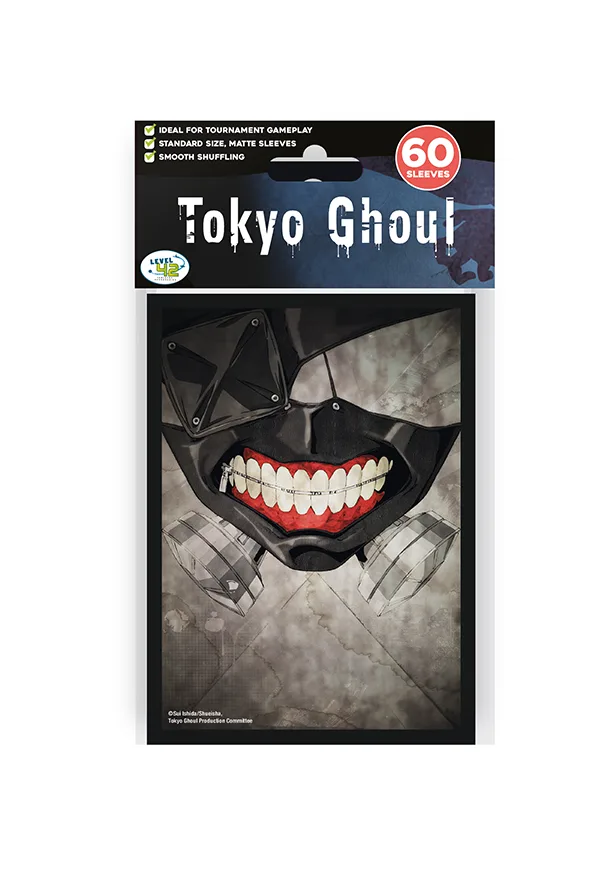
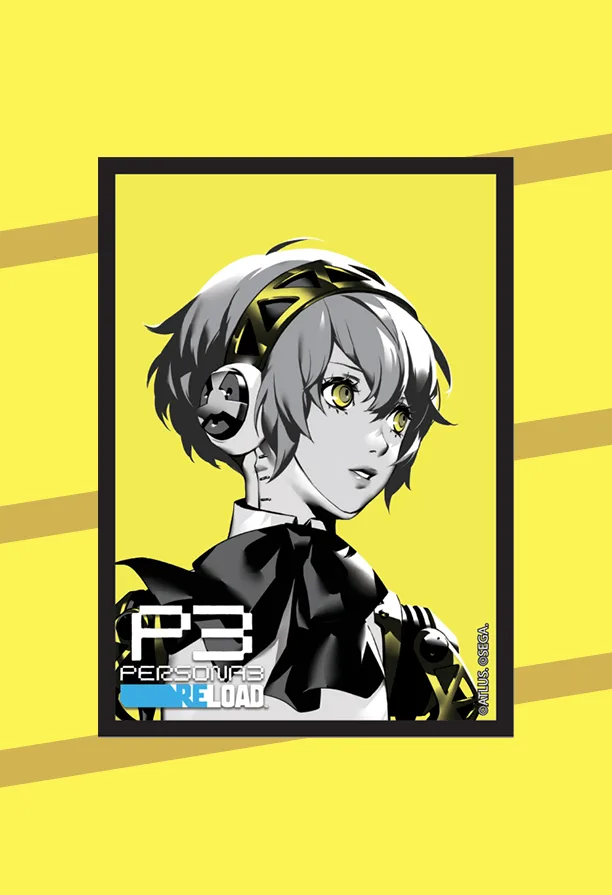
Anime art sleeves have a printed layer that can scratch or fade if it rubs against other sleeves or a rough surface. The matte finish on some premium sleeves, like the Officially Licensed Persona 3 Reload Standard Card Sleeves - Aigis, adds foil details that look great but are more sensitive to abrasion than plain clear sleeves. Standard-sized sleeves from Dr Stone and Tokyo Ghoul lines are more forgiving, but they still need protection from dirt and pressure.
Daily habits that prevent sleeve wear
Shuffle gently. Mash shuffling is fine if you do it loosely; riffle shuffling bends corners and can crack the art layer over time. When you set a deck down, avoid sliding it across rough tables. Use a playmat or a clean cloth as a base. After playing, wipe each sleeve with a dry microfiber cloth before storing. This removes skin oils and grit that cause long-term cloudiness.
Storage setups that keep art sleeves flat
For long-term storage, use a rigid cardboard box or a binder with side-loading pages. Do not overfill the box; sleeves need a little breathing room to avoid pressure marks. If you stack decks, put a divider between them so the art does not press against another sleeve's edge. Keep the box in a cool, dry place. Humidity above 60% can make sleeves feel tacky and encourage warping.
Cleaning anime art sleeves without damage
Never use water, alcohol, or household cleaners on art sleeves; they can dissolve ink or leave a haze. For light dust, use a dry, soft lens cloth. For sticky residue, try a tiny amount of distilled water on a corner of the cloth and dab, then dry immediately. If the residue remains, the sleeve is compromised. Replace it. Sleeves are cheap compared to the cards they protect.
Diagnose your sleeve problem
- Sleeves feel sticky or tacky: Likely cause: humidity or skin oils. Corrective action: wipe with a dry cloth and store with a silica gel packet. If stickiness persists after drying, replace the sleeve. Stop if the stickiness returns within a day; the sleeve surface is degrading.
- Art looks scratched or faded: Likely cause: abrasion from shuffling or sliding on rough surfaces. Corrective action: switch to a gentler shuffle and use a playmat. Replace heavily scratched sleeves to avoid distracting opponents. If more than a few sleeves show scratches, consider replacing the whole set for consistent feel.
- Sleeves are warped or curved: Likely cause: heat or uneven pressure during storage. Corrective action: lay them flat under a heavy book for a day. If they do not flatten, they may have absorbed moisture. Do not force flattened sleeves back into a tight deck; they may damage cards.
- Corners are bent or split: Likely cause: riffle shuffling or dropping the deck. Corrective action: trim the bent corner if it is small, but if the split reaches the card edge, replace the sleeve. Replace any sleeve with a split that exposes the card.
Product facts to know
- Officially Licensed Persona 3 Reload Standard Card Sleeves - Aigis: Matte finish with foil details, standard-sized, limited edition. The foil and matte surface are more prone to visible scratches, so store these in a binder rather than loose in a box.
- Sleeves - Officially Licensed Dr Stone Sleeves - Fight Team: Standard-sized, fits Magic-sized cards, 60 sleeves per pack, dimensions 92 mm by 66 mm. These fit most board game cards and are easy to replace if one wears out, making them a practical choice for frequently shuffled decks.
- Sleeves - Officially Licensed Tokyo Ghoul Sleeves - The Mask: Yu-Gi-Oh-sized, 60 sleeves per pack, dimensions 89 mm by 62 mm. The smaller size means less material to bend, but they still need flat storage to avoid curling.