Quick Answer
Start by pointing out shapes in your daily environment, then reinforce with hands-on puzzles and games. Use a mix of real objects and simple wooden puzzles to build recognition and vocabulary.
Teaching shapes to your toddler doesn't require a classroom or fancy materials. Everyday items around your home—like plates, books, and windows—offer endless opportunities to point out circles, squares, and triangles. Combining these real-world examples with hands-on puzzles helps your child connect abstract names to tangible objects.
In this guide, you'll find simple, step-by-step activities that make shape learning fun and natural. You'll also learn how puzzles can reinforce these concepts and why they're a valuable tool for developing fine motor skills and problem-solving.
Start with Shapes in Your Everyday Surroundings
Point out shapes during your normal routine. At mealtime, talk about the round plate or the square napkin. When reading a book, trace the rectangular page. When walking outside, notice the circular wheels on a stroller or the triangular roof of a house. These casual mentions build familiarity without pressure.
Use simple language: 'This is a circle' or 'Look, a square!' Repeat the names often. Toddlers learn through repetition and context. Don't quiz—just describe. Over time, your child will start to point out shapes on their own.
- Keep it playful—no formal lessons needed.
- Use a sing-song voice to keep attention.
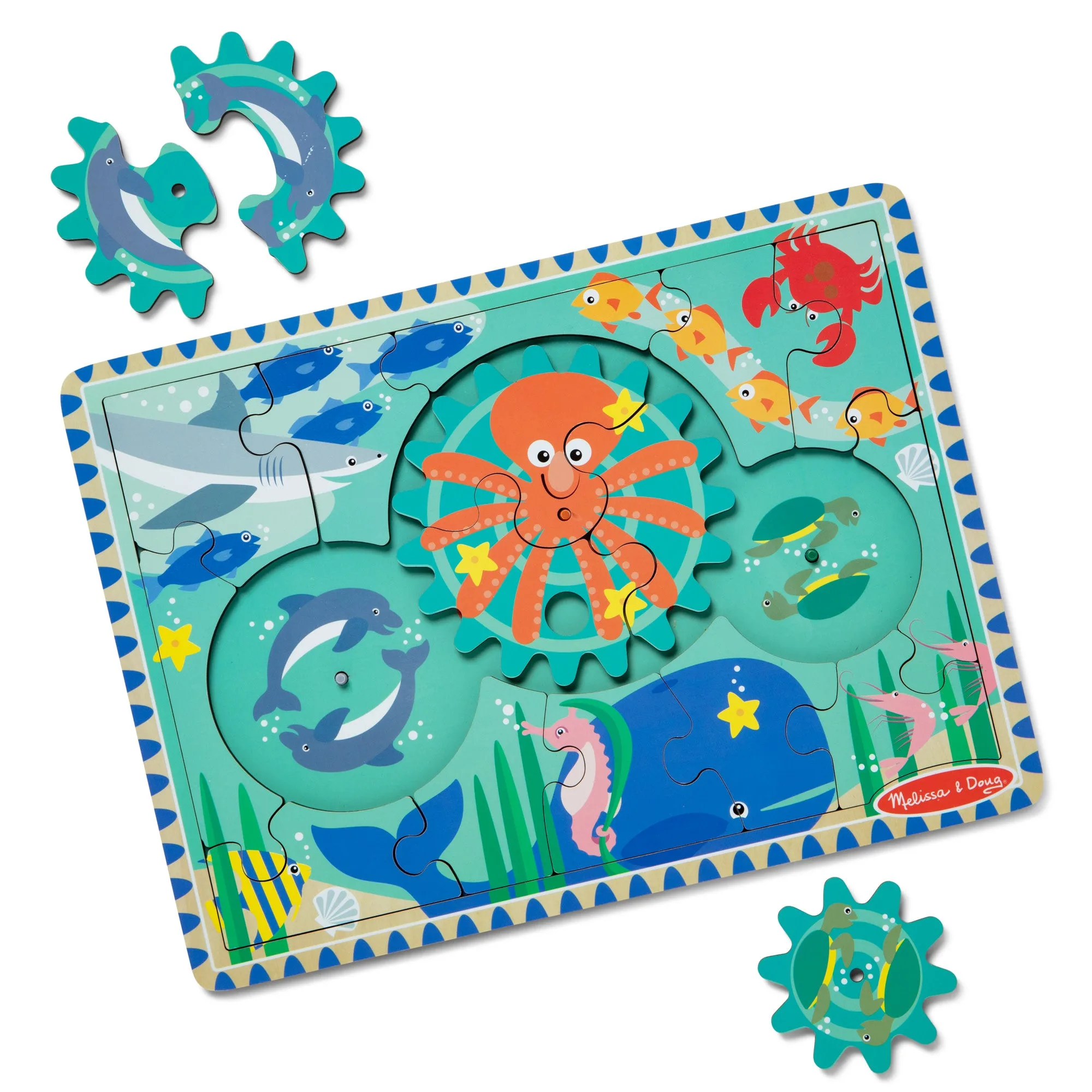
Incorporate Shape Puzzles for Hands-On Learning
Puzzles are a natural next step because they let toddlers match shapes visually and physically. A wooden peg puzzle with large, easy-to-grasp pieces is ideal. The Farm Friends Jumbo Peg Puzzle features eight thick wooden pieces with jumbo knobs, perfect for little hands. As your child places each piece, they're not only learning the shape but also practicing hand-eye coordination.
Start with puzzles that have a full-color picture underneath each piece—this provides a visual clue and builds confidence. As your child masters that, move to puzzles without clues to increase challenge.
- Choose puzzles with large knobs for easy gripping.
- Encourage your child to say the shape name as they place each piece.
Play Shape Sorting and Matching Games
Sorting games are excellent for reinforcing shape recognition. Gather a few objects of different shapes—like a ball (circle), a book (rectangle), and a sandwich (triangle). Ask your child to sort them into groups by shape. You can also cut simple shapes from cardboard and have your child match them to outlines drawn on paper.
Another idea: use shape puzzles as a matching game. Lay out the pieces and ask your child to find the circle or the square. This builds vocabulary and visual discrimination.
- Use objects with clear, distinct shapes.
- Praise effort, not just correct answers.
Use Books and Songs to Reinforce Shapes
Books that highlight shapes are a great supplement. Look for board books with bold, simple illustrations. You can also make up your own shape song to a familiar tune, like 'Twinkle, Twinkle, Little Star'—'Circle, circle, round and round, like a ball that rolls on the ground.' Music helps memory.
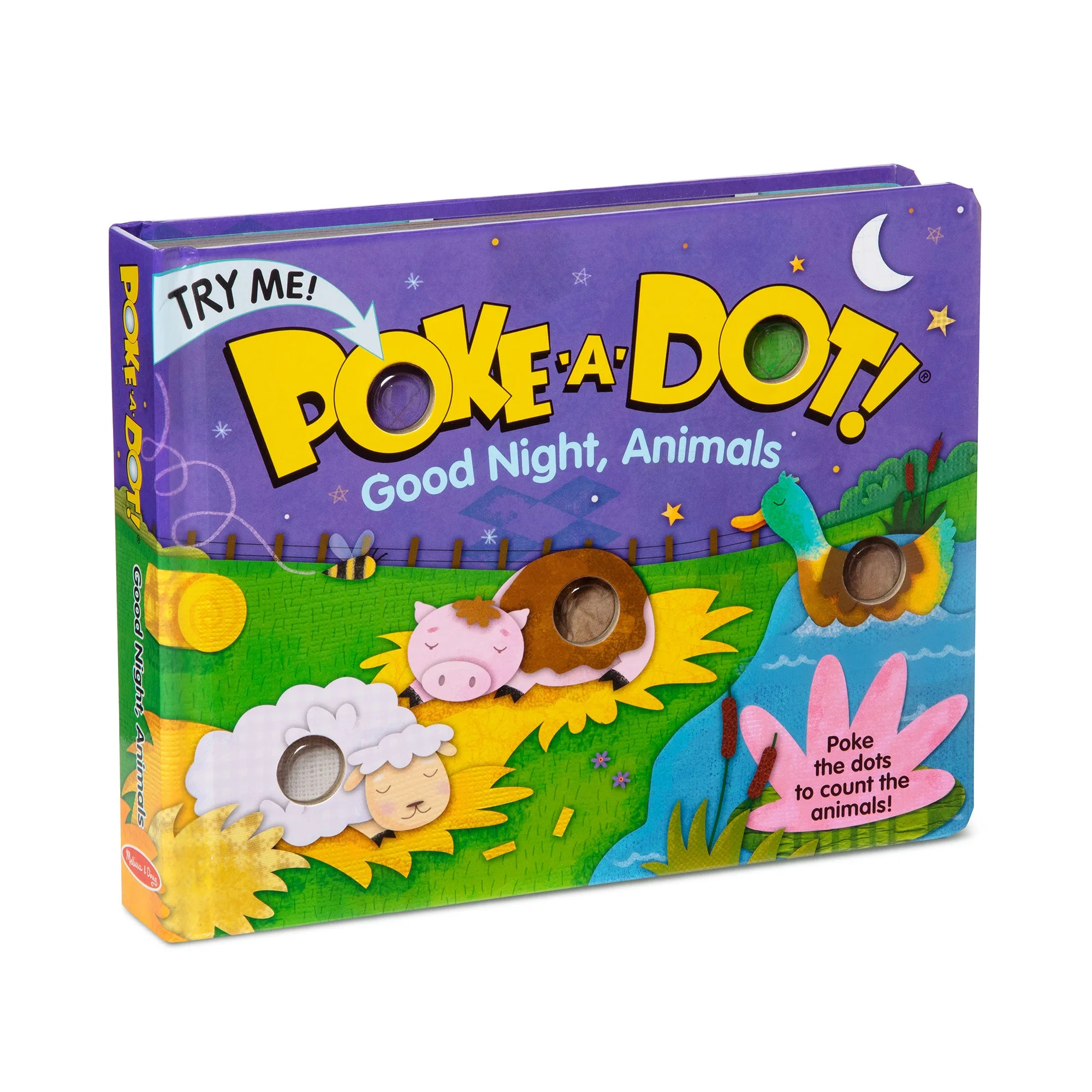
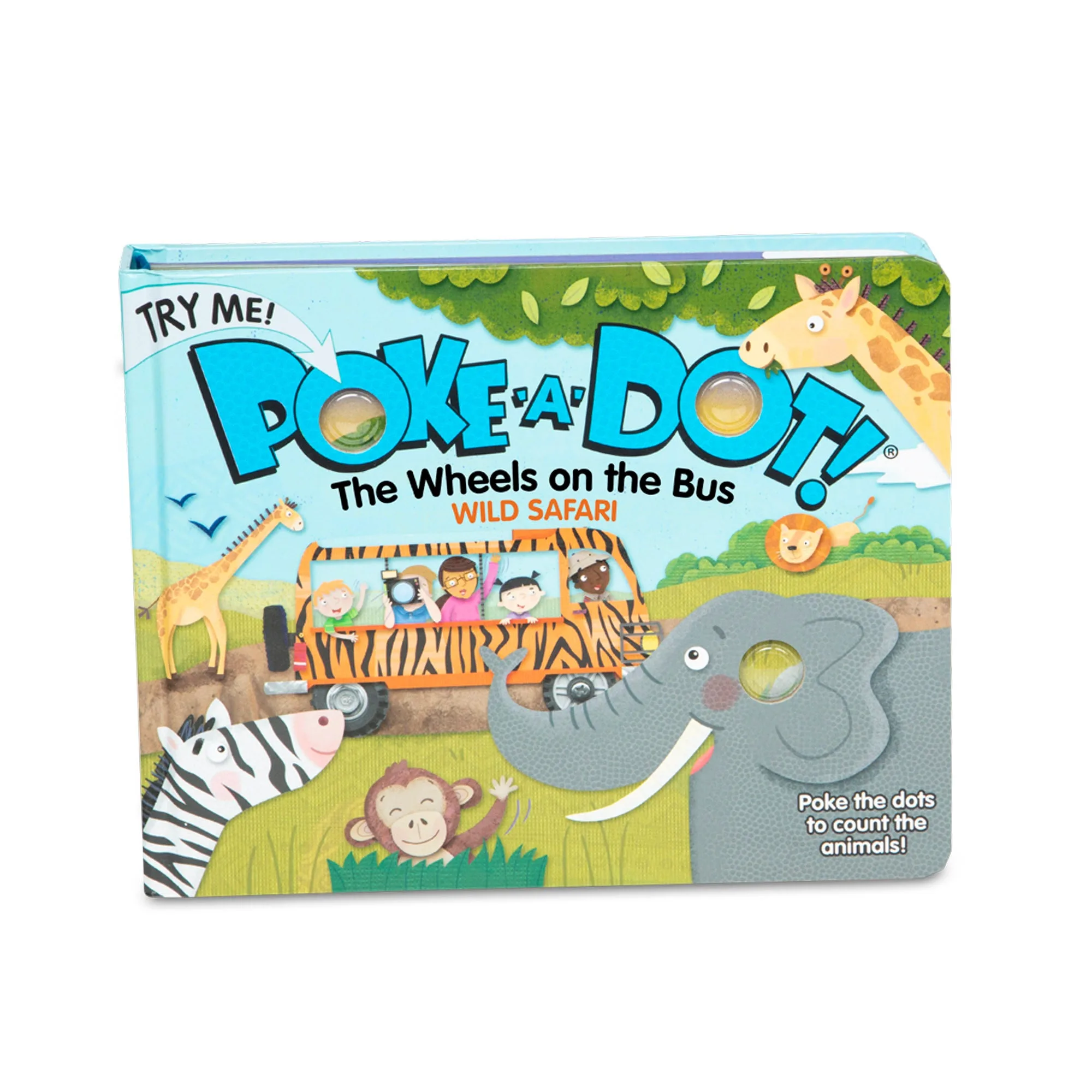
Interactive books that involve poking or touching can also engage toddlers. While not specifically about shapes, books that encourage participation build the attention span needed for learning.
- Choose books with clear, uncluttered images.
- Sing shape songs during car rides or bath time.
Make Shape Learning a Game with Movement
Toddlers learn best when they're moving. Play 'Shape Hunt' where you and your child walk around the house looking for objects of a certain shape. Or draw large shapes on the floor with chalk and have your child jump from one to another as you call out the name.
These active games turn learning into play, which is exactly how toddlers absorb new concepts. They also help burn off energy!
- Keep sessions short—five to ten minutes is plenty.
- Follow your child's lead; stop if they lose interest.
Step-by-Step Shape Teaching Plan
- Step 1: Name Shapes in Daily Life: Point out shapes during routine activities—meals, walks, playtime. Use simple, repeated language. Checkpoint: Your toddler can point to a circle when asked.
- Step 2: Introduce a Shape Puzzle: Choose a sturdy wooden puzzle with large knobs. Let your child explore freely at first, then guide them to match pieces. Checkpoint: Your child can place at least one piece correctly.
- Step 3: Play Sorting and Matching Games: Use household objects and puzzle pieces to sort by shape. Encourage your child to name the shapes as they play. Checkpoint: Your child can sort two different shapes into separate piles.
- Step 4: Reinforce with Books and Songs: Read shape-themed books and sing shape songs to reinforce vocabulary in a fun way. Checkpoint: Your child can name at least two shapes when asked.
- Step 5: Add Movement Games: Play active games like shape hunt or shape jumping to keep learning physical and fun. Checkpoint: Your child can identify shapes in their environment during play.
Puzzles That Help Teach Shapes
- Farm Friends Jumbo Peg Puzzle - 8 Pieces: The Melissa & Doug Deluxe Jumbo Knob Puzzle features farm friends that are brightly colored and feature bold outlines. Each puzzle piece is constructed of extra thick, durable wood, and features a jumbo wooden knob so little ones can easily grasp each shape. The jumbo knobs and thick pieces make it easy for toddlers to grasp and place, building fine motor skills while they learn to match shapes to the pictures underneath.
- Nursery Rhymes 1 Sound Puzzle - 6 PIeces: Sing along with favorite childhood characters like The Itsy Bitsy Spider and the Farmer in the Dell with this unique wooden peg song puzzle! Match the six illustrated wooden puzzle pieces to the pictures in the beautifully carved wooden puzzle board to hear six different nursery rhymes. This puzzle adds an audio reward that keeps toddlers engaged, reinforcing shape matching through sound and song—a fun twist on traditional shape puzzles.
Teaching shapes to your toddler can be a joyful part of your daily routine. By using everyday objects and engaging puzzles, you create a rich learning environment that supports cognitive and motor development. Remember to keep it playful, patient, and positive—your child will be recognizing shapes in no time.