Quick answer
Choose a one-piece silicone teether ring set with varied textures, wash it before first use and after every drop, and inspect it weekly for tears or stickiness. Replace any teether that changes texture, and never attach it with a cord longer than 8 inches.
What to look for in a safe silicone teether
A safe teether is one piece with no detachable parts, no liquid filling, and no small caps that can pop off. Silicone is a good default because it is soft, won't splinter like wood, and can be washed thoroughly. Look for a ring large enough that a baby cannot push the whole thing past their lips, and textured surfaces that give gums something to work on without being so sharp they scrape.
- One-piece design: no seams, plugs, or rattles that can break loose.
- Food-grade silicone: flexible, odorless, and tolerant of repeated washing.
- Varied textures: bumps, ridges, and smooth areas let a baby choose what feels best.
- Right size: big enough to hold, too big to swallow.
How to clean silicone teethers (and how often)
Wash teethers before the first use and after every outing or drop. Warm water with a little mild dish soap is enough for daily cleaning; use a bottle brush to get into ridges and a soft cloth for smooth surfaces. Rinse thoroughly so no soap residue remains, then air-dry on a clean rack. For a deeper clean, most silicone teethers can go on the top rack of a dishwasher, but check the manufacturer's instructions first because some designs are hand-wash only. If your baby is sick, clean teethers more often and keep a separate clean one in a sealed bag.
- Daily: warm soapy water, rinse well, air-dry.
- Weekly: inspect for wear while washing.
- After illness: wash all teethers and any storage pouches.
- Never: leave teethers soaking in standing water or use harsh chemicals.
Common mistakes that shorten a teether's life
Two habits cause most teether problems: chewing after food without washing, and storing damp teethers in a closed container. Food residue feeds bacteria, and trapped moisture can make silicone smell sour or feel slimy. Another mistake is using a teether as a bath toy or leaving it in direct sun for hours, which can degrade the material. Finally, don't clip a teether to clothing with a long cord or ribbon; use a short, purpose-made strap or none at all.
- Don't skip the post-meal wash.
- Don't store wet teethers in a sealed bag.
- Don't leave silicone in prolonged direct sun or heat.
- Don't use makeshift cords or strings.
Your step-by-step teether care routine
- 1. Wash before first use: Rinse the new teether in warm water with a drop of mild dish soap, then air-dry completely. This removes any manufacturing residue. Checkpoint: the teether should look and smell clean, with no film.
- 2. Offer one ring at a time: Give your baby a single teether and watch how they hold it. If they prefer a certain texture, note it and rotate that one in more often. Mistake to avoid: offering several at once can overwhelm a baby and make it harder to track which ones need washing.
- 3. Clean after every drop or meal: Wash with warm soapy water, scrubbing ridges with a bottle brush. Rinse well and air-dry on a clean rack. Checkpoint: no soap residue or food bits left in the crevices.
- 4. Do a weekly wear check: Hold the teether up to the light and stretch it gently. Look for tears, cracks, cloudiness, or a sticky feel. If you see any of these signs, replace the teether immediately.
- 5. Store dry and separate: Once fully dry, keep teethers in a clean, breathable pouch or container. Don't seal them while damp. Mistake to avoid: tossing a wet teether into a diaper bag where it stays damp for hours.
Teethers in the LOULOU LOLLIPOP range
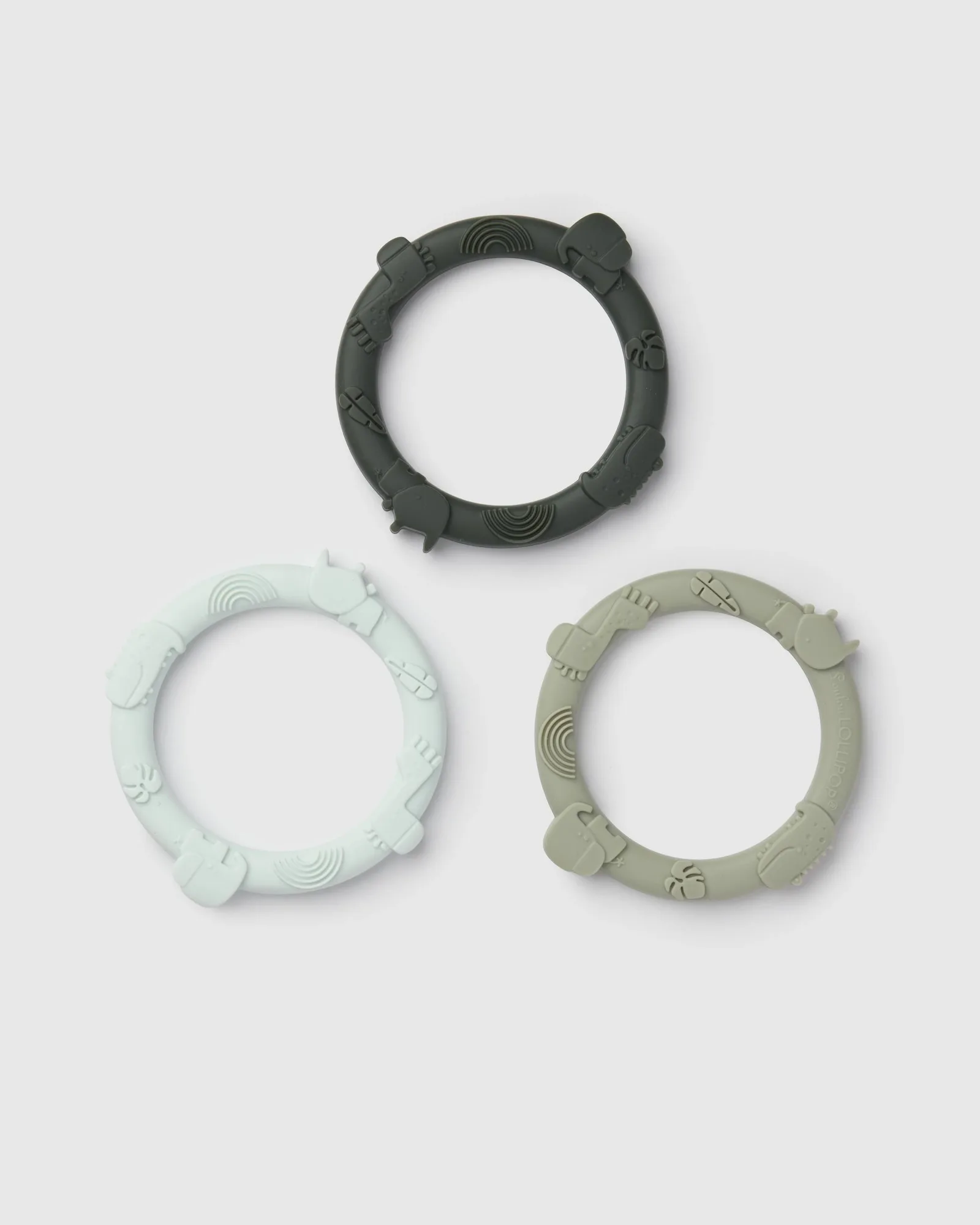
- Wild Teether Ring Set - Sage Green: The Wild Teether Ring Set in Sage Green is a group of one-piece silicone rings, each textured a little differently so a baby can find the surface that feels best on a given day. Having several rings means one can be clean and ready while another is drying, and the varied textures let you rotate based on which spot is sore.
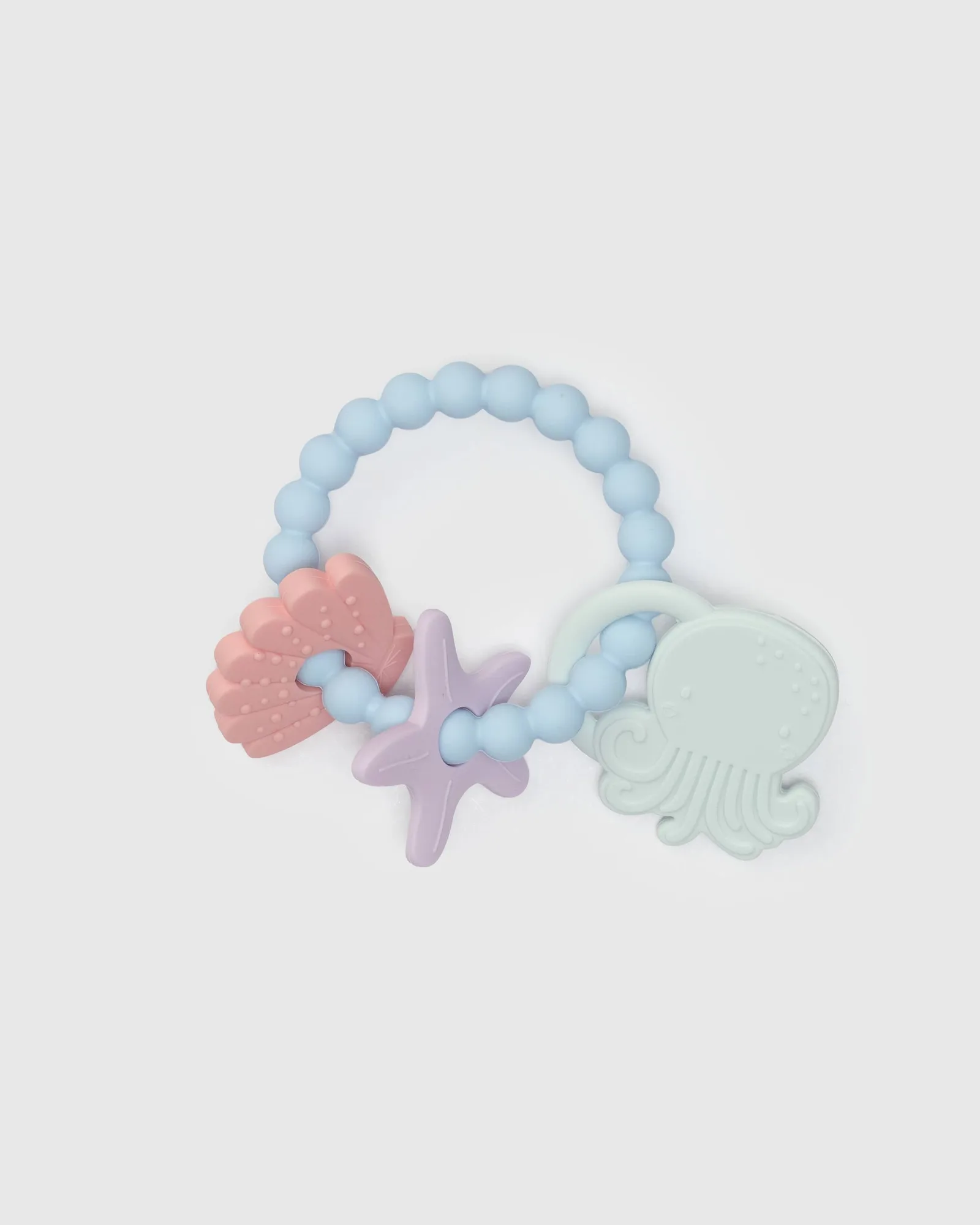
- Teething Charms - Skylar Shell: The Teething Charms - Skylar Shell is three silicone textures on a soft beaded ring — bumps, ridges, and a smooth surface — and can hook over a bag strap, stroller bar, or high-chair frame. The hook keeps the teether off the ground during outings, so it stays cleaner between washes and is easier to find.
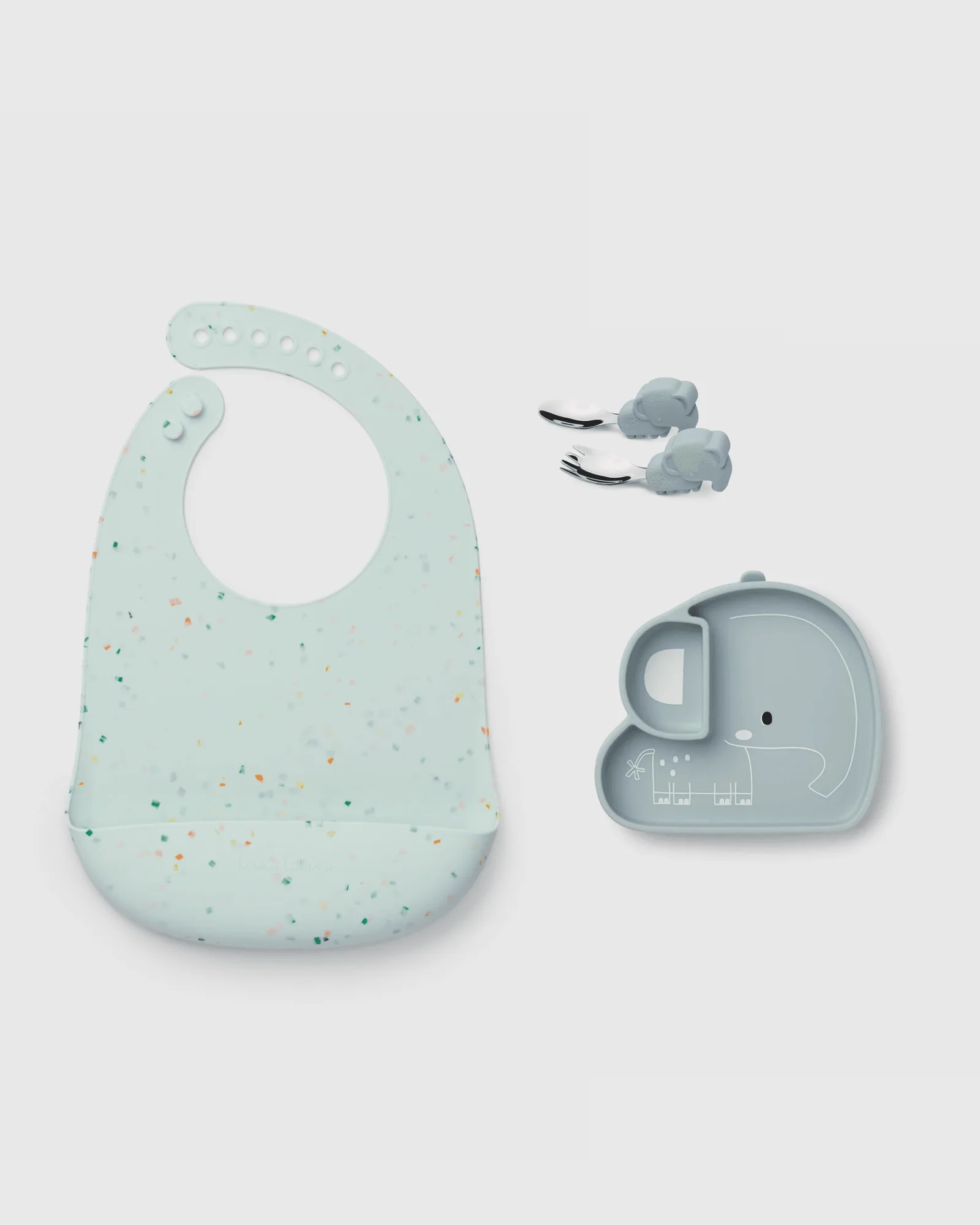
- Baby Learning & Feeding Bundle - Elephant: The Baby Learning & Feeding Bundle - Elephant includes a suction plate, silicone bib, and learning utensils in one coordinated set. If you are already washing feeding gear, adding a dedicated teether to the same routine makes it easier to remember to clean it after meals.