Quick answer
To play The Night Cage, set up the starting tile and place your candle miniatures on it. On each turn, you may move, explore by drawing and placing a tile, or use your candle's special ability. Work together to find keys and reach the gate before the darkness consumes your light. Winning requires careful tile placement and resource management.
The Night Cage
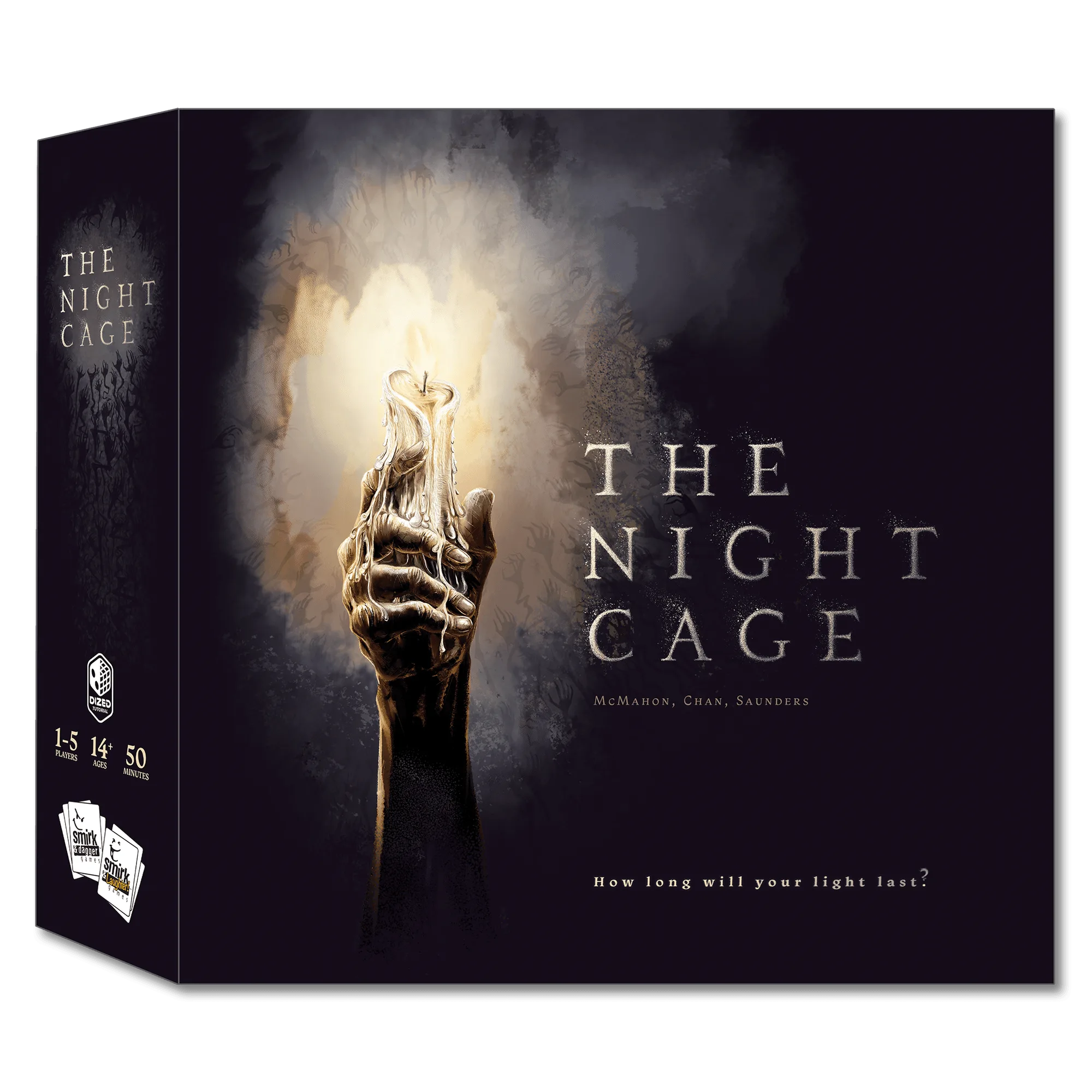
The Night Cage drops you and up to three friends into an otherworldly labyrinth of eternal darkness. Each player is a lost soul holding only a flickering candle. The tile-laying board grows as you explore, but so does the threat. This beginner guide walks you through setup, the core rules, and the strategies that keep your group alive.
If you have never played a cooperative horror tile-laying game, the first session can feel tense and confusing. The rulebook is compact, but the emergent gameplay comes from how tiles connect and how you manage your candle's light. Below, you will find a step-by-step process to get started, plus common mistakes that trip up new players.
What You Need Before You Start
The Night Cage supports one to four players and plays in about 40 to 60 minutes. You will need the base game, which includes prisoner miniatures, candle tokens, a starting tile, a stack of labyrinth tiles, key tokens, and the gate tile. No expansion is required for your first game, though The Night Cage: Shrieking Hollow Expansion adds new threats and a fifth player once you are comfortable.
The Night Cage: Shrieking Hollow Expansion
Clear a table with enough room to spread out the growing tile map. Because tiles are placed as you explore, the play area can expand quickly. A dedicated game mat or a large tablecloth helps keep tiles from sliding. Have a bowl for discarded tiles and a spot for the key and gate tokens within reach of all players.
- Check that all 62 labyrinth tiles are present before your first play; missing tiles can break the game.
- Keep the rulebook handy for reference on candle abilities and tile placement restrictions.
Step-by-Step Setup
Place the starting tile in the center of the table. This tile shows four exits, one on each side. Shuffle the labyrinth tiles and place them face down within reach. Put the gate tile aside for now; it enters play only after all keys are collected. Each player chooses a prisoner miniature and takes a matching candle card that lists their special ability.
Give each player a candle token to track their light. The candle starts at full brightness. Place the key tokens near the starting tile—you will need to find them as you explore. The number of keys required depends on player count: one key per player. For a solo game, you need only one key. Finally, place the gate tile face down near the play area; it will be revealed once all keys are found.
- Do not shuffle the gate tile into the labyrinth deck; it is placed separately.
- For your first game, use the recommended starting prisoner abilities to reduce complexity.
How a Turn Works
On your turn, you must move your prisoner miniature to an adjacent tile. You may move through tiles that are already placed. After moving, you may take one of two actions: explore or use your candle ability. To explore, draw the top tile from the labyrinth deck and place it adjacent to your current tile, matching the exits. If the tile cannot be placed legally, discard it and draw again until you can place one or the deck runs out.
Your candle ability is unique to your prisoner. Some let you move extra spaces, some reveal tiles, and others protect you from the dark. After your action, your candle burns down one level. If your candle reaches zero, you are lost in the dark and removed from the game. The game ends when all players escape through the gate or when all players are lost.
- You cannot explore if you did not move first; movement is mandatory.
- Candle abilities are powerful but limited; track your light level carefully.
The Goal: Find Keys and Escape
Your objective is to collect one key per player and then reach the gate. Keys are hidden in the labyrinth. When you explore and place a tile that shows a key symbol, you may pick up a key token if you are on that tile. Keys are not automatically collected; you must be on the tile to take one. Once all keys are collected, flip the gate tile face up and place it adjacent to any tile on the edge of the map. Then all players must reach the gate to win.
The gate tile has specific exit requirements. You must place it so that its exits match the adjacent tile. Once placed, any player on the gate tile can escape by spending one movement. All players must escape to win; if even one player is lost, the game is lost for everyone. This cooperative win condition means you must balance exploration with keeping everyone's candle lit.
- Do not split up too far; staying within one or two tiles of each other makes key collection faster.
- If a player's candle is low, prioritize moving toward them to help.
Common Mistakes and How to Avoid Them
New players often treat The Night Cage like a competitive game and race ahead. That is a mistake. The darkness punishes separation. If you explore too far from your team, you may draw tiles that cut off your path back. Always keep at least one route open to your fellow prisoners. Another frequent error is ignoring candle abilities until it is too late. Use them early to reveal tiles or gain extra movement; they are not saved for a rainy day because your candle burns down every turn anyway.
A third mistake is placing tiles without considering future exits. Each tile has specific exit directions. If you place a tile that only connects back the way you came, you create a dead end. Try to place tiles that open new directions and keep the map interconnected. Finally, do not forget that you can discard tiles you cannot place. If you draw a tile that does not fit, discard it and draw again. Do not force a bad placement.
- Never explore alone if you can avoid it; pair up when possible.
- Use candle abilities proactively, not reactively.
- Think two moves ahead when placing tiles to avoid dead ends.
Your First Game: Step-by-Step Checklist
- Set up the starting tile and shuffle the labyrinth deck: Place the starting tile in the center. Shuffle all labyrinth tiles face down. Put the gate tile aside. Give each player a prisoner miniature, candle card, and candle token at full light. Checkpoint: All players have their candle at level 3 (full).
- Take your first turn: move, then explore or use ability: On your turn, move to an adjacent tile. Then choose to explore (draw and place a tile) or use your candle ability. After acting, reduce your candle by one level. Common mistake: Forgetting to burn your candle down after your turn.
- Collect keys by landing on key tiles: When you place a tile with a key symbol, you may pick up a key if you are on that tile. You need one key per player. Announce when you have a key so teammates know. Checkpoint: Keep collected keys visible to all players.
- Place the gate once all keys are found: After collecting all required keys, flip the gate tile face up and place it adjacent to any edge tile, matching exits. Then all players must reach the gate and spend one movement to escape. Common mistake: Placing the gate in a corner that is hard to reach; place it near the group if possible.
- Escape together to win: Every player must reach the gate and escape. If any player's candle reaches zero, they are lost and the game ends in defeat. Coordinate your final moves so everyone escapes on the same round if possible. Verdict: Winning requires teamwork and light management, not individual heroics.
Product Facts
- The Night Cage: The Night Cage is a fully cooperative, horror-themed, tile-placement game that traps 1 to 4 lost souls within an otherworldly labyrinth of eternal darkness. This means you can play solo or with up to three friends, and the game is designed for teamwork rather than competition.
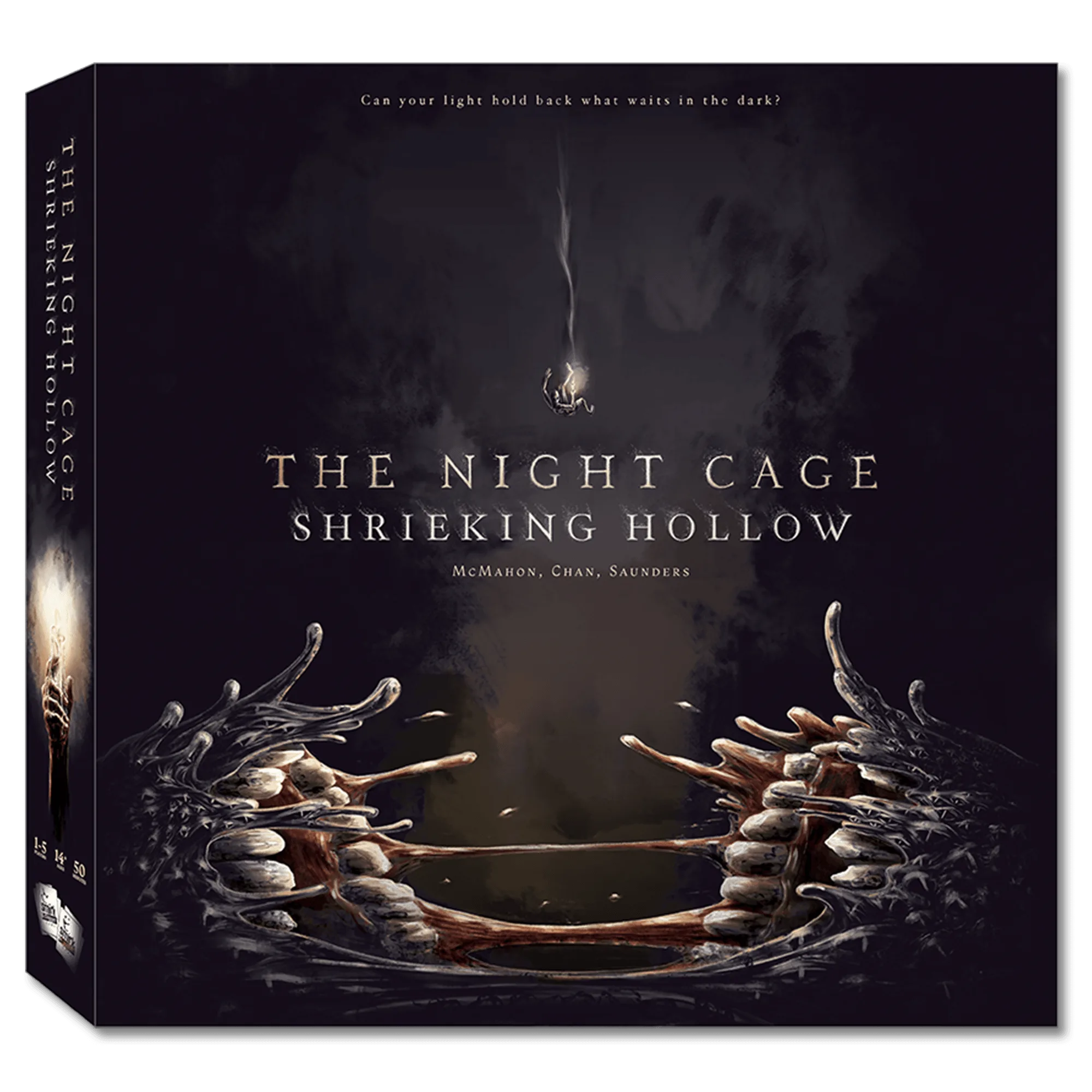
- The Night Cage: Shrieking Hollow Expansion: Shrieking Hollow is an expansion to the cooperative, horror-themed tile placement game, The Night Cage. 1-5 lost souls still wander the otherworldly labyrinth of eternal darkness, but the expansion adds a new threat and a new space to explore. Once you have mastered the base game, this expansion lets you add a fifth player and introduces new challenges to keep the horror fresh.
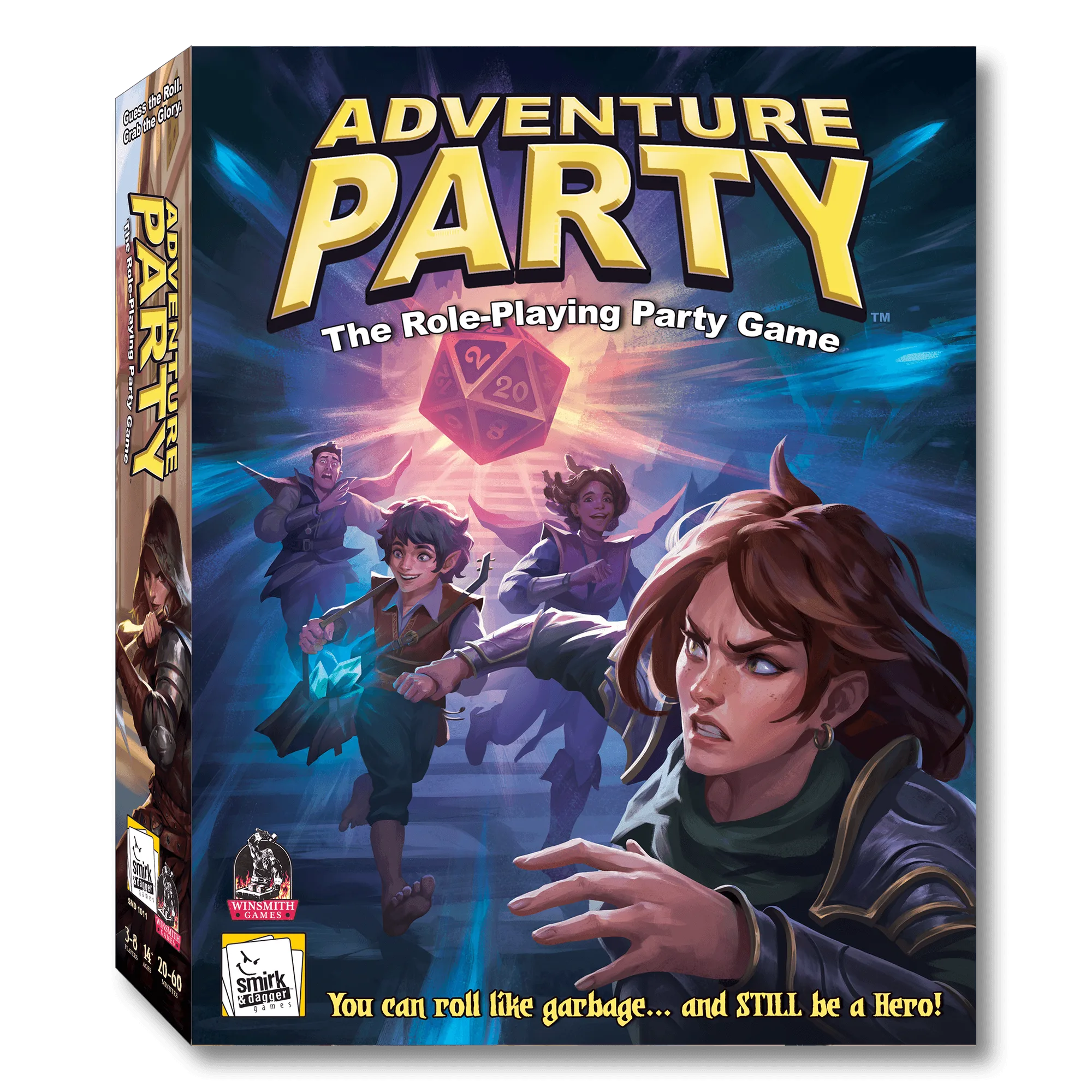
- Adventure Party: The Role-Playing Party Game: A cooperative, party-weight, guessing game that delivers a robust role-playing experience. If you enjoy cooperative games like The Night Cage but want a lighter, party-friendly option, this offers a similar teamwork vibe with less tension.
The Night Cage rewards careful planning and cooperation. With this beginner guide, you can set up quickly, avoid common pitfalls, and give your group a real chance at escaping the darkness. Remember: stay together, use your candle abilities, and keep the map connected. For more atmospheric horror, consider The Night Cage: Shrieking Hollow Expansion once you have won a few games.