Quick answer
Choose Devious if you want a tight, sabotage-driven card game where your opponent literally controls what you play. Choose Trickarus if your group prefers open table talk, shared deduction, and a game that scales beyond a duel. Both reward reading people, but Devious is a knife fight for two, while Trickarus is a debate for a crowd.
Trickarus
How each game creates uncertainty
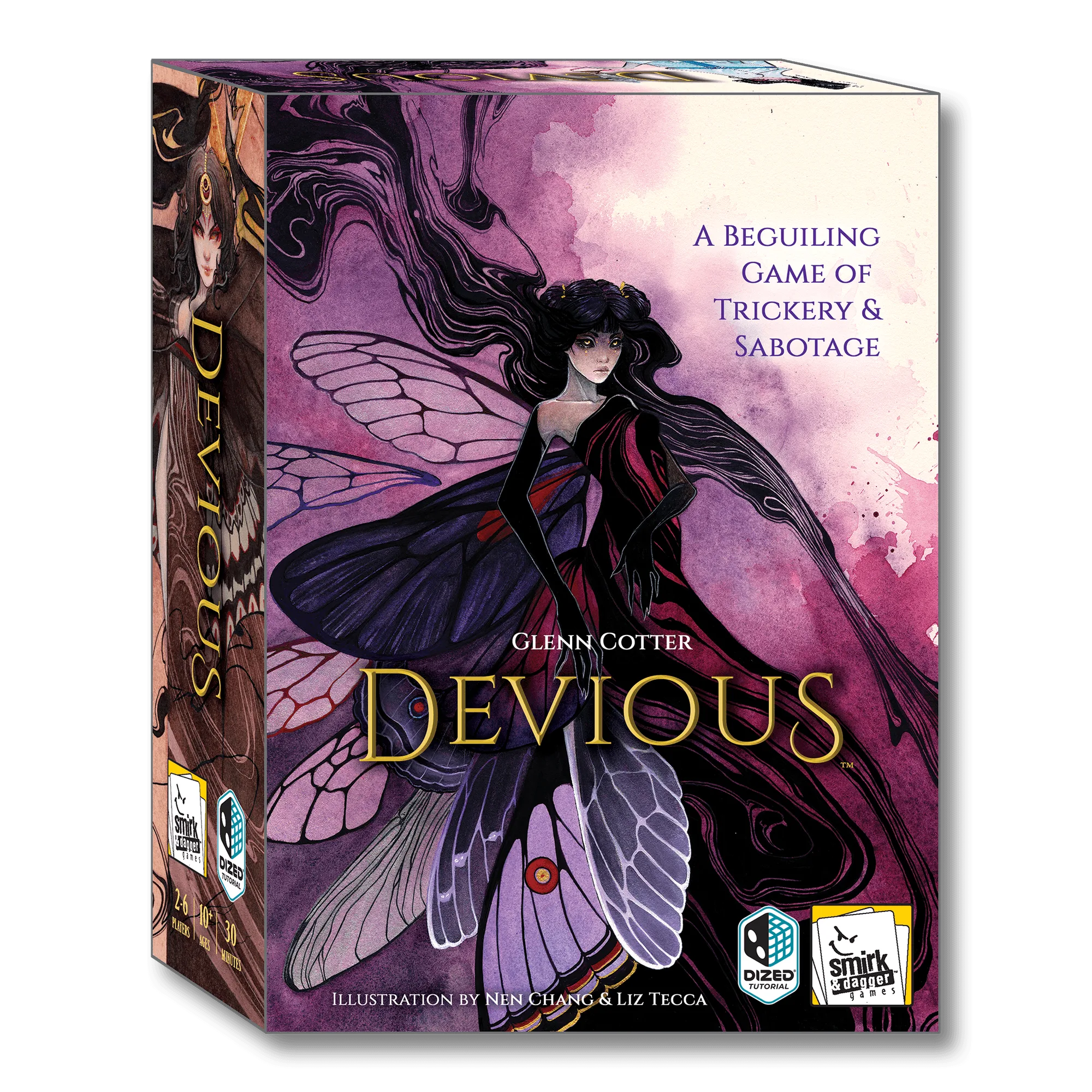
Devious builds uncertainty into the hand itself. Each round you play a single card, but your three-card hand is arranged and placed face-down by your opponent. You know the cards exist, you just do not know which one you are committing to. That turns every turn into a small act of trust or betrayal.
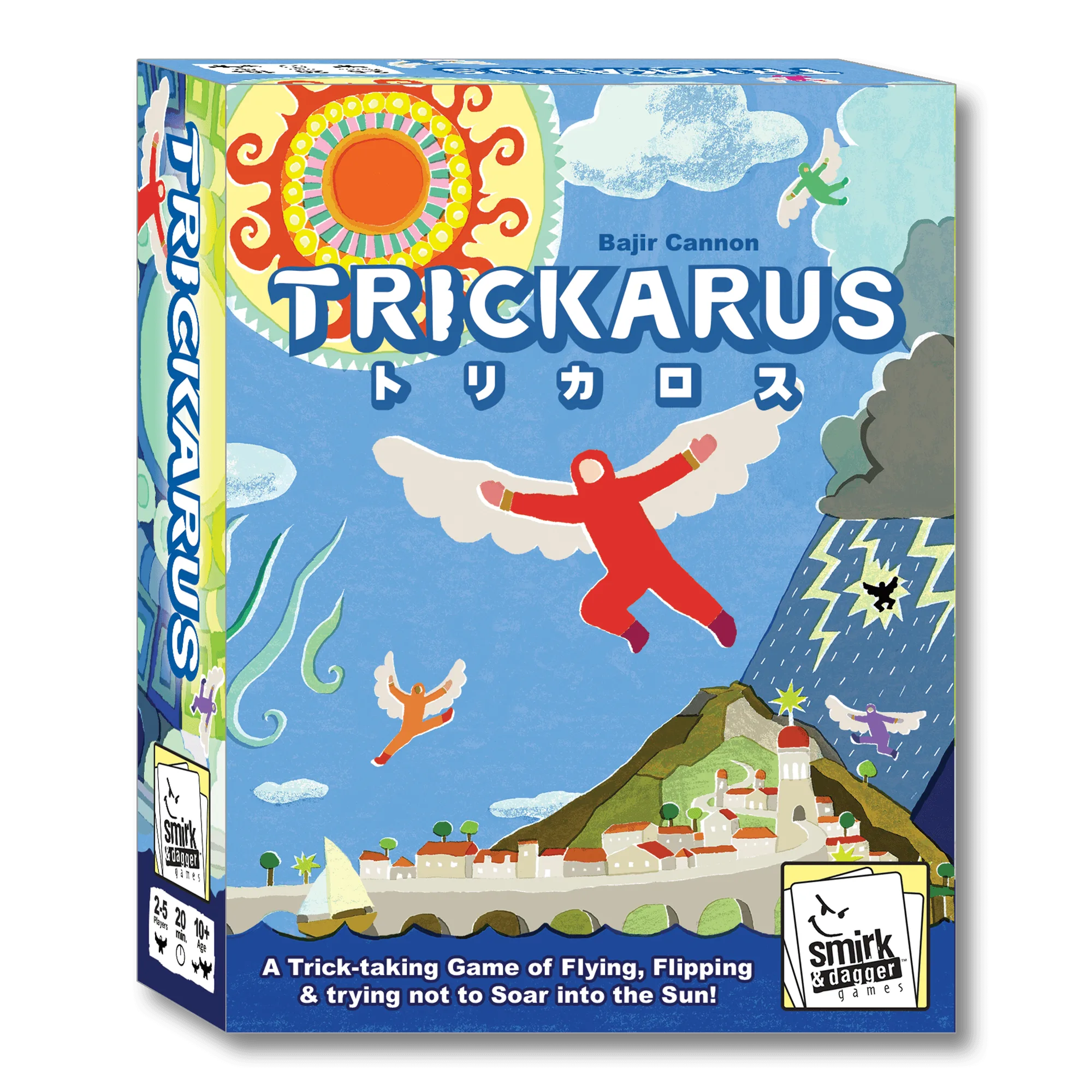
Trickarus leans on social reads and table talk. Players try to work out who is bluffing and who is telling the truth, with the tension coming from conversation rather than a hidden hand arrangement. If your group loves arguing about motives, Trickarus gives you more surface area for that.
The sabotage trade-off
Devious is explicitly built around sabotage and shifting fortunes. Having a single high-ranking faerie from each of the six tribes may earn you a big win, but having two or more of a faerie will ruin your score. That anti-set collection rule means you are constantly deciding whether to help yourself or quietly wreck someone else's collection.
Trickarus tends to reward patience and observation over direct sabotage. The trade-off is real: Devious gives you more chances to actively interfere with an opponent, while Trickarus gives you more chances to out-think the table without touching their cards.
Player count and table feel
Devious is at its best as a head-to-head or small-group experience where you can track what your opponent has seen and what they might be hiding. The opponent-arranged hand mechanic loses some bite when too many players are involved, because you cannot easily read every arrangement.
Trickarus is designed to open up with more players. The more voices at the table, the more theories, accusations, and fake-outs you get. If your game night regularly has five or more people, that difference matters more than any rule detail.
What to check before you buy
Look at your group's tolerance for direct conflict. Devious is not a gentle game. If your table prefers cooperative or low-interaction card games, the opponent-arranged hand will feel aggressive rather than clever. Trickarus still involves bluffing, but the conflict is verbal and shared.
Also check the physical footprint. Both are card games, so they travel well, but Devious needs a clear space for face-down hands and score tracking. Trickarus needs enough room for players to see each other and talk, which is a different kind of table requirement.
Trade-offs at a glance
- Devious: direct sabotage: Your opponent arranges your three-card hand face-down, so you cannot fully control your own turn. The anti-set scoring means duplicates ruin your score, which encourages careful counting and targeted interference. Best when your group enjoys take-that tension and small player counts.
- Trickarus: open debate: Uncertainty comes from table talk and reading intentions rather than hidden hand arrangement. More players mean more theories and more chances to catch a bluff. Best when your group likes arguing, deducing, and playing to a crowd.
- Complexity and teaching time: Devious asks players to track six tribes and anti-set scoring, so the first round is slower. Trickarus is easier to explain because the core loop is discussion and voting. Pick Devious for a focused duel; pick Trickarus for a fast-teaching party table.
Product facts
- Devious: Devious is a beautifully twisted anti-set collection card game full of bluffing, sabotage, and shifting fortunes. Having a single high-ranking faerie from each of the six tribes may earn you a big win, but having two or more of a faerie will ruin your score. Each round you play a single card, but your three-card hand is arranged and placed face-down by your opponent. The opponent-arranged hand makes every round a trust exercise, and the anti-set rule punishes greedy collection. If you like direct sabotage, this is the stronger pick.
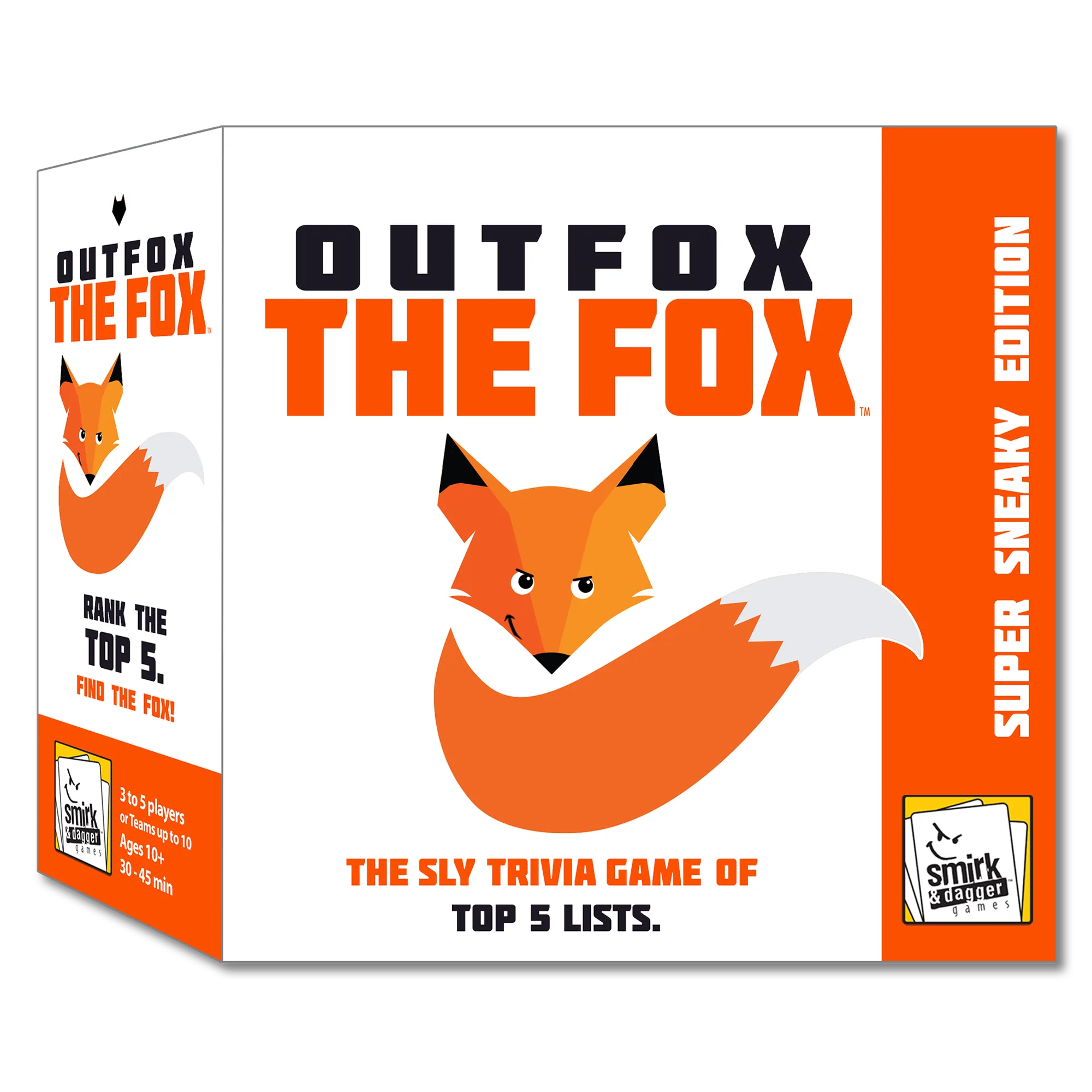
- OUTFOX the FOX - A Sly Game of Top Five Trivia for 3-10: In OUTFOX THE FOX players team up to debate and sequence the order of top 5 lists, but each round, one player inserts a fake answer (THE FOX) among the 5 real ones. You and your crew just need to put them in the right order and catch THE FOX in a lie. This is a team deduction game built on debate and sequencing, not hand sabotage. It fits groups that want shared puzzle-solving with a hidden liar, and it scales to more players than a duel.
Which should you buy?
Best for
- Two-player or small-group sessions where you want direct sabotage and hidden hands
- Players who enjoy anti-set collection, counting tribes, and messing with an opponent's plans
- Groups that like take-that tension and do not mind a slower first round
Not for
- Large game nights with five or more players who want open debate
- Tables that prefer cooperative or low-conflict card games
- Groups that want a game they can teach in under two minutes