Quick answer
Turmeric powder is your everyday color-and-earthy-base spice for curries, soups, and golden milk, while black cumin is a pungent, onion-and-pepper-like finishing spice for breads, pickles, and dals. If you want one versatile warming spice for daily cooking, start with turmeric; add black cumin when you want a savory, aromatic edge.
Flavor, aroma, and kitchen role
Turmeric powder brings a warm, earthy, slightly bitter note and a deep golden hue that anchors spice blends like curry powder and ras el hanout. It is typically added early in cooking—bloomed in oil with onions or simmered into broths—so its color and flavor meld into the dish. Black cumin (Nigella sativa), often called black seed, has a more assertive, pungent profile with hints of onion, oregano, and black pepper. It is usually sprinkled on flatbreads, stirred into pickles, or used as a finishing spice where its aroma can stay intact.
How to use each in everyday cooking
For turmeric powder recipes, treat it as a base spice: add 1/2 to 1 teaspoon per pot of curry, lentil soup, or roasted vegetables, and pair it with fat and black pepper to round out its flavor. It also dissolves well into warm milk or smoothies. Black cumin cooking uses are more about accent: scatter a pinch over yogurt, hummus, or salads; fold into bread doughs; or temper in ghee for a quick tadka over dals. Because black cumin is potent, start with 1/4 teaspoon and adjust.
Nutritional differences that matter in the kitchen
Turmeric is rich in dietary fiber, iron, potassium, magnesium, and vitamin B6, and it is often chosen for its anti-inflammatory properties. Black cumin contains protein, monounsaturated fat, dietary fiber, vitamins B and E, and iron, and it has a long history in Ayurveda and Middle Eastern cuisine. These differences mean turmeric fits daily wellness-oriented cooking, while black cumin leans toward traditional and medicinal uses. Neither is a substitute for the other in recipes where flavor balance is key.
Pairing and blending with other spices
Turmeric blends seamlessly with cumin, coriander, ginger, and cinnamon in spice blends with turmeric, such as curry powder or golden milk mixes. Black cumin stands out in blends like panch phoron or za'atar, where its sharpness complements fenugreek, fennel, and sesame. If you are building a warming spice cabinet, keep turmeric for base layers and black cumin for finishing touches. Avoid swapping them one-for-one; the results will taste very different.
Trade-offs at a glance
- Flavor intensity: Turmeric is mild and earthy; black cumin is pungent and peppery. Choose turmeric for subtle depth, black cumin for a bold accent.
- Ease of use: Turmeric can be added early and in larger amounts; black cumin is best added late or as a finishing spice. Turmeric is more forgiving for everyday cooking.
- Nutritional focus: Turmeric offers fiber, iron, potassium, magnesium, and B6; black cumin provides protein, monounsaturated fat, fiber, vitamins B and E, and iron. Both bring different nutrients—use them for different goals.
Product facts
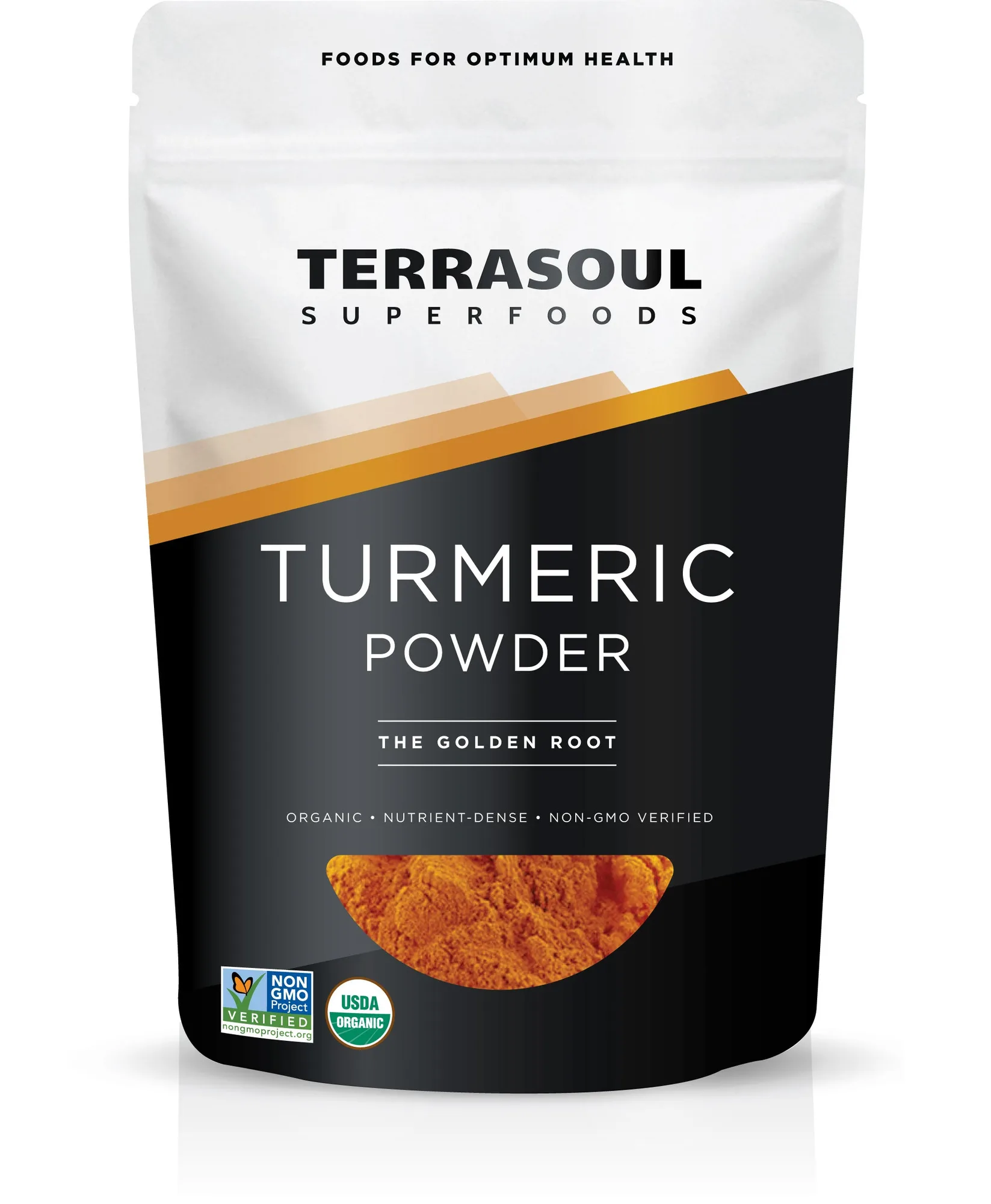
- Turmeric Powder: Turmeric is rich in dietary fiber, iron, potassium, magnesium and Vitamin B6. Our Turmeric Powder is sustainably grown and gently dried at low temperatures to preserve its vital nutrients. Low-temperature drying helps retain nutrients, so you get more than just color when you cook with it.
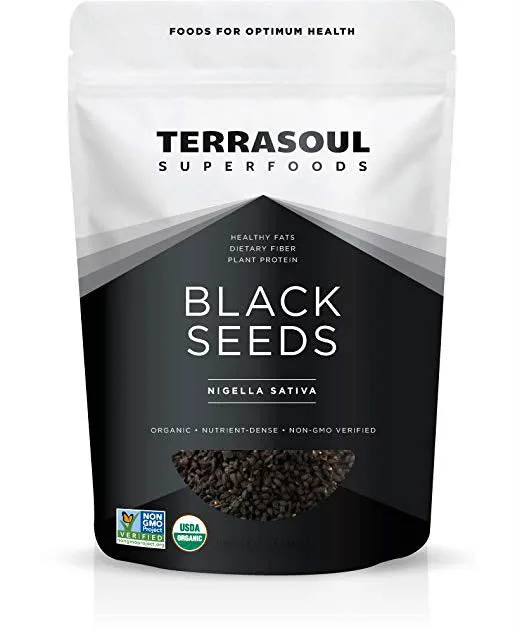
- Black Cumin: Protein, monounsaturated fat, and dietary fiber as well as vitamins B, E and iron are just a few of the nutrients Nigella sativa (black seeds) contain. Black cumin adds a nutrient boost to dishes, but its strong flavor means you'll use it in smaller amounts than turmeric.
Which should you choose?
Best for
- Daily cooking: curries, soups, stews, and golden milk
- Those who want a mild, versatile base spice
- Building spice blends like curry powder
Not for
- Recipes needing a sharp, finishing spice (use black cumin)
- People who dislike earthy, bitter notes
- Those seeking a one-for-one substitute for black cumin