Quick answer
Take vitamin D3 with K2 and magnesium at the same meal, ideally the largest meal of the day, because fat improves D3 absorption and magnesium supports the enzymes that activate vitamin D. A combined D3 + K2 + magnesium glycinate product simplifies this, but if you use separate products, keep the total daily D3 dose within a range your clinician approves and pair it with 100–300 mg of magnesium glycinate.
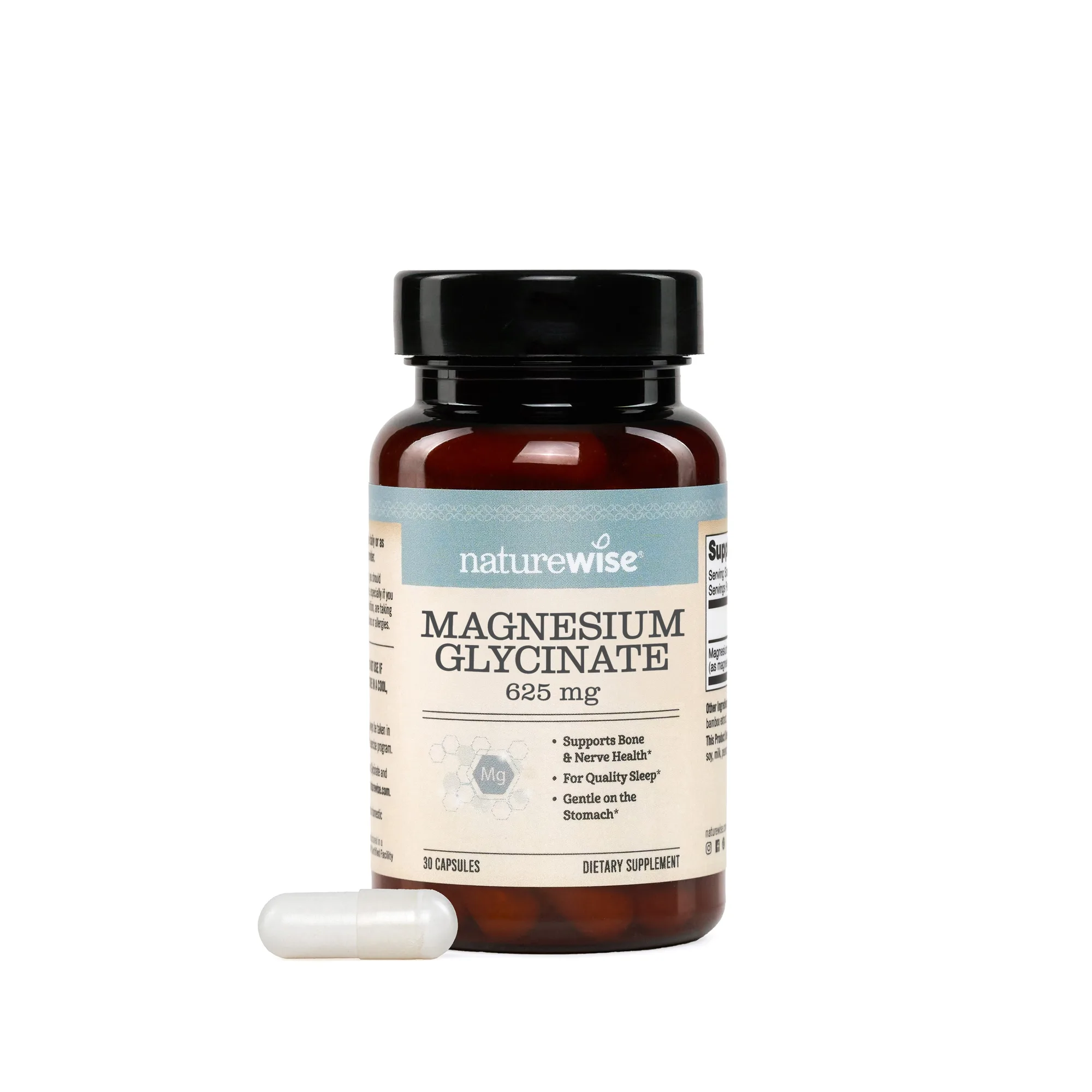
magnesium glycinate
Why these three nutrients depend on each other
Vitamin D3 raises calcium absorption from your gut, but it does not decide where that calcium goes. Vitamin K2 activates osteocalcin, a protein that pulls calcium into bone, and matrix Gla protein, which helps keep calcium out of arteries. Without enough K2, higher D3 intakes can increase calcium in soft tissues rather than bone.
Magnesium sits upstream of vitamin D. Your body needs it to convert vitamin D into its active form, and low magnesium status can make vitamin D supplements less effective. This is why the three are often discussed together: D3 increases calcium availability, K2 directs it, and magnesium helps the whole system run.
How to choose a combined D3 + K2 + magnesium product
If you prefer one capsule instead of three, look for a product that lists the actual forms and amounts on the label. Vitamin D3 is usually listed in IU, vitamin K2 as MK-7 in micrograms, and magnesium as a chelated form such as magnesium glycinate. Magnesium oxide is cheaper but less absorbable, so it is less useful for this purpose.
Check the serving size carefully. Some products use one softgel per serving, while others use two or three capsules. A 5000 IU D3 product with 50 mcg MK-7 and 275 mg magnesium glycinate is a high-dose option, while a 500 IU vegan D3 product with 100 mcg MK-7 is a lower-dose option that may suit people who already get some vitamin D from sun or food.
Who should be careful with this combination
Vitamin K2 can interact with warfarin and other vitamin K antagonist blood thinners, so do not add K2 without talking to your prescriber. People with kidney disease, sarcoidosis, or a history of high calcium should also check with a clinician before using high-dose D3.
Magnesium can cause loose stools at higher doses, especially in oxide or citrate forms. If you are sensitive, start with a lower magnesium dose and increase slowly. The 275 mg of magnesium glycinate in a combined product is a moderate dose, but it still counts toward your total daily magnesium from all sources.
Your step-by-step D3 + K2 + magnesium routine
- Check your current vitamin D intake and magnesium sources: Add up vitamin D from multivitamins, fortified foods, and separate D supplements before choosing a dose. Review how much magnesium you already get from food and other supplements. Mistake to avoid: doubling up on D3 because you forgot a multivitamin already contains it.
- Pick a D3 dose and match K2 to it: Common D3 doses range from 500 IU to 5000 IU per day. Choose a product that pairs D3 with K2 as MK-7, and confirm the K2 amount on the label rather than assuming it is included. Checkpoint: if the label lists D3 but not K2, it is not a combined D3 + K2 product.
- Choose a magnesium form and dose: Magnesium glycinate is a chelated form that is generally well tolerated. A combined product may supply 275 mg per serving, or you can take a separate magnesium glycinate product. Stay within the tolerable upper limit for supplemental magnesium unless a clinician advises otherwise. Mistake to avoid: taking magnesium oxide and expecting the same absorption as a chelated form.
- Take everything with a fat-containing meal: Vitamin D3 is fat-soluble, so take it with a meal that contains some fat, such as eggs, olive oil, avocado, or full-fat yogurt. Magnesium and K2 do not require fat but can be taken at the same time for convenience. Checkpoint: if you take D3 on an empty stomach, you may absorb less of it.
- Set a consistent daily time and track how you feel: Take your D3 + K2 + magnesium at the same meal each day. Some people find magnesium relaxing, so evening works well, but the most important factor is consistency. Next step: after 8–12 weeks, ask your clinician whether a blood test for vitamin D is appropriate to see if your dose is right.
Product facts
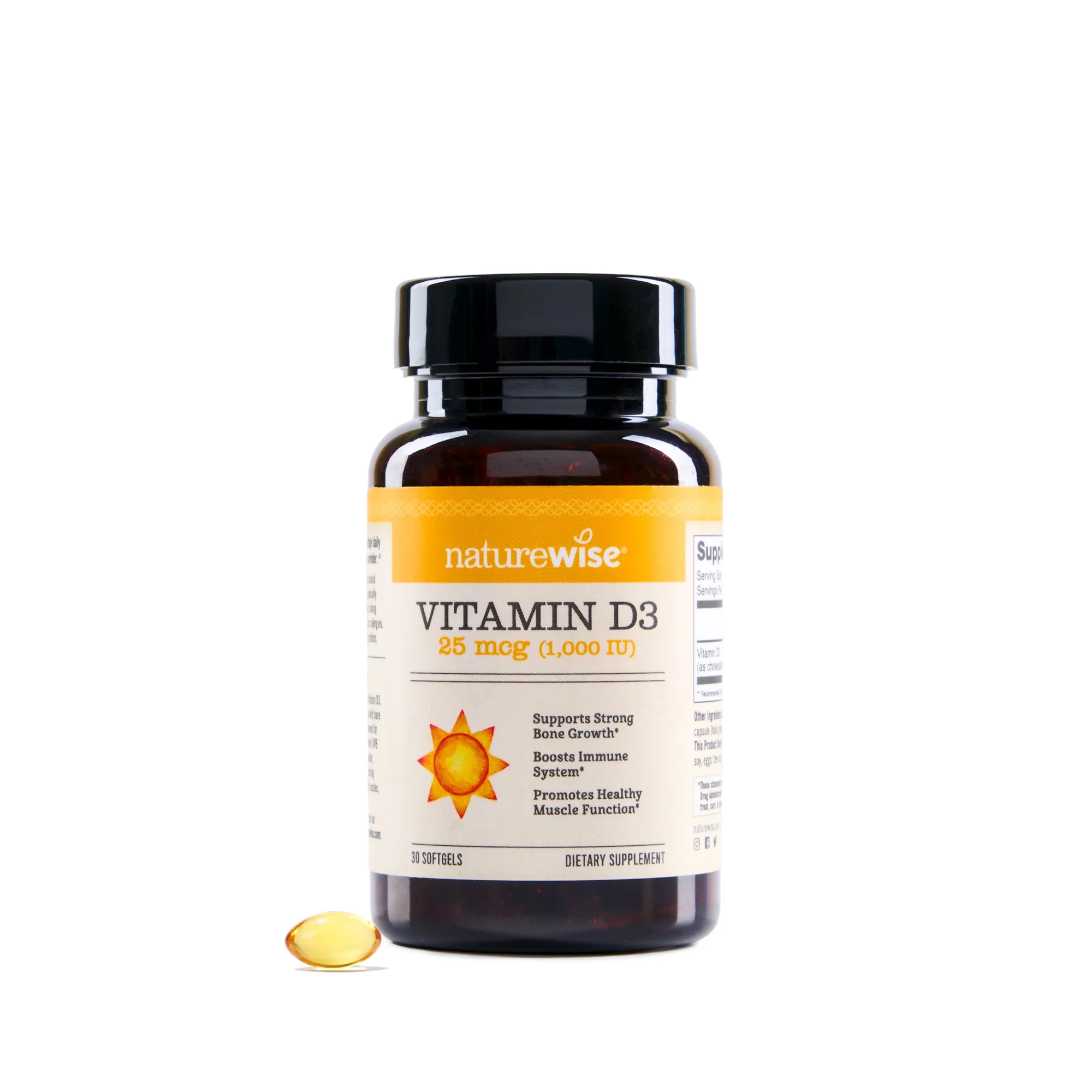
- Vitamin D3 + K2 with Magnesium Glycinate: 5000 IU naturally sourced vitamin D3, 275 mg chelated non-buffered magnesium glycinate, and 50 mcg vitamin K2 as MK-7. This is a high-dose D3 option with a moderate magnesium dose and the MK-7 form of K2, so it fits someone who wants all three nutrients in one product and has confirmed with a clinician that 5000 IU D3 is appropriate.
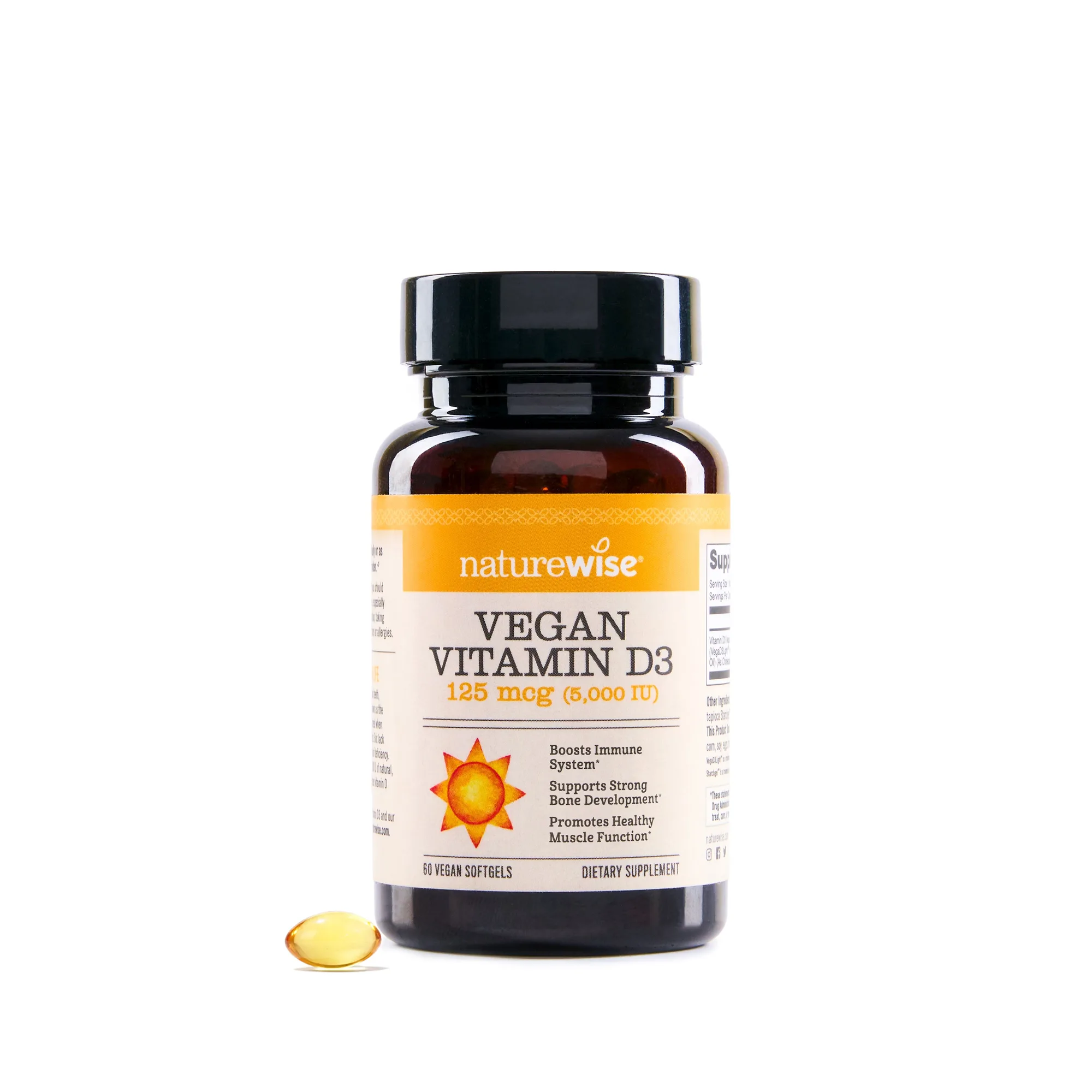
- SunPine Vegan Vitamin D3 + K2: 500 IU SunPine vegan vitamin D3, 100 mcg vitamin K2 as MK-7, vegan, one softgel serving, 60-day supply. A lower-dose vegan D3 option with a higher K2 amount per serving, useful for people who want a plant-based product or who already get vitamin D from other sources and do not need 5000 IU.
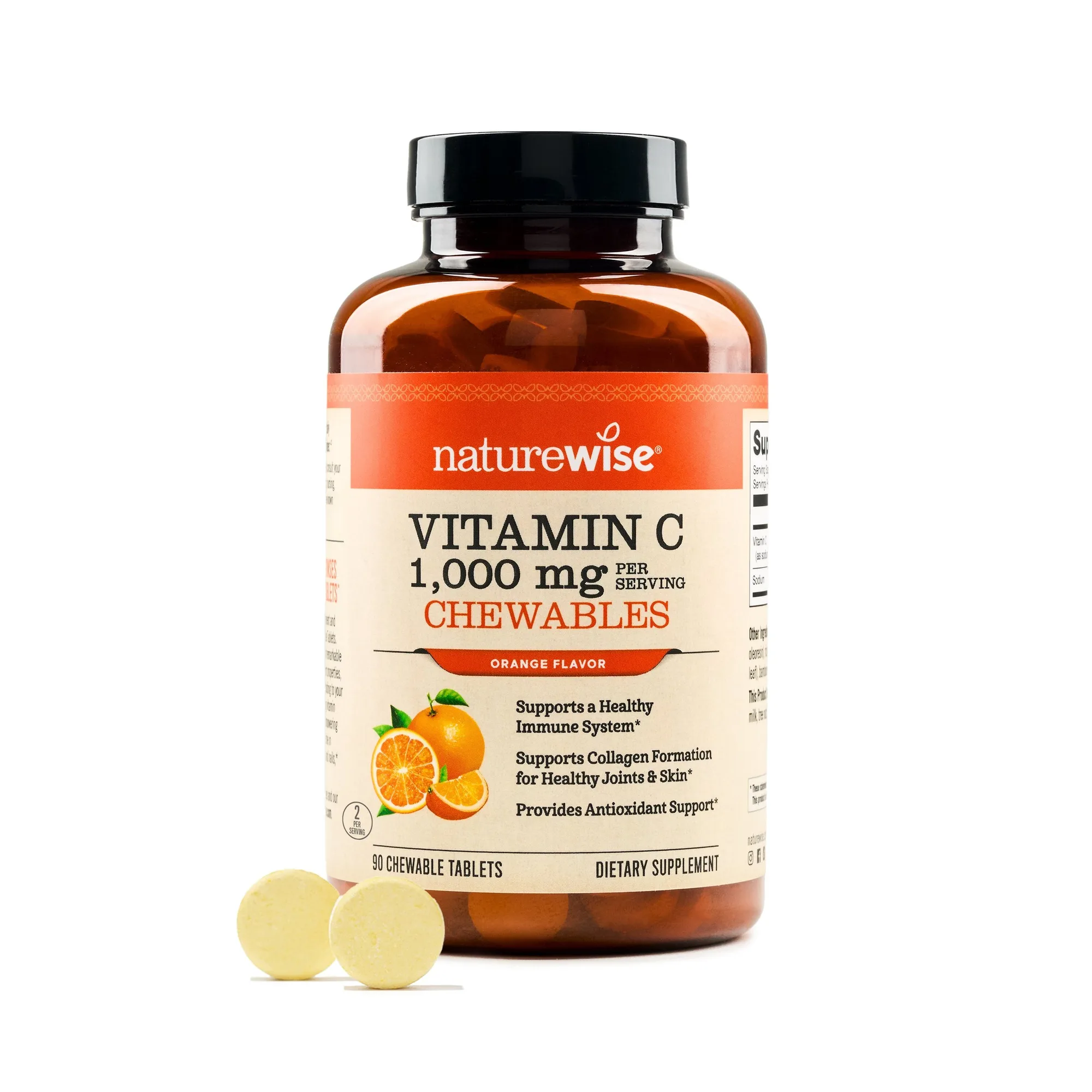
- Vitamin C Chewables: Gluten free, vegan, non-GMO orange-flavored vitamin C chewables, two tablets per serving, no artificial colors or flavors. Vitamin C supports collagen synthesis and immune health, and it can be taken alongside D3 and K2 if you want a chewable option that avoids swallowing another capsule.