Quick answer
A correct wearable pump flange fit means your nipple moves freely without rubbing, the flange seals without pinching, and you see steady milk flow without pain. If you feel pinching, see blanching, or get low output, your flange size is likely wrong. Measure your nipple diameter, try a different size, and replace worn parts like valves and flanges when they no longer seal.
Recognize the wrong flange size signs
Discomfort during pumping is not something you have to push through. The most common wrong flange size signs include a pinching or biting sensation at the nipple base, a white ring around the nipple after pumping, redness or soreness that lasts beyond a few minutes, and milk that sprays unevenly or slows to a trickle. You might also notice your nipple rubbing against the tunnel wall or pulling too much areola into the flange. These symptoms point to a mismatch between your nipple size and the flange opening. Wearable pumps add another layer because the cup sits inside your bra, so a poor fit can also cause the cup to shift or lose suction.
Measure and adjust for wearable breast pump comfort
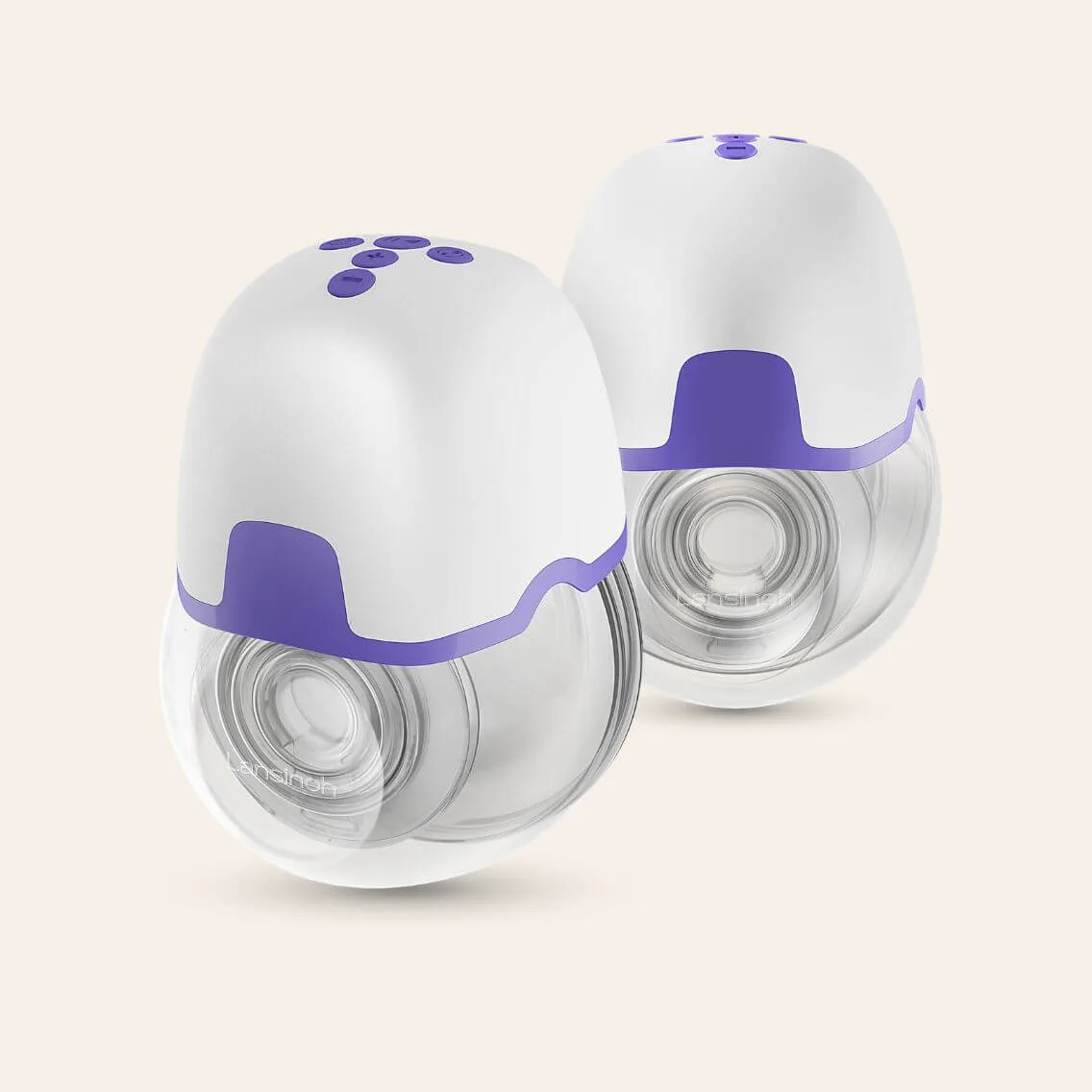
wearable breast pump
Start by measuring your nipple diameter in millimeters, not your areola. Use a ruler or a printable sizing tool, and measure across the base of the nipple without compressing it. Do this before pumping, when your nipple is at its resting size. Most wearable pumps, including the Lansinoh Thrive, offer multiple flange sizes. If you measure between two sizes, choose the smaller one first, then size up if you see redness or pinching. A properly fitted flange should allow your nipple to move freely in the tunnel without rubbing. If you are using a wearable cup, make sure the flange sits centered and the cup is snug against your breast without being overly tight. For more detailed steps, see our guide on choosing the right breast pump flange size.
Fix painful pumping with the right parts and habits
Even with the correct size, worn parts can mimic a poor fit. Valves that no longer seal properly reduce suction, which may tempt you to increase the pump strength and cause pain. Flanges with small cracks or cloudiness can also lose suction and cause rubbing. Replace these parts according to the manufacturer's timeline or whenever you notice a change in performance. Keep a spare set of parts on hand so you are never stuck with a damaged valve or flange. Also check your bra fit: a bra that is too tight can press the cup into your breast and create pinching, while a too-loose bra lets the cup shift. Adjust the suction level to your comfort, not the highest setting. If pain continues after trying different sizes and new parts, stop pumping and consult a lactation consultant or healthcare provider.
Diagnosis: symptom, cause, action, and when to stop
- Pinching or biting at the nipple base: The flange tunnel is too narrow, causing friction. Measure your nipple diameter and try the next size up. If you are between sizes, size up only if you also see redness or blanching. If pinching continues after two size changes, stop and consult a lactation consultant.
- White ring or blanching after pumping: The flange is compressing blood flow, often because it is too small. Switch to a larger flange and reduce suction strength. Check that the cup is not pressed too tightly against your breast by your bra. If blanching does not improve within a day of resizing, seek professional advice.
- Low milk output with no pain: A worn valve or a flange that no longer seals can reduce suction. Replace the valve and flange with spare parts. If output remains low, check that the flange size is correct and that the cup is centered. If output stays low after replacing parts and resizing, consider a different pump style or consult a specialist.
Spare parts that support a better fit
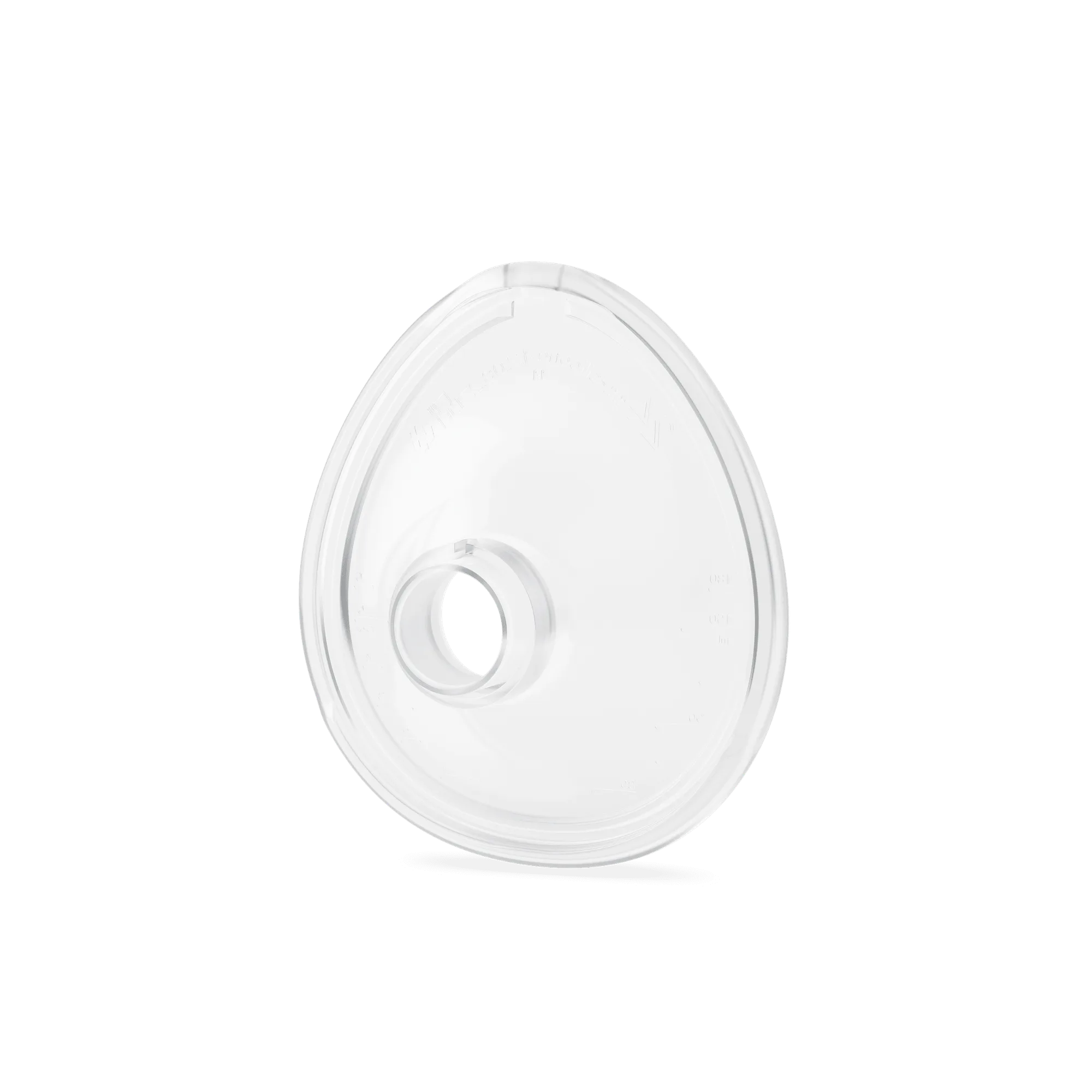
- Thrive 2-in-1 Breast Pump Wearable Cup Flanges: A spare set of parts when you need them! Great to have on hand when you’re pumping away from home and need an extra set of clean parts. Or keep it on hand to replace parts that wear over time. Having extra flanges in different sizes lets you test fit changes immediately without waiting for a shipment, and worn flanges can be swapped out as soon as they lose suction.
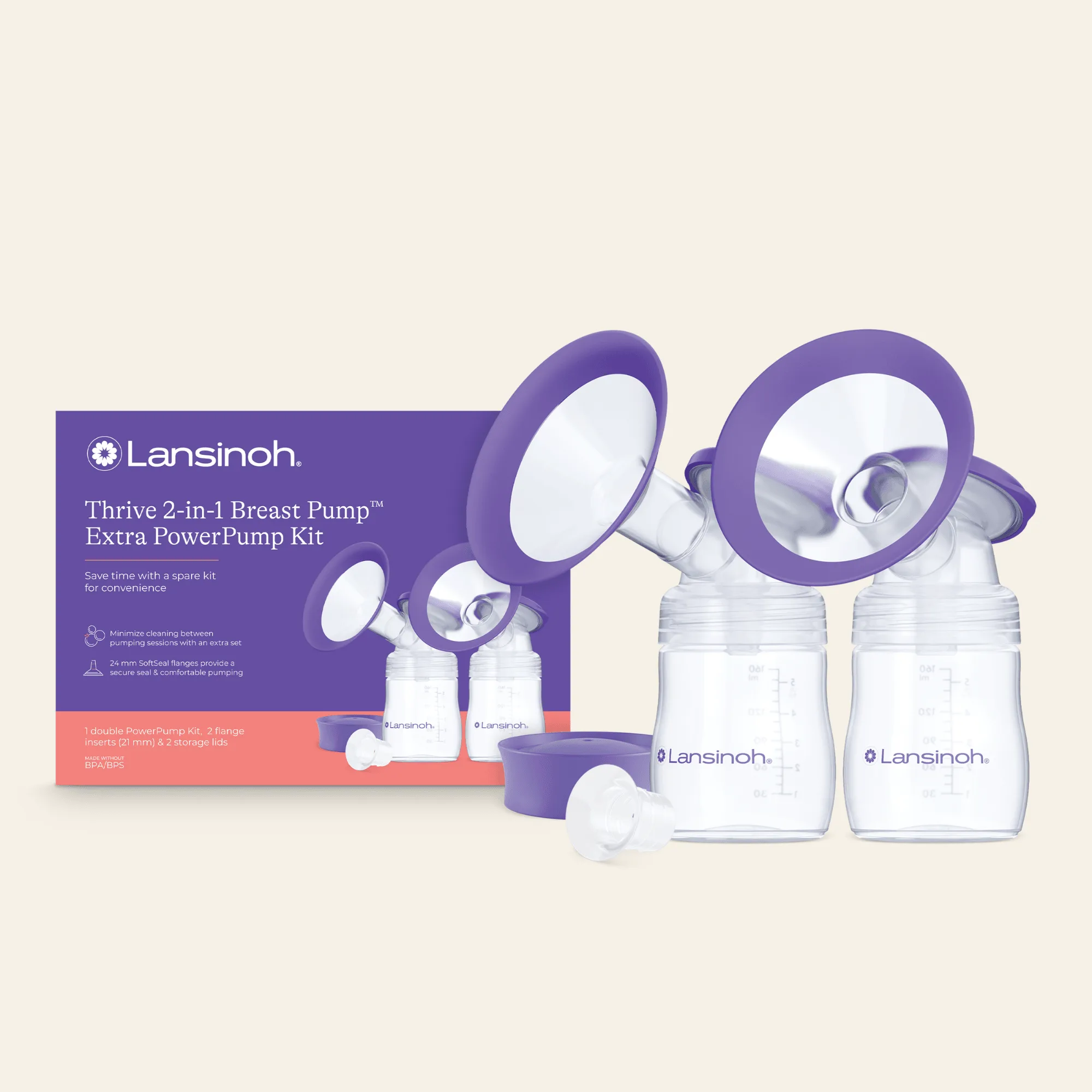
- Thrive 2-in-1 Breast Pump Valve for PowerPump & Wearable Pump: A spare set of parts when you need them! Great to have on hand when you’re pumping away from home and need an extra set of clean parts. Or keep it on hand to replace parts that wear over time. A worn valve is a common cause of low suction that can feel like a flange problem; keeping a spare valve ensures you can rule out part failure before resizing.
- Thrive 2-in-1 Hybrid Base Extra Pumping Set (expression set): The Lansinoh Thrive 2-in-1 Hybrid Base Extra Pumping Set is designed to support your everyday pumping needs. This expression set includes the essential parts to help you make the most of your Lansinoh Thrive pump, so you can keep your routine simple and reliable.2-in-1 hybrid base design works with your Lansinoh Thrive pump for flexible expression.Extra pumping set provides convenient backup parts for busy... An extra pumping set gives you a full backup of essential parts, so you can keep one set clean and ready while troubleshooting fit issues with the other.