Quick Answer
A living card game (LCG) is a card game with a fixed core set and regularly released expansion packs that always contain the same cards. Unlike a trading card game, you never buy blind boosters or chase random rares; you buy a known pack and know exactly what's inside. That makes deckbuilding predictable and affordable to plan, which is why LCGs suit players who want to build decks rather than gamble on packs.
LCG vs TCG: The Core Difference
The word 'living' means the card pool grows over time through scheduled releases, not through random distribution. In a trading card game (TCG), most cards reach players through sealed boosters, so the secondary market sets the price of the cards you actually want. In an LCG, every copy of an expansion contains the same cards, so you pay the retail price for the exact cards you need.
This changes how you spend. A TCG player might buy a case of boosters and still not open the card they need. An LCG player buys one expansion pack and gets a full playset of every card in it. The tradeoff is that LCGs rarely have the same speculative resale market, because the cards are not scarce.
How LCG Expansions Actually Work
Most LCGs follow a release pattern: a core set or starter box first, then smaller monthly or quarterly packs, then larger deluxe expansions that introduce a new faction or campaign. Each pack is designed to be playable on its own, but the cards are meant to be combined with everything you already own.
You do not need to buy everything at once. A common approach is to buy the core set, play it until you know which faction or playstyle you enjoy, then buy the expansion packs that support that style. If a pack is out of print, check whether a revised or repackaged version exists before paying inflated prices on the secondary market.
Do You Need to Buy Everything to Compete?
No, but the answer depends on how you play. For casual play at home, a core set plus one or two expansions gives you plenty of deckbuilding variety. For organized play or tournament play, the current card pool matters, and older packs may rotate out of the format.
Before buying a large collection, check the format rules for the specific game you are playing. Some LCGs use a rotating format, while others keep all cards legal. That single detail determines whether an older expansion is a long-term investment or a short-term one.
How to Start Without Overspending
Start with a core set and play it at least five times before buying anything else. You will learn which mechanics you enjoy and which factions feel natural to you. Then buy expansions that match those preferences rather than buying by release order.
If you are unsure whether an LCG fits your group, try a standalone card game first. A self-contained game gives you a complete experience in one box with no release schedule to follow, which is a useful test of whether you enjoy deck construction at all.
Living Card Game FAQ
Is a living card game the same as a trading card game?
No. LCG expansions contain fixed, known cards. TCG boosters contain random cards, so you may need to trade or buy singles to get what you want. If you dislike random packs, an LCG is the better fit.
How often do LCG expansions come out?
Release schedules vary by game and publisher, but most LCGs use a mix of smaller packs and larger deluxe expansions rather than one big annual set. Check the publisher's current release page before planning a purchase.
Can I play an LCG with just the core set?
Yes. A core set is designed to be playable on its own, though deckbuilding options are narrower than with a full collection. Play the core set several times before buying expansions.
Do older LCG packs stop being usable?
It depends on the game's format. Some use rotation, where older cards leave the tournament pool; others keep every card legal. Confirm the format rules before buying out-of-print packs.
Do I need card sleeves for an LCG?
Sleeves protect cards you shuffle often, and a play mat reduces surface wear. Neither is required, but both extend the life of a collection you plan to keep. Sleeve the decks you shuffle most.
Products That Show the Range
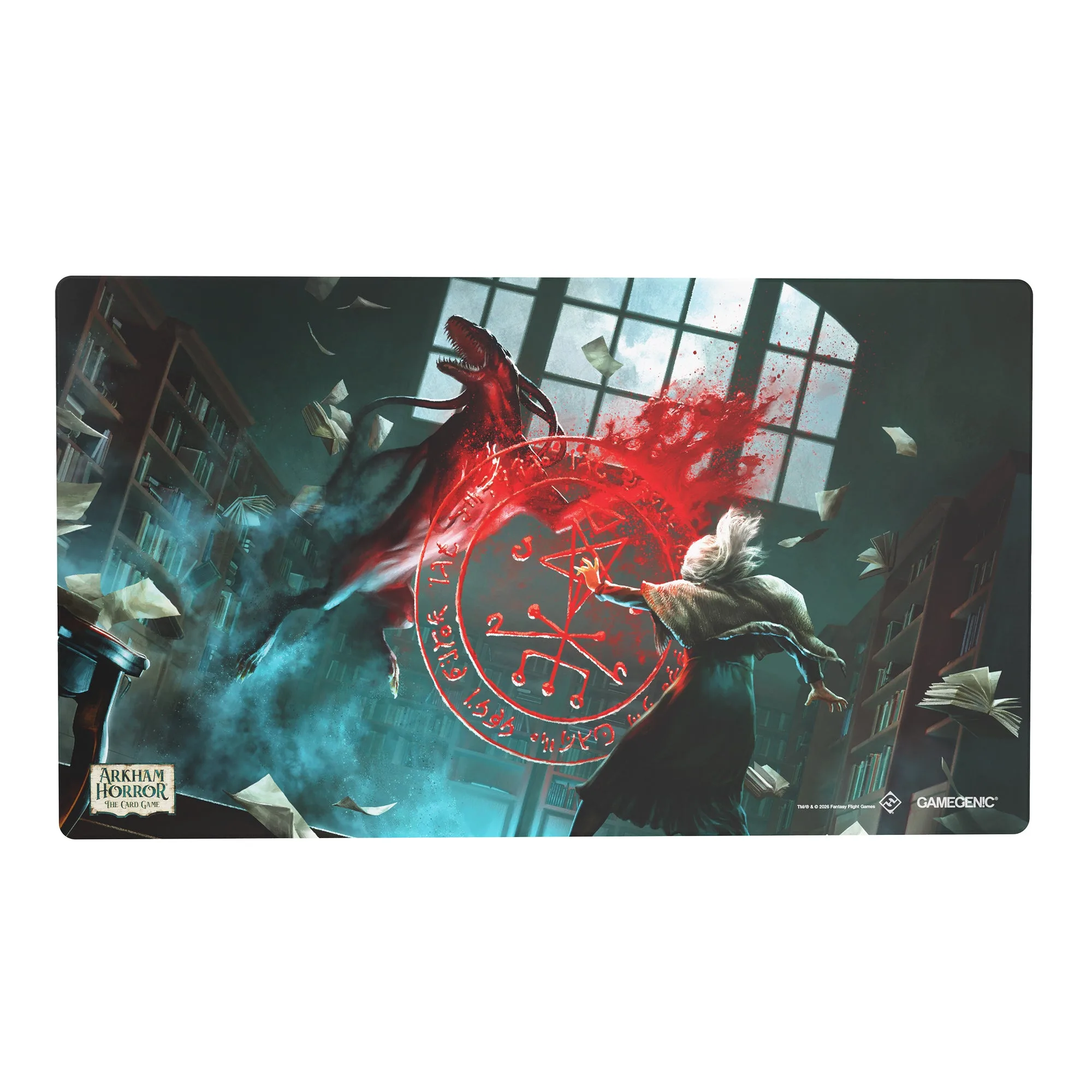
- Arkham Horror: Game Mat - Blood Ward: This officially licensed, full-color printed Game Mat for Arkham Horror: The Card Game is 2mm thick and protects cards and components from rough or dirty surfaces. If you play a card game regularly, a mat keeps cards from sliding and prevents wear on the table surface, which matters more once you own expansions you want to keep in good condition.
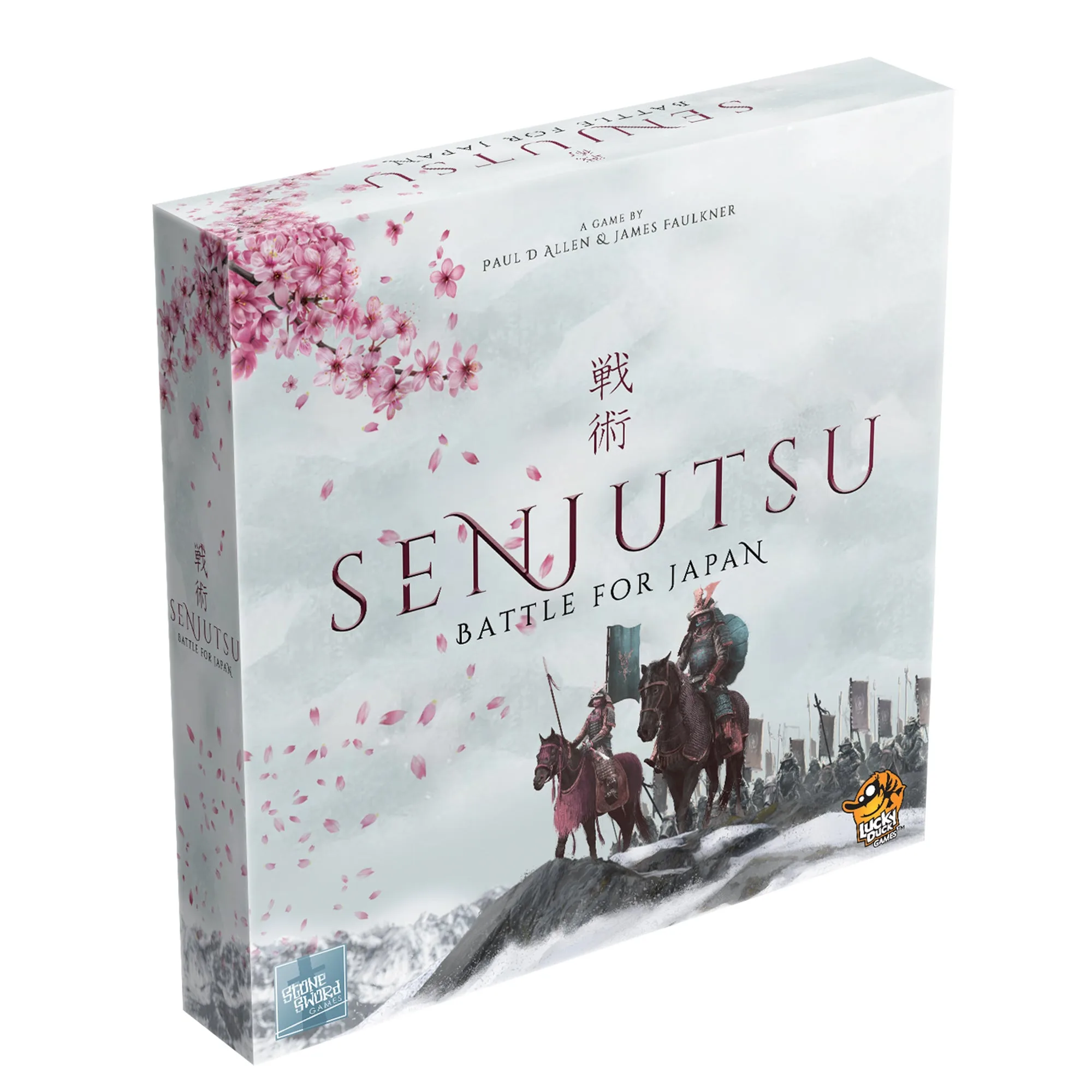
- Senjutsu: Battle for Japan: Senjutsu is a tense, fast-playing Samurai duelling game with miniatures, deck-crafting mechanics, and simultaneous reveal combat for 1-4 players. It is a self-contained deck-construction game, so it is a low-commitment way to find out whether you enjoy building and tuning a deck before committing to an LCG release schedule.
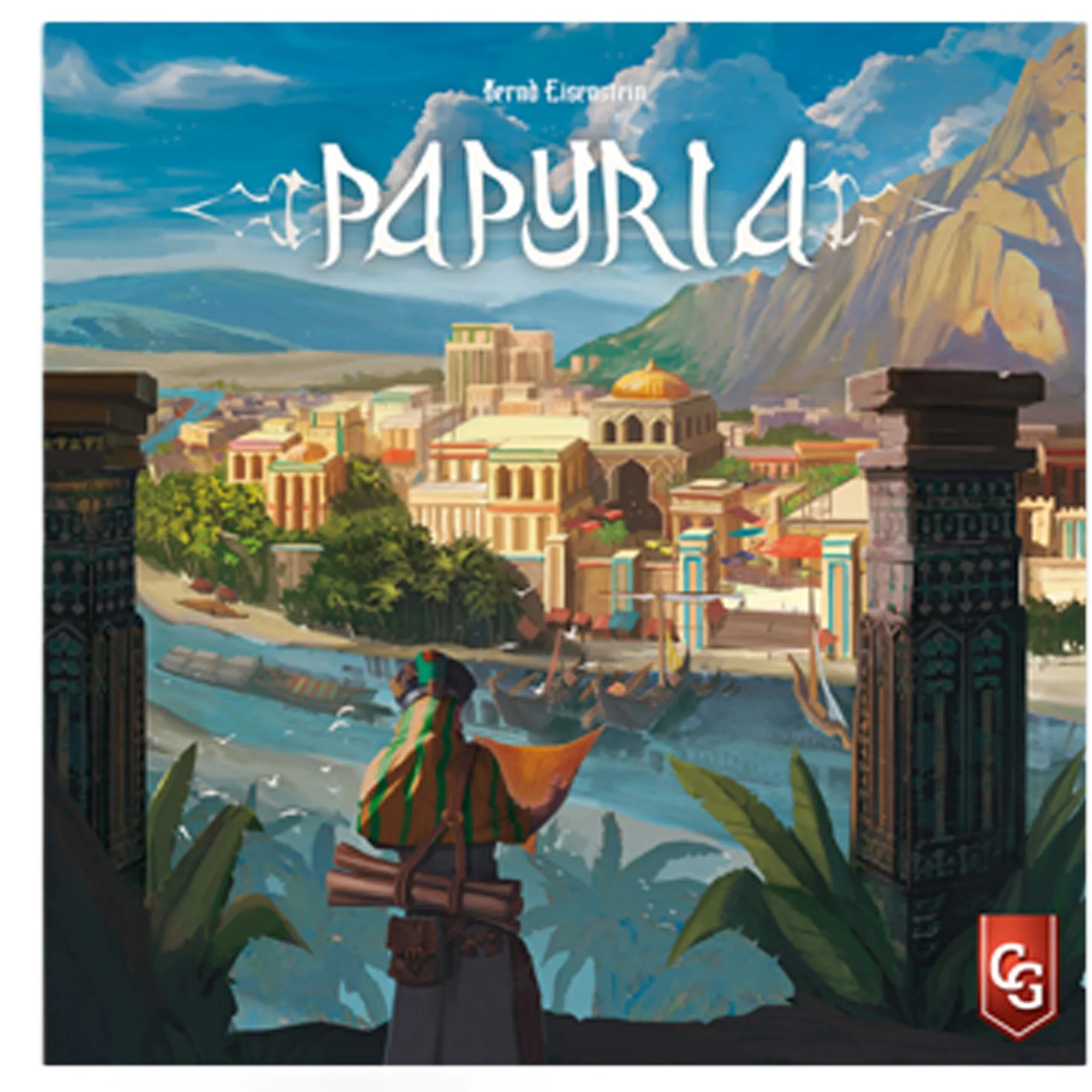
- Papyria: In Papyria, you guide an emerging civilization in 1500 BC Mesopotamia, expanding territory and developing inventions while limited knowledge restricts how much you can gain at once. It shows the other end of the hobby: a complete strategy game in one box with no expansions required, useful if you want depth without an ongoing card pool.