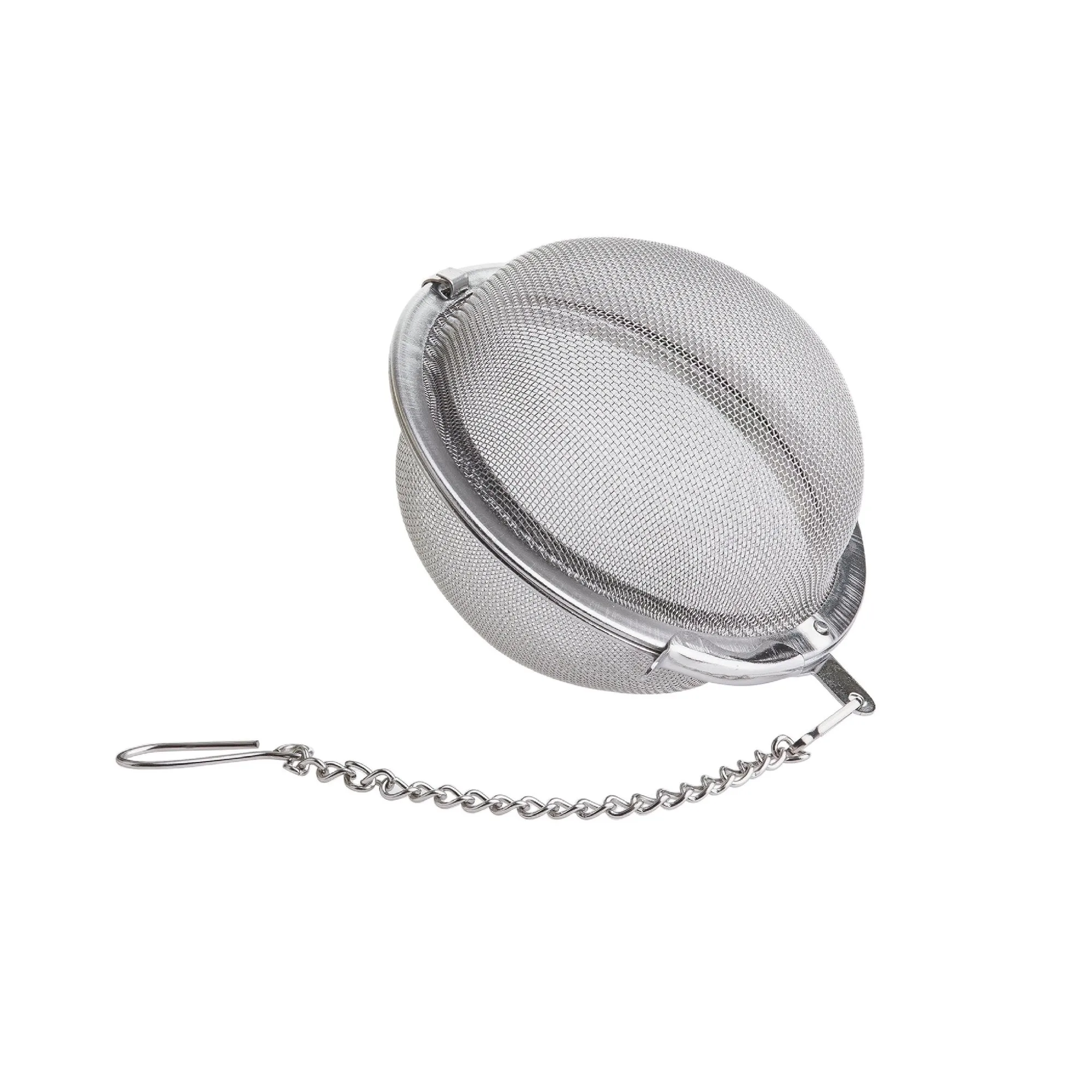
If you’ve ever wondered how coffee roasters and baristas evaluate the complex flavors in a cup of coffee, the answer lies in a practice called coffee cupping. Coffee cupping is a systematic method of tasting coffee that allows professionals to assess aroma, acidity, body, sweetness, and aftertaste. It’s the same technique used in competitions and quality control labs around the world, and it’s surprisingly easy to do at home.
Whether you’re a curious home brewer or a budding coffee enthusiast, learning how to cup coffee will deepen your appreciation for every bean. You’ll start noticing subtle notes of fruit, chocolate, florals, or nuts that you might have missed before. In this guide, we’ll walk you through everything you need to know about coffee cupping—from the essential tools to the step-by-step process—so you can taste coffee like a seasoned pro.
What is Coffee Cupping?
Coffee cupping is a standardized sensory evaluation technique used by coffee professionals to assess the quality and flavor profile of roasted coffee beans. During a cupping session, tasters slurp coffee from a spoon, aerating it across the palate to maximize flavor detection. This method helps identify defects, compare different origins, and determine the best roast level for a given bean.
Unlike casual coffee drinking, cupping focuses on objective analysis rather than personal preference. It involves evaluating the coffee’s fragrance (dry aroma), aroma (wet aroma), flavor, aftertaste, acidity, body, balance, sweetness, and overall impression. By cupping multiple coffees side by side, you can train your palate to recognize subtle differences and develop a more nuanced understanding of what makes specialty coffee so special.
- Fragrance: the smell of the ground coffee before water is added
- Aroma: the scent released when hot water hits the grounds
- Flavor: the overall taste impression, from first sip to finish
- Aftertaste: the lingering taste after swallowing
- Acidity: the bright, sharp, or wine-like quality that adds liveliness
- Body: the weight or mouthfeel of the coffee, from light to heavy
- Balance: how well the flavors harmonize
- Sweetness: the natural sugar perception, often described as caramel, honey, or fruit
- Clean cup: absence of off-flavors or defects
Essential Tools for Coffee Cupping at Home
To conduct a proper coffee cupping session, you’ll need a few basic tools. First, you’ll require fresh, specialty-grade coffee beans—ideally from a single origin to appreciate distinct terroir. For example, the Kamavindi Coffee from Kenya offers bright acidity and complex berry notes, making it an excellent candidate for cupping. You’ll also need a coffee grinder (burr grinders are preferred for consistency), a digital scale, cupping bowls or small glasses, a cupping spoon (or a soup spoon), and a timer.
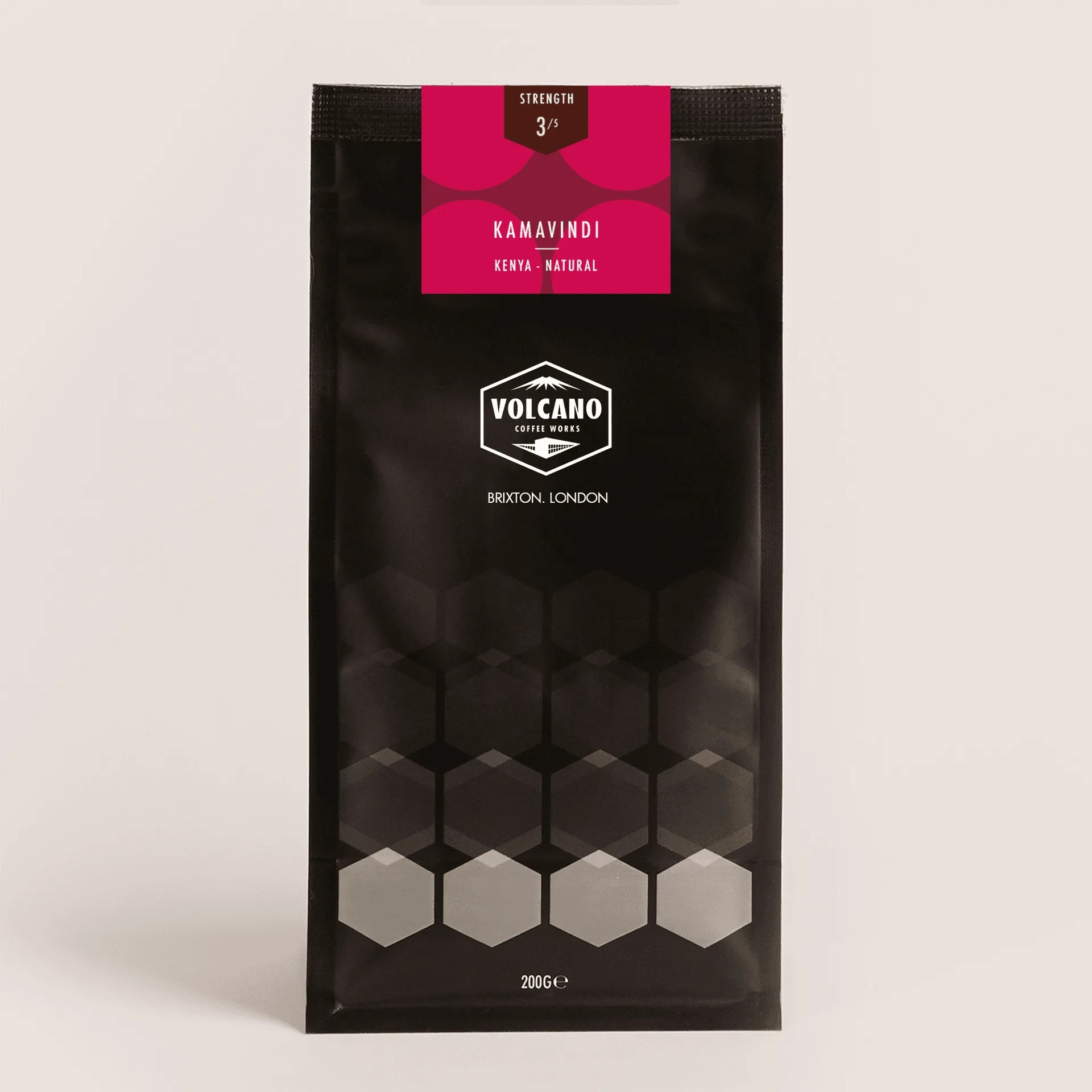
Kamavindi Coffee
Water quality matters too: use filtered or bottled water heated to 93–96°C (200–205°F). A clean palate is essential, so have plain crackers or sparkling water on hand to reset your taste buds between samples. Finally, a cupping form or notebook helps you record your observations. If you’re serious about home cupping, consider investing in a Coffee Tamp Mat to keep your workspace tidy and your equipment stable.
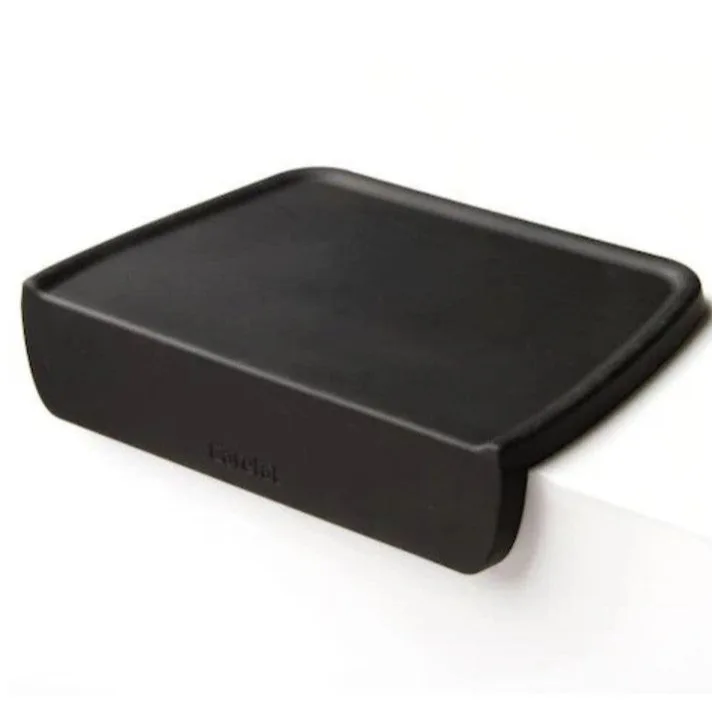
Coffee Tamp Mat
- Freshly roasted coffee beans (single origin recommended)
- Burr grinder for consistent particle size
- Digital scale accurate to 0.1g
- Cupping bowls (6–8 oz) or small glass cups
- Cupping spoon (wide, deep spoon for slurping)
- Timer and thermometer
- Filtered water heated to 93–96°C
- Notebook and pen for notes
- Palate cleansers (plain crackers, water)
Step-by-Step Guide to Coffee Cupping
Start by grinding your coffee to a medium-coarse consistency—similar to sea salt. For each sample, weigh 8.25 grams of coffee per 150 ml of water. Place the grounds in a cupping bowl and smell the dry fragrance before adding water. Then, pour the hot water directly over the grounds and start the timer. Let the coffee steep for exactly 4 minutes without stirring.
After 4 minutes, break the crust that forms on top. Use your cupping spoon to gently push the crust aside while inhaling the aroma—this is the most intense aromatic moment. Skim off any floating grounds and foam from the surface. Wait another 8–10 minutes for the coffee to cool to around 70°C before tasting. Now, slurp a spoonful of coffee from the bowl, drawing it into your mouth with a sharp, audible sip. This aerates the coffee across your entire palate, allowing you to detect subtle flavors. Evaluate each attribute and note your impressions.
- Grind coffee to medium-coarse (like sea salt)
- Use 8.25g coffee per 150ml water
- Smell dry fragrance, then add water (93–96°C)
- Steep for 4 minutes, then break the crust
- Skim off grounds and wait 8–10 minutes to cool
- Slurp coffee loudly to aerate and taste
- Evaluate each attribute: fragrance, aroma, flavor, aftertaste, acidity, body, balance, sweetness, clean cup
How to Describe Coffee Flavors Like a Pro
Describing coffee flavors can feel intimidating at first, but with practice, you’ll develop a personal flavor vocabulary. Start by associating tastes with familiar foods: think of berries, citrus, chocolate, nuts, or caramel. For instance, the Rise Up Blend offers a rich, chocolatey profile with hints of dried fruit—perfect for practicing medium-dark roast descriptors. Use a flavor wheel (available online from the Specialty Coffee Association) as a reference guide.
When cupping, pay attention to the coffee’s acidity: is it crisp like a green apple, wine-like, or soft? Note the body: is it light and tea-like, or heavy and syrupy? Sweetness can range from honey to brown sugar. Aftertaste might be short and clean or long and lingering. Over time, you’ll be able to identify specific origin characteristics—like the floral notes of Ethiopian beans or the earthy spice of Sumatran coffee. Regular cupping sessions will sharpen your palate and make every cup more enjoyable.
- Use familiar flavor references (fruit, chocolate, nuts)
- Refer to a coffee flavor wheel for guidance
- Describe acidity: crisp, wine-like, soft, bright
- Note body: light, medium, full, syrupy
- Identify sweetness: honey, caramel, brown sugar
- Evaluate aftertaste: short, lingering, clean
- Practice with single-origin coffees to learn terroir
Coffee cupping is a rewarding practice that transforms the way you experience coffee. By following this step-by-step guide, you can unlock the full spectrum of flavors hidden in every bean. Whether you’re exploring single origins like Kamavindi Coffee or perfecting your sensory skills with a versatile blend, cupping helps you become a more informed and appreciative coffee drinker. Ready to start your cupping journey? Grab a bag of our Specialty Coffee Starter Box and begin tasting the difference today.