Quick answer
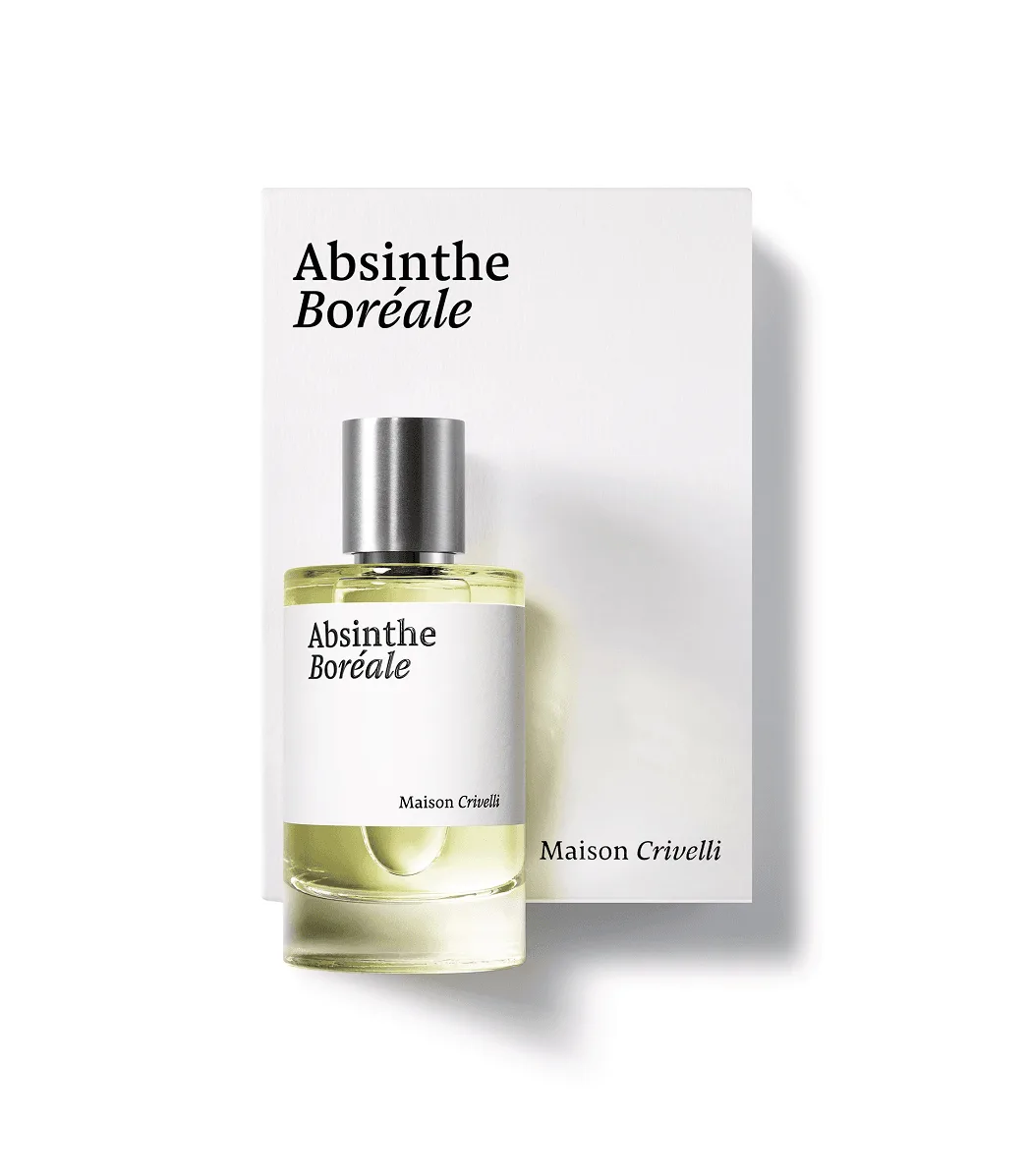
Absinthe Boréale is not a classic green herbal scent in the familiar sense of crushed leaves or kitchen herbs. Its green character comes from a blizzard of frosty aromatic notes, softened by lavender and musks. If you expect a sharp, grassy herbal perfume, the actual composition will surprise you.
The myth: green herbal means grassy and sharp
Many fragrance shoppers use 'green herbal' as shorthand for scents that smell like freshly cut grass, crushed stems, or a Mediterranean herb garden. That association is common, but it is not the only way a perfume can read as green or herbal. Absinthe Boréale challenges that assumption because its greenness is built on a different structure: a blizzard of frosty aromatic notes rather than a dense green bouquet. The result is a scent that feels cool and aromatic, not leafy or vegetal.
What the absinthe note actually does in this fragrance
In perfumery, the absinthe note is often used to create a cool, almost anise-like aromatic effect. In Absinthe Boréale, that effect is amplified by the overall arctic inspiration. The composition is described as a magnetic creation built around an unexpected contrast between a blizzard of frosty aromatic notes and the comforting, soft facets of lavender and musks. So the absinthe note here is not a standalone herbal punch; it is part of a chilly, aromatic opening that gradually warms into something softer. If you are looking for a literal wormwood or black licorice bomb, this is not that. Instead, expect a fresh, aromatic chill that feels more like cold air than a garden.
Why lavender and musk change the green impression
Lavender is itself an aromatic herb, but in Absinthe Boréale it is used for its soothing, soft side rather than its sharp, camphoraceous edge. Paired with musks, it creates a base that is comforting and smooth. This means the fragrance does not stay in a cold, herbal register from start to finish. The green, frosty opening gradually gives way to a softer, more skin-like warmth. For anyone who finds traditional green perfumes too bitter or aggressive, this transition can make Absinthe Boréale more wearable. It also explains why some people describe it as a green scent while others focus on its cozy finish.
How to wear it if you want the green to stand out
If your goal is to emphasize the frosty aromatic aspect, apply Absinthe Boréale to pulse points and avoid layering it with sweet or heavy fragrances. The cool opening is most noticeable in the first hour. As it dries down, the lavender and musk become more prominent. For a greener impression in warm weather, a single spray on the chest or wrists is often enough. In cooler months, you may prefer to spray it on clothing or hair to prolong the chilly top notes. Keep in mind that this is an extrait de parfum, so it is concentrated; start with less than you think you need.
Myth vs. reality: Absinthe Boréale edition
- Myth: Absinthe Boréale is a classic grassy green scent: The fragrance uses frosty aromatic notes rather than a dense green bouquet. Its greenness is cool and airy, not leafy or vegetal. Verdict: False. Expect an arctic chill, not a lawn.
- Myth: The absinthe note makes it smell like black licorice: The absinthe note contributes a cool, aromatic effect, but it is blended with lavender and musks that soften and warm the composition. Verdict: Partly true. There is an aromatic chill, but it is not a literal licorice bomb.
- Myth: Green herbal perfumes are always sharp and aggressive: Absinthe Boréale shows that a green, herbal character can be smooth and comforting thanks to its lavender and musk base. Verdict: False. This one is wearable even if you usually avoid green scents.
Key product facts
- Absinthe Boréale: Absinthe Boréale is built around a contrast between a blizzard of frosty aromatic notes and the comforting, soft facets of lavender and musks. This explains why the fragrance reads as green and herbal at first but becomes softer and more wearable over time.