Quick answer
Start with a simple 1:3 rye-to-bread-flour loaf, then use the rest of the bag for pancakes, muffins, cookies, crackers, and quick breads. Store the flour in airtight containers away from heat and light, and bake through the bag within a few months for the best flavor.
A 25 lb bag of rye flour is a commitment, but it is also one of the most versatile whole grains you can keep in a home kitchen. Rye brings a malty, slightly tangy flavor to everything from sandwich loaves to cookies, and it keeps baked goods moist for longer than wheat alone.
The trick is to work through the bag with a plan. Below are 12 everyday bakes that use rye flour in practical amounts, plus a step-by-step method for storing, measuring, and baking so the last cup is as good as the first.
Why rye flour belongs in everyday baking
Rye flour is not just for dense deli loaves. It adds depth to pancakes, gives crackers a nutty snap, and makes muffins and quick breads taste more complex. Because rye absorbs more water than wheat, it also helps baked goods stay tender for an extra day or two.
You do not need to replace all your wheat flour. Most everyday recipes work well when rye makes up 25 to 50 percent of the total flour. That range keeps the structure familiar while letting the rye flavor come through.
- Use rye at 25–50% of the total flour in quick breads, muffins, and cookies.
- For yeast breads, start with 20–30% rye and increase as you get comfortable.
- Rye loves buttermilk, yogurt, molasses, and brown sugar.
12 everyday bakes to work through the bag
These twelve bakes cover breakfast, lunch, snacks, and dessert. They are ordered roughly from easiest to most involved, so you can start simple and build confidence.
1. Rye pancakes. 2. Rye waffles. 3. Rye muffins with berries. 4. Rye banana bread. 5. Rye sandwich loaf (30% rye). 6. Sourdough rye boule. 7. Rye crackers. 8. Rye scones. 9. Rye chocolate chip cookies. 10. Rye brownies. 11. Rye pizza dough. 12. Rye flatbreads.
- Keep a small notebook of which bakes your household actually finishes.
- Double batches of pancakes, muffins, and cookies freeze well.
- Savory bakes like crackers and flatbreads use up rye quickly without leftovers.
How to store a 25 lb bag so it stays fresh
Rye flour contains more oils than white flour, so it goes stale faster. The goal is to keep it cool, dark, and sealed. A 25 lb bag is too large to open and leave in the pantry.
Divide the bag into smaller containers the day you bring it home. Keep a 2- to 3-week working supply in an airtight jar, and store the rest in the freezer or refrigerator. Label each container with the date.
- Use airtight containers, not the original paper bag, once opened.
- Freeze flour in 2- to 5-lb portions for easy thawing.
- Bring frozen flour to room temperature before baking to avoid temperature shocks in yeast dough.
Step-by-step: bake through a 25 lb bag of rye flour
- 1. Divide and store the bag on day one: Open the 25 lb bag and split it into airtight containers: one small jar for daily use, the rest in 2- to 5-lb portions in the freezer. Label everything with the date. Checkpoint: if you can smell the flour through the container, it is not sealed well enough.
- 2. Bake a simple 30% rye sandwich loaf first: Use 30% rye and 70% bread flour by weight. This gives you a feel for how rye hydrates and rises before you try higher percentages. Common mistake: adding rye without adding water. Increase liquid by about 1 tablespoon per cup of rye flour.
- 3. Move to quick breads and muffins: Replace up to half the flour in your favorite muffin or banana bread recipe with rye. These bake fast and use up 1 to 2 cups per batch. Checkpoint: the batter should be slightly thicker than usual; add a splash of milk if it looks dry.
- 4. Add crackers and flatbreads for savory use: Rye crackers and flatbreads use 2 to 3 cups at a time and keep well. They are the fastest way to empty the bag without sweet leftovers. Common mistake: rolling crackers too thick. Aim for 1/8 inch for a crisp snap.
- 5. Try a sourdough rye once you are comfortable: A 50% rye sourdough boule is the classic test. Use a wet dough, a hot Dutch oven, and a long cool proof. Checkpoint: the dough should feel like a thick batter, not a firm wheat dough.
- 6. Track what you bake and repeat the winners: Keep a simple list on the flour container. Note which bakes your household finished and which lingered. Repeat the top three every few weeks. Next step: when the bag is half empty, plan two bake days a month to finish it before the flour ages.
Useful products for rye baking
- Shortbread Cookies 18 pk: A convenient multi-pack of shortbread cookies, offered in a standard option. A ready-made treat for when you are between bakes or want something to serve alongside coffee while your rye bread cools.
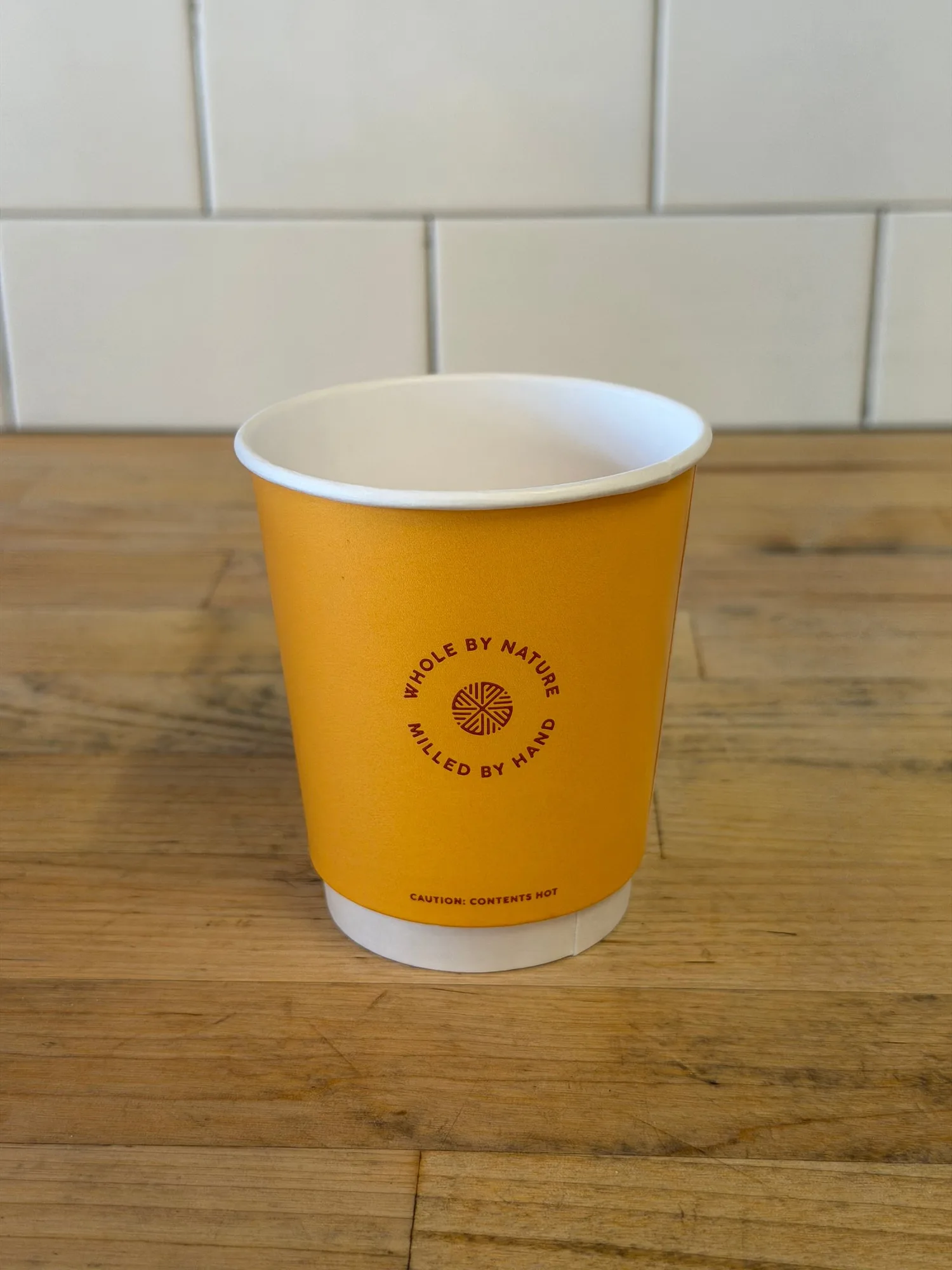
- 8 oz Hot Cups: 8 oz capacity, 500 cups per case, packaged for commissary use and wholesale-only ordering. If you bake in volume and share or sell your rye bakes, these cups are a practical way to serve hot drinks alongside them.
A 25 lb bag of rye flour rewards a little planning. Store it well, start with a 30% rye loaf, and rotate through pancakes, muffins, crackers, and cookies. The bag will empty faster than you expect, and you will have a new set of everyday favorites.