Quick answer
Pack one card game, one compact puzzle or puzzle-pair set, and one conversation or flash-card deck per child, then add a shared game for rest stops. Skip anything with loose pieces smaller than a fist, anything that needs a table, and anything that only works for one age. The goal is a small kit that covers solo play, together play, and quiet time without turning the back seat into a mess.
Start with the three jobs your kit has to do
A road trip activity pack works when it covers three different moments: the long highway stretch where kids are alone in their seat, the shared hour when everyone is bored at the same time, and the wind-down before a hotel or a late arrival. Most families overpack one category and forget the others. If you choose one item for each job per child, you usually land on four to six small items total, which fits in a single tote or seat-back organizer.
Think about the surface your child will actually have. In a car seat or booster, that is a small lap tray or their thighs, not a table. Card games that need a flat spread of cards or puzzle pieces that must stay in a neat grid will frustrate everyone. Games with self-correcting pieces, cards that can be held in one hand, or decks with simple turn-taking rules survive the car far better.
- Solo job: one quiet, low-mess item your child can do without help.
- Together job: one game that works with two to four players in tight space.
- Wind-down job: one calm, repetitive activity that does not need a screen.
Choose card games by hand size and rule length
Travel card games earn their place when the rules can be explained in under two minutes and the cards stay in a manageable stack. A standard 52-card deck is flexible, but many kids under seven struggle to fan a full hand in a moving car. Decks with a narrower purpose, like a baseball-themed action game where each flipped card tells you the next play, keep the turns short and the reading minimal. That structure is easier for a child to run on their own while you drive.
If you want a deck that doubles as a gift or a keep-forever item, look at finish and packaging. A linen finish surface is easier to shuffle and less likely to slide off a lap tray. A foiled gift boxed set with two 52-card decks and jokers gives you a spare deck if one gets lost under a seat, which happens on almost every long trip. The trade-off is price and weight: a boxed set costs more and takes more room than a single inexpensive deck, so it makes more sense for a family that plays cards often than for a one-off trip.
- Under age 7: choose decks with picture-led turns, not numbered hands.
- Ages 7–10: standard decks and simple action games work well.
- Ages 10+: add a second deck so two kids can play independently.
Pick puzzles that tolerate bumps and missing pieces
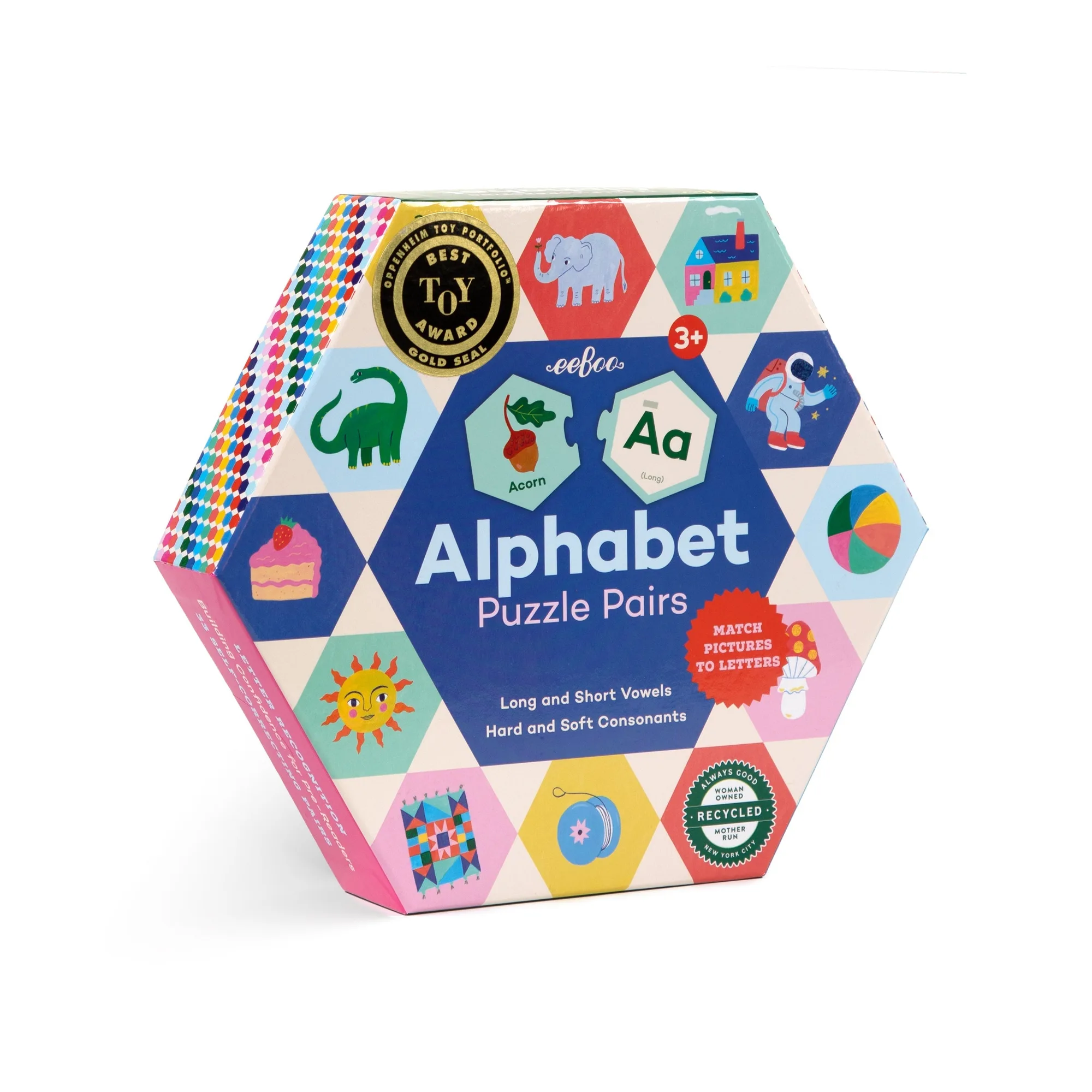
Traditional jigsaw puzzles are a poor fit for a moving car because pieces slide and the picture shifts. Puzzle pairs solve that problem: they are self-correcting, so a child can test an answer and fix it without an adult, and the pieces are sturdy enough to handle on a lap. A hexagon-shaped number puzzle pair set with counting coins, for example, gives you two activities in one bag and works for one to three players, which covers both the solo and together jobs.
When you compare puzzle options, check the piece count and the age range against the length of your drive. Twenty-five pairs and twenty counting coins is enough to fill a solid stretch of highway without becoming a forty-minute cleanup. For a shorter trip or a younger child, fewer pieces is better. If the manufacturer does not list a piece count or an age range, treat that as a real limitation and choose something with clearer guidance, especially if you are buying for a child you do not know well.
- Self-correcting pieces reduce adult help and back-seat frustration.
- Ages 4+ sets with 20–30 pieces suit most single-leg drives.
- Avoid puzzles with loose, tiny pieces that can vanish into seat cracks.
Use conversation and flash cards for the boring middle hours
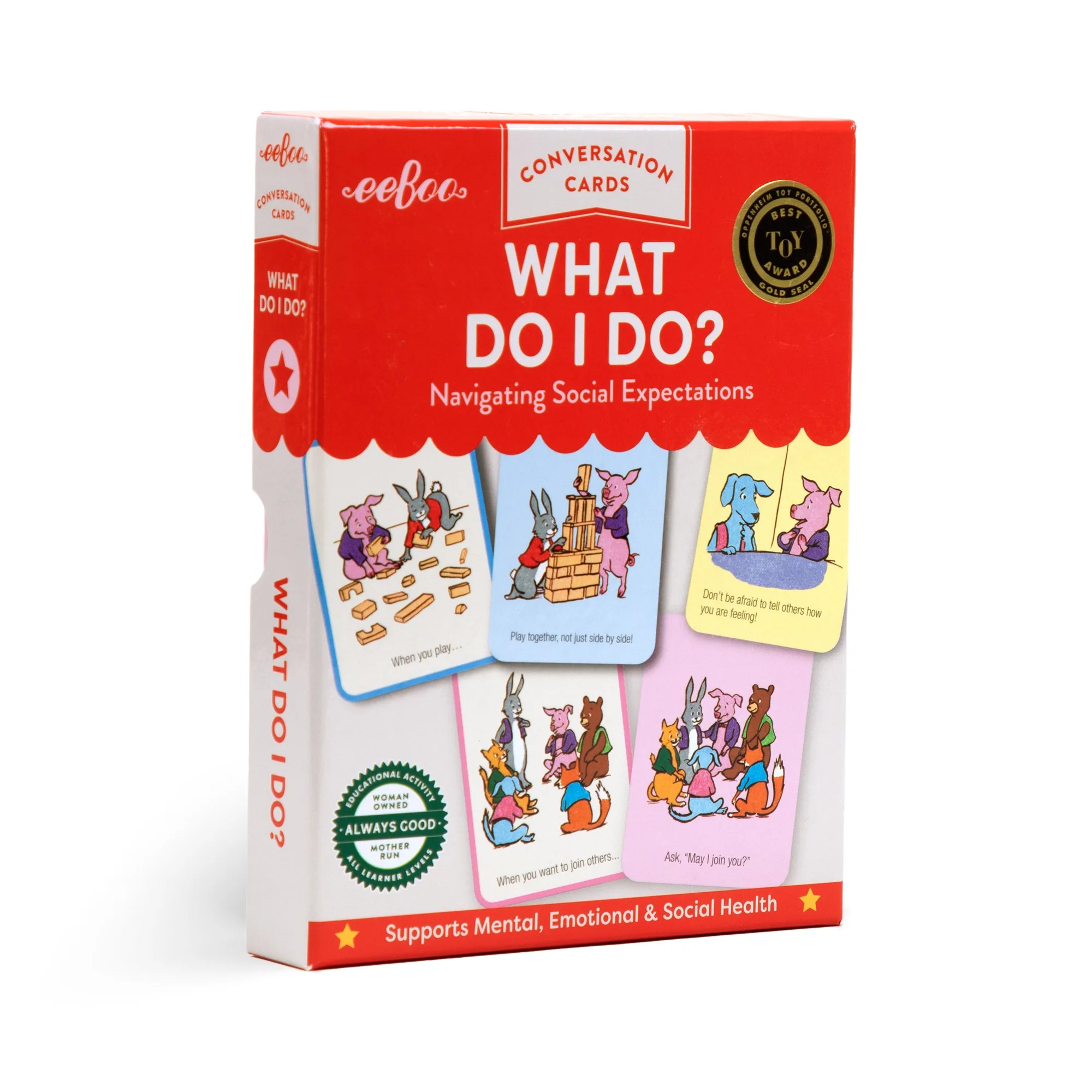
The hardest part of a road trip is not entertainment, it is the stretch where everyone is tired and nothing new is happening. Conversation and flash-card decks fill that gap because they create talk instead of requiring focus. A deck built around social situations, for example, gives you 48 prompts that open a dialogue between parent and child about what behavior might be expected in different settings. You can use three or four cards at a time, then put the deck away, which makes it easy to stretch across a whole trip.
These decks also double as a rest-stop activity. Instead of handing everyone a screen the moment you park, pull out a few cards and talk through them while you stretch. The trade-off is that conversation decks need a willing participant. If your child is deep in a book or a game, forcing a card will backfire, so keep this deck as an option rather than a scheduled event.
- Good for ages 5+ who can answer open-ended questions.
- Works best with two to four people, not a whole minivan.
- Store the deck in a zip pouch so cards do not scatter.
Decision rules for packing your road trip kit
- Rule 1: One item per job, per child: Assign one solo activity, one together game, and one quiet deck for each child. If two children share an age range, they can share the together game but should each have their own solo item to avoid trading and arguing. Cap the kit at four to six small items total.
- Rule 2: If it needs a table, leave it home: Test each item on your lap before you pack it. Card games with a manageable hand and self-correcting puzzle pairs pass; sprawling board games and large jigsaws do not. Lap-friendly beats table-friendly every time.
- Rule 3: Match the age range to the youngest player: A set rated for age 4+ will bore a ten-year-old, and a game with small pieces is a choking risk for a toddler. Pick items with a clear age range and buy one item slightly above and one slightly below your child's age. Check the stated age range before buying.
- Rule 4: Buy one durable item instead of three cheap ones: A linen-finish deck or a sturdy puzzle pair set survives being shoved into a bag and dropped on a rest-stop picnic table. Cheap cards bend and puzzle pieces delaminate, which means you rebuy before the next trip. Durability is the real cost-per-trip calculation.
- Rule 5: Keep one screen-free backup you never announce: Save one deck or puzzle pair in the glove box and only bring it out when the trip hits its low point. Novelty does most of the work, and you avoid burning through every activity in the first two hours. Hide one item until you need it.
Products that fit a road trip kit
- What Do I Do? Conversation Cards: What Do I Do? Conversation Cards is a 48-card deck designed to help children understand how to handle various social situations with poise, grace, and confidence, with encouraging illustrations and simple instructions for opening dialogues between parents and children. It covers the wind-down and talk-based job in your kit, and 48 cards stretch across multiple legs of a trip without needing a screen or a flat surface.
- Baseball Playing Cards: Baseball Playing Cards is a classic action card game where flipped cards give the next play action, such as ball, strike, or homerun, and it is sized to tuck into a bag for road trips. The play-by-play structure keeps turns short and reading minimal, so a child can run it in a car seat while you drive, and the small size makes it easy to keep in a seat-back pocket.
- Numbers Hexagon Puzzle Pairs: Numbers Hexagon Puzzle Pairs includes 25 hexagonal, self-correcting number puzzle pairs and 20 sturdy counting coins, is for 1–3 players, and is rated for age 4+. The self-correcting design means a child can check their own work on a lap, and the 1–3 player range lets it serve as both a solo activity and a small-group game at a rest stop.
- Mushroom Playing Cards: Mushroom Playing Cards is a foiled gift boxed set with two 52-card decks and jokers, featuring illustrations by Fumiha Tanaka, metallic gilded edging, and a linen finish surface that is easy to shuffle. Two decks mean two kids can play at once or you have a backup if a deck is lost, while the linen finish reduces sliding on a lap tray; the boxed set costs more and takes more space, so it suits families who play cards regularly.
Who this kit fits
Best for
- Families driving three or more hours with children ages 4–10
- Parents who want screen free road trip activities that fit in a seat-back organizer
- Buyers looking for travel games for kids that work with one to three players in a small space
- Gift-givers putting together a kids travel activity pack for a family they know well
Not for
- Families who rely on tablets for the whole drive and do not want to manage loose pieces
- Children under age 4 who still mouth small parts
- Trips where every passenger needs a separate, independent activity for many hours
- Buyers who want a single all-in-one boxed game rather than a mix of small items