Quick answer
Bread and buns go stale fast for three main reasons: air reaches the cut surfaces, the loaf sits somewhere warm, or it was stored in the refrigerator. Keep it wrapped tightly at room temperature, and freeze anything you will not finish within a day or two. If the crumb is already hard and dry all the way through, no storage trick will bring it back.
Symptom: soft at the store, dry by morning
A bun that feels pillowy at purchase and turns leathery overnight is losing moisture from its surface, not from its center. That points to airflow and a dry room rather than a bad bake. If the crust is still soft but the inside is crumbling, the loaf was likely cut while warm or stored cut-side exposed, which gives moisture an easy exit.
Cause: the refrigerator is the wrong place for daily bread
Cold temperatures speed up starch retrogradation, the process that makes bread feel firm and stale even when it has not lost much water. A refrigerator also circulates dry air, which pulls moisture off any loosely wrapped loaf. That is why bread often seems staler after one night in the fridge than after one night on the counter.
The exception is bread you will not eat within about two days. For those, freezing is the better move because it pauses staling instead of accelerating it.
Fix: match the wrap to how soon you will eat it
For same-day or next-day eating, keep the loaf in a paper bag inside a bread box or a loosely closed plastic bag. Paper lets the crust breathe; the outer bag slows moisture loss. For cut bread, press the cut faces together and wrap the whole loaf tightly so the exposed crumb is not facing open air.
For longer storage, slice first, wrap tightly, and freeze. Reheat slices straight from frozen in a toaster or a 300°F oven rather than thawing on the counter, which exposes them to air twice.
Fix: stop cutting into a hot loaf
Cutting bread before it has cooled releases steam that would otherwise stay in the crumb, and the remaining loaf then dries from the inside out. Wait until the loaf is fully cool to the touch. The same rule applies to buns pulled from a warm oven: let them cool on a rack so air can move underneath instead of trapping steam against the tray.
When to stop trying to revive it
If a slice is dry and hard throughout, toasting will crisp it further rather than soften it. At that point, use it for croutons, breadcrumbs, or a bread pudding instead of trying to restore it. If the bread shows mold, a sour smell, or a sticky surface, discard it; those are spoilage signs, not staling, and reheating will not make it safe.
Staling diagnosis: read the loaf before you change your routine
- Dry crust, soft center: Surface moisture is escaping, usually through an open bag or a warm spot near the stove or a sunny window. Move the loaf to a cool spot and close the outer bag. This is the easiest case to fix.
- Firm and crumbly throughout: Starch retrogradation has set in, often after a night in the refrigerator or several days on the counter. Toasting can help a slice or two, but a whole loaf at this stage is better used for crumbs or pudding.
- Stale after one day despite good wrapping: The loaf may have been cut warm, or it is a lean, crusty style that simply has a short shelf life by design. Change your buying plan rather than your storage: buy smaller loaves more often, or freeze half on day one.
- Mold, sour smell, or tacky surface: This is spoilage, not staling, and it happens faster in humid conditions or when bread is wrapped while still warm. Discard it. No reheating method makes spoiled bread safe to eat.
What to buy if you want bread that holds up
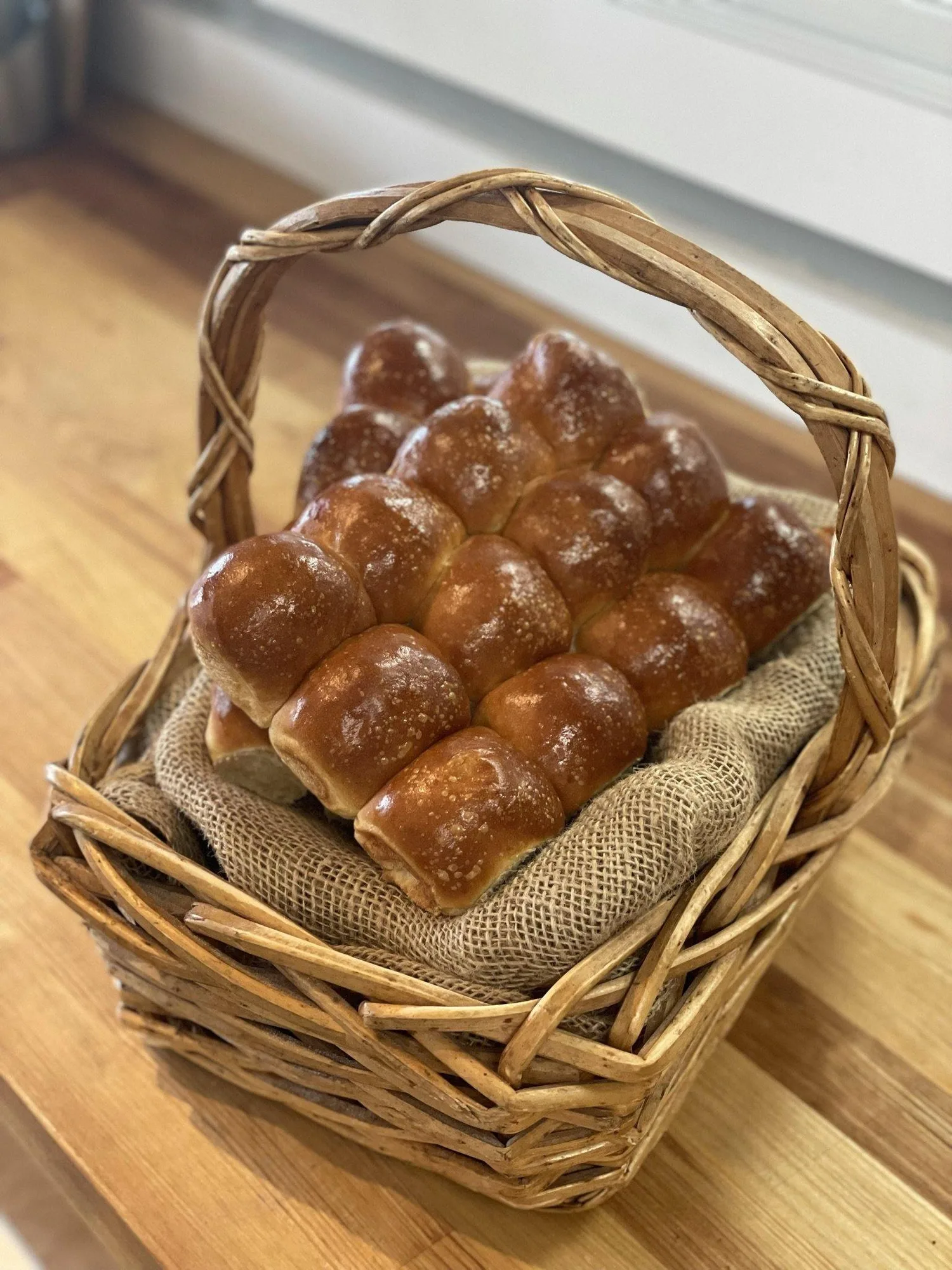
- Pull Apart Rolls (dozen): Pull Apart Rolls (dozen) are buttery parker house style rolls, sold as a set of twelve, and are a fitting choice for bread baskets and shared meals. A pull-apart format means the rolls protect one another's cut surfaces, so fewer exposed edges dry out before the meal is over.
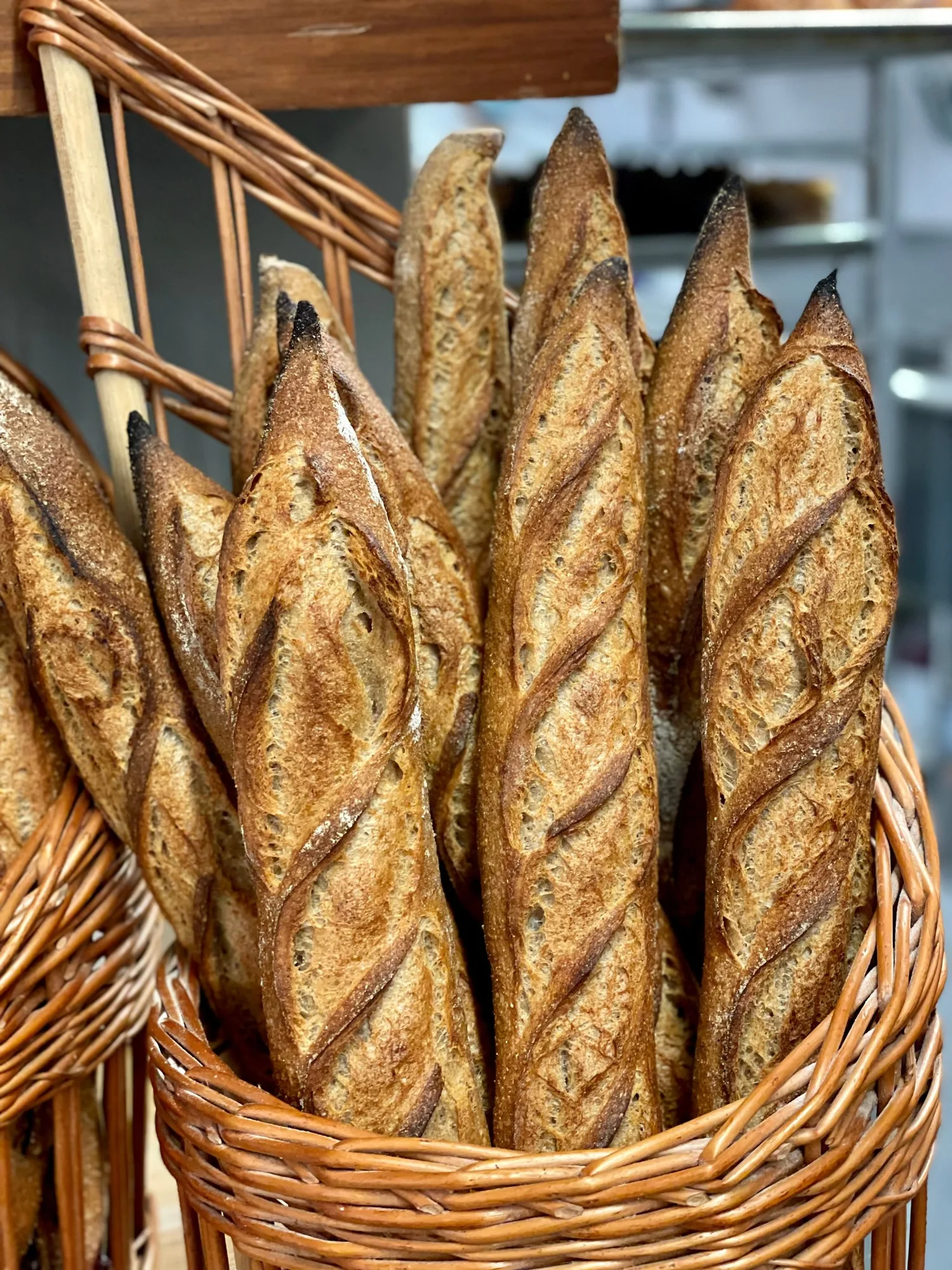
- Sourdough Baguette: The Sourdough Baguette is a baguette-style loaf made with a wholegrain sourdough blend of red wheat and spelt. A baguette has a high surface-to-crumb ratio, so it dries faster than a round loaf. Plan to eat it the same day or freeze part of it immediately.
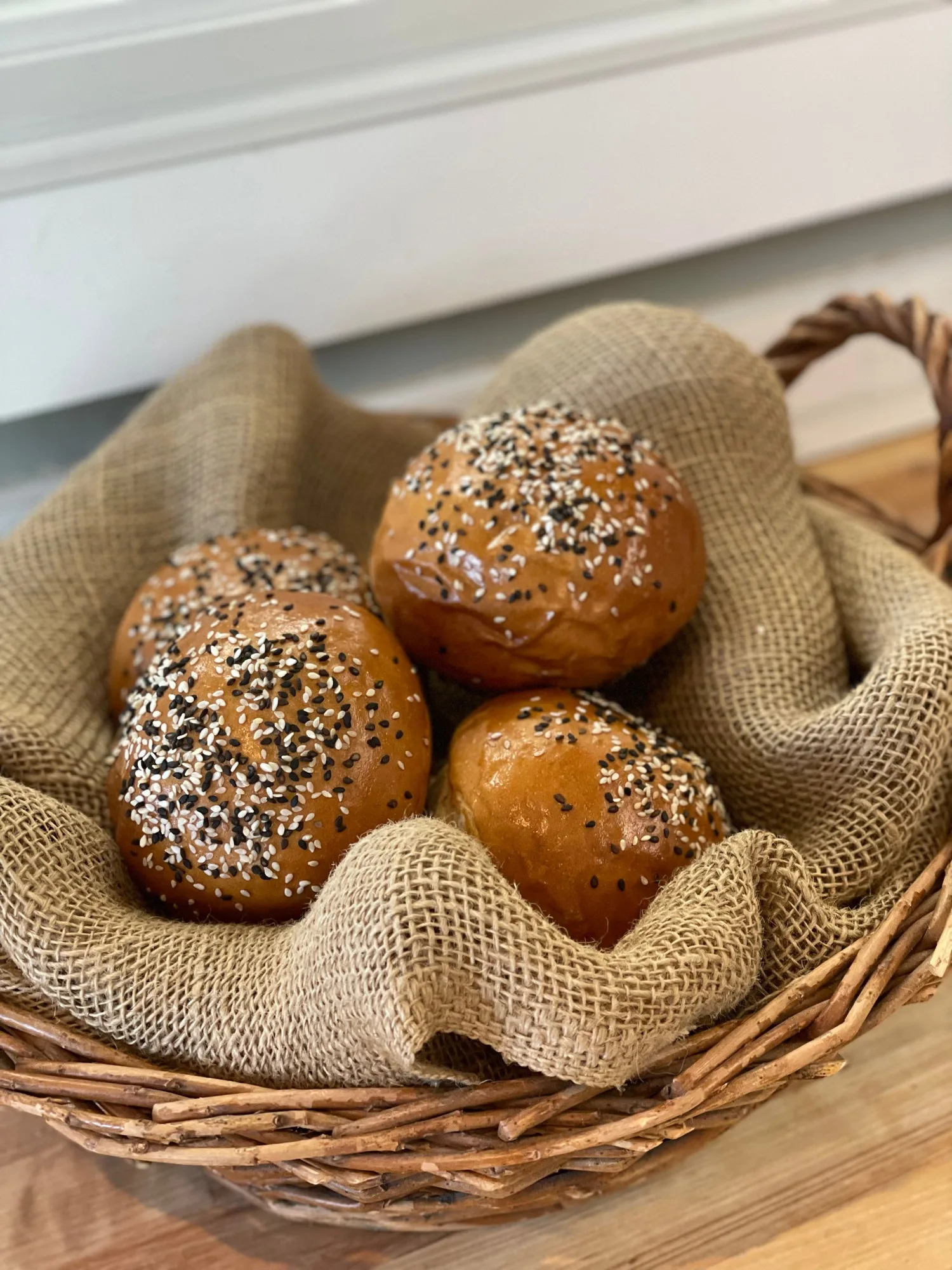
- Hamburger buns: Hamburger buns are a sesame soft roll suited to burgers and casual gatherings, and are described as great for cookouts and holiday get-togethers. Soft rolls are usually bought in packs, so you often have more than one meal's worth. Freeze the extras the day you buy them rather than leaving them in the bag on the counter.