Quick answer
Eyeglasses slip because the frame doesn't fit your face correctly — the most common culprits are loose temple arms, worn nose pads, or a frame width that's too wide for your head.
Why glasses slip even when they felt fine at the store
Frame materials loosen over time. Acetate and metal frames stretch with body heat and regular handling, altering the original fit. What felt snug during your fitting may no longer hold its shape months later.
Nose pad arms on metal frames can gradually bend outward from daily cleaning or pressure. Once the arms splay open, the pads lose grip and the frame slides down.
When slipping is a signal for a new frame
If your frame size is significantly too wide for your face, no adjustment will create a lasting fit. The bridge should sit flush against your nose without side pressure from the temples.
Brittle or cracking acetate cannot be safely bent. If your frames show stress marks near the hinges or bridge, attempting an adjustment may snap the frame.
Symptom → Cause → Fix (and when to stop)
- Symptom: Glasses slide forward when you nod or look down: Likely cause: Temple arms are too straight or the frame width is too wide. Try gently curving the temple tips downward behind your ears. If the frame still slides, the bridge width may be too large — that requires a different frame size.
- Symptom: Glasses sit low on the nose, nose pads leave red marks: Likely cause: Nose pad arms are spread too far apart. Use clean fingers or a small screwdriver to pinch the pad arms together slightly — 1–2 mm can make a noticeable difference. Do not force plastic pads all the way together; they can crack. If pads are hard plastic and won't move, consider replacing them or switching to a frame with adjustable silicone pads.
- Symptom: Glasses slip on one side only: Likely cause: One temple arm is bent out of shape or the frame is twisted. Place the glasses on a flat surface — if one temple lifts up, gently bend the hinge area of the lifted side inward. Repeat in small increments. If the frame is titanium or memory metal and you cannot see a visible bend, take it to a professional. These materials require heat or specific tools.
- Symptom: Glasses feel snug but still slide when you sweat or apply makeup: Likely cause: Lack of friction on the nose pads. Clean nose pads with mild soap and water. For metal frames, consider adhesive silicone nose pad covers. For plastic frames, a small strip of anti-slip temple wax behind the ears can help.
- Stop here: Do not force a bent frame or heat acetate at home: Acetate frames need controlled heat to become pliable without cracking. Overheating can ruin the finish. If your frame is brittle, shows cracks, or you cannot identify the cause, visit an optician. A professional adjustment costs little and saves you from breaking the frame. When the frame is older than 2 years or has visible stress lines, it may be more cost-effective to replace it.
Eyewear that naturally resists slipping
-
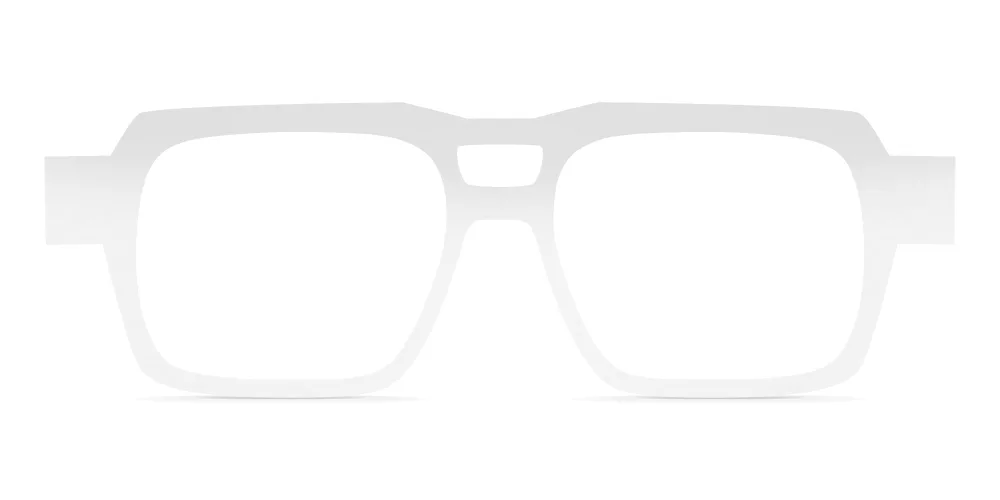
SANDS STREET: SANDS STREET readers have a 52 | 19 | 140 size with a keyhole bridge and polycarbonate lenses. Readers like these often have snugger temples and a defined bridge fit, which can reduce slipping compared to oversized fashion frames.
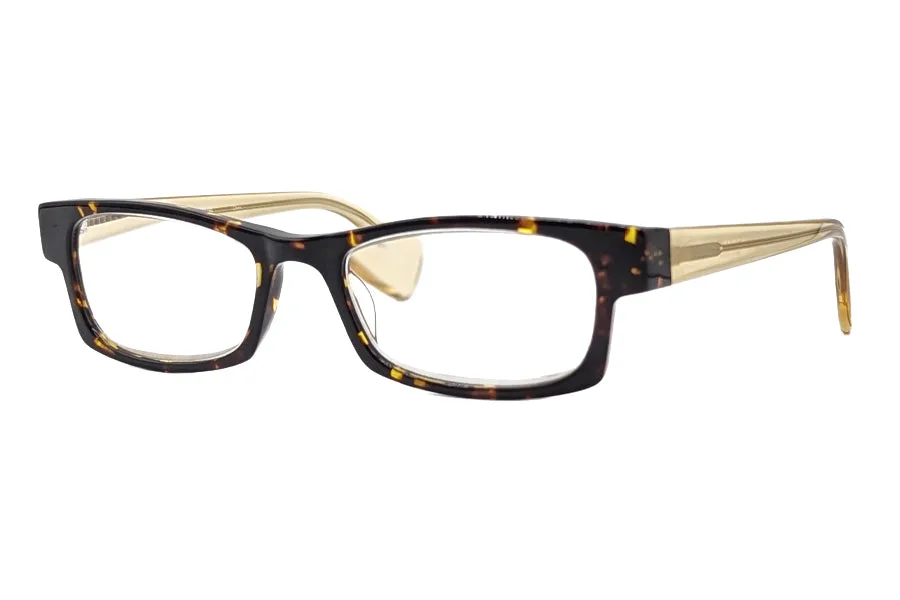
SANDS STREET
-
Thirteen: The Thirteen frame is Italian acetate, handcrafted, with an oval cat-eye silhouette and 51mm lens width. Italian acetate retains its shape well after adjustment, so a careful temple bend can hold better over time than softer plastics.
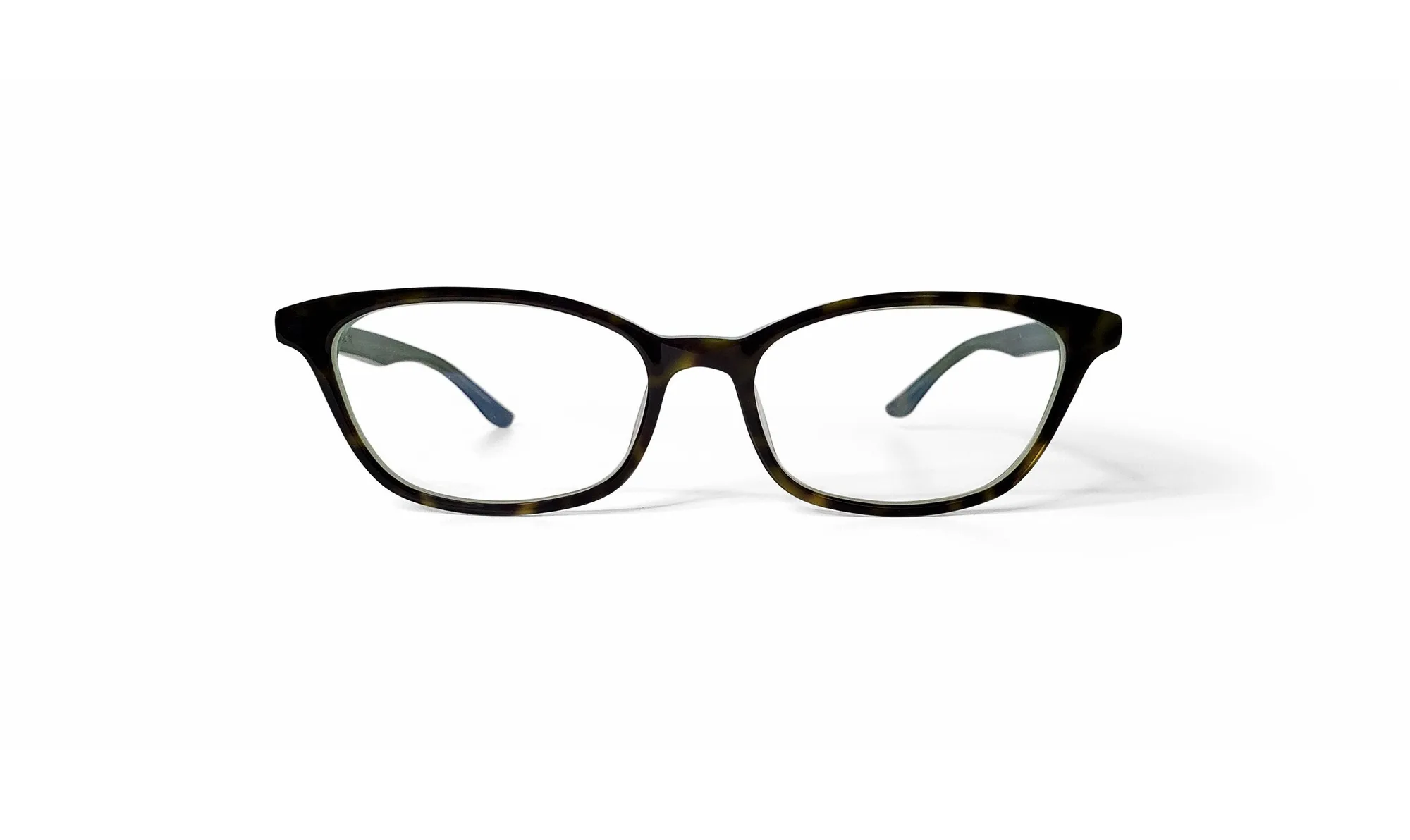
Thirteen
-
HERMES: HERMES by Nina Mûr is handcrafted from laminated birch wood and comes with customizable nosepad and temple options. Wood frames are lightweight and the adjustable nosepad lets you fine-tune grip without bending the frame itself — ideal if metal nose pads bother you.