Quick answer
When a dog ignores the e-collar, the problem is almost never that the dog is stubborn. Check collar fit and skin contact first, confirm the unit is actually delivering stimulation, then test whether your dog understands the cue without the collar. Fix those three things before you touch the intensity dial. Turning up the level on a contact or training problem only teaches the dog to tolerate more discomfort.
Start with the two-minute contact check
Put the collar on, wait a few minutes for the dog's coat to settle, then slide two fingers under each contact point. If the strap moves freely or the points sit in fur rather than against skin, the dog is not receiving a consistent signal. Long or thick coats, loose straps, and contact points that are too short for the coat are the most common reasons an e-collar seems to stop working mid-session.
- Tighten one notch at a time and re-test; a collar that is too loose is worse than one that is slightly snug.
- Part the coat at each contact point so the metal reaches skin, not a mat of fur.
- Re-check fit after 10 minutes of movement—most slipping happens once the dog starts working.
Confirm the unit is actually firing
A surprising number of e-collar training problems are hardware problems. Test the receiver with the supplied test light or on your own hand at the lowest level before you blame the dog. Charge both the transmitter and receiver fully, and check that the collar and transmitter are still paired. If your unit has a lock or safety mode, confirm it is not engaged.
- Battery contacts corrode quietly; wipe them and reseat the battery.
- Range drops in buildings, heavy brush, and behind hills—move closer and re-test.
- If the test light fires but the dog shows no reaction at a level that previously worked, stop and check fit and coat again.
Test whether the dog knows the cue without the collar
If your dog does not reliably sit, come, or heel on a flat collar in the same environment, the e-collar is not the missing piece. The collar can only reinforce a cue the dog already understands. Run the same exercise with no collar on, in the same location, at the same distance. If the dog fails there, go back to reward-based teaching and add the collar later as proofing, not as the first teacher.
- Practice the cue in a low-distraction space before adding distance or duration.
- Use the collar only after the dog performs the behavior correctly at least 8 out of 10 tries without it.
- If the dog performs perfectly at home but ignores you at the park, the gap is distraction, not stimulation.
Match stimulation level to the dog, not to a number
Working levels vary by dog, coat, and environment, so a number that works on one dog may be meaningless on another. Find the lowest level your dog just notices, then work one or two steps above that for corrections. If your dog ignores the e-collar at a level that previously got a clear response, do not jump straight to a higher setting—re-check contact and battery first, because a dead battery or shifted receiver mimics a stubborn dog.
- Re-find the working level at the start of every session; coat condition and moisture change it.
- Use momentary taps for corrections, not long holds, unless your training protocol specifically calls for continuous.
- If the dog only responds at the top of the range, stop the session and inspect the equipment.
When the dog is over threshold, not ignoring you
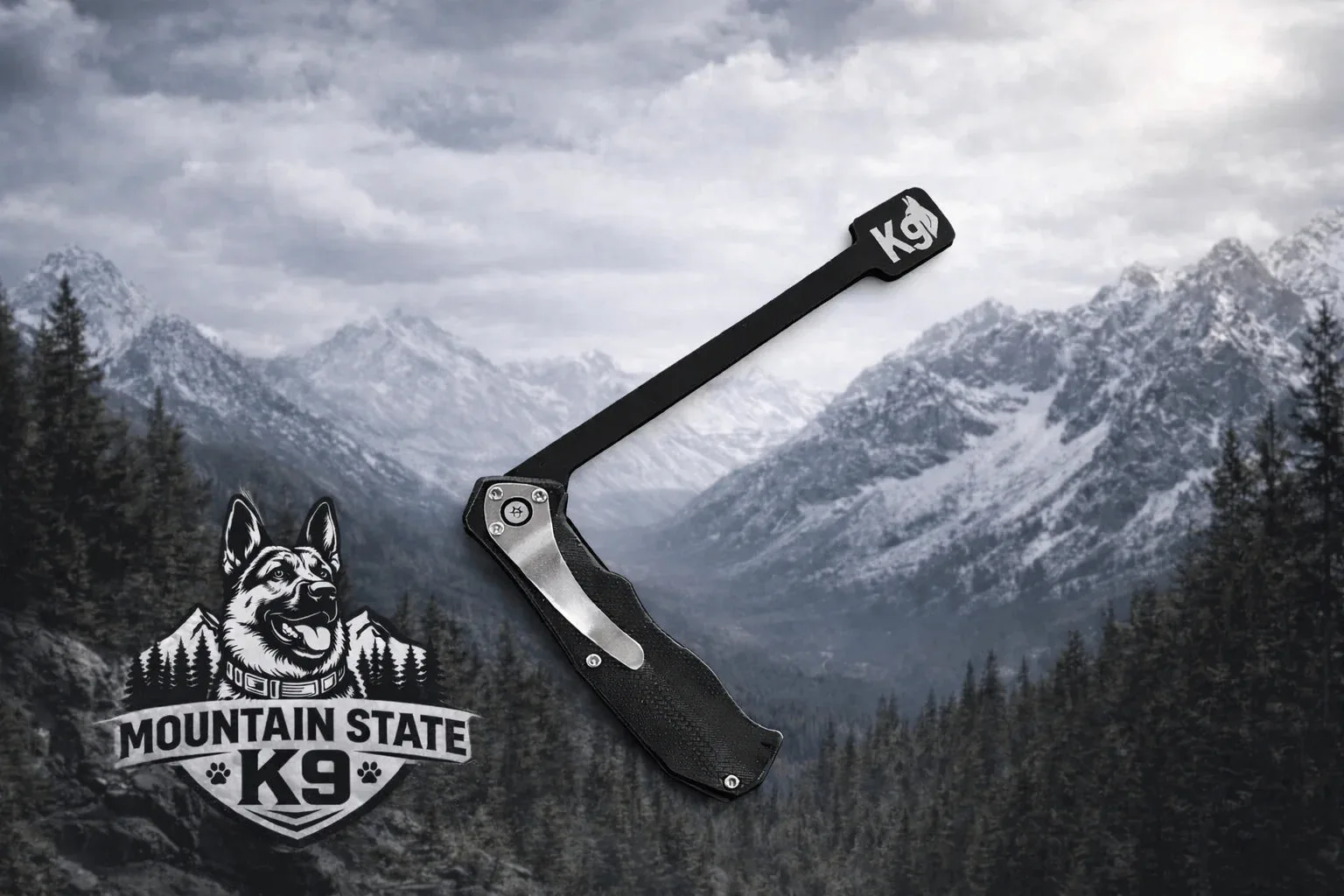
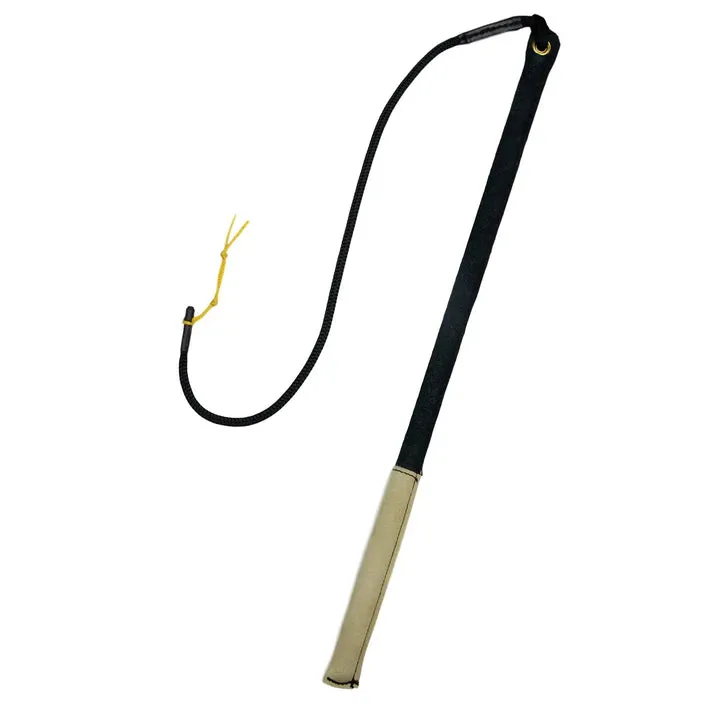
A dog that is locked onto a squirrel, another dog, or a bite sleeve may not process the collar at all. That is not defiance; it is arousal. Reduce distance to the trigger, lower the difficulty, and rebuild the behavior where the dog can still think. This is also where the right handling tool matters: a K9 Breaker Bar or Outstick by Mountain State K9 is built for professional handlers to safely disengage a dog during high-drive bite work, giving leverage and control in training and operational settings rather than relying on collar pressure alone.
- Work below the dog's threshold, then add distraction in small steps.
- End the session on a successful repetition, not on a correction the dog never understood.
- If the dog cannot respond to a known cue at any level, the environment is too hard for that day.
Symptom, cause, fix: e-collar troubleshooting
- Dog shows no reaction at any level: Most likely a contact or hardware failure: loose strap, fur-blocked points, dead battery, or unpaired receiver. Run the test light, tighten the strap, and part the coat at each contact point. If the test light fires and fit is correct but the dog still shows nothing, stop and have the unit checked.
- Dog responds at home but ignores the e-collar outside: This is a training and distraction gap, not a stimulation gap. The dog has not generalized the cue to new environments. Lower the difficulty, increase reward rate, and add distance only after success. If the dog fails the same cue on a flat collar in that environment, do not use the e-collar there yet.
- Dog used to respond and now does not: Check the working level again, inspect battery contacts, and confirm the receiver has not shifted. Coat growth, moisture, and a loose strap all change how stimulation is delivered. Re-find the lowest noticeable level each session instead of assuming last week's number still applies.
- Dog reacts but keeps doing the behavior: This usually means the dog does not understand what the correction is asking for, or the reinforcement for the unwanted behavior is stronger than the correction. Go back to teaching the correct behavior with rewards, then proof it. If the dog cannot perform the correct behavior without the collar, stop e-collar use and retrain the cue first.
- Dog shuts down, avoids, or shows stress: Stop the session. Stress signals mean the dog is not learning; continuing risks damaging the training relationship and the dog's willingness to work. Choose another option: consult a qualified trainer who uses modern, reward-based e-collar methods, or switch to a non-aversive training plan.
Gear that supports the fix
- K9 Breaker Bar or Outstick by Mountain State K9: K9 Breaker Bar or Outstick by Mountain State K9 is designed for professional K9 handlers, trainers, and working dog teams to safely disengage a dog during high-drive bite work scenarios, with leverage and control for training, sport, and operational environments. If your dog ignores the e-collar only during high-drive work, the fix may be handling technique and the right disengagement tool rather than more stimulation.
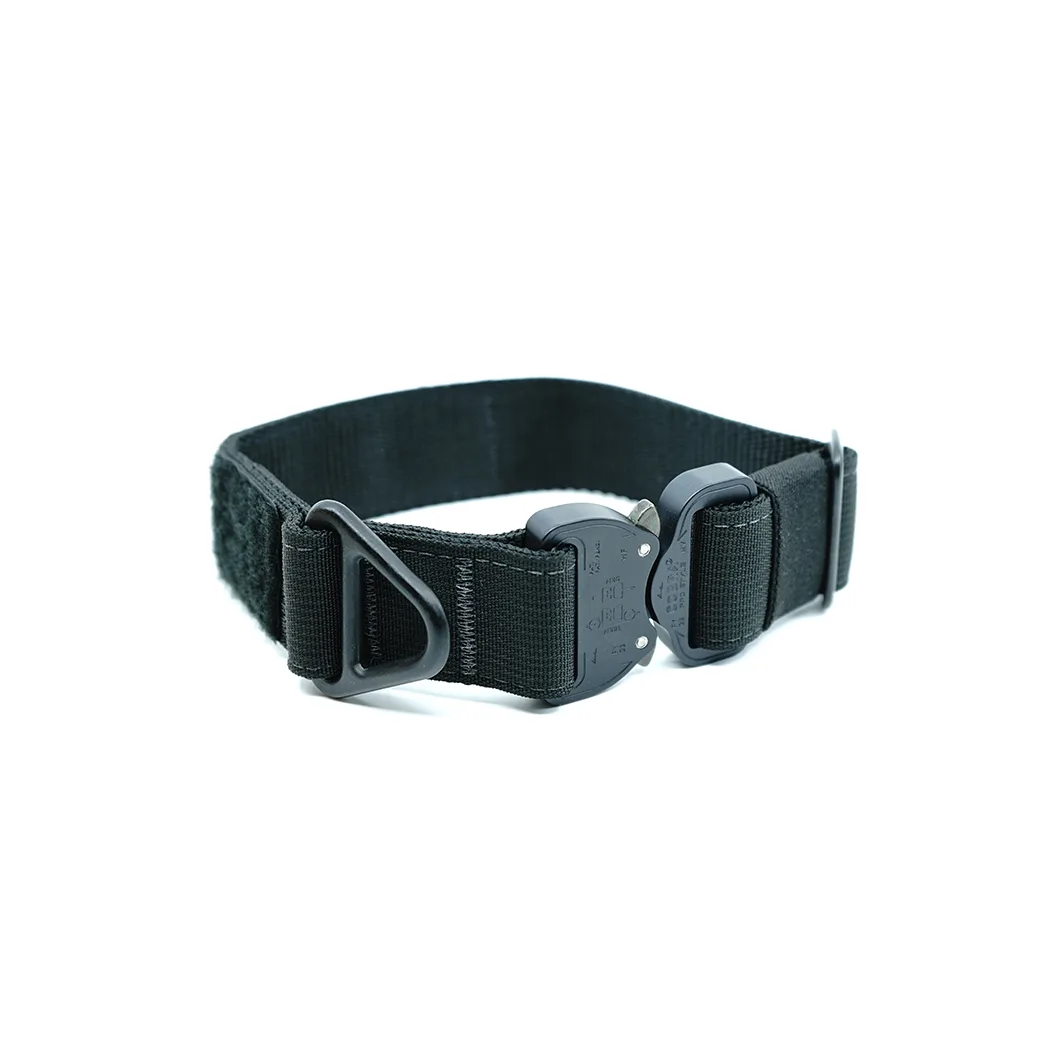
- Everyday Collar 1.5": Everyday Collar 1.5" is designed for everyday use with a sleek design for small, medium, or large breeds, and comes with multiple width and hardware options. Use a well-fitted flat collar for teaching and proofing cues before you rely on the e-collar, so you know the dog understands the behavior without stimulation.
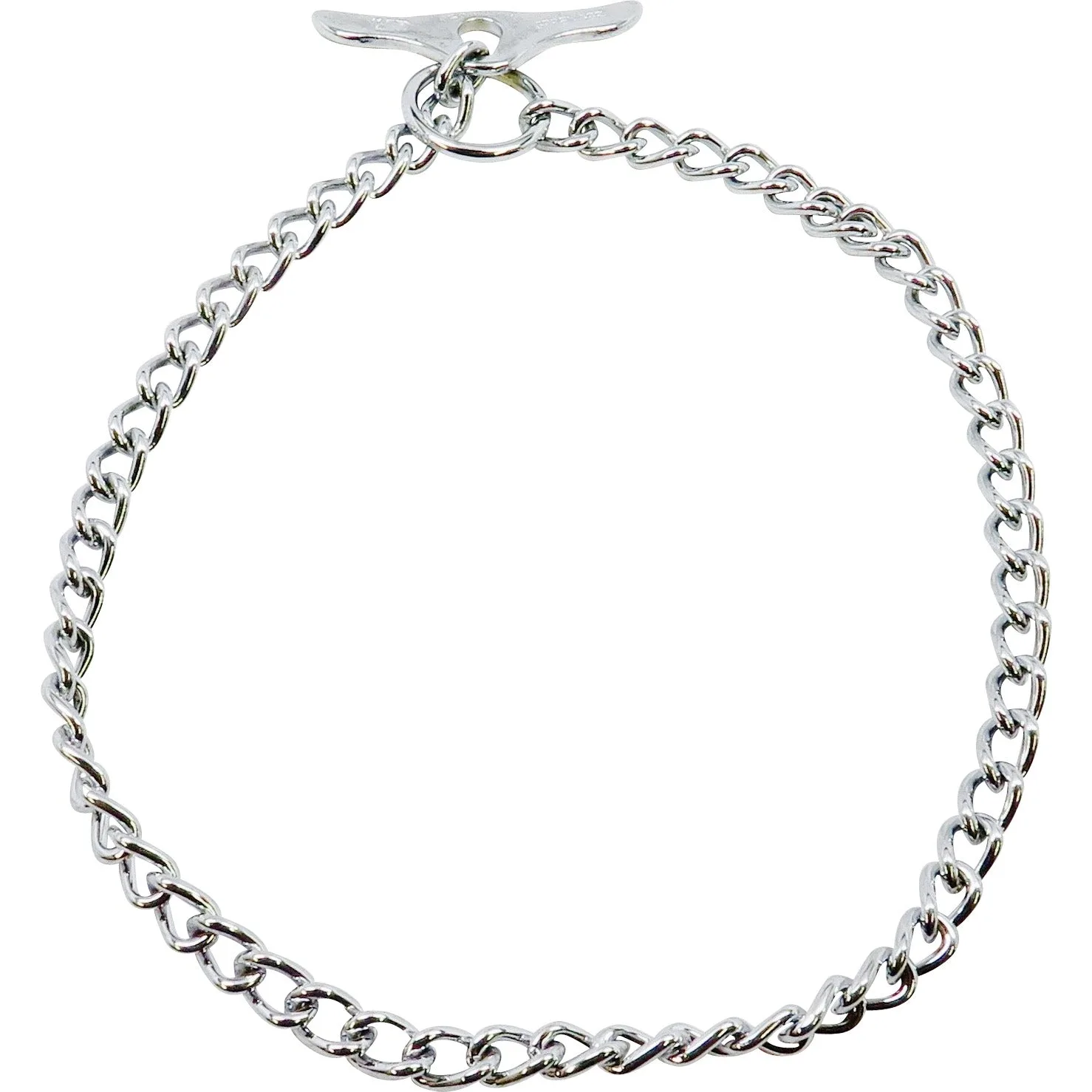
- Herm Sprenger Toggle Chain: Herm Sprenger Toggle Chain is made to fit around the dog's neck instead of going over the head, in chrome-plated steel, with neck size to fit approximately 1 to 1.5 inches less than the size for a collar. A correctly sized, easy-on collar keeps daily training sessions consistent, which matters when you are rebuilding a cue the dog has started ignoring.