Quick Answer
Bland white tea is almost always a brewing issue, not a bad batch of leaves. Lower your water temperature to roughly 175°F (80°C), use more leaf than you would for black tea, and give it a longer steep. If you are already doing all three and the tea still tastes like nothing, the leaf itself may be old or low grade, and no brewing change will rescue it.
Start With Water Temperature, Not More Leaf
Boiling water scorches the delicate buds in white tea and flattens the floral and fruity notes you paid for. Let your kettle sit for two to three minutes after it boils, or use a variable-temperature kettle set to 175°F (80°C). If you drink green tea too, this is the same range you already use, so one setting covers both.
If your tea tastes not just weak but harsh or bitter at the edges, that is your confirmation the water is too hot. Back the temperature down before you change anything else.
Weigh Your Leaf Instead of Scooping It
White tea buds are bulky and light, so a teaspoon holds far less actual leaf than it does with a dense black tea. That volume gap is one of the most common white tea brewing mistakes. Use about 2 to 3 grams per 8 ounces of water, or roughly two generous tablespoons of loose buds.
A small kitchen scale removes the guesswork entirely. If you do not own one, err on the side of more leaf and taste the result, then adjust from there.
Give It Time, Then Taste as You Go
A 30-second steep will always taste thin. Start at two minutes for a delicate silver needle, then add 30 seconds on each subsequent infusion. White tea rarely turns bitter the way green tea can, so you have room to steep longer than you think.
Taste at the two-minute mark rather than following a timer blindly. Your palate is the only reliable gauge for whether the cup has opened up yet.
When the Problem Is the Leaf, Not Your Method
If you have corrected temperature, quantity, and time and the tea still tastes like warm water, the leaf is the likely culprit. White tea loses its aromatic oils faster than black tea because it is minimally processed, and buds stored in a warm, light-filled cabinet fade within months.
Buy from a source that turns over stock quickly and stores it away from heat and light. A fresh, well-kept silver needle should smell sweet and hay-like in the tin before it ever hits water.
Bland White Tea Diagnosis
- Symptom: Thin, watery, no aroma: Cause: water below 160°F or a steep under one minute. Action: raise water to 175°F and steep for two minutes. If the cup improves but still feels light, move to the next check.
- Symptom: Weak but slightly harsh or bitter: Cause: water at a rolling boil. Action: let the kettle rest two to three minutes before pouring. Bitterness plus weakness almost always means temperature, not leaf quantity.
- Symptom: Flat even after fixing heat and time: Cause: too little leaf, or old, faded buds. Action: weigh 2 to 3 grams per cup; if the dry leaf smells dusty rather than sweet, replace it. Stop adjusting your method once fresh leaf at the right ratio still tastes dull. At that point, the problem is the tea, not you.
A Leaf Worth Brewing Carefully
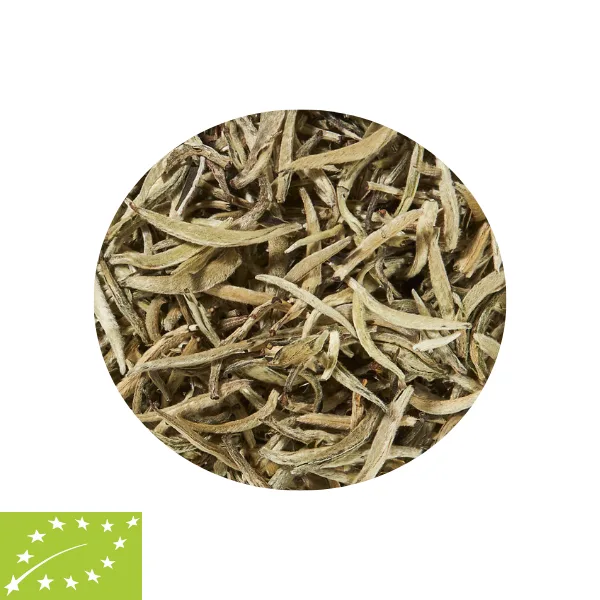
- Organic China Downy Silver Needle Loose Leaf White Tea: Organic China Downy Silver Needle loose leaf white tea with mellow floral notes reminiscent of honeysuckle or orchids, plus a subtle fruity sweetness like ripe pear or melon. This is the flavor profile you should be tasting. If your cup is flat and grassy instead, the brewing variables above are the first things to check.
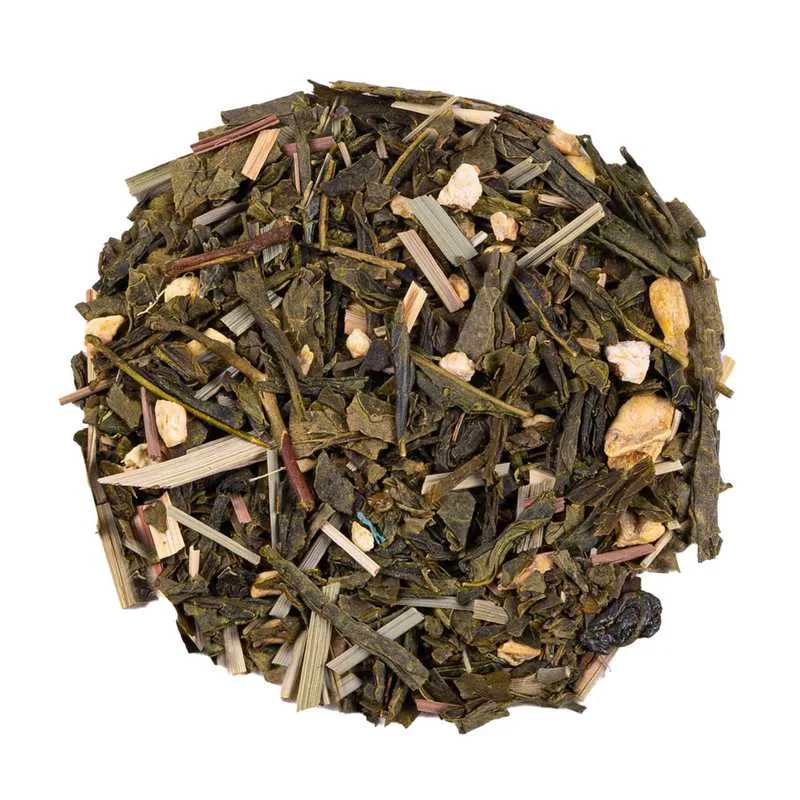
- Organic Ginger Lemon Green Tea – Premium Loose Leaf Sencha Blend: Organic Ginger Lemon Green Tea blends China Sencha with ginger, lemongrass, and lemon peel. If delicate white tea keeps disappointing you, a flavored blend with ginger and citrus gives you a bolder, more forgiving cup while you practice your technique.