Quick Answer
Most hair pulling comes from three things: trapped debris in the cutting head, a blade that has dulled or been damaged, or pressing too hard and dragging the shaver. Clean and dry the head first, then test on a small patch. If it still tugs on clean, dry hair, replace the blade rather than pushing through the discomfort.
Start With the Cheapest Fix: Clean and Dry the Cutting Head
Before you assume the blade is worn out, rule out debris. Hair clippings, dead skin, and dried shaving product pack into the gap between the foil or cutter and the blade, and that packed material stops hairs from feeding cleanly into the cutting edge. The result feels exactly like a dull blade: the shaver grabs and tugs instead of slicing.
Clean the head after every few shaves rather than waiting for a visible buildup. Tap out loose clippings, brush the underside of the foil or cutter, and let the head air-dry completely before reassembling. A damp head with product residue will clog again within a shave or two.
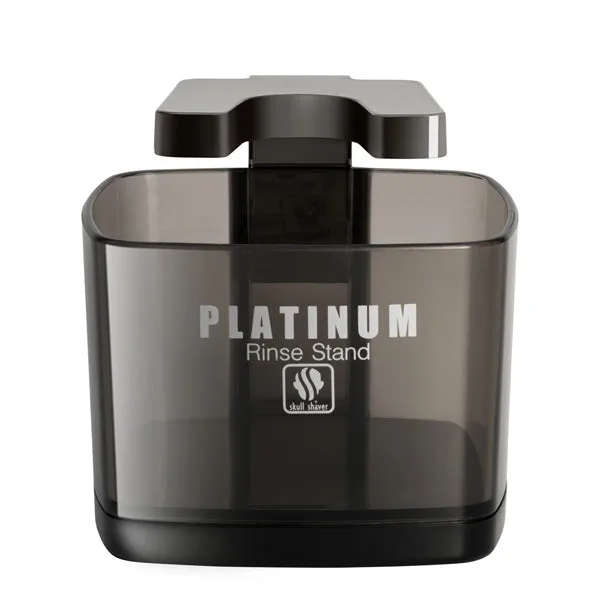
If you want a faster routine, a rinse stand gives you a dedicated place to soak and flush the head instead of improvising over the sink. The Platinum Rinse Stand is compatible with all Skull Shaver models and clippers; you add warm water to the container and rest the shaver on the chrome handle so the head is cleaned as part of your normal routine.
How to Tell a Dull Blade From a Dirty One
A dirty head usually pulls from the first stroke and improves noticeably after cleaning. A dull blade pulls consistently even when the head is spotless, and it tends to leave stubble behind on the same areas it used to clear in one pass. If you have to go over the same patch three or four times, the cutting edge is no longer doing its job.
Blade life depends on how often you shave, how coarse your hair is, and whether you shave over longer growth. There is no universal replacement interval, and Skull Shaver does not publish a fixed number of shaves per blade, so judge by performance instead of the calendar. Once cleaning no longer restores a smooth pass, replacement is the fix.
Do not try to sharpen a foil or cutter at home. Honing a curved cutting surface by hand rounds the edge further and can damage the foil, which turns a blade replacement into a head replacement.
Technique Errors That Mimic a Bad Blade
Pressing harder does not produce a closer shave; it pushes the skin up into the cutting gap and lets the blade catch hair at an angle, which is a common source of electric razor irritation. Use light, even pressure and let the head follow the contour of your scalp or jaw.
Speed matters too. Moving the shaver quickly across the skin gives the cutter less time to slice each hair, so hairs get pulled rather than cut. Slow down, use short overlapping strokes, and keep the head flat against the skin instead of rocking it onto one edge.
Shaving longer growth with a foil head is another frequent cause of tugging. If you have several days of growth, knock it down first with a trimmer or an attachment, then finish with the foil. The Skull Shaver Accessory Attachments are designed for shaping a beard, cleaning up stray hair, and general maintenance, which makes them a practical first pass before the foil does the close work.
Prep the Skin So Hair Feeds Into the Cutter
Dry, flaky skin and clogged pores make it harder for hairs to stand up and enter the cutting gap, and they add to the drag you feel during a shave. Exfoliating before you shave removes dead skin cells and unclogs pores, which creates a cleaner surface for the blade to work on.
The Skull Shaver Exfoliating Brush Attachment is compatible with Pitbull, Palm, and other Skull Shaver models, and its soft bristles are meant to be used as pre-shave preparation rather than during the shave itself. If your pulling is accompanied by redness or ingrown hairs rather than a mechanical tug, prep is often the missing step.
Keep the rest of your routine simple: shave on clean, dry skin unless your device specifies otherwise, and avoid layering heavy products that can gum up the head.
Diagnose the Pull Before You Replace Anything
- Pulls from the first stroke, improves after cleaning: Debris or dried product is blocking the cutting gap. Clean and fully dry the head, then retest on a small patch. If the pull disappears, stay with cleaning after every few shaves.
- Pulls even when the head is spotless: The cutting edge has dulled or the foil is damaged. Check the foil for dents, tears, or a bent edge before ordering a replacement. Replace the blade or head; do not attempt to sharpen it at home.
- Pulls only on longer growth: The foil is being asked to cut hair it was not designed to take down in one pass. Trim first, then finish with the foil. Add a trimmer or attachment as a first pass rather than pressing harder.
- Pulls with redness, burning, or ingrown hairs: Pressure and skin condition are the likely drivers rather than the blade. Lighten your pressure, slow your strokes, and exfoliate before shaving. If irritation continues after two weeks of technique and prep changes, see a dermatologist.
Accessories That Address Common Pulling Causes
- Exfoliating Brush Attachment | Compatible with all Skull Shaver models: The Skull Shaver Exfoliating Brush Attachment has soft bristles designed to gently exfoliate, remove dead skin cells, and unclog pores as pre-shave preparation; it is compatible with Pitbull, Palm, and other Skull Shaver models. Cleaner skin lets hairs feed into the cutter more easily, which reduces the drag and irritation that get mistaken for a dull blade.
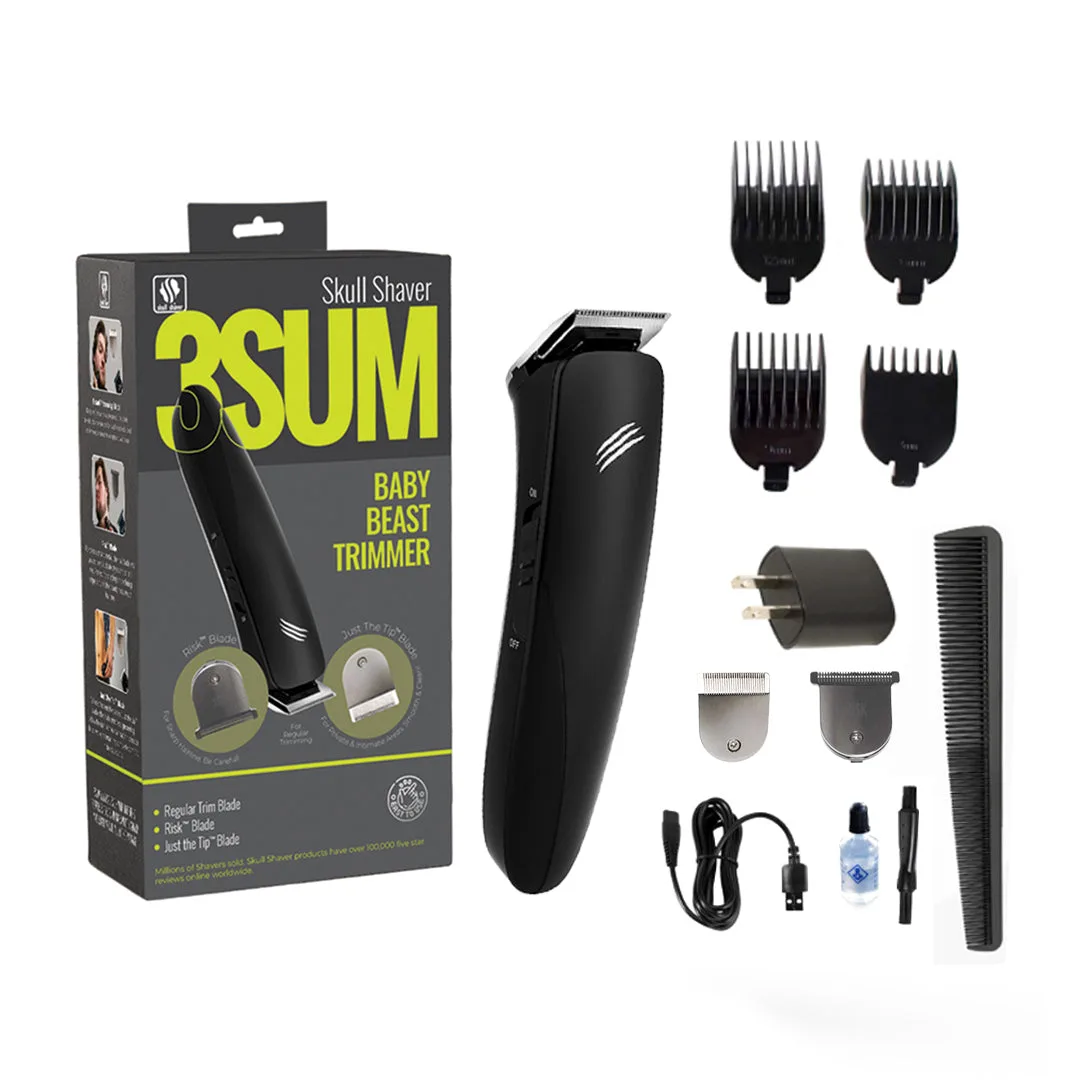
- Skull Shaver Accessory Attachments: Skull Shaver Accessory Attachments are described as an all-in-one grooming solution for shaping a beard, keeping stray hair in check, and maintaining a fresh look, with seamless compatibility. Knocking down longer growth with an attachment before you use the foil prevents the foil from grabbing and tugging at multi-day stubble.
- Platinum Rinse Stand | For all Skull Shaver models and clippers: The Platinum Rinse Stand is compatible with all Skull Shaver models and clippers and is designed for fast, easy cleaning; you add warm water to the container and place the shaver on the chrome handle. Regular head cleaning removes the packed clippings and residue that stop hairs from entering the cutting gap, which is the most common and least expensive cause of pulling.