Quick Answer
If your herbal tea routine stopped working, the blend usually isn't the problem. Most people drift off the plan: skipped days, brewing shortcuts, or a mismatch between the tea and the goal. Fix the routine before you replace the tea, and give any change a full cycle before judging it.
What Fading Results Usually Look Like
Before you change anything, name the symptom. Vague disappointment is hard to troubleshoot, but specific patterns point to specific fixes. Most fade-outs fall into one of four patterns: the effect was never strong and now feels flat, it worked for a few weeks and then plateaued, it only works on the days you remember to drink it, or it seems to work but the rest of your day undermines it.
- Flat from the start: the blend or the dose may not match your goal.
- Strong start, then plateau: usually a consistency or expectation issue, not a tolerance issue.
- Works only on good days: your routine is too fragile to survive a normal week.
- Works but doesn't hold: something else in your day is working against it.
The Tea Tolerance Myth
Herbal teas are not drugs in the way most people imagine when they say tolerance. The herbs in a blend act gently and cumulatively, and there is no established mechanism by which your body builds a tolerance to a cup of herbal tea the way it might to a medication. What actually happens is more mundane: your baseline shifts, your expectations rise, or your consistency drops, and the same cup feels like it is doing less.
- You are not 'immune' to the tea; you have likely changed the inputs.
- If you stopped noticing a benefit, check frequency and timing before blaming the blend.
- A plateau after a strong start is normal and is not evidence of tolerance.
Fix the Routine Before You Replace the Tea
Most stalled routines can be repaired without buying anything new. Work through the basics in order: are you drinking it as often as the blend was designed for, are you brewing it the way it was intended, and are you giving it enough time to show up? Only after those three are solid does it make sense to consider a different blend or a different format.
- Restore the frequency first. A blend designed for twice daily use will not behave the same at twice weekly.
- Check your brew. Water that is too hot, too short a steep, or a rushed cup can all weaken the experience.
- Give it a full cycle. Many guided programs are built around a four-week rhythm, so judge changes at that scale, not day to day.
- Remove one obvious saboteur. Late caffeine, irregular meals, or a chaotic sleep schedule can mask any tea's effect.
When to Adjust the Blend, Not the Habit
If your routine is genuinely consistent for a full cycle and the result still isn't there, the mismatch is probably between the blend and the goal. That is the point to change what you are drinking, not how often. Choose a blend that names the outcome you actually want, and check whether it is built as a daily program or a casual cup, because that changes how you should use it.
- Match the blend to the outcome, not the flavor you like best.
- Prefer a program-style blend if your goal needs daily, structured support.
- If you are layering multiple teas, change one variable at a time so you can tell what helped.
When to Stop and Choose Another Option
There is a real stopping point, and it is not 'give it another month' forever. If you have run a consistent, correctly brewed cycle and you feel no meaningful change, or if you feel worse, stop and reassess. Herbal tea is a supportive habit, not a treatment, and it is not the right tool for every problem. Persistent, worsening, or unexplained symptoms belong with a qualified healthcare professional, not another steep.
- Stop if you feel worse, not better, after a full consistent cycle.
- Stop if you are relying on tea to manage a symptom that needs medical assessment.
- Choose another option if your goal is acute or clinical rather than everyday support.
Troubleshooting Your Tea Routine
- It never really worked: You started recently, drank it inconsistently, and never established a baseline. The blend may be fine; the routine was never actually running. Run a full four-week cycle at the intended frequency before judging the blend.
- It worked, then faded: A strong early response followed by a plateau is usually a consistency or expectation shift, not tolerance. Check how many days you have actually kept up in the last two weeks. Restore frequency and timing first; only change the blend if a full consistent cycle still shows nothing.
- It works, but not reliably: Results that appear and disappear often track with sleep, meals, or stress rather than the tea itself. The tea is one input among several. Fix the biggest saboteur in your day before adding or swapping teas.
- It makes things worse: Feeling worse after a consistent cycle is a stop signal, not a reason to push through. Herbal tea supports everyday wellbeing and is not a substitute for medical care. Stop the routine and speak with a qualified healthcare professional about persistent or worsening symptoms.
Blends Built as Daily Programs
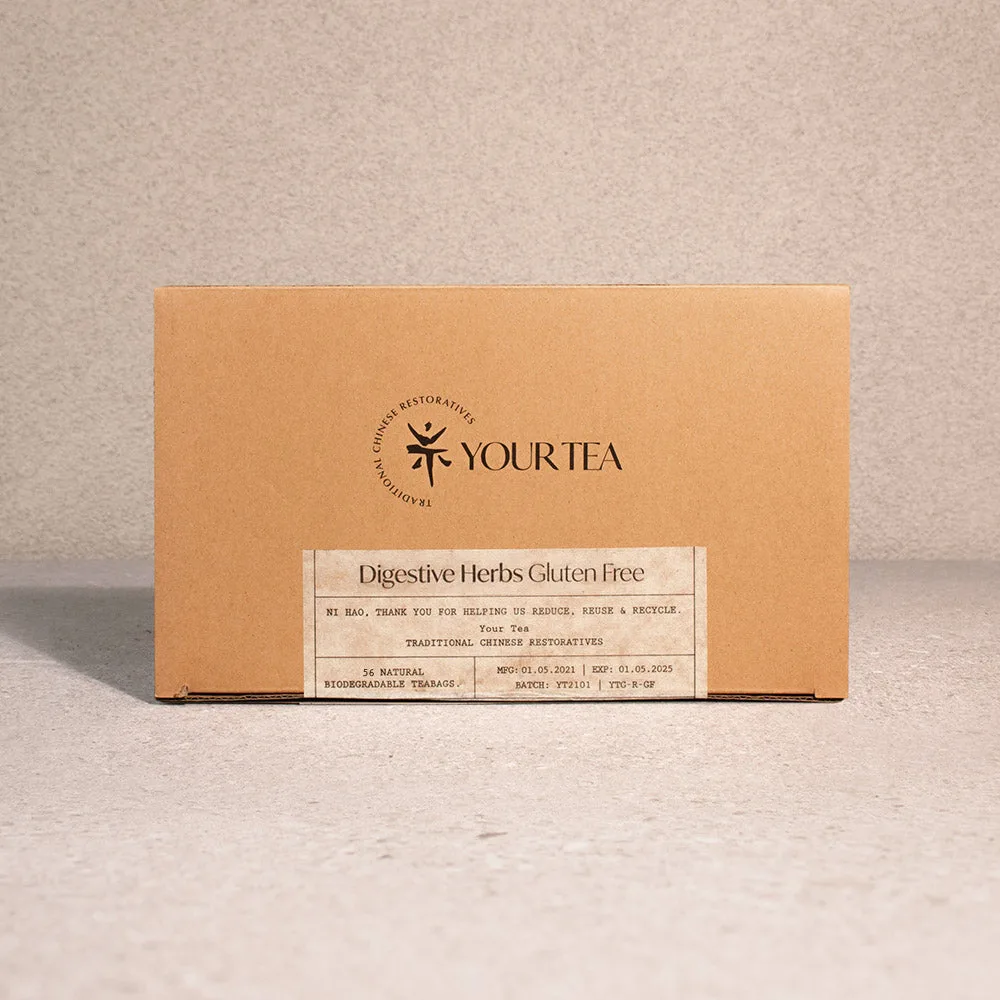
- Digestive Herbs Tea - Gluten Free: Digestive Herbs Tea is a 4-week health program designed to be consumed twice per day, daily, and is gluten free. If your digestive routine stalled because you were drinking it casually rather than as a program, this is the format that matches the intended use.
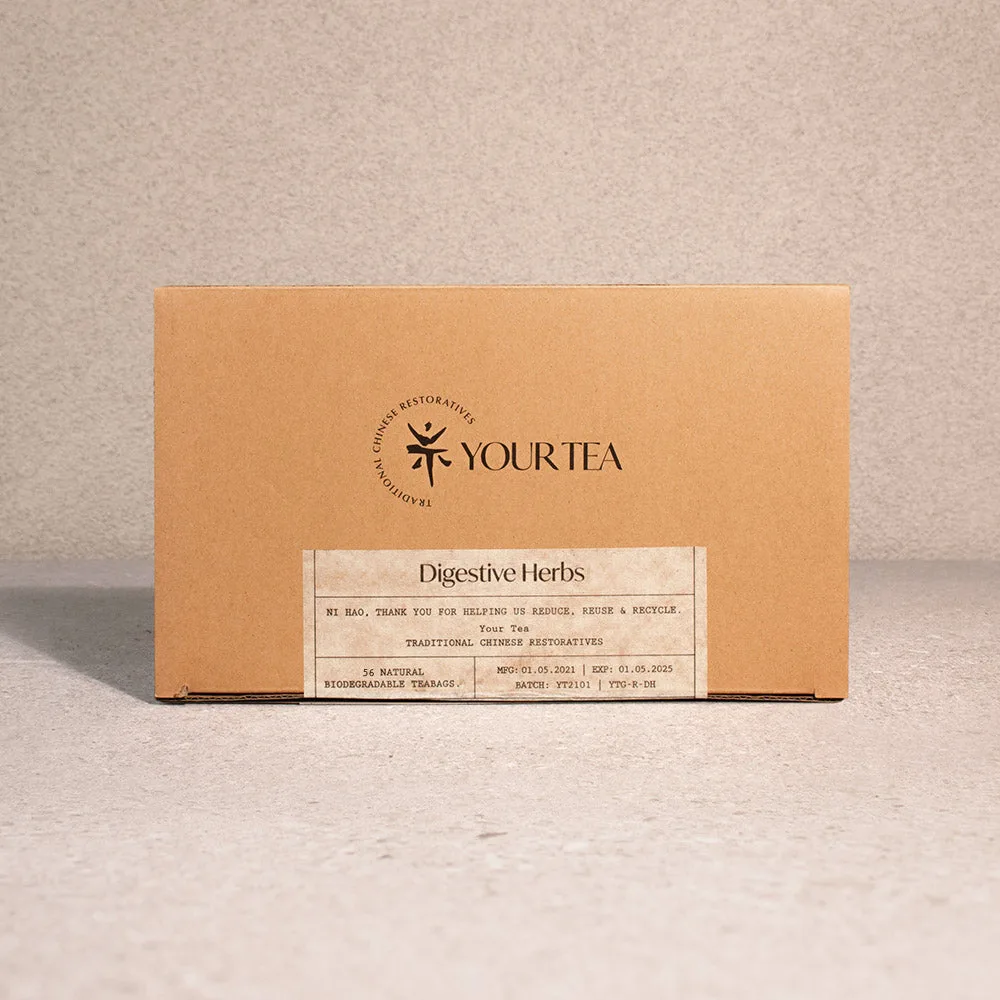
Digestive Herbs Tea
- Sleep Herbs Tea Bundle: Sleep Herbs Tea is a 4-week health program designed to be consumed twice per day, daily. For sleep goals, consistency matters more than strength, so a twice-daily program removes the guesswork about frequency.
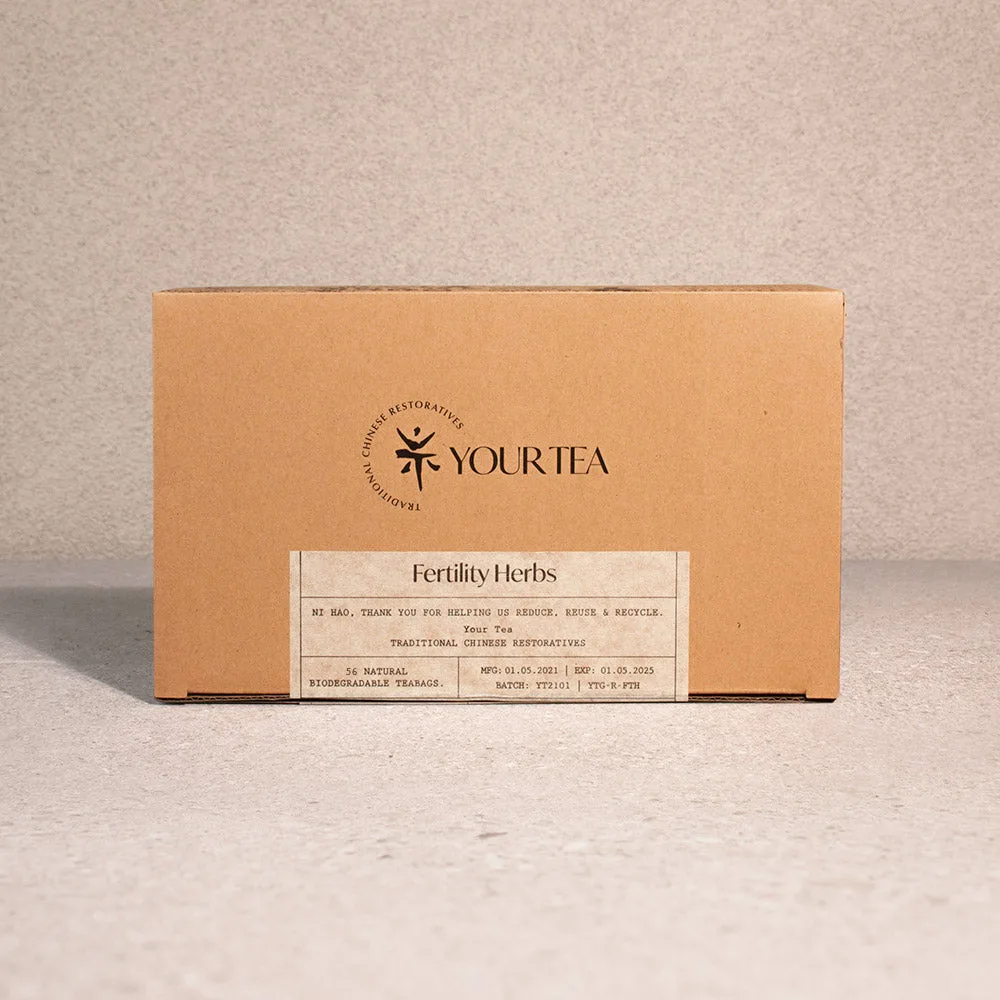
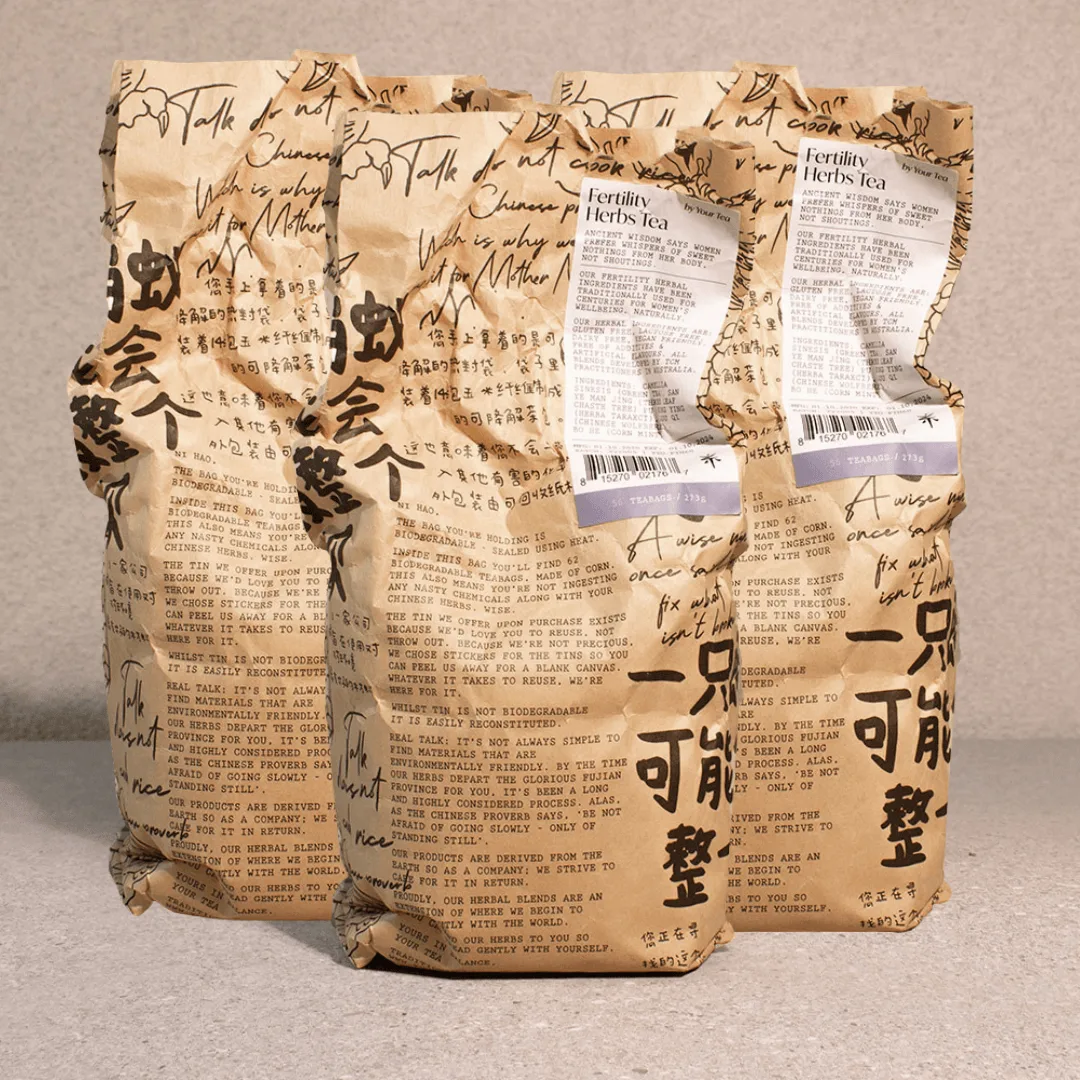
- Fertility Herbs Tea Bundle: Fertility Herbs Tea was developed to support the female reproductive system and is traditionally used for women's wellbeing. If your goal is hormonal or cycle-related support rather than general wellness, the blend should name that goal directly.