Quick answer
Bitter coffee is almost always over-extracted: hot water has pulled too much out of the grounds, usually because the grind is too fine, the water is too hot, or the brew runs too long. Fix one variable at a time, starting with a coarser grind, then water just off the boil (about 195-205°F). If the coffee is still harsh after that, the roast itself may simply be very dark, and a lighter or half-caff option will taste smoother.
Symptom check: is it bitterness or just strength?
Before you change anything, decide what you are actually tasting. Bitterness is a drying, sharp, lingering sensation at the back of your tongue and throat. Strength is simply how much coffee flavor is in the cup. A weak but bitter cup points to over-extraction, while a strong but smooth cup is just a heavy dose. If your coffee tastes bitter and thin at the same time, you are almost certainly over-extracting rather than using too much coffee.
Cause 1: the grind is too fine
Grind size is the fastest lever you have. Fine grounds expose more surface area, so water extracts faster and keeps pulling bitter compounds after the good flavors are gone. If your brewer uses a paper filter and the brew stalls or drips slowly, the grind is likely too fine. Move one step coarser and brew again before adjusting anything else. For a full breakdown of which grind suits which brewer, see our grind size chart.
Cause 2: water temperature is too high
Water at a rolling boil scalds grounds and pushes extraction toward bitterness. Let the kettle sit for 30-60 seconds after boiling, or aim for 195-205°F. If you brew with a machine that has no temperature control, you can still compensate with a slightly coarser grind and a shorter brew time. Water temperature bitter coffee problems are usually solved within a few degrees, so change it in small steps.
Cause 3: brew time and ratio drift
Long contact time does the same damage as a fine grind. In a French press, plunging after four minutes instead of six makes a noticeable difference. In a drip brewer, a clogged filter basket extends the brew beyond the intended window. Keep a simple ratio, roughly 1 gram of coffee to 15-17 grams of water, and time your brew so you can repeat it. If you change ratio and time at once, you will not know which fix worked.
Cause 4: the roast profile itself
Sometimes the coffee is not over-extracted at all. Very dark roasts develop bitter, smoky, molasses-like notes by design, and no grind adjustment will remove them. If you have already tried a coarser grind, cooler water, and a shorter brew, the roast is the remaining variable. That is the point to stop troubleshooting and choose a different coffee rather than keep chasing a fix that is not there.
A reset routine that isolates the problem
Brew one cup with a medium grind, water at 200°F, and a 1:16 ratio, then taste. If it is still bitter, go one step coarser. If it turns sour or weak, you went too far and should split the difference. Write down each change so you can return to the setting you liked. This takes three or four brews, but it replaces guesswork with a repeatable recipe.
Bitter coffee diagnosis table
- Bitter and thin, brews slowly: Grind too fine for the brewer. Go one step coarser and keep everything else the same. Retest after one change; if the cup turns sour, split the difference between the two settings.
- Bitter with a scalded, flat edge: Water was too hot. Let the kettle rest 30-60 seconds, or brew at 195-205°F. If bitterness drops but the cup tastes weak, nudge the grind finer rather than raising temperature.
- Bitter only in the last third of the cup: Brew ran long or the ratio was too tight. Shorten contact time and check your coffee-to-water ratio. Stop adjusting once the finish is clean; further changes usually push the cup sour.
- Bitter after grind, temperature, and time are dialed in: The roast profile is the cause, especially with very dark roasts. No brewing fix will remove roast-intended bitterness. Choose a different coffee, or a half-caff blend, instead of continuing to troubleshoot.
Products that help when the roast is the cause
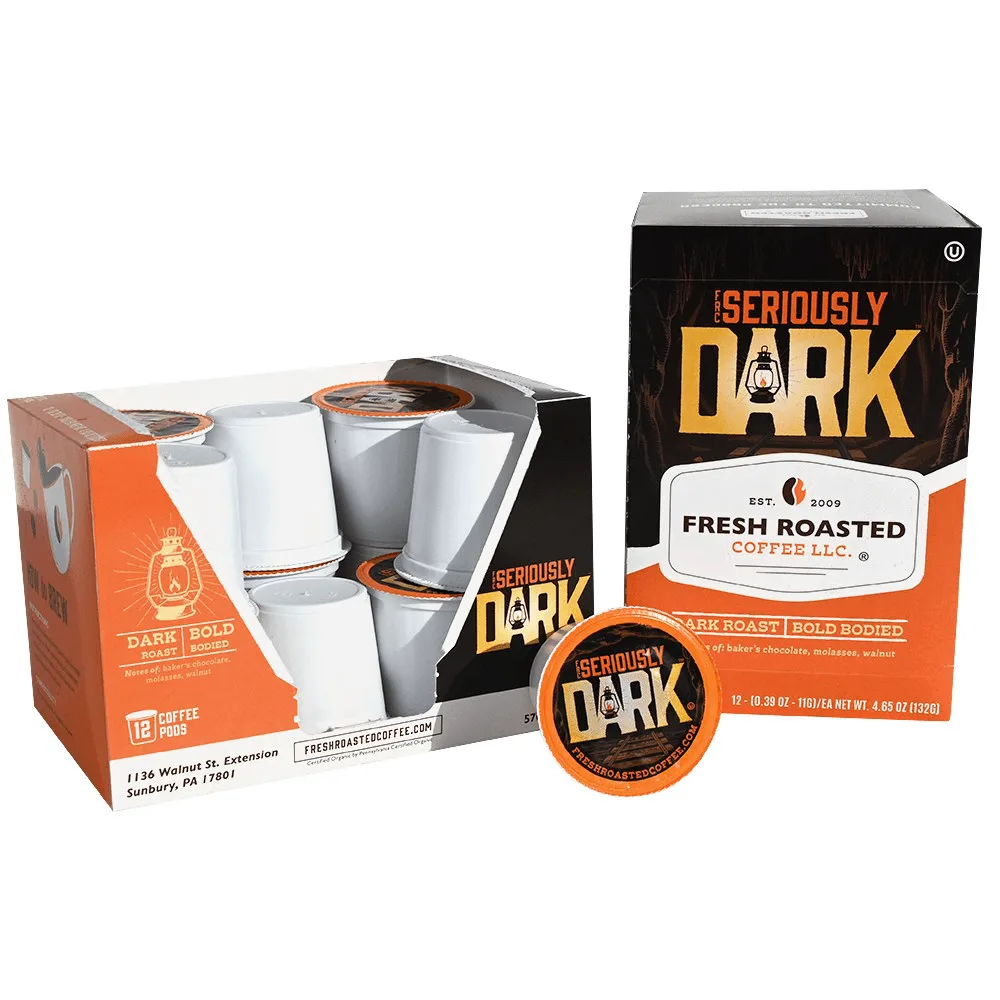
- Seriously Dark - Classic Coffee Pods: Seriously Dark - Classic Coffee Pods are an exceptionally dark roast with notes of baker's chocolate and dark molasses. This is a useful reference point: if you enjoy this level of dark, bittersweet intensity, your 'bitter' cup may be working as intended rather than over-extracted.
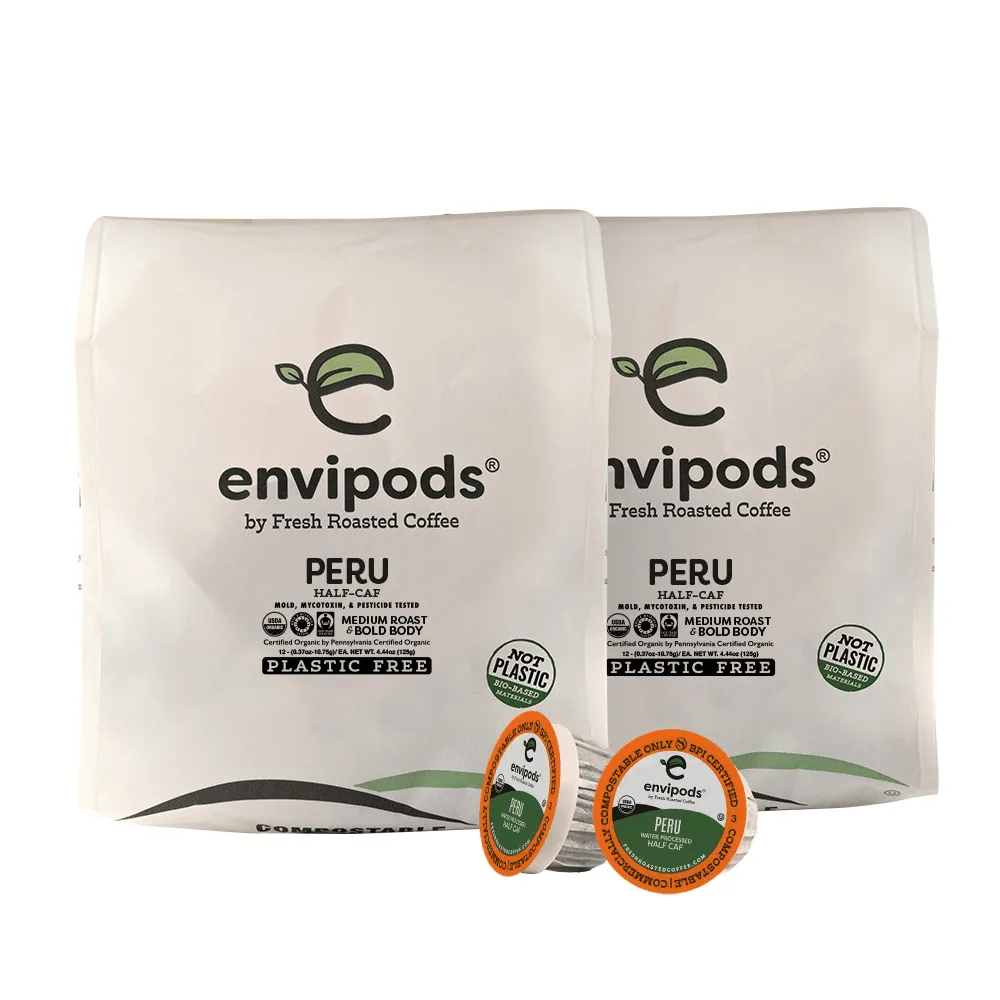
- Organic Peru Water-Processed Half Caf - envipods: Organic Peru Water-Processed Half Caf - envipods blend Fair Trade organic Peru with organic Peru water decaf 50/50, with chocolate notes and half the caffeine, in plastic-free compostable pods. A half-caff blend gives you a smoother, lower-caffeine cup when you want to cut bitterness and jitter without giving up coffee flavor.
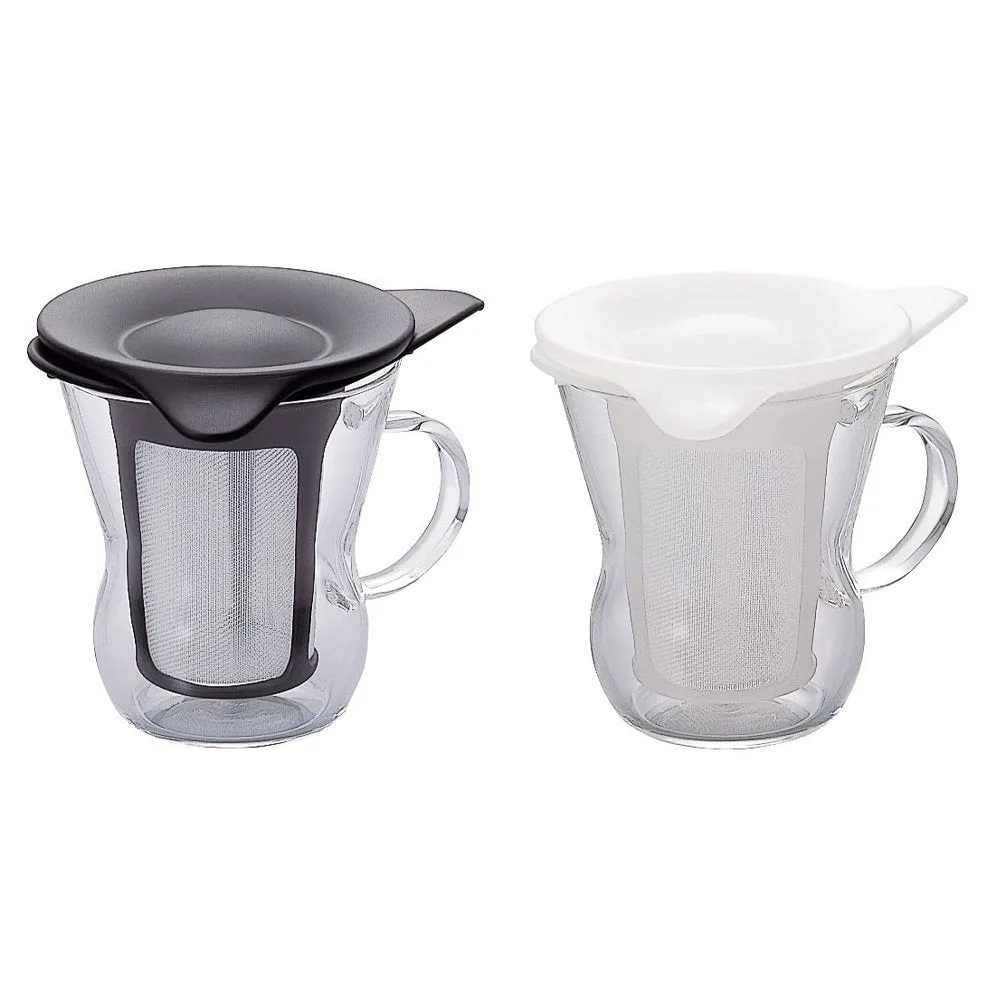
- Hario® One Cup Tea Maker: The Hario One Cup Tea Maker has a large strainer basket and a lid that doubles as a drip tray. If you rotate between coffee and tea, a dedicated brewer keeps tea tannins out of your coffee gear, so bitterness in one drink does not carry over to the other.