Quick Answer
Dogs pull on the leash primarily because they are excited, eager to explore, or have learned that pulling gets them where they want to go. The most effective solution combines consistent loose-leash training with a well-fitted harness that discourages pulling, such as the Kurgo https://roverpawsai.shop/products/tru-fit-smart-dog-walking-harness-292388https://roverpawsai.shop/products/tru-fit-smart-dog-walking-harness-292472https://roverpawsai.shop/products/tru-fit-smart-dog-walking-harness-292474https://roverpawsai.shop/products/tru-fit-smart-dog-walking-harness-292475Tru-Fit Smart Dog Walking Harness with its front clip option. If your dog is a strong puller, consider a harness specifically designed to reduce pulling, but always pair equipment with training for lasting results.
If you dread walks because your dog constantly strains against the leash, you're not alone. Leash pulling is one of the most common dog walking problems, and it can turn a relaxing stroll into a frustrating tug-of-war. Understanding the causes behind this behavior is the first step to fixing it.
In this guide, we'll break down the reasons dogs pull, offer practical solutions you can start using today, and explain how choosing the right harness can make a significant difference. We'll also help you recognize when it's time to seek professional help.
Why Do Dogs Pull on the Leash?
Dogs pull for a variety of reasons, but most boil down to natural instincts and learned behavior. When a dog pulls, they are often trying to reach something interesting—a scent, another dog, or a person. If pulling gets them closer to that thing, they learn that pulling works, reinforcing the behavior.
Excitement and high energy are common triggers, especially in young dogs or breeds with strong prey drives. Some dogs may also pull because they feel anxious or stressed, and the act of moving forward helps them cope. Understanding your dog's specific trigger is key to addressing the problem effectively.
- Observe when your dog pulls most: at the start of the walk, near other dogs, or in new environments?
- Keep a log of pulling incidents to identify patterns in your dog's behavior.
How a Harness Can Help Reduce Pulling
A well-fitted harness can be a game-changer for dogs that pull. Unlike a collar, which can put pressure on the neck and trachea, a harness distributes force across the chest and shoulders, reducing the risk of injury. Many harnesses also offer a front attachment point that gently steers your dog back toward you when they pull, making walks more manageable.
When choosing a harness, look for one with a front clip, like the Kurgo Tru-Fit Smart Dog Walking Harness. This design allows you to attach the leash to the front, so when your dog pulls, they naturally turn around, breaking the pulling habit. A padded chest piece also adds comfort, making the harness more pleasant to wear.
- Always measure your dog's girth before buying a harness to ensure a snug but comfortable fit.
- Introduce the harness gradually with positive reinforcement so your dog associates it with good things.
Training Techniques to Stop Leash Pulling
While equipment helps, training is essential for long-term success. Start by teaching your dog that pulling does not get them where they want to go. When your dog pulls, stop walking and wait until the leash is slack. Reward your dog for returning to your side with a treat or praise, then continue walking. This 'stop-and-go' method teaches your dog that loose leash means forward movement.
Another effective technique is to change direction whenever your dog pulls. This turns the walk into a game of following you, which can be mentally stimulating. Consistency is key—everyone in your household should use the same rules so your dog doesn't get confused.
- Practice in a low-distraction environment first, then gradually add more challenging settings.
- Use high-value treats to keep your dog's attention and reinforce positive behavior.
Diagnosis: Is It Pulling or Something Else?
- Symptom: Your dog consistently strains against the leash, making walks uncomfortable and stressful. Identify the specific situations that trigger pulling.
- Likely Cause: Excitement, natural exploration instincts, or learned behavior that pulling gets them what they want. Consider your dog's age, breed, and energy level to understand the root cause.
- Corrective Action: Implement consistent loose-leash training and use a harness with a front clip, like the Tru-Fit Smart Dog Walking Harness, to discourage pulling. Be patient and consistent; training takes time.
- When to Stop or Choose Another Option: If your dog shows signs of aggression, extreme fear, or if pulling persists despite consistent training, consult a professional dog trainer or veterinarian. Seek professional help to ensure safety and address underlying issues.
Kurgo Harnesses That Support Leash Training
- Tru-Fit Smart Dog Walking Harness: The Tru Fit Smart Harness with quick release buckles is designed to get on fast, so you and your dog can get going. It features a generously padded chest piece that reduces stress on the trachea and sternum. Its front clip option helps discourage pulling by redirecting your dog's forward motion, while the padded chest keeps your dog comfortable during training sessions.
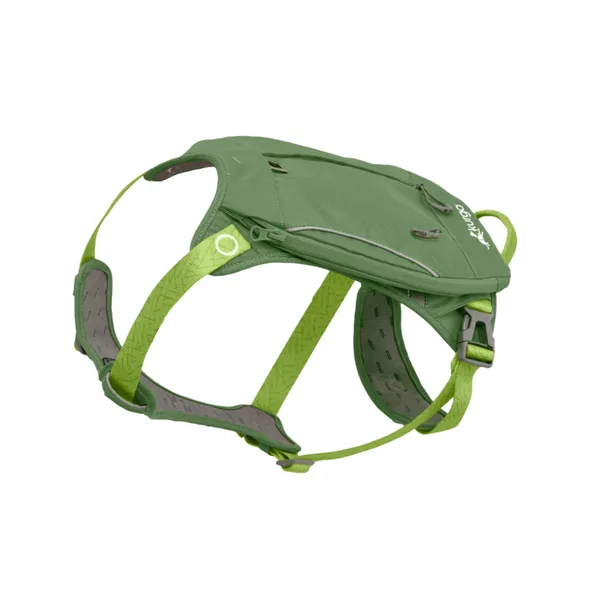
- Cascade Harness: The Cascade Harness is a 2-in-1 harness that doubles as a day pack, with three pockets for doggie gear and a poop bag dispenser. If your dog pulls because they are overly excited on hikes, the added weight of carrying their own supplies can help burn energy and focus their attention, making walks more productive.
Leash pulling is a common issue, but with the right understanding, equipment, and training, you can enjoy peaceful walks with your dog. Remember to be patient and consistent, and don't hesitate to seek professional guidance if needed.