Quick Answer
Your herbal tea likely tastes bitter because the water was too hot, you steeped it too long, or the botanicals are old or low-quality. Use water around 200°F (93°C), steep for 5–7 minutes, and check the freshness of your blend.
Common Causes of Bitterness in Herbal Tea
Unlike true teas from the Camellia sinensis plant, herbal infusions (tisanes) are made from dried flowers, roots, leaves, and seeds. Bitterness usually comes from over-extraction of compounds like tannins and certain volatile oils. If you steep too long or use boiling water, these compounds release faster, making the cup harsh.
Another frequent culprit is stale botanicals. Dried herbs lose their delicate flavors over time and can turn musty or bitter. Always check the harvest date on your package; most herbal blends are best within a year of opening.
Some botanicals are naturally more bitter than others. Dandelion root, for example, has an earthy, slightly bitter profile that some people find strong. If that's your blend, the bitterness may be intentional—not a mistake.
How to Fix a Bitter Cup
Start by adjusting your water temperature. Bring water to a boil, then let it cool for about 30 seconds before pouring over your herbs. This brings the temperature down to roughly 200°F (93°C), which is gentler on delicate botanicals.
Next, check your steeping time. Most herbal teas need only 5–7 minutes. If you tend to leave the bag or leaves in while you sip, remove them after the recommended time. Over-steeping is the most common reason for bitterness.
If the tea is already bitter, you can rescue it by adding a small pinch of salt (yes, really), a drizzle of honey, or a splash of milk. These ingredients mask bitterness without changing the tea's character too much.
If you consistently find a particular blend too bitter, consider switching to a naturally sweeter option. Chamomile, lavender, and vanilla blends are gentle and floral, offering a naturally smooth cup.
Prevention Tips for Future Cups
Store your herbal teas in an airtight container away from light, heat, and moisture. This preserves their delicate oils and prevents staleness.
Use fresh, filtered water. Tap water with high mineral content can add off-flavors that make bitterness more noticeable.
If you're using loose-leaf herbs, use about one teaspoon per 8 ounces of water. Too many leaves can over-extract and cause bitterness.
Diagnose Your Bitter Cup
- Symptom: Your herbal tea tastes sharp, harsh, or unpleasant, especially at the back of the tongue. Note when the bitterness appears—right away or only after steeping for a while.
- Likely Cause: Water too hot, steeping too long, stale botanicals, or a naturally bitter herb like dandelion root. Check your brewing method first; if that's fine, inspect the tea's freshness.
- Corrective Action: Cool the water to about 200°F, steep for 5–7 minutes, and remove the leaves or bag before drinking. If the cup is still bitter, try adding honey or milk, or switch to a sweeter blend.
- Stop or Switch: If you've adjusted brewing and still dislike the taste, the blend itself may not suit your palate. Choose a naturally mild infusion like chamomile-lavender or a dandelion blend with added florals to balance the bitterness.
Herbal Blends Worth Trying
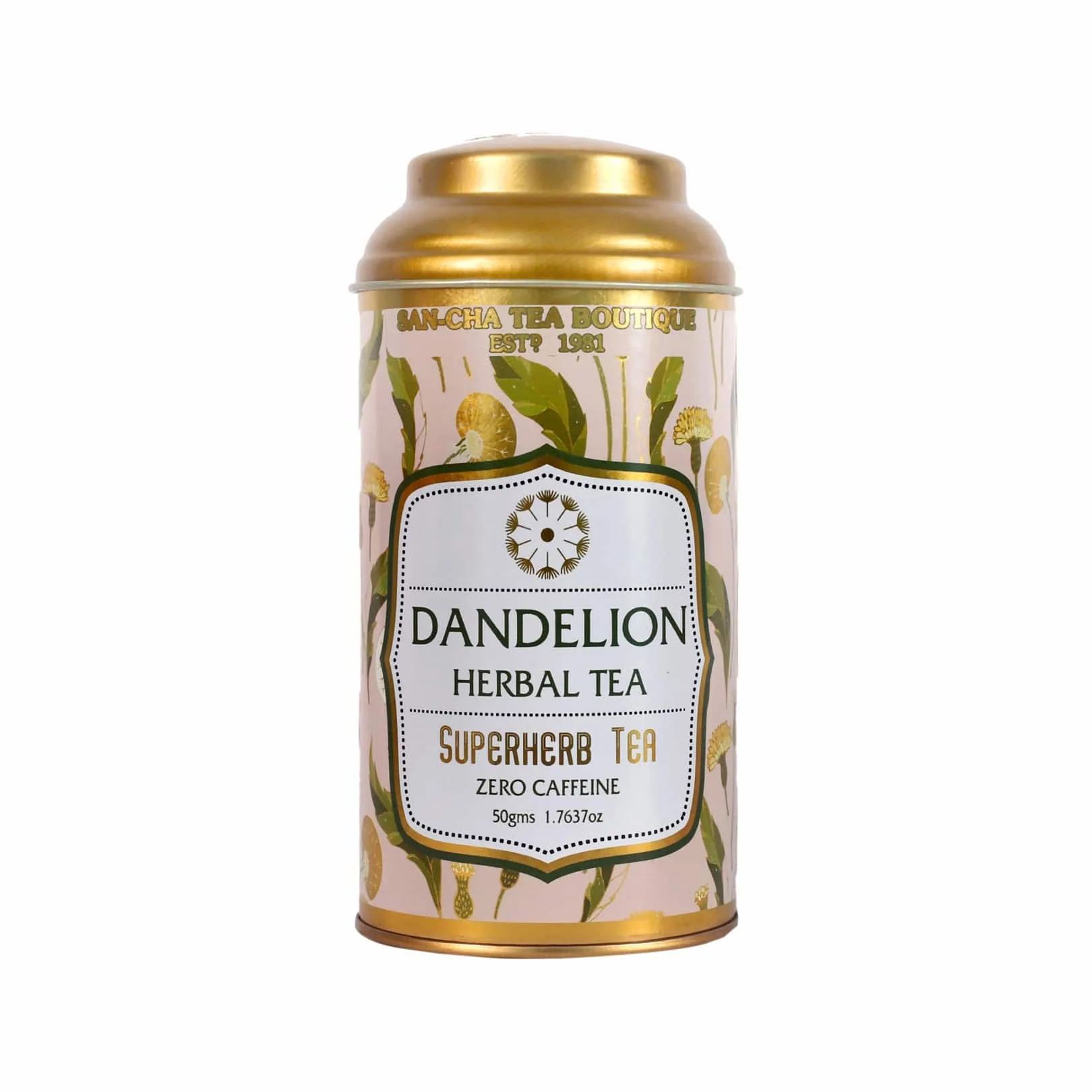
- Dandelion Herbal Infusion – Everyday Wellness | 100% Caffeine-Free: Dandelion Herbal Infusion is a 100% caffeine-free herbal tisane with a toasty, earthy, and delicately floral character, long appreciated in traditional herbal cultures for its robust character. If you enjoy dandelion's natural bitterness but want it balanced, this blend's toasty notes soften the edge. If you find it too bitter, it's not a brewing mistake—it's the herb's signature.
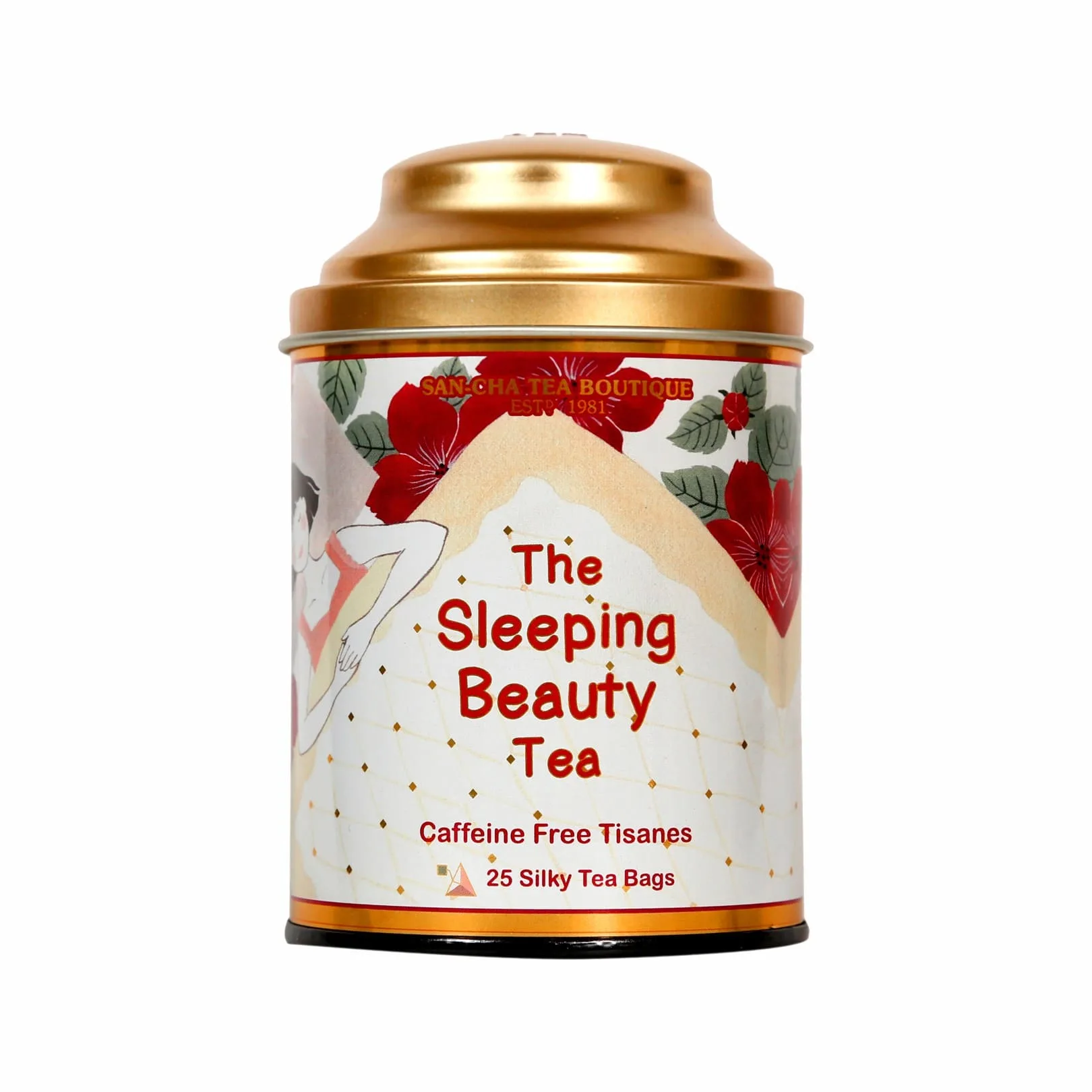
- Sleeping Beauty Herbal Infusion – Chamomile, Lavender, Rose & Vanilla | Caffeine-Free: Sleeping Beauty Herbal Infusion is a 100% caffeine-free floral tisane blending chamomile, lavender, rose petals, and vanilla, designed for quiet moments. With naturally sweet and floral botanicals, this blend is a great choice if you're sensitive to bitterness and prefer a smooth, gentle cup.