Quick answer
American ginseng tea turns bitter mainly from three fixable mistakes: water that is too hot, steeping past the point where the root releases its harsher compounds, and using more root or tea than the cup needs. Lower the water temperature, shorten the steep, and measure your root or sachet before you change anything else. If the tea still tastes bitter after those adjustments, the bitterness is probably coming from the product itself rather than your method, and that is your cue to switch to an instant or blended option.
Check the water temperature first
Water temperature is the fastest variable to test because you can change it on the very next cup. Boiling water pulls bitter compounds out of ginseng root quickly, while water that is too cool leaves the tea weak and woody. Aim for water that is hot but not rolling, and let a boiled kettle sit for a minute or two before you pour. If your tea is bitter and thin at the same time, the water was likely too hot and the steep was too short, which is a common combination.
- Let boiled water rest briefly before pouring over root or a sachet.
- If the cup tastes harsh, drop the water temperature on your next attempt rather than adding sugar.
- If the cup tastes flat, raise the temperature slightly before you lengthen the steep.
Shorten the steep and taste as you go
Ginseng tea steeping time is the second lever, and it is the one most people overshoot. Start with a short steep, taste the tea, and add time in small increments until the flavor is where you want it. Bitterness that arrives only in the last minute of steeping is a sign you passed the root's sweet spot. For instant teas, follow the brewing direction on the package instead of treating it like a loose-leaf steep, because instant products are formulated to dissolve rather than to extract.
- Taste at short intervals instead of steeping blind for several minutes.
- Stop the steep the moment the flavor turns sharp; you cannot un-steep a cup.
- Keep a note of the time and temperature that worked so you can repeat it.
Measure the root or sachet for the cup size
Too much ginseng in too little water concentrates everything, including the bitter notes. If you are using loose root, reduce the amount before you change your steeping method again. If you are using tea bags or sachets, use one per cup as directed rather than doubling up to make the tea stronger. A larger mug needs proportionally more water, not more root.
- Scale root to water volume, not to how strong you want the tea to feel.
- Use the number of sachets the package specifies for one serving.
- If you want a stronger cup, extend the steep in small steps before adding more material.
When the bitterness is the product, not your method
Some ginseng products simply taste more bitter than others, and no brewing adjustment will remove that. Wild American Ginseng is described in the catalog as one of the rarest and most valuable ginseng roots, and wild root powder is a concentrated form, so a small amount goes a long way. If you have already lowered the temperature, shortened the steep, and measured correctly, and the tea is still bitter, treat that as a product-fit issue rather than a technique issue. Instant and blended teas are the practical alternative when you want a milder cup.
- Concentrated powders and wild root products can taste stronger than tea bags.
- If two or three method adjustments fail, stop adjusting and change the format.
- A milder option is not a downgrade; it is a better match for your taste.
Bitter ginseng tea diagnosis
- Symptom: harsh and sharp from the first sip: The water was almost certainly too hot. Let boiled water rest before pouring, and taste again on the next cup. If the first sip is already sharp, fix temperature before changing anything else.
- Symptom: fine at first, bitter by the end of the steep: You passed the steeping sweet spot. Shorten the steep and taste in small increments instead of steeping for a fixed time. Stop the steep as soon as the flavor turns sharp.
- Symptom: bitter even with short steeps and cooler water: You are likely using too much root or too many sachets for the cup, or the product itself is a concentrated or wild-root format. Measure to the package direction; if it is still bitter, switch to an instant or tea-bag format.
- Stop point: three adjustments with no improvement: After temperature, steep time, and measurement changes, further brewing tweaks rarely help. Choose a milder product instead of chasing the method. Change the product, not the technique.
Products that fit different bitterness fixes
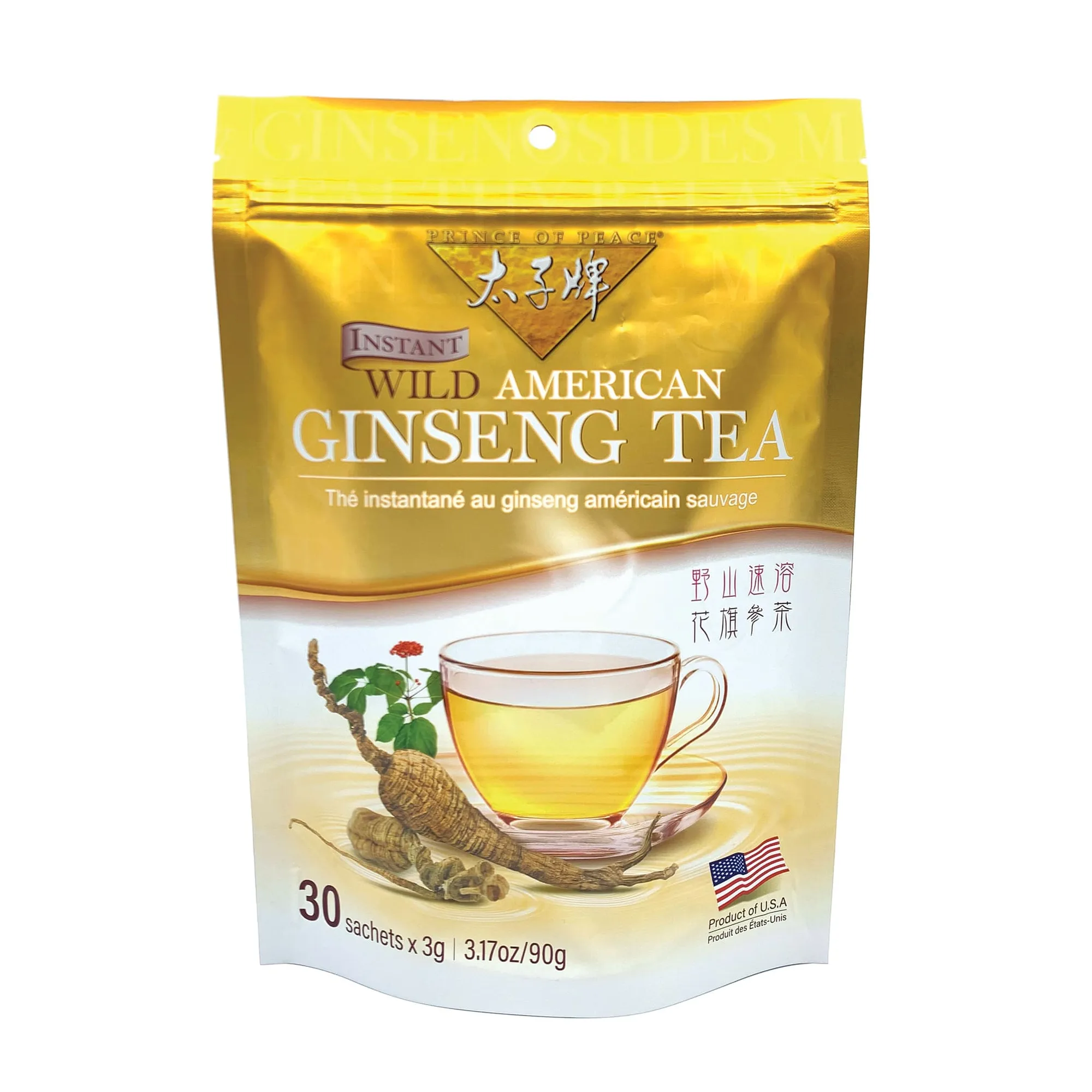
- Prince of Peace Instant Wild American Ginseng Tea, 30 sachets: Prince of Peace Instant Wild American Ginseng Tea comes as 30 sachets and includes brewing directions for instant tea. Instant sachets remove the steeping-time variable, so they are a good choice if your bitterness comes from over-steeping loose root.
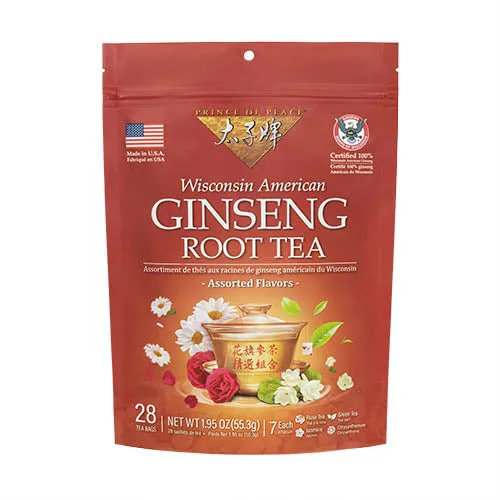
- Wisconsin American Ginseng Assorted Root Tea, 28 tea bags: Wisconsin American Ginseng Assorted Root Tea is made of 100% American Ginseng root from Wisconsin and comes as 28 tea bags. Pre-portioned tea bags make it easier to control how much root goes into each cup, which addresses bitterness caused by over-measuring.
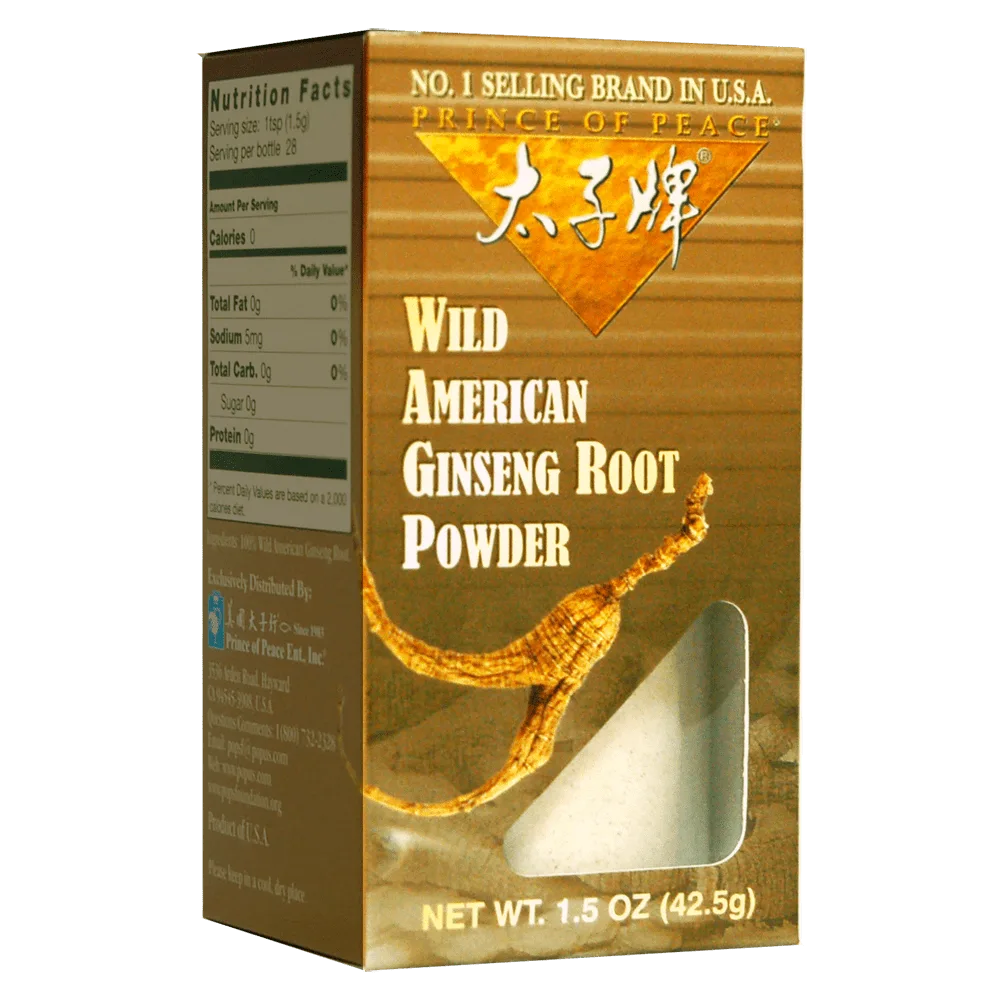
- Prince of Peace Wild American Ginseng Powder, 1.5oz: Wild American Ginseng Powder is a 1.5 oz (42.5 g) product made of 100% top grade wild American ginseng root and is described as a concentrated powder. Because it is concentrated, a small amount is enough; using a full spoonful in a small cup is a common reason the tea tastes bitter.