Quick answer
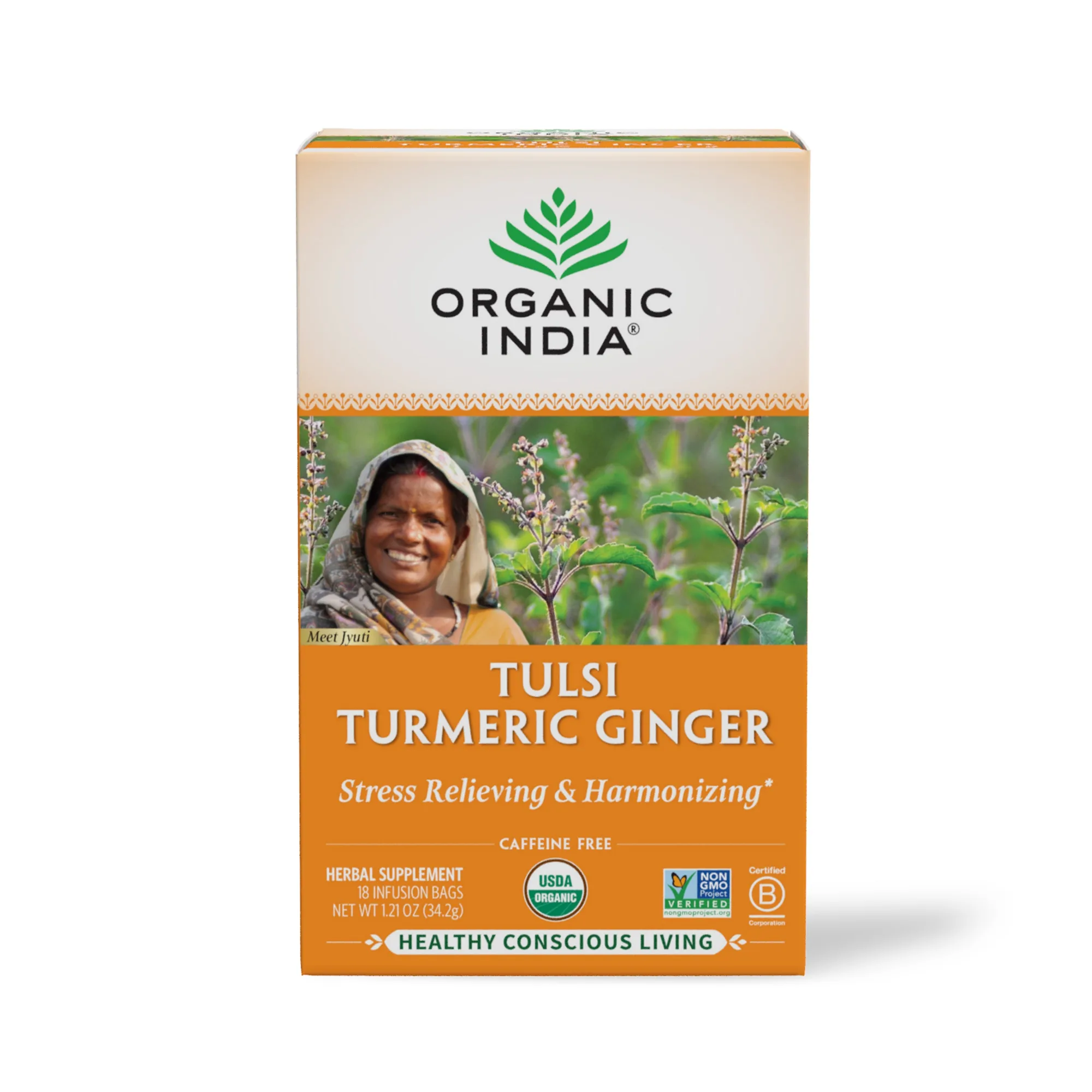
Bitter tulsi tea usually comes from water that's too hot, steeping too long, or using stale leaves. For most tulsi infusions, use water just off the boil (around 200°F) and steep for 5-7 minutes. If bitterness persists, try a blend like Tulsi Turmeric Ginger Tea, which balances flavors naturally.
Water temperature: the most common culprit
Tulsi is more delicate than black tea. Boiling water (212°F) can scorch the leaves, releasing bitter tannins. Aim for water that's just below a rolling boil—about 200°F. If you don't have a thermometer, let the kettle sit for 30 seconds after boiling before pouring.
Steeping time: less is more
Steeping tulsi for longer than 7 minutes can extract bitter compounds. Start with 5 minutes and taste. If you prefer a stronger cup, add more leaves rather than steeping longer. This gives you a richer flavor without the bitterness.
Leaf quality and freshness matter
Old or improperly stored tulsi leaves lose their aromatic oils and can taste flat or bitter. Store your tea in an airtight container away from light, heat, and moisture. Use within 6-12 months of purchase for the best flavor.
Water quality and other factors
Hard water or water with high mineral content can alter the taste of your tea. Filtered or spring water is a safe choice. Also, avoid using metal spoons or pots that can react with the tea and add a metallic bitterness.
Diagnosis: Is your tulsi tea bitter?
- Symptom: Tea tastes harsh, astringent, or metallic. This is usually a sign of over-extraction.
- Likely cause: Water too hot (above 205°F) or steeped longer than 7 minutes. Try cooler water and a shorter steep.
- Corrective action: Use water just off the boil (about 200°F) and steep for 5-6 minutes. Use fresh, properly stored leaves. If still bitter, try a flavored blend like Tulsi Turmeric Ginger Tea.
- When to stop: If you've adjusted temperature, time, and leaf freshness and still dislike the taste, tulsi may not be your herb. Try a different base like Purely Assam Black Tea for a bolder, non-bitter profile. Not every tea suits every palate—and that's okay.
Products that help
- Tulsi Turmeric Ginger Tea: Tulsi Turmeric Ginger is a delicious fan favorite, beloved for its warming combination of peppery Turmeric and airy Tulsi with the sweet zing of Ginger. If you find plain tulsi too bitter, this blend's ginger and turmeric add sweetness and spice that naturally mask any harsh notes, making it more forgiving of minor brewing errors.