Quick answer
If your cat is ignoring the litter box, first rule out a medical issue with your vet. Then check the box itself: it should be large enough for your cat to turn around, have low entry or removable walls if your cat is older or arthritic, and be scooped daily. Most litter box avoidance is solved by fixing size, cleanliness, location, or stress—not by punishing the cat.
Start with a vet visit before changing anything
A cat that suddenly stops using the litter box may have a urinary tract infection, crystals, kidney issues, or pain that makes posturing to urinate uncomfortable. If the change is sudden, if you see blood, straining, or crying in the box, or if your cat urinates outside the box but in small amounts, call your vet first. Behavior fixes won't help a medical problem, and waiting can make it worse.
Check the box size and entry
Many commercial litter boxes are too small. Your cat should be able to stand, turn around, and squat without touching the sides. If the box has high walls, an older or arthritic cat may struggle to get in. A box with removable high walls lets you keep mess contained for a healthy cat but lower the barrier for a senior. The tuft + paw Cubby Litter Box includes removable 8-inch walls and an open top, so you can adjust the entry without buying a new box.
Clean more often than you think
Scoop at least once a day, and fully change the litter and wash the box weekly. Cats have a strong sense of smell; a dirty box is a common reason for avoidance. If you use scented litter or liners, try unscented, unlined litter for a week. Some cats also dislike covered boxes because odors concentrate inside—remove the lid and see if that helps.
Reduce stress and provide escape routes
Stress from a new pet, a move, or a noisy appliance can trigger litter box avoidance. Put the box in a quiet spot with more than one exit so your cat doesn't feel trapped. If you have multiple cats, add one more box than the number of cats, placed in different locations. Feliway diffusers or calming supplements may help, but they work best alongside the other fixes here.
Give your cat vertical options and scratching outlets
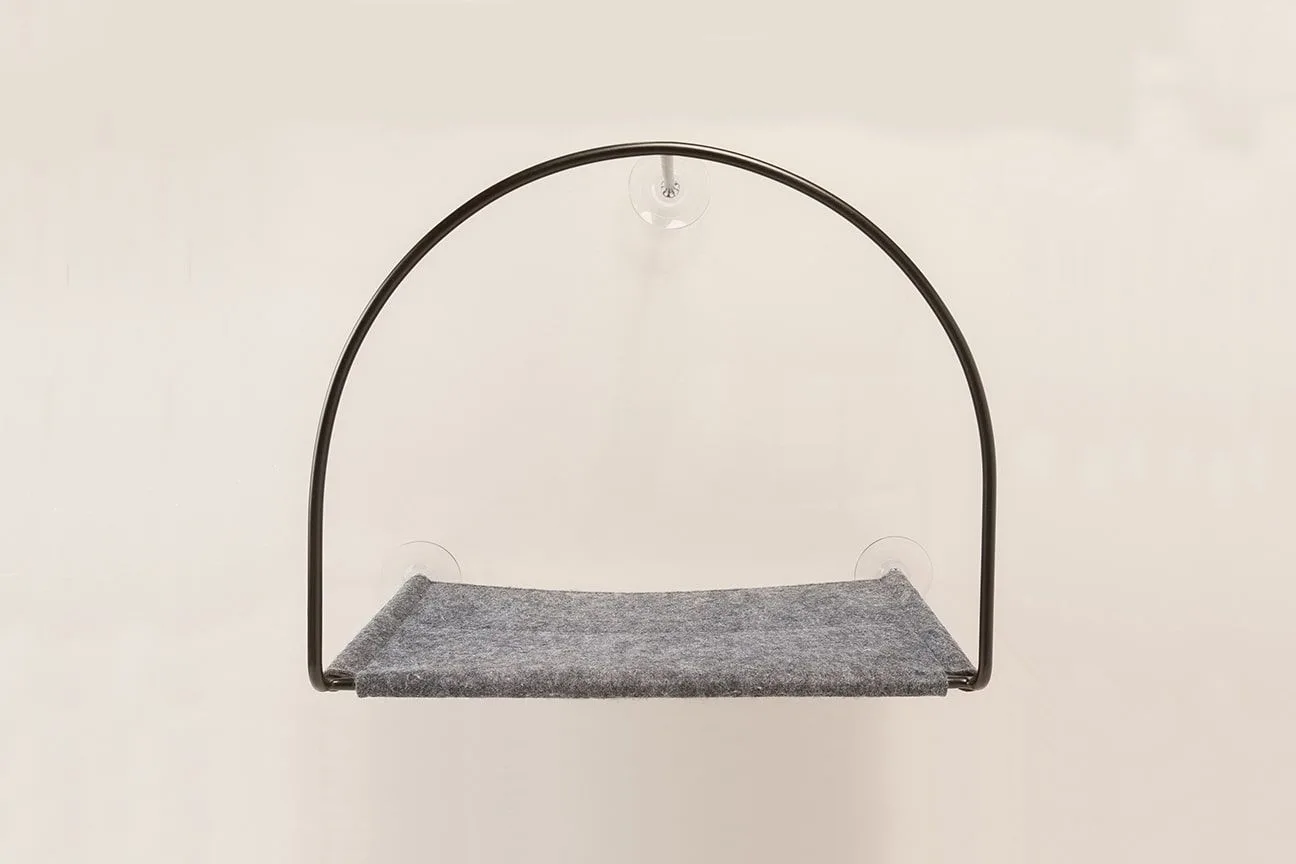
Cats that feel insecure or bored may avoid the box. Provide vertical territory like a window hammock or cat tree so they can survey the room. The tuft + paw Cloud Nine Window Hammock gives a cat a raised, soft spot to relax and watch the room, which can reduce stress. Also offer scratching posts near the box area if your cat scratches the floor or walls after eliminating.
Diagnosis: Match the symptom to the fix
- Cat urinates or defecates just outside the box: The box may be too small, too dirty, or have high walls that are hard to enter. Try a larger open box with low entry, scoop twice daily, and move the box to a quiet spot. If no improvement in 3–5 days, see your vet to rule out pain or infection.
- Cat eliminates on soft items like beds or laundry: This often signals a urinary tract issue or a preference for soft litter. Rule out medical causes first. If healthy, try a softer, unscented litter and add a box in the room where the accidents happen. Do not punish; it increases stress and makes avoidance worse.
- Cat never uses the box when you are home but does when alone: Stress or interference from other pets or people may be the cause. Add more boxes in separate locations, provide escape routes, and use calming pheromones. If the behavior continues after 2 weeks of consistent changes, consult a veterinary behaviorist.
Products that can help
- tuft + paw Cubby Litter Box: Cubby features removable high 8-inch walls for mess containment, an open top and semi-transparent sides to keep your cat at ease, and a sturdy anti-stick basin. Removable walls let you lower the entry for a senior cat or keep them high for a messy digger. The open top and semi-transparent sides reduce the trapped feeling some cats dislike in covered boxes.
- tuft + paw Cloud Nine Window Hammock: Cloud Nine Window Hammock is an elevated window hammock with soft-yet-sturdy felt, providing a comfortable retreat for cats to nap and observe surroundings. A secure elevated spot can reduce stress, which is a common trigger for litter box avoidance. It gives your cat a place to relax away from the box area.