Quick Answer
If your dice roll low, the most common cause is an internal air bubble or uneven weight distribution, not the dice being 'cursed.' You can check balance at home with a saltwater float test and often fix minor issues by re-rolling or adjusting your rolling surface.
Why Low Rolls Happen
Dice roll low for several reasons: manufacturing imperfections like air bubbles or density variations, a rough or uneven rolling surface that favors certain faces, or even your own rolling technique. High-quality dice like TruStone and aluminum dice are less prone to these issues, but they aren't immune.
A common misconception is that dice have memory or are 'hot' or 'cold.' In reality, physical factors determine the outcome. Understanding these can help you troubleshoot effectively.
Trade-Offs: Fix vs. Replace
Some balance issues can be corrected by changing your rolling surface or using a dice tray. However, if a die has a significant internal flaw, no amount of re-rolling will fix it. In that case, replacing the die is the most reliable solution.
For premium dice, consider whether the issue is consistent across all dice or just one. A single problematic die might be a manufacturing defect, while consistent low rolls across all dice point to your rolling environment or technique.
Diagnose and Fix Your Low-Rolling Dice
- Symptom: Your dice consistently roll low numbers (e.g., average roll below 7 on a d20) over many sessions.
- Likely Cause: An internal air bubble or uneven weight distribution is the most common cause. A rough or tilted rolling surface can also contribute. Check your rolling surface for evenness before blaming the dice.
- Corrective Action: Perform the saltwater float test: dissolve salt in water until the die floats, then spin it. If the same face keeps coming up, that face is heavier. For minor surface issues, try a dice tray or rolling mat. For persistent problems, consider re-rolling the die in a different direction or using a different die. If the test reveals a heavy face, mark it and test again after a few rolls to confirm.
- Stop or Choose Another Option: If the float test shows a strong bias that doesn't change, or if the die is chipped or cracked, stop using it. For a single defective die, replace it. If all your dice roll low, your rolling technique or surface is the issue, not the dice. If you're replacing dice, consider materials like TruStone or aluminum, which are less prone to internal defects.
Dice That Resist Balance Issues
-
Dark Jade - 7 Piece RPG Set TruStone Dice: Each TruStone die is made using a composite stone material that is known for its density and durability. The dense, uniform material of TruStone dice reduces the likelihood of internal air bubbles, making them a reliable choice for players who want consistent rolls.
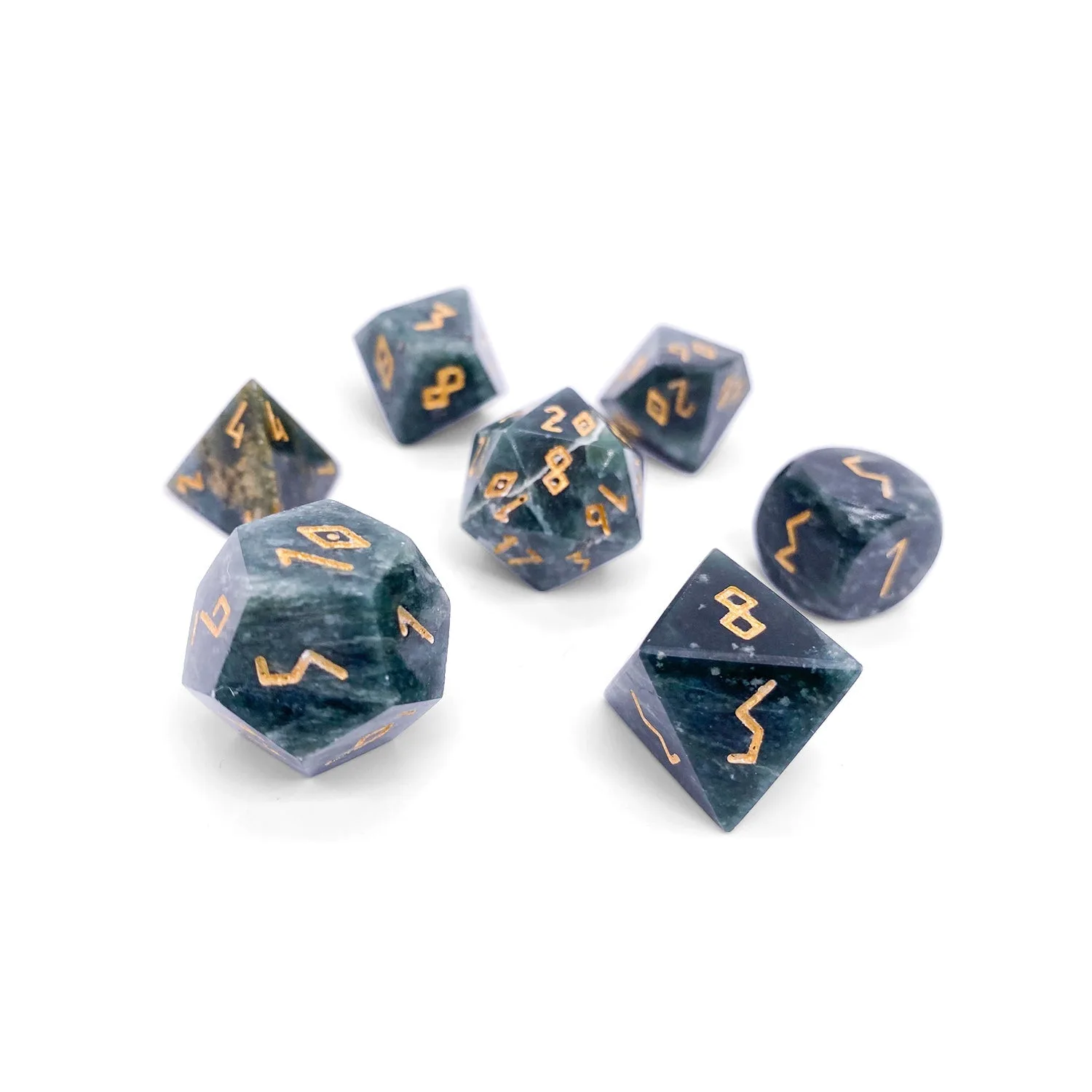
Dark Jade - 7 Piece RPG Set TruStone Dice
-
Blood Thirsty - Boulder® 55mm 6063 Aluminum Hybrid Dice: The Boulder® 55mm 6063 Aluminum Hybrid Dice is designed with attention to detail and features clearly engraved numbers. The large size and aircraft-grade aluminum construction make this die easy to read and less prone to rolling inconsistencies caused by small defects.
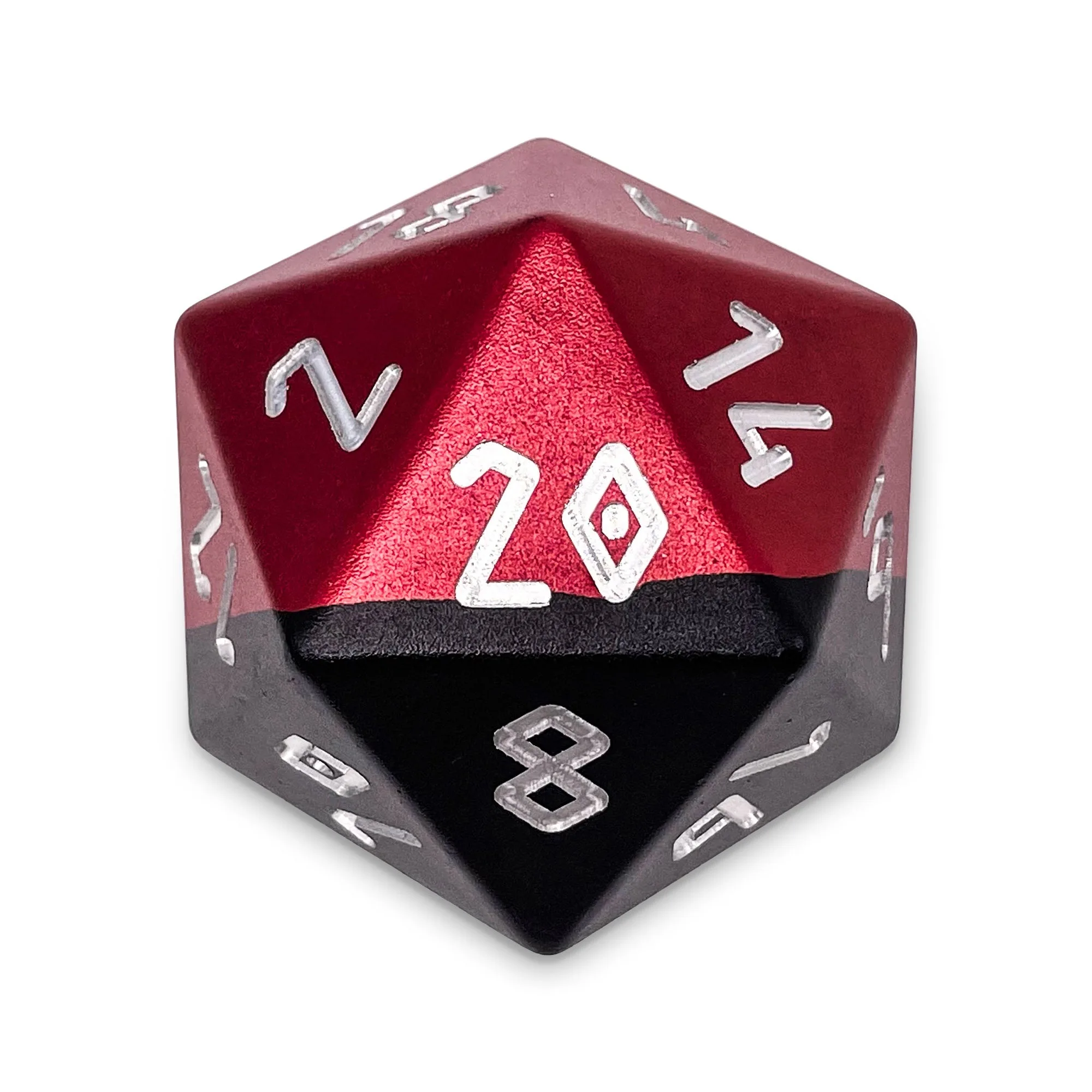
Blood Thirsty - Boulder® 55mm 6063 Aluminum Hybrid Dice