Quick answer
Your external flash overheats because rapid, high-power bursts generate heat faster than the unit can dissipate. To prevent thermal shutdown, slow your firing rate, lower flash power, and ensure adequate airflow around the flash head.
Why flashes overheat
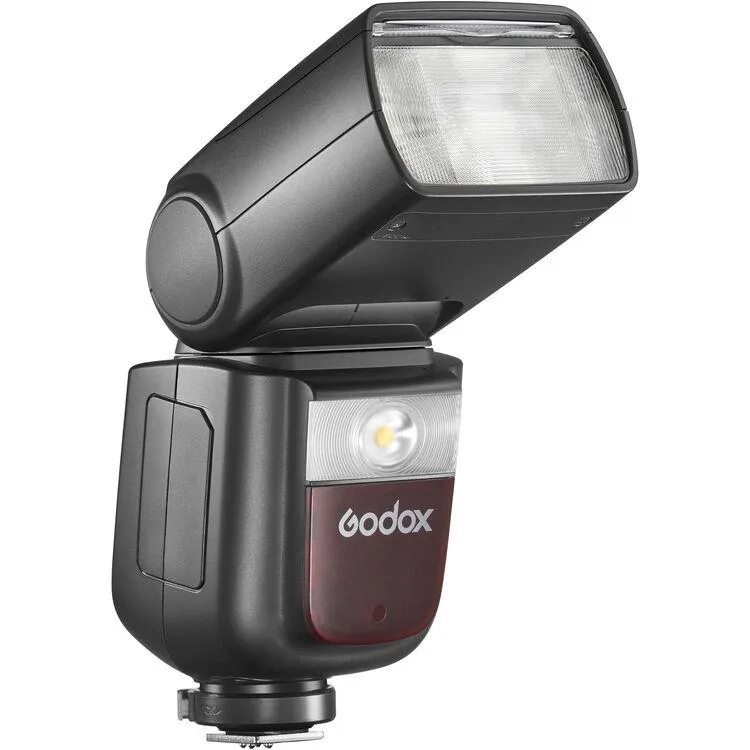
Flashes generate heat when the capacitor discharges energy through the tube. Shooting at full power in quick succession—common during event coverage or high-speed sequences—builds up internal temperature. Most modern TTL flashes, including the Godox V860III, have built-in thermal protection that automatically extends recycle times or shuts the unit down to prevent damage.
Ambient temperature plays a role too. Working outdoors in direct sun or in a hot studio raises the baseline, making it easier to hit the thermal limit. The flash head design and lack of active cooling mean the unit relies on passive heat dissipation through its body and any attached modifier.
Signs your flash is overheating
The most obvious sign is a blinking overheat icon on the LCD screen—usually a thermometer symbol. You may also notice the flash recycle time suddenly getting longer, or the flash refusing to fire entirely until it cools. Some models emit a beep or display a warning message. If you feel the flash head or battery compartment and it's uncomfortably hot to the touch, thermal protection is likely active.
How to cool down a hot flash
Stop firing and turn the flash off for a few minutes. Removing the flash from the camera and setting it in a shaded, ventilated area speeds up cooling. Pointing a small fan at the flash head can help. If you're in a rush, lowering the power setting by one or two stops and moving the flash closer to the subject reduces the heat generated per shot. For continuous shooting, switch to a lower power mode or use a larger modifier to spread the light rather than pushing the flash harder.
Preventing overheating before it starts
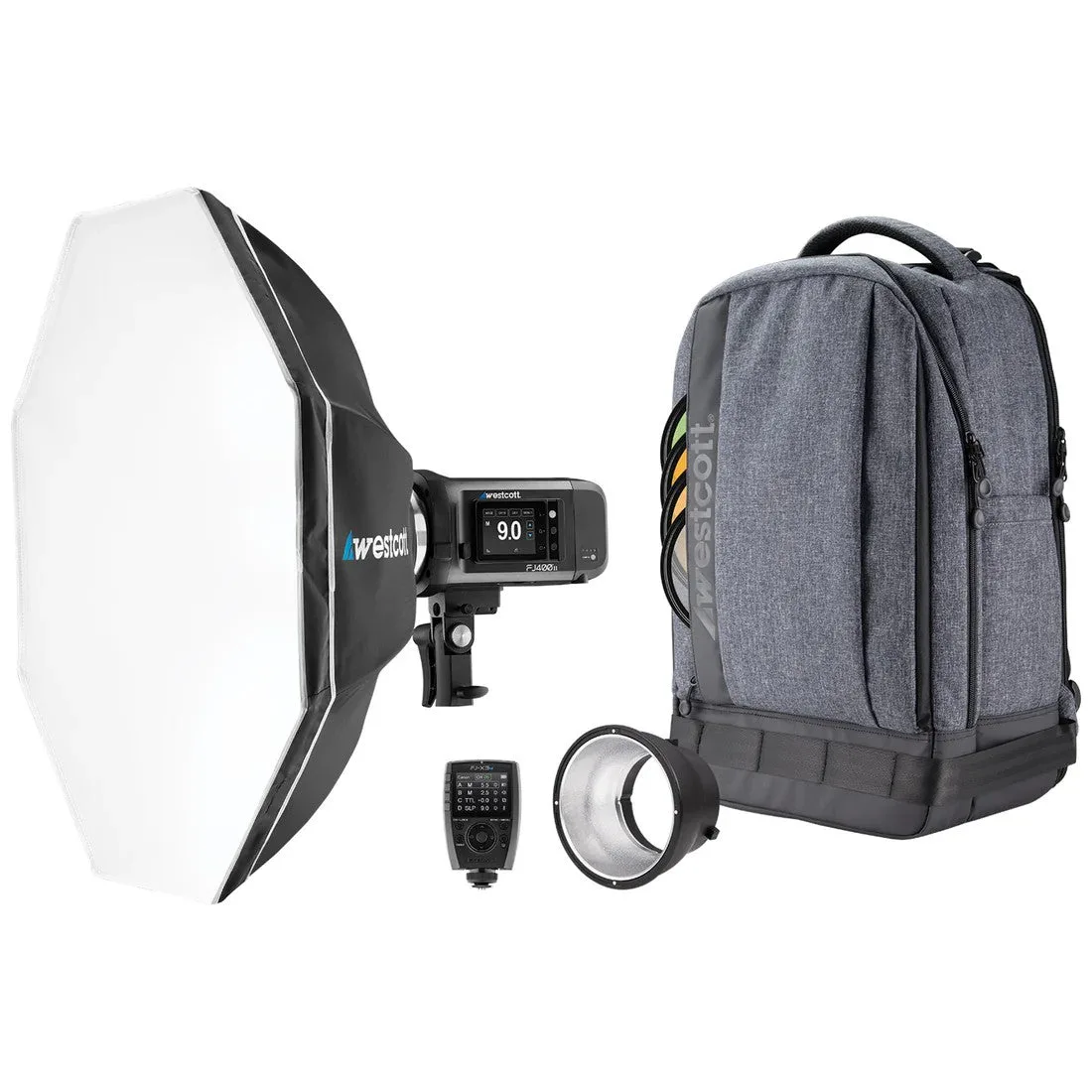
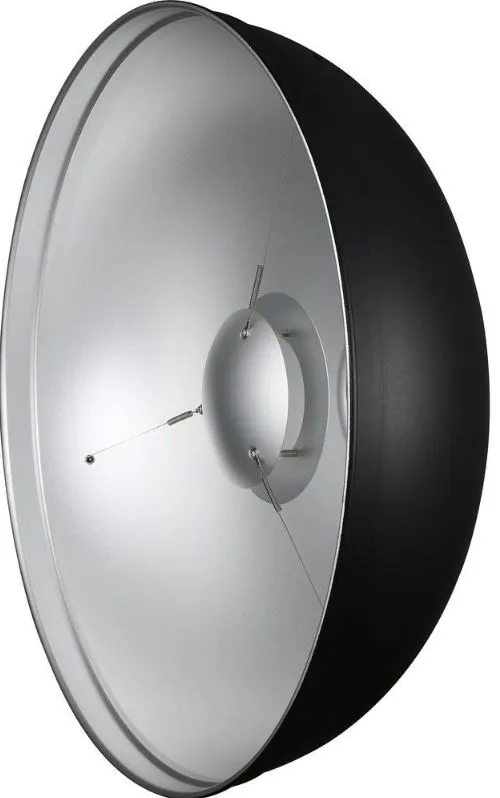
Plan your shooting pace. Instead of firing at full power repeatedly, increase your ISO or open your aperture to allow lower flash power. Use a second flash or a light modifier like the Godox Pro Beauty Dish to soften and spread output, reducing the need for maximum power. If you regularly shoot fast-paced events, consider a strobe with active cooling or a higher duty cycle, such as the Westcott FJ400 II, which recycles in 0.01–0.9 seconds and handles sustained bursts better than a hot-shoe flash.
Diagnosis: Is your flash overheating?
- Symptom: Flash recycle time suddenly increases, or a thermometer icon appears on the display. The flash may stop firing altogether. Your flash has entered thermal protection mode.
- Likely cause: Rapid full-power bursts without enough recovery time. High ambient temperature or poor ventilation around the flash head also contribute. Heat buildup exceeds the flash's passive cooling capacity.
- Corrective action: Stop shooting, turn off the flash, and let it rest in a cool, ventilated area for 5–10 minutes. Lower power settings and use a modifier to reduce strain. The flash should resume normal operation after cooling.
- When to choose another option: If you frequently overheat during event or high-volume shoots, consider upgrading to a strobe with active cooling or a higher duty cycle, like the Westcott FJ400 II. A strobe may be more reliable for sustained use.
Products that help manage flash heat
- Godox Ving V860III TTL Li-Ion Flash Kit for Nikon Cameras: The Godox V860III includes a modeling light for pre-visualization and continues all features of the V860II with upgraded efficiency. A modeling light lets you check light placement before firing, reducing unnecessary test flashes that add heat. The V860III's thermal protection will slow recycle times when it gets hot, so pacing your shots is key.
- Godox Pro Beauty Dish (Silver, 21.3"): The Godox Pro Beauty Dish is a silver light modifier designed for a focused, wraparound quality of light. Using a beauty dish lets you position the flash farther from the subject while maintaining soft light, so you can use a lower power setting and generate less heat.
- Westcott FJ400 II 400Ws Touchscreen Strobe with FJ-X3 M Universal Trigger (1-Light Backpack Kit): The Westcott FJ400 II 400Ws strobe features 0.01–0.9 sec recycle times and a full-color OLED touchscreen. If you regularly hit thermal limits with a hot-shoe flash, a strobe like the FJ400 II handles sustained firing much better thanks to its higher power headroom and faster recycle, reducing the risk of overheating during long shoots.