Quick Answer
If your kegel exercises aren't working, you're likely doing them incorrectly, not doing them often enough, or expecting results too soon. Start by identifying the right muscles, focus on form over intensity, and be consistent for at least 8–12 weeks. If you're still not seeing improvement, consider using a kegel exerciser to provide biofeedback and ensure you're targeting the correct muscles.
You've been doing your kegel exercises faithfully, yet you're not feeling the benefits—no improved bladder control, no stronger orgasms. You're not alone. Many people struggle with pelvic floor training, often because of subtle mistakes that undermine their efforts. The good news is that with a few corrections, you can get back on track and finally see results.
This guide will help you diagnose why your kegel routine might be failing and provide practical solutions to improve it. We'll cover common pitfalls, how to perform kegels correctly, and when it might be time to bring in a kegel exerciser to level up your training.
Common Mistakes That Sabotage Your Kegel Routine
One of the most frequent errors is contracting the wrong muscles. You might be tightening your glutes, thighs, or abdomen instead of your pelvic floor. To check, try stopping your urine flow midstream—but only for testing, not as a regular exercise. If you feel a pulling sensation in your pelvic area, you've found the right muscles.
flow
Another mistake is holding your breath or bearing down instead of lifting up. Kegels should be a gentle lift and squeeze, not a push. Also, many people do kegels only occasionally or forget to incorporate them into their daily routine. Consistency is key; aim for three sets of ten repetitions, three times a day.
Expecting overnight results is another common pitfall. Pelvic floor muscles, like any other muscle, need time to strengthen. It typically takes 8 to 12 weeks of consistent training before you notice significant changes. Patience and persistence are essential.
- Perform a 'quick check' by stopping urine flow midstream to identify your pelvic floor muscles.
- Avoid holding your breath; breathe naturally throughout each contraction.
- Set a daily reminder to do your kegel exercises at the same time each day.
How to Do Kegels Correctly: Step-by-Step
Start by emptying your bladder. Lie down or sit comfortably with your knees slightly apart. Tighten your pelvic floor muscles as if you're trying to hold in gas or stop urine flow. Hold the contraction for 3 to 5 seconds, then relax for 3 to 5 seconds. Repeat this 10 times for one set. As you get stronger, you can increase the hold time to 10 seconds.
Make sure you're not holding your breath or tensing your stomach, buttocks, or thighs. Your breathing should remain steady. To ensure you're using the correct muscles, place a hand on your lower abdomen—it should stay relaxed during the exercise. Also, don't do kegels while urinating as a regular practice; it can lead to bladder infections.
Once you've mastered the basic kegel, you can try different variations, such as 'elevator' exercises where you imagine your pelvic floor as an elevator moving up in stages, or 'flick' exercises involving quick contractions. These can help improve both endurance and speed of muscle response.
- Practice in a comfortable position—lying down makes it easier to isolate the muscles.
- Use a mirror or hand to check for unintended movements in your abdomen or buttocks.
- Gradually increase the duration of your contractions as you get stronger.
When to Consider Kegel Exercise Equipment
If you've been doing kegels correctly for several months without improvement, or if you're unsure whether you're engaging the right muscles, a kegel exerciser can provide valuable biofeedback. Devices like the Enhancer (a clitoral suction vibrator) aren't designed for this purpose, but there are dedicated kegel trainers that help you visualize your contractions in real time.
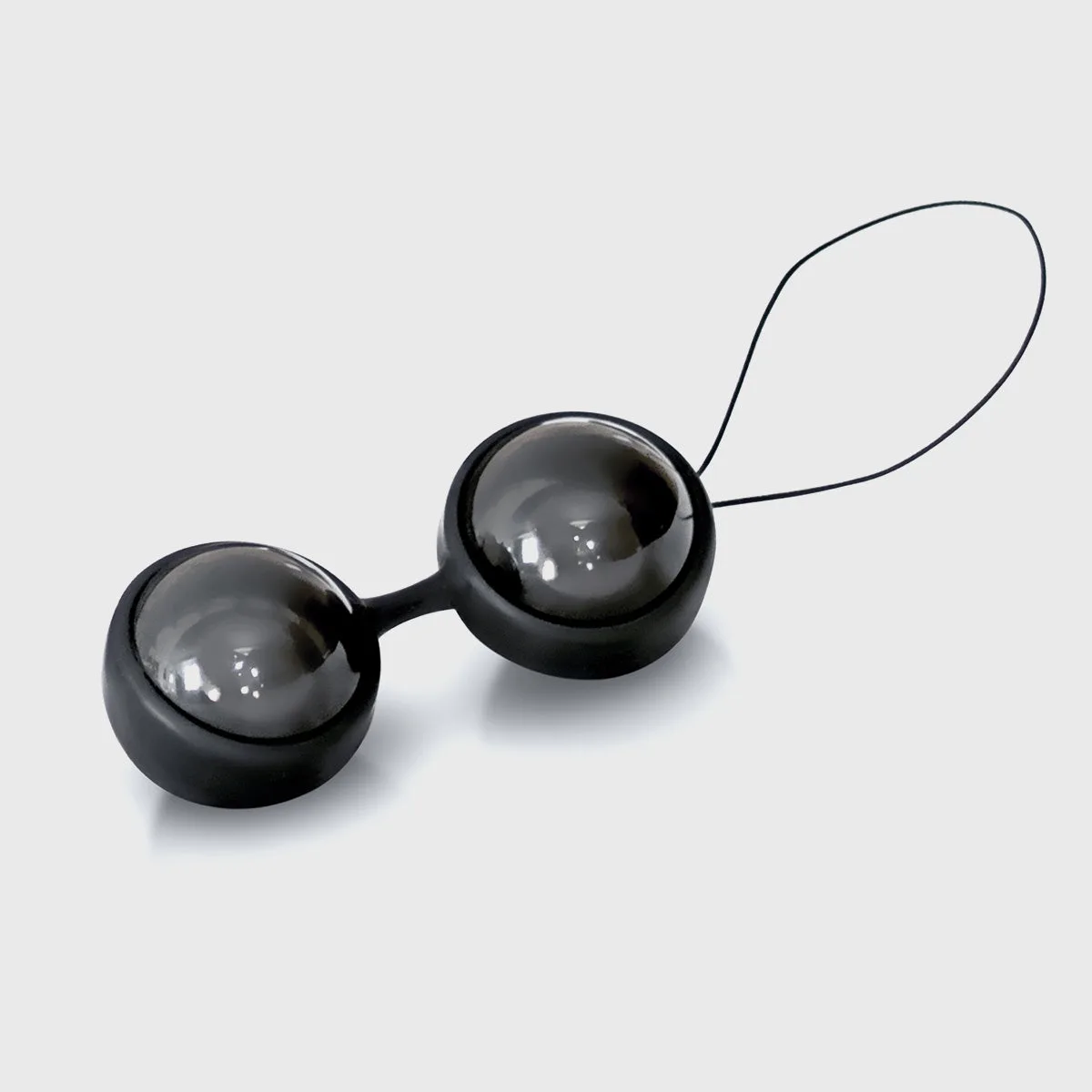
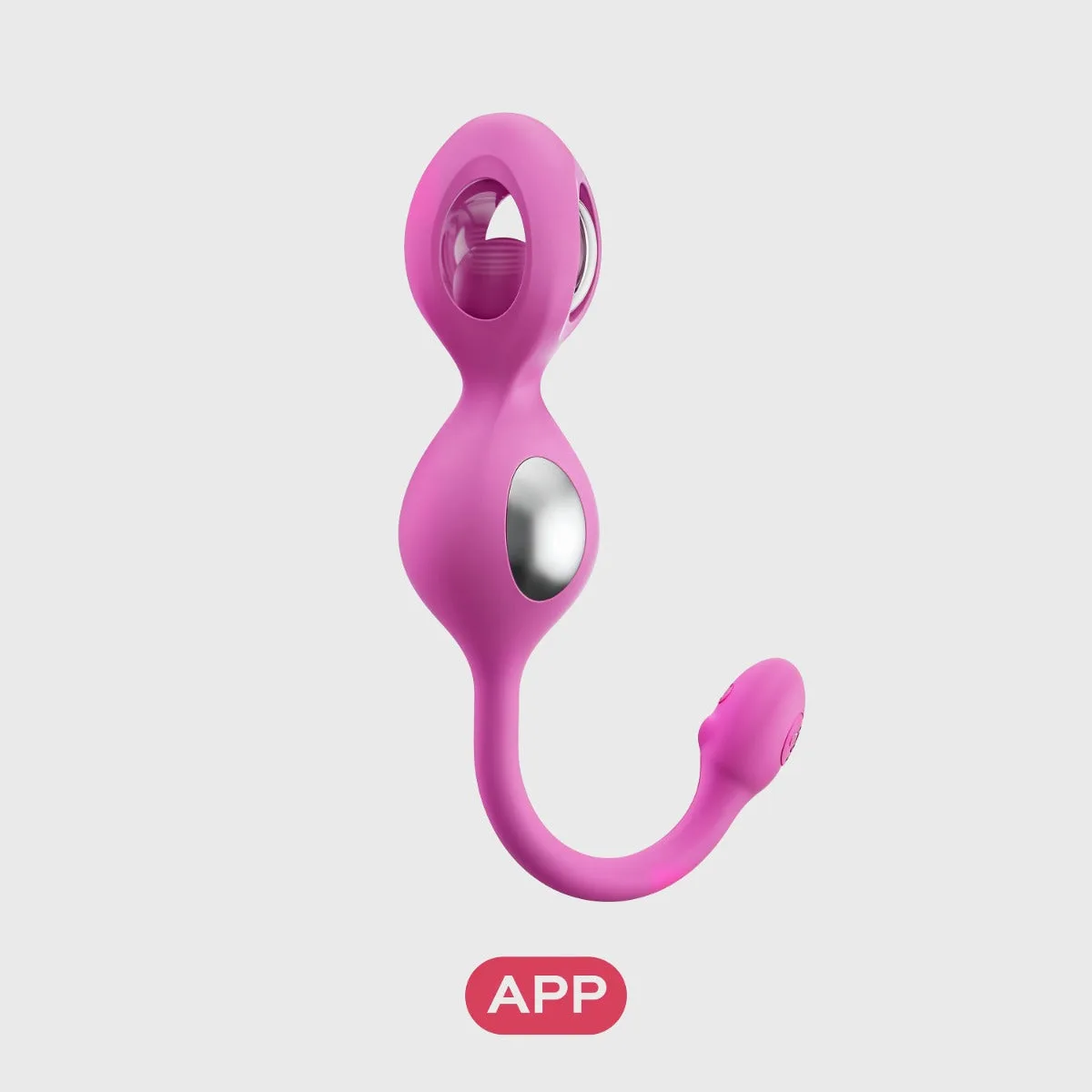
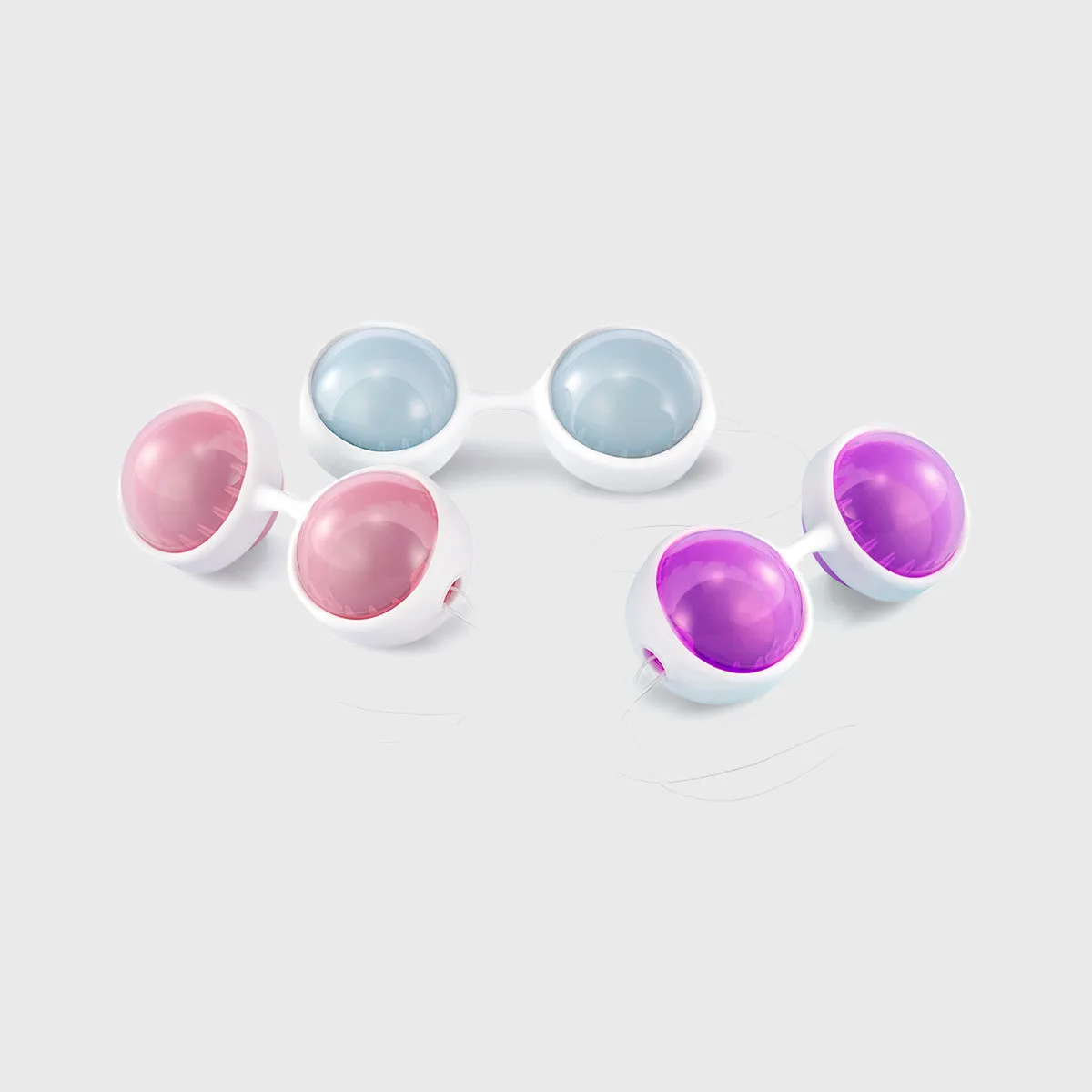
Kegel exercisers, such as weighted vaginal cones or biofeedback devices, can make your training more effective by ensuring you're exercising the correct muscles and by adding resistance to build strength faster. They are especially helpful for beginners who struggle with technique or for those who want to progress more quickly.
When choosing a kegel exerciser, look for one that offers guidance and feedback, such as a smartphone app that tracks your progress. Some devices also offer different intensity levels, allowing you to gradually increase the challenge as your muscles strengthen.
- If you're unsure about your technique, a kegel exerciser with biofeedback can confirm you're on the right track.
- Weighted cones can add resistance to intensify your workouts.
- Choose a device that fits your comfort level and provides clear instructions.
Diagnosis: Why Your Kegels Might Not Be Working
- Symptom: You've been doing kegels for weeks with no noticeable improvement in bladder control or sexual sensation. It's common to feel frustrated, but this is a signal to reassess your technique.
- Likely Cause: You may be contracting the wrong muscles, not holding contractions long enough, or not exercising frequently enough. Review the step-by-step guide above and practice with a hand on your abdomen to ensure proper form.
- Corrective Action: Adjust your technique: focus on isolating the pelvic floor, breathe naturally, and increase your daily sets. Consider using a kegel exerciser for biofeedback if you're still unsure. Give your corrected routine 8–12 weeks of consistent practice.
- When to Stop or Choose Another Option: If after 12 weeks of correct practice you still see no improvement, or if you experience pain, consult a pelvic floor physical therapist. They can assess for underlying issues and provide personalized guidance. Professional help is the next step; don't continue with ineffective methods.
Tools to Enhance Your Pelvic Floor Training
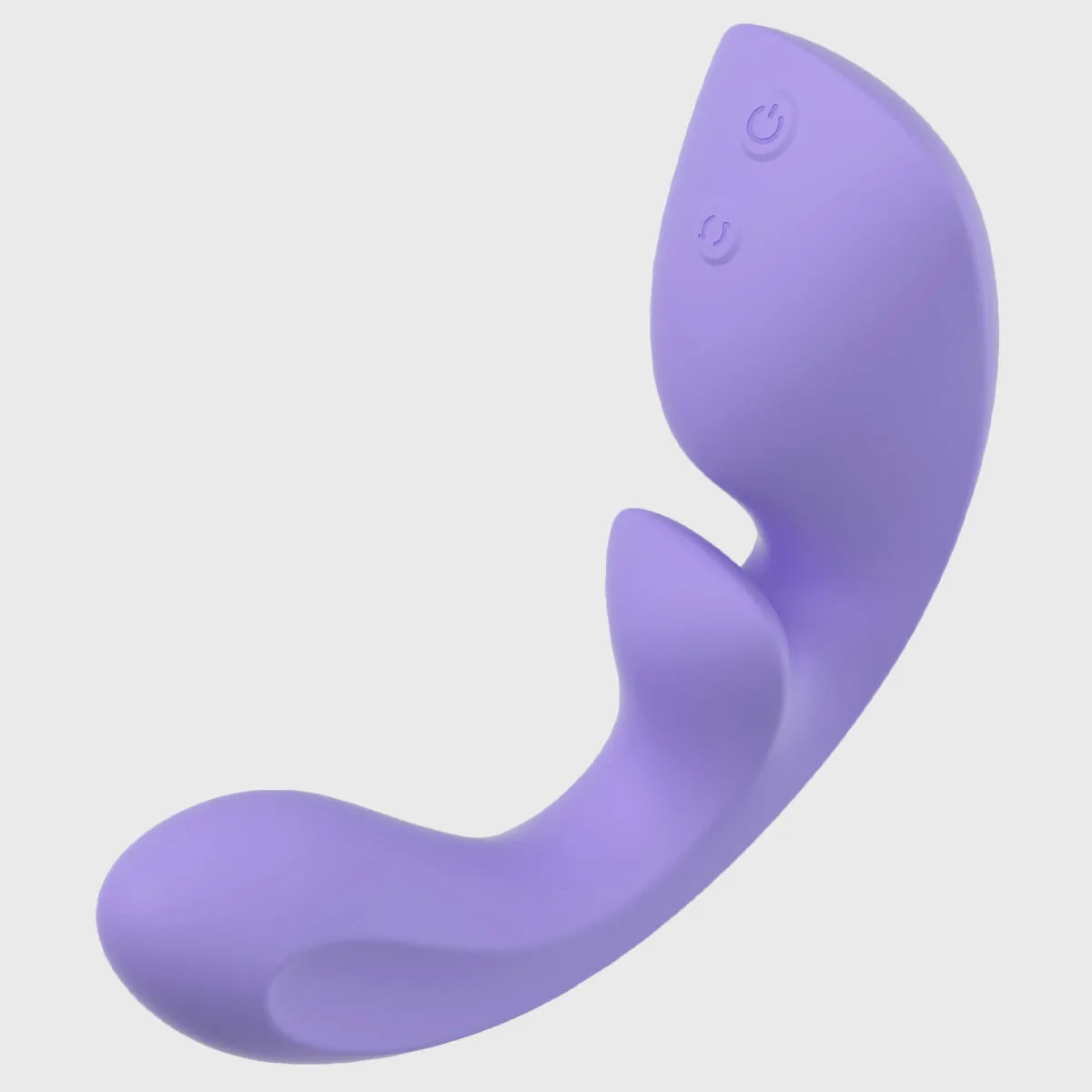
- Enhance: Enhance is a 2-in-1 stimulator that blends Womanizer's iconic Pleasure Air with deep, rumbly vibrations. With two separate motors and over 1,000 combinations of intensity and pattern, you can dial in the exact sensations that send you spiraling. While not a kegel trainer, Enhance can help you explore clitoral pleasure and may complement your pelvic floor fitness by enhancing arousal and orgasmic response, which can motivate continued kegel practice.
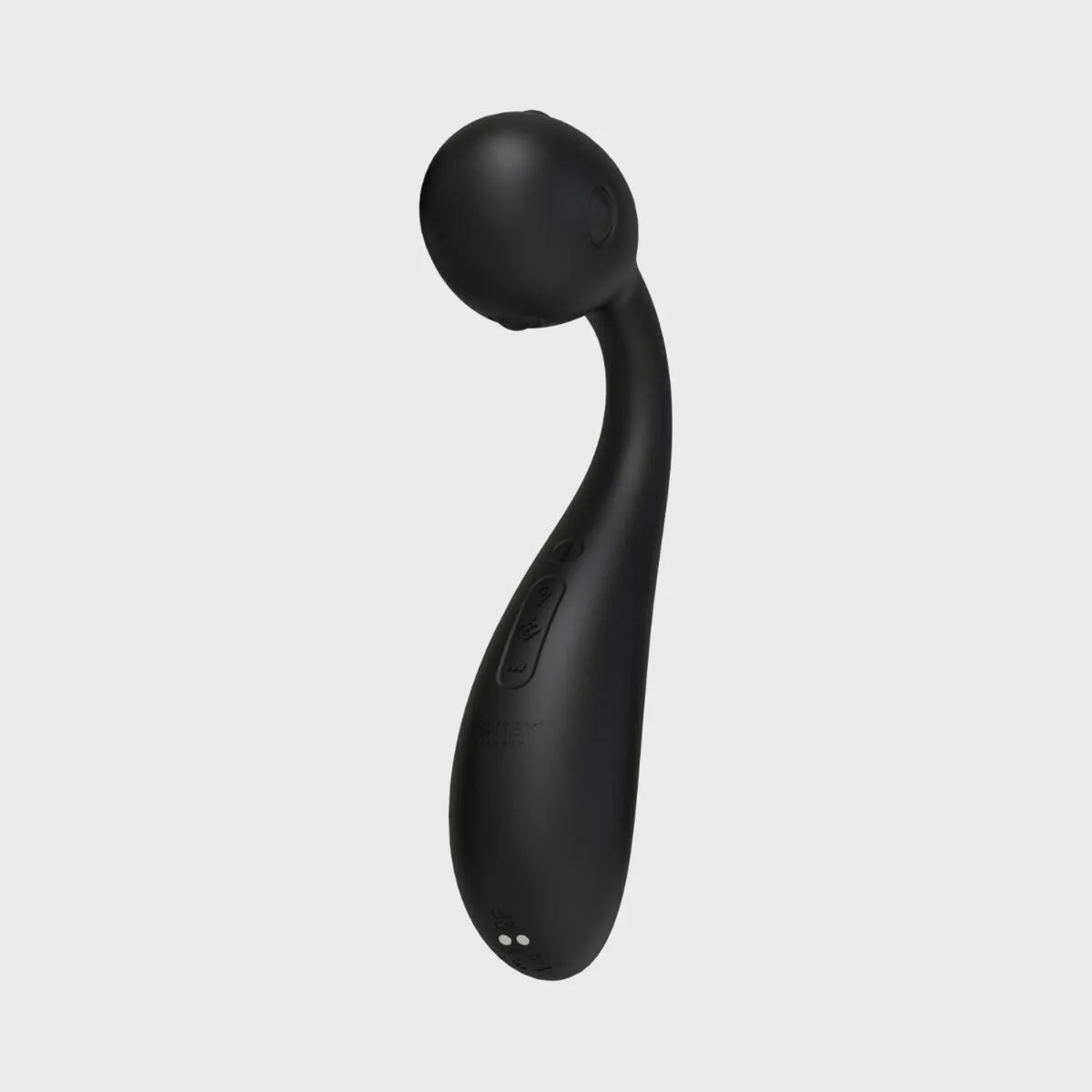
- Stella: Stella is a powerful Liquid Silicone G-Wand with a deeply curved design for G-spot stimulation. Using a G-spot wand like Stella can help you become more aware of your internal pelvic floor muscles during solo play, potentially improving your mind-muscle connection for kegels.
Kegel exercises can transform your pelvic health, but only if you do them correctly and consistently. By addressing common mistakes and giving your routine time to work, you can achieve the results you're after. If you need extra support, consider a kegel exerciser to guide your training. Remember, every body is different—what works for one person may not work for another, so listen to your body and adjust accordingly.