Quick answer
Lipstick bleeds when oils from your skin or lip balm break down the pigment and let it creep into fine lines around your mouth. To stop feathering, prep lips with a primer or powder, outline with a matching lip liner, and apply color with a precise brush rather than straight from the tube.
What causes lipstick to bleed?
Lipstick bleeding—also called feathering—happens when the oils and emollients in your lipstick migrate into the tiny vertical lines around your lips. This is more common with creamy, high-shine formulas and when the lip area isn't properly prepped. The natural movement of your lips throughout the day also pushes color outward.
Skin type plays a role too. If you have fine lines or dry patches around your mouth, the pigment has more pathways to travel. Without a barrier, even a well-loved lipstick can turn into a smudged mess within an hour.
How to prevent lipstick feathering in 4 steps
Start with clean, dry lips. Avoid applying heavy lip balm right before lipstick—excess moisture is a common cause of bleeding. If your lips feel dry, apply balm 10 minutes ahead and blot off any residue.
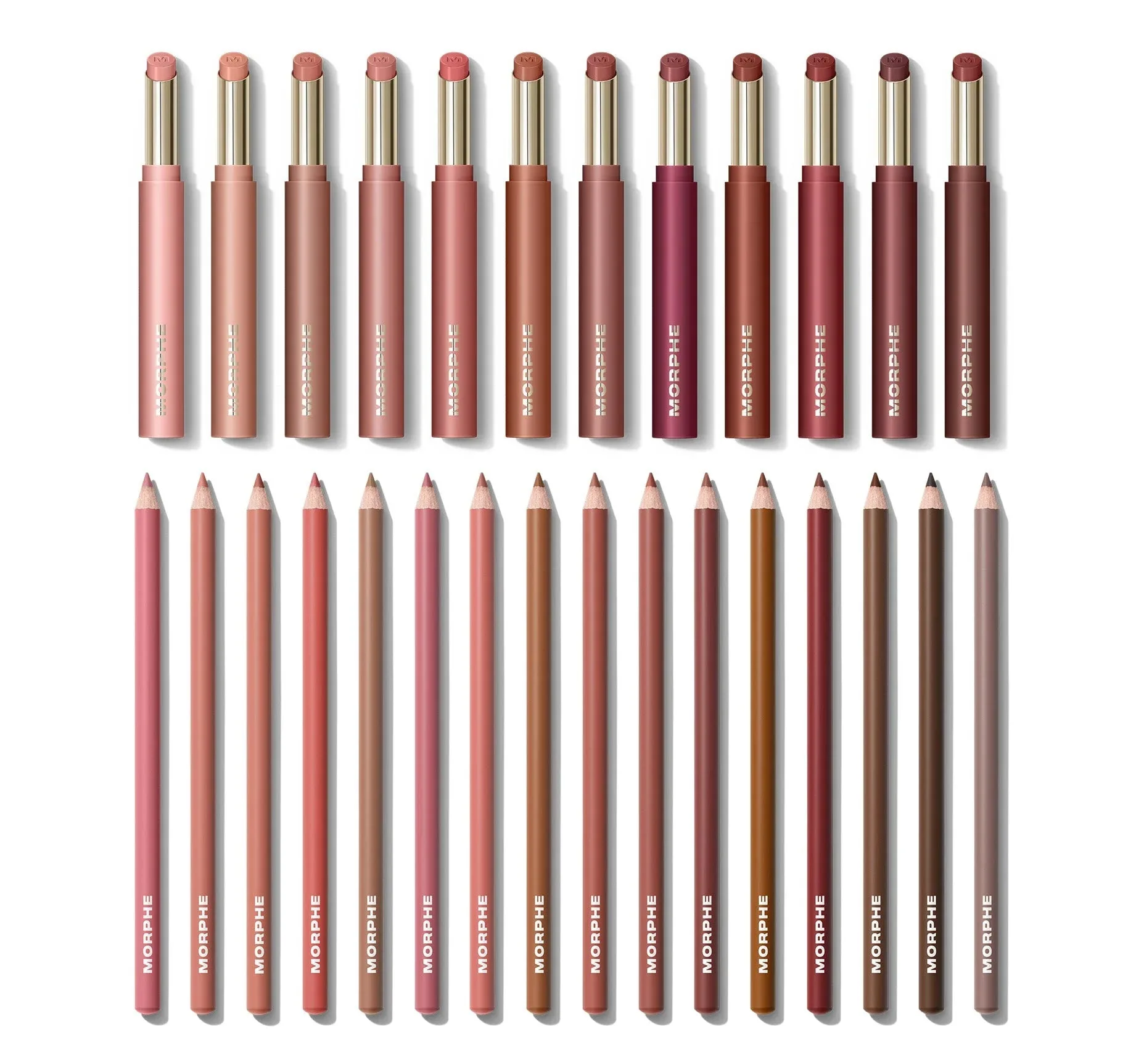
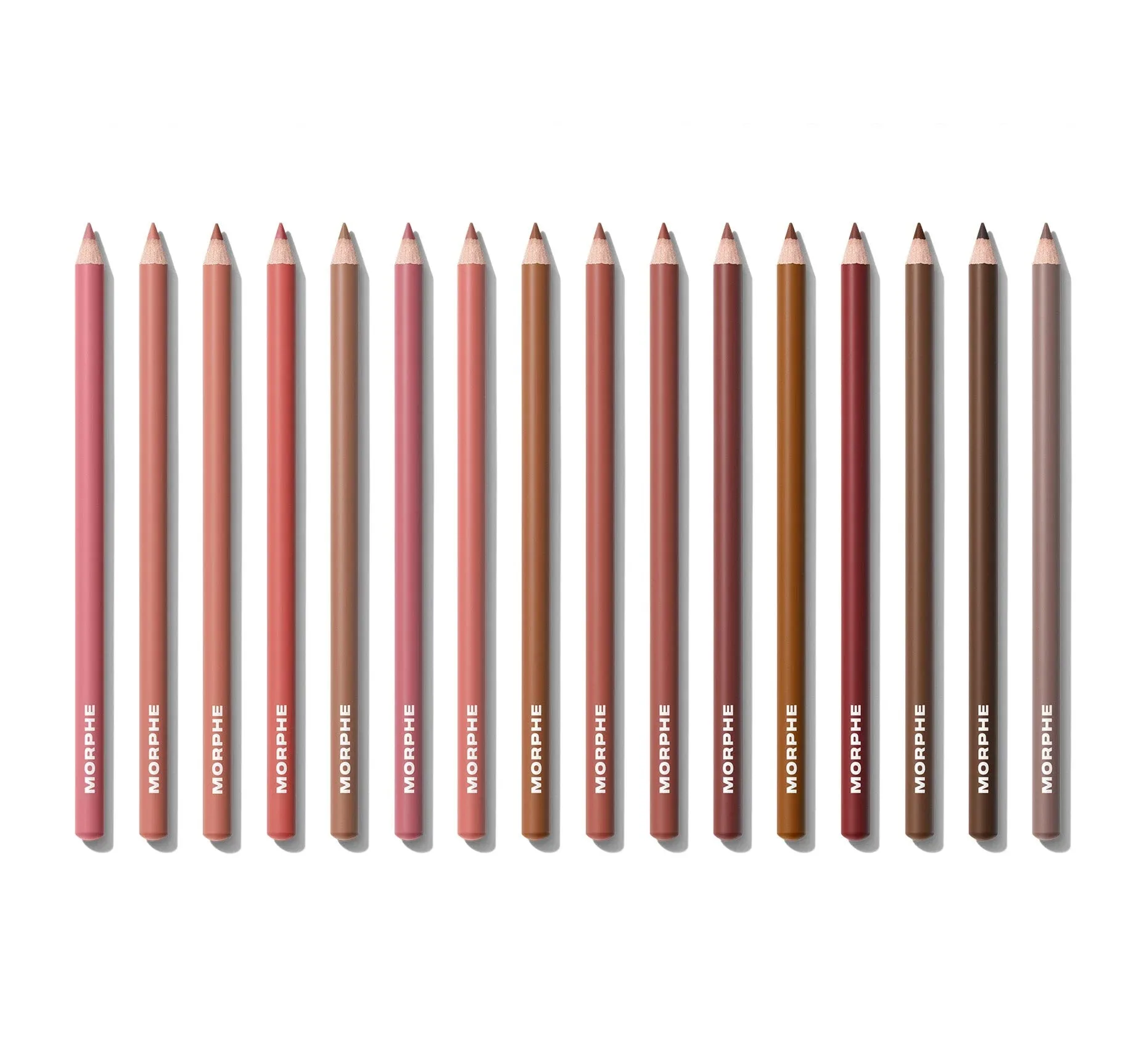
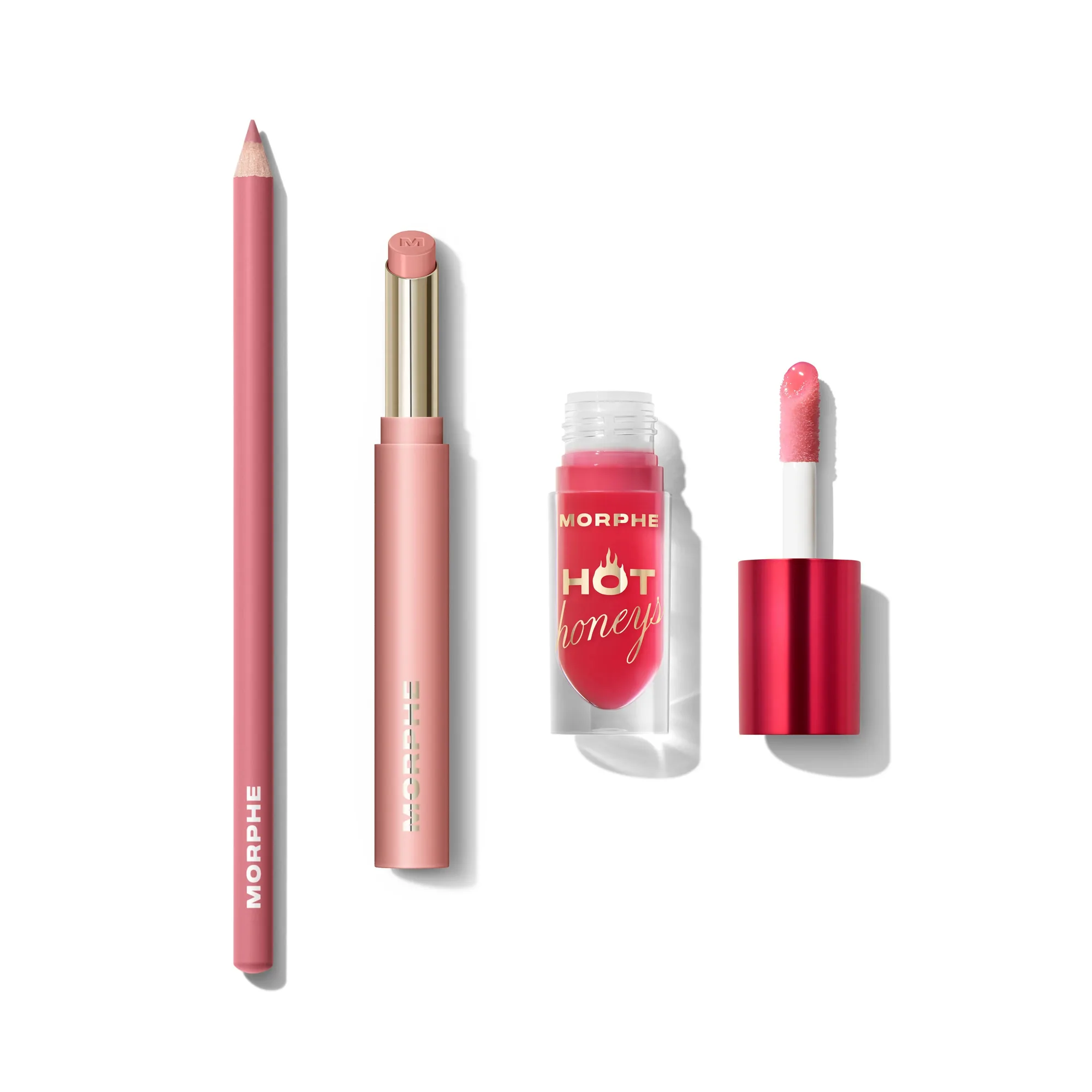
Use a lip primer or dust a thin layer of translucent powder over your lips and the surrounding skin. This creates a dry canvas that helps color stay put. Then, line your lips with a lip liner that matches your lipstick or natural lip shade. Extend the liner slightly beyond your natural lip line only if you want to correct shape—for bleeding prevention, stay right on the edge and fill in the entire lip.
Apply lipstick with a small, precise brush instead of the bullet. This gives you control over how much product lands on your lips and keeps the color exactly where you want it. A pointed brush like the M362 Pointed Eyeliner Brush works well for detailed lip lining and filling, even though it's designed for eyes. Its fine tip lets you trace the lip edge without going over.
After your first layer, blot with a tissue and reapply. This sandwich technique locks in pigment. For extra insurance, hold a tissue over your lips and dust a bit of translucent powder through it—this sets the color without dulling the finish.
Diagnosis: Is your lipstick routine causing bleeding?
- Symptom: Color creeps into fine lines around your mouth within an hour of application, especially with creamy or glossy formulas. You are likely skipping prep or using too much emollient product near the lip edge.
- Likely cause: Oils from lip balm, moisturizer, or the lipstick itself dissolve the pigment and let it travel. Lack of a barrier (liner or primer) makes it worse. Check your lip balm timing and whether you use a liner that matches your lipstick.
- Corrective action: Prep with powder or primer, line and fill lips with a matching liner, and apply lipstick with a precise brush. Blot and set with powder. If bleeding still happens after this routine, switch to a drier, long-wear lipstick formula or a lip stain.
Tools that help prevent lipstick bleeding
- M362 Pointed Eyeliner Brush: The densely bristled, fine point of the M362 Pointed Eyeliner Brush helps you get into the details. It provides controlled application along your lashes, whether you’re lining, perfecting a cat-eye, or creating a graphic look. The same precision that works for eyeliner makes this brush excellent for tracing the lip border and filling in color without smudging. Its fine tip lets you keep product inside your lip line, reducing the chance of feathering.