Quick answer
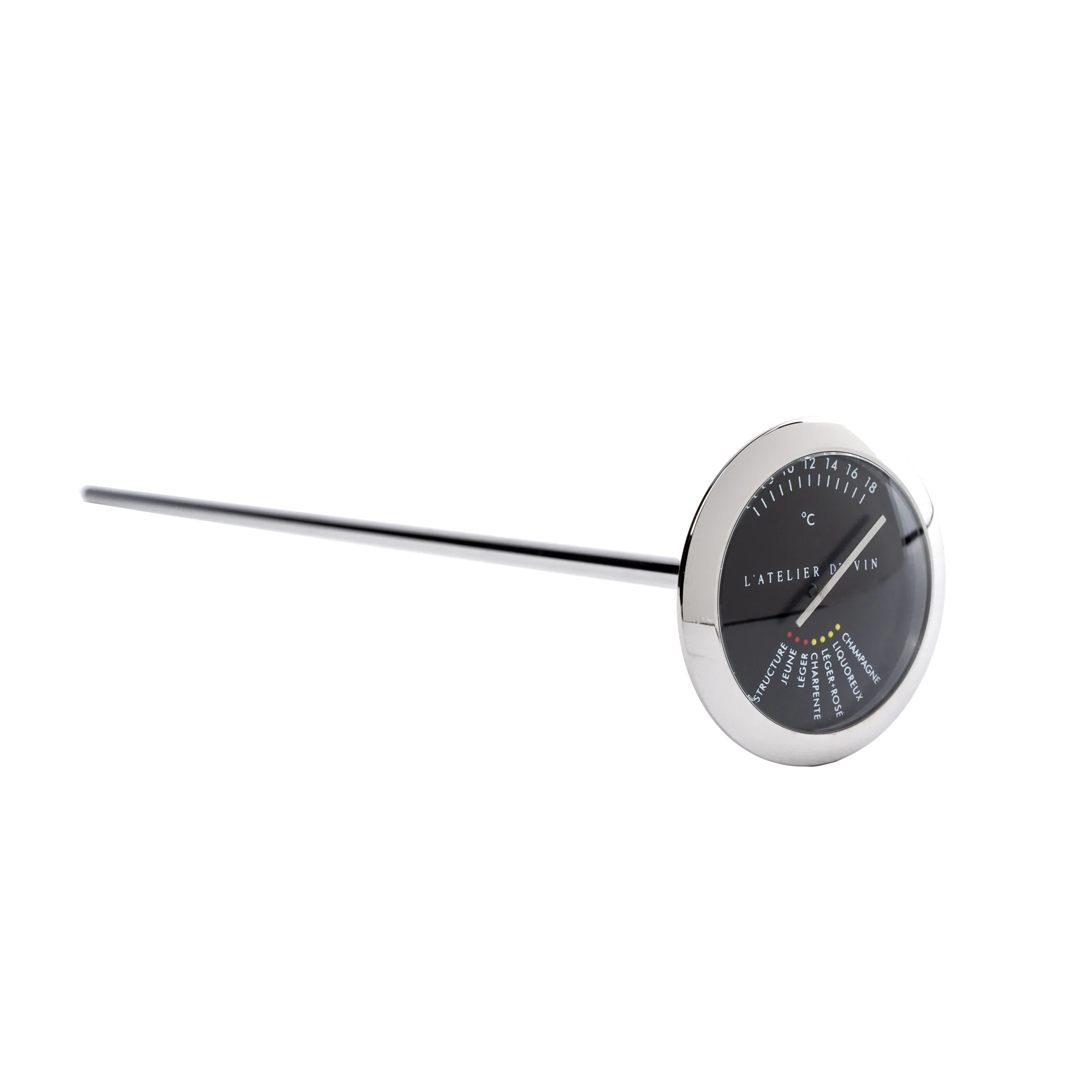
Use a wine thermometer to check the bottle's actual temperature before serving. Aim for 60–68°F (15–20°C) for reds, 45–50°F (7–10°C) for whites, and 43–50°F (6–10°C) for Champagne. If the reading is off, chill the bottle in an ice bath for 10–15 minutes or let it stand at room temperature for 10–20 minutes, then recheck.
Why wine temperature matters more than you think
Temperature changes how you perceive a wine's aroma, acidity, tannin, and sweetness. Serve a red too warm and the alcohol dominates, flattening the fruit. Serve a white too cold and you mute its perfume and make the acidity feel sharp. A thermometer removes the guesswork so you can judge the wine, not the thermometer.
Room temperature is not a fixed number. A kitchen that feels comfortable at 70°F will push a light red like Pinot Noir past its ideal range, while a cellar-cool counter at 62°F might suit a Cabernet Sauvignon. That's why checking the bottle—not the room—is the reliable move.
How to chill or warm a bottle quickly
For fast chilling, fill a bucket or large bowl with equal parts ice and water, add a handful of salt, and submerge the bottle for 10–15 minutes. The water conducts cold far better than air, so this beats the refrigerator for speed. For warming, stand the bottle in a sink of warm—not hot—water for 5–10 minutes, or simply leave it on the counter and check every 10 minutes.
Avoid the microwave, the freezer for more than 20 minutes, and pouring warm wine into a cold glass, which drops the temperature again. If you decant, note that a wide decanter warms wine faster than the bottle because of the greater surface area.
When to check: before, during, and after pouring
Check the bottle before you open it, then check the wine in the glass if you're serving a large pour or sitting outdoors. A glass of white wine on a sunny patio can rise 10°F in 15 minutes. For sparkling wine, keep the bottle in an ice bath between pours and recheck every 20 minutes.
If you're serving several wines, work from the coolest to the warmest—sparkling first, then whites, then reds—so the palate isn't shocked by a jump in temperature.
Step-by-step: serving wine at the right temperature
- Check the bottle before opening: Insert a wine thermometer into the bottle or hold it against the glass for 30 seconds. Note the reading against your target range. Mistake to avoid: guessing from room temperature. The bottle can be several degrees off.
- Chill or warm to the target range: For chilling, use an ice-water bath for 10–15 minutes. For warming, stand the bottle in warm water for 5–10 minutes or leave it at room temperature, checking every 10 minutes. Checkpoint: recheck the temperature before opening—don't assume 10 minutes is always enough.
- Open and pour, then recheck in the glass: After pouring, check the wine in the glass if you're outdoors or serving a large pour. Sparkling wine warms fastest, so keep it in the ice bath between pours. Mistake to avoid: letting a glass sit in the sun. It can warm 10°F in 15 minutes.
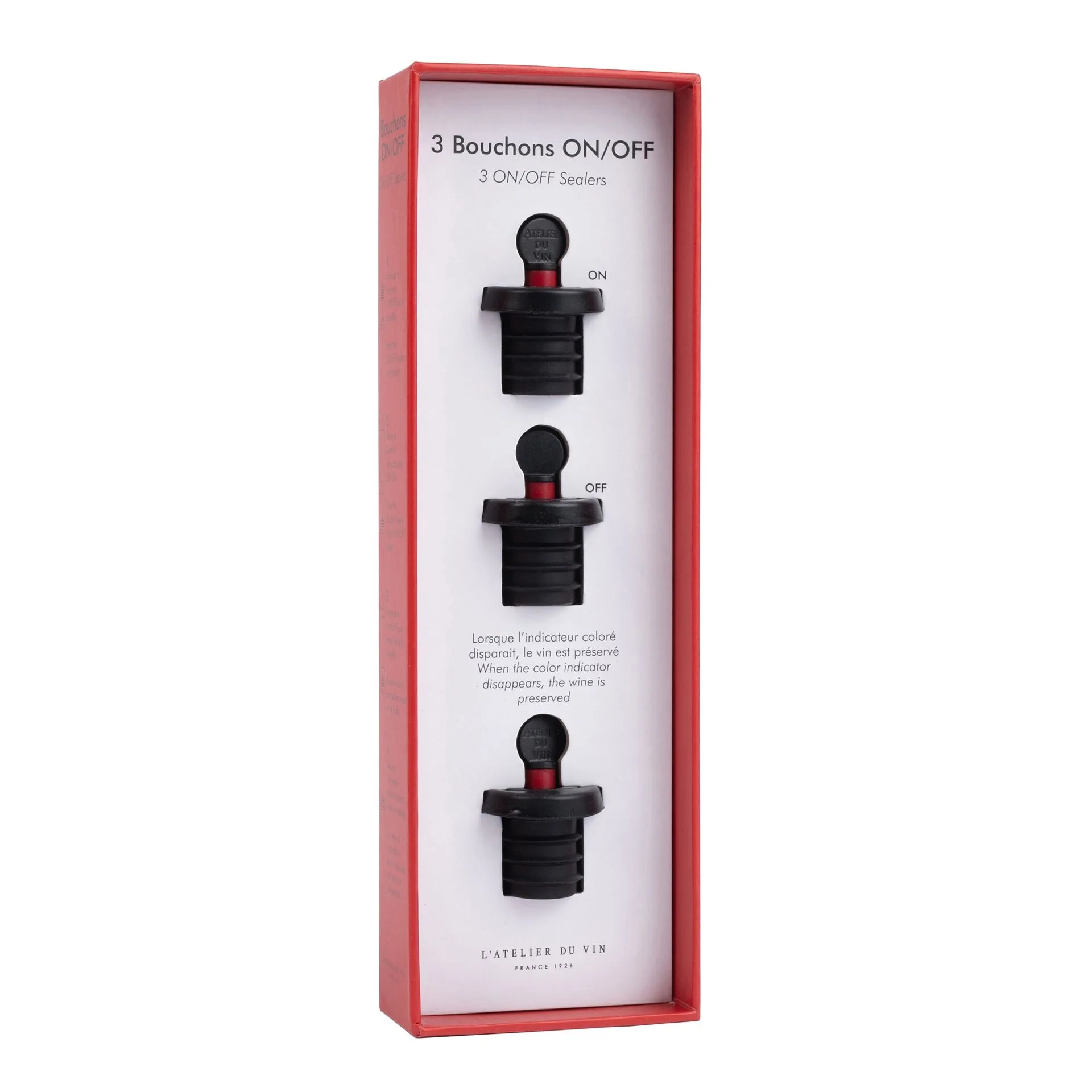
- Reseal leftovers at the right temperature: If you don't finish the bottle, use a vacuum stopper to seal it, then store it in the refrigerator. Recheck the temperature before serving again. Next step: for reds, pull the bottle 20–30 minutes before serving to let it warm gradually.
Tools that make temperature control easier
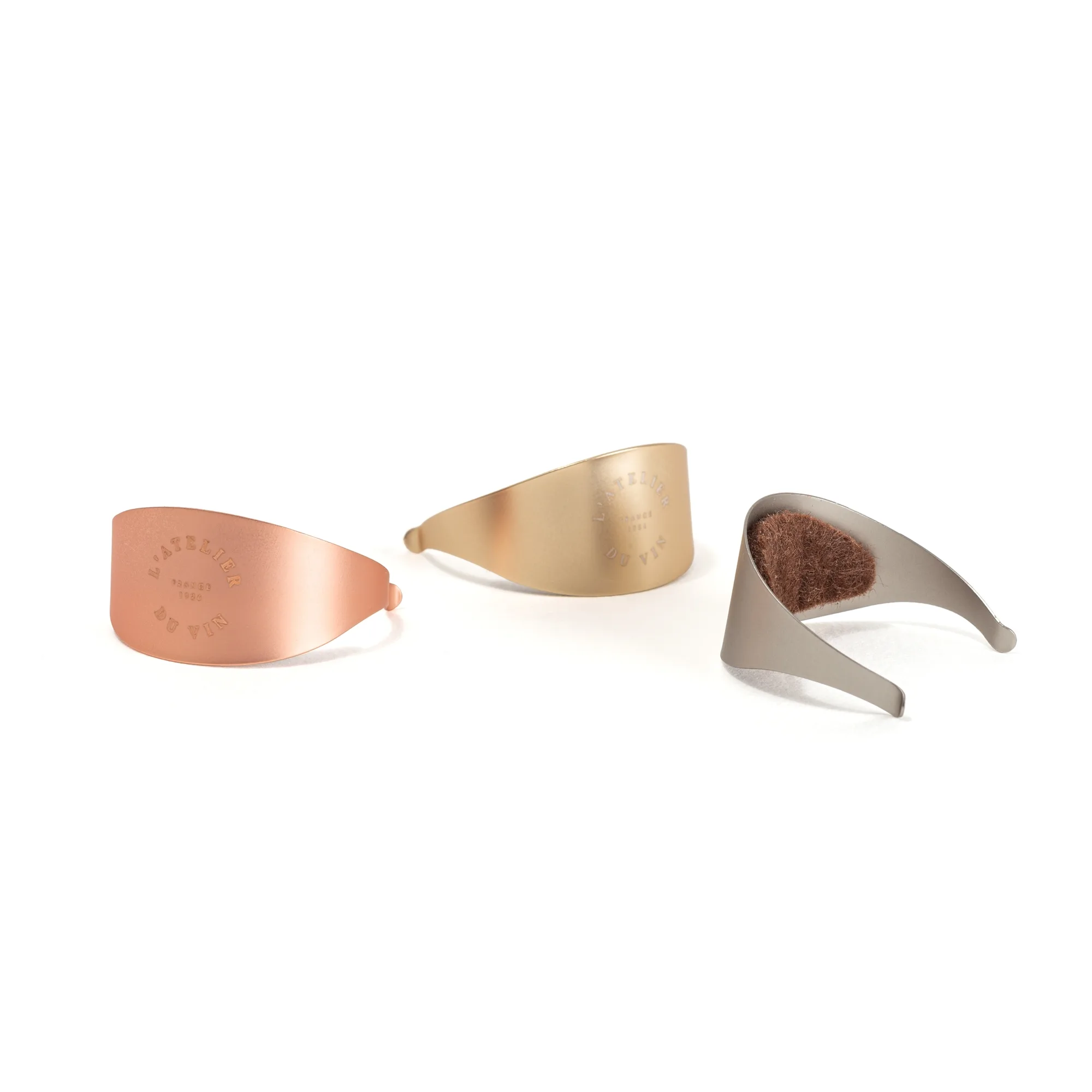
- Wine Thermometer – Serving Temperature | L’Atelier du Vin: Wine thermometer designed to ensure every bottle is served at its ideal tasting temperature for optimal flavour and expression. Gives you a fast, objective reading so you can chill or warm the bottle with confidence instead of guessing.
- Wine Vacuum Stoppers (Pack of 3) | L’Atelier du Vin: Wine vacuum stoppers (pack of 3) compatible with Gard’Vin On/Off pump. Ensure airtight sealing after air extraction to preserve freshness. If you open a bottle and decide to wait for the right temperature, these stoppers let you reseal it without losing freshness.