Quick answer
If you want all-day comfort and have a smaller bust, a wireless bralette is usually the better pick. If you need lift, shaping, and stronger support, an underwire bra wins. For many people, the smartest approach is owning both: wireless bralettes for relaxed days at home or under loose clothing, and underwire styles for work, events, or anything that demands a defined silhouette.
How the two styles actually differ
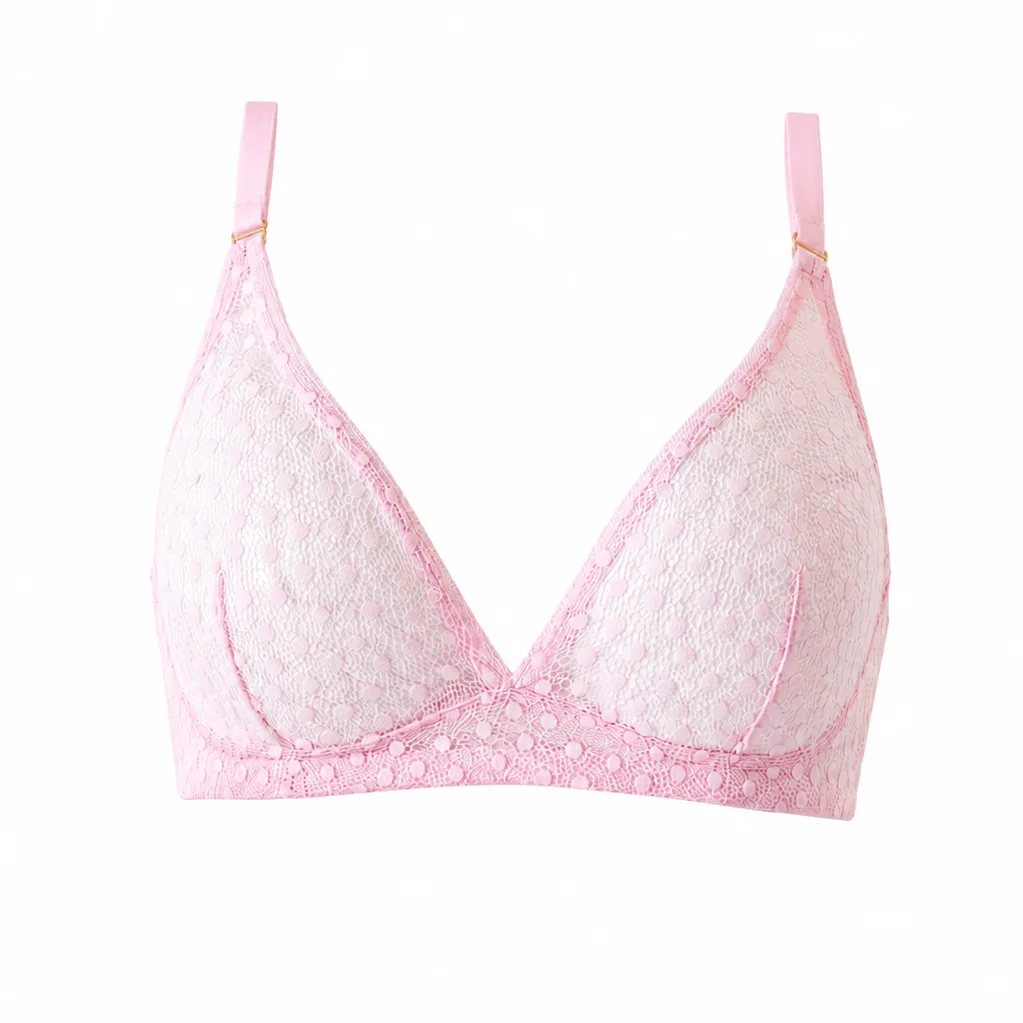
A wireless bralette skips the metal underwire entirely. Support comes from the band, the fabric's stretch, and how the cups are cut. That makes bralettes lighter and often more forgiving, but it also means they rely on a snug band to stay in place. An underwire bra uses a curved wire sewn into the base of each cup to anchor the bust against your ribcage. That wire is what creates lift, separation, and a more sculpted shape. The trade-off is simple: bralettes prioritize comfort, underwire bras prioritize structure.
Support and shaping: what to expect
Underwire bras generally provide more support and a more defined silhouette, especially for larger cup sizes. The wire distributes weight and helps prevent the bust from sitting low against the torso. Wireless bralettes offer light support and a natural shape. They can still flatter, but they won't lift or separate the way an underwire can. If your main goal is a smooth line under a fitted top, underwire usually delivers more predictable results. If your goal is to feel unconstrained, wireless is the clear winner.
Comfort factors beyond the wire
Comfort isn't only about the wire. Band width, strap adjustability, and fabric softness matter just as much. A wireless bralette with a too-tight band can dig in just as badly as an ill-fitting underwire bra. Similarly, an underwire bra with a well-cushioned band and soft cups can feel comfortable for hours. The real difference is how each style interacts with your body: wireless styles move with you, while underwire styles hold their shape. If you're sensitive to pressure points under the bust, wireless is often the safer choice.
Fit checks for each style
For a wireless bralette, the band should feel snug but not tight, and the bottom edge shouldn't ride up when you raise your arms. The cups should cover your breast tissue without gaping or cutting in. For an underwire bra, the wire should sit flat against your ribcage, not on top of breast tissue. The center gore should touch your sternum (or come close, depending on your shape), and the band should be level all the way around. If the wire pokes or floats, the cup size or shape is off.
Trade-offs at a glance
- Wireless bralette: Provides light support and a natural shape, often with softer fabrics and no metal wire. Best for smaller busts, lounging, or days when comfort is the priority. Choose this if you want to forget you're wearing a bra.
- Underwire bra: Delivers more lift, separation, and shaping thanks to the wire and structured cups. Better for larger busts or outfits that need a defined silhouette. Choose this if you want reliable support and a polished look under clothes.
- Hybrid approach: Many people keep both: wireless bralettes for weekends and relaxed days, underwire bras for work, events, or anything that requires more structure. You don't have to pick just one—match the bra to the day.
Real options to compare
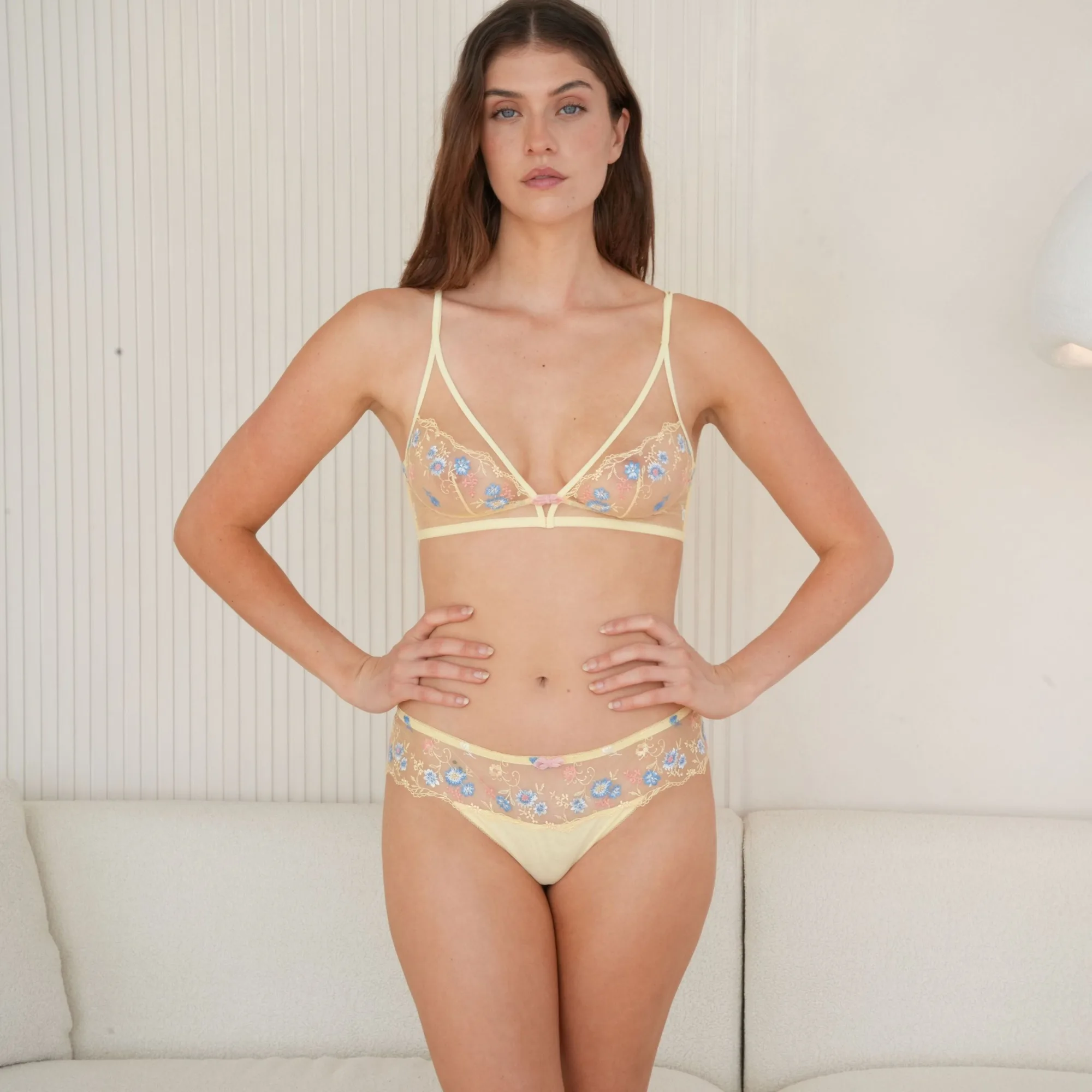
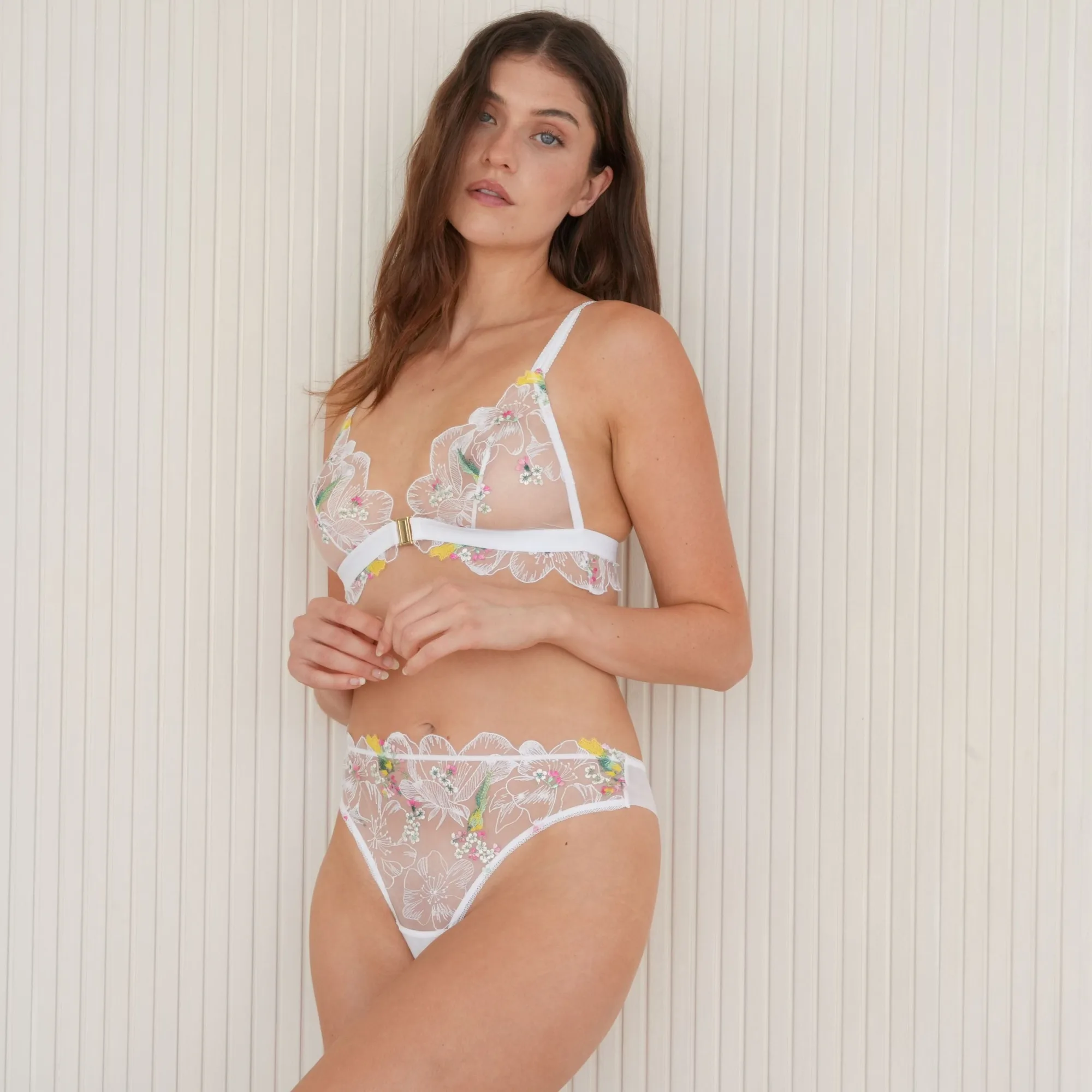
- Huit - Amour d'ete - Bralette: Wireless bralette with floral embroidery of daisies and magnolias over tulle, designed for light support and a beautiful silhouette. A good example of a wireless style that still looks polished, making it suitable for everyday wear when you want comfort without sacrificing detail.
- Huit - Winter Romance - Bralette: Wireless bralette with intricate lace details and a modern short silhouette, featuring a vintage-inspired imported lace pattern. Shows how a wireless design can feel romantic and intentional, not just basic, which matters if you want a bralette that works under both casual and dressy outfits.
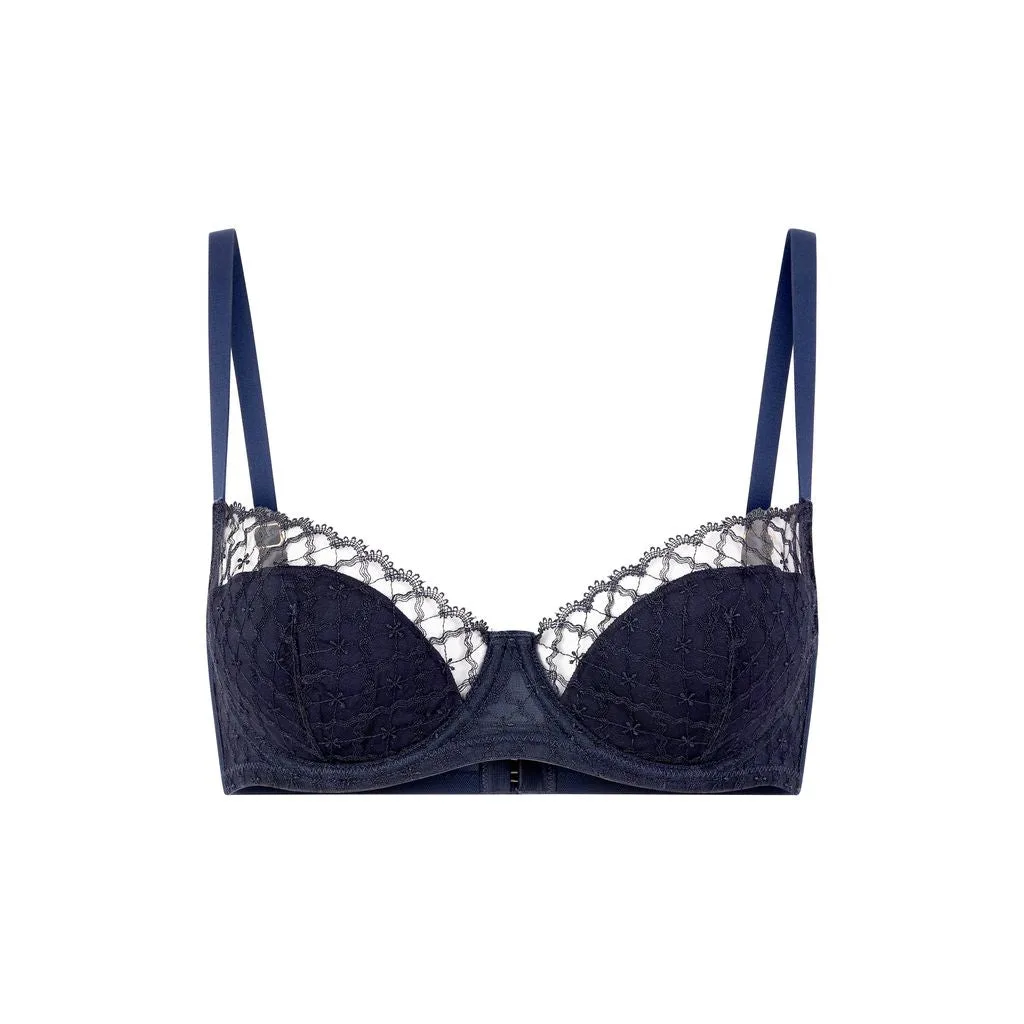
- HUIT - Eclipse - Padded Balconette: Padded balconette with soft cotton lifting cups and Swiss-made embroidered geometric lace, designed to enhance cleavage with a plunging effect. Demonstrates what an underwire-style bra can do for lift and shape, making it a strong choice when you need more support than a bralette provides.
Which should you choose?
Best for
- Smaller busts that don't need heavy lifting
- All-day comfort at home or under loose clothing
- Anyone who dislikes the feel of underwire
Not for
- Those who need strong support or shaping
- Fitted outfits that require a smooth, lifted silhouette
- Larger cup sizes that need wire-based structure