Quick answer
For most families, a mix works best: choose solid wooden playthings for open-ended, daily-use pieces like ramps, climbers, and blocks, and use plastic where you need light weight, outdoor weather resistance, or a lower upfront price. Wood usually wins on repairability and resale; plastic usually wins on portability and hose-down cleanup. Safety depends far more on construction, finish, and age-appropriate sizing than on the material label alone.
What actually breaks first on wooden vs plastic toys
Wooden playthings rarely fail in the middle of a board. The weak points are joints, dowels, screws, and the thin rails or rungs that take sideways force when a child leans or hangs. Plastic toys fail differently: UV exposure makes outdoor plastic brittle over a few seasons, and thin molded walls crack at stress points like handles and hinge pins. That means a wooden piece with a loose joint is often tighten-and-continue, while a cracked plastic shell is usually done.
Moisture is the other divider. Wood swells and can split if it is left in standing water or repeatedly soaked without drying; plastic shrugs off rain but can trap water inside hollow sections, which leads to mildew and hidden cracks in freezing temperatures. If a toy lives outdoors year-round, check whether it is designed for that exposure rather than assuming the material decides it.
How to judge a wooden toy's finish and safety without a lab
You cannot verify a specific finish or certification from a product photo, so treat missing finish information as a decision limitation and ask the seller before buying. What you can inspect in person: whether surfaces are sanded smooth with eased edges, whether paint or stain sits only on the surface or fills the grain, and whether any coating smells strongly of solvent when unpacked. A faint wood or water-based finish smell that fades within a day is normal; a persistent chemical odor is a reason to air it out and reconsider.
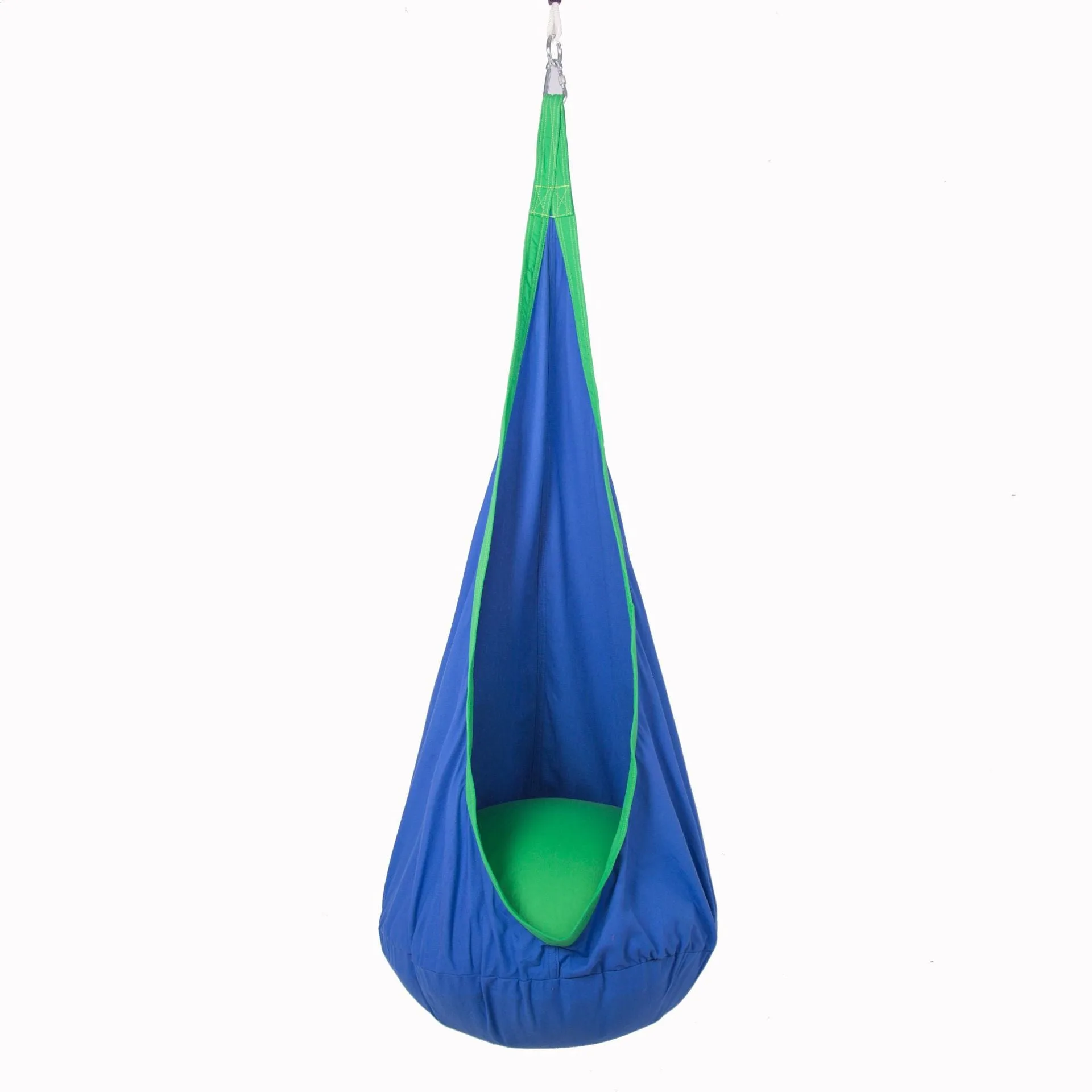
For toddlers, the practical safety checks are gaps and pinch points. Run a finger along moving parts—ramp channels, folding hinges, swing hardware—and look for openings that could trap small fingers or a child's head. Loose hardware should be re-tightened on a schedule, because vibration from daily play loosens bolts faster than most parents expect.
Plastic toy alternatives that make sense for toddlers
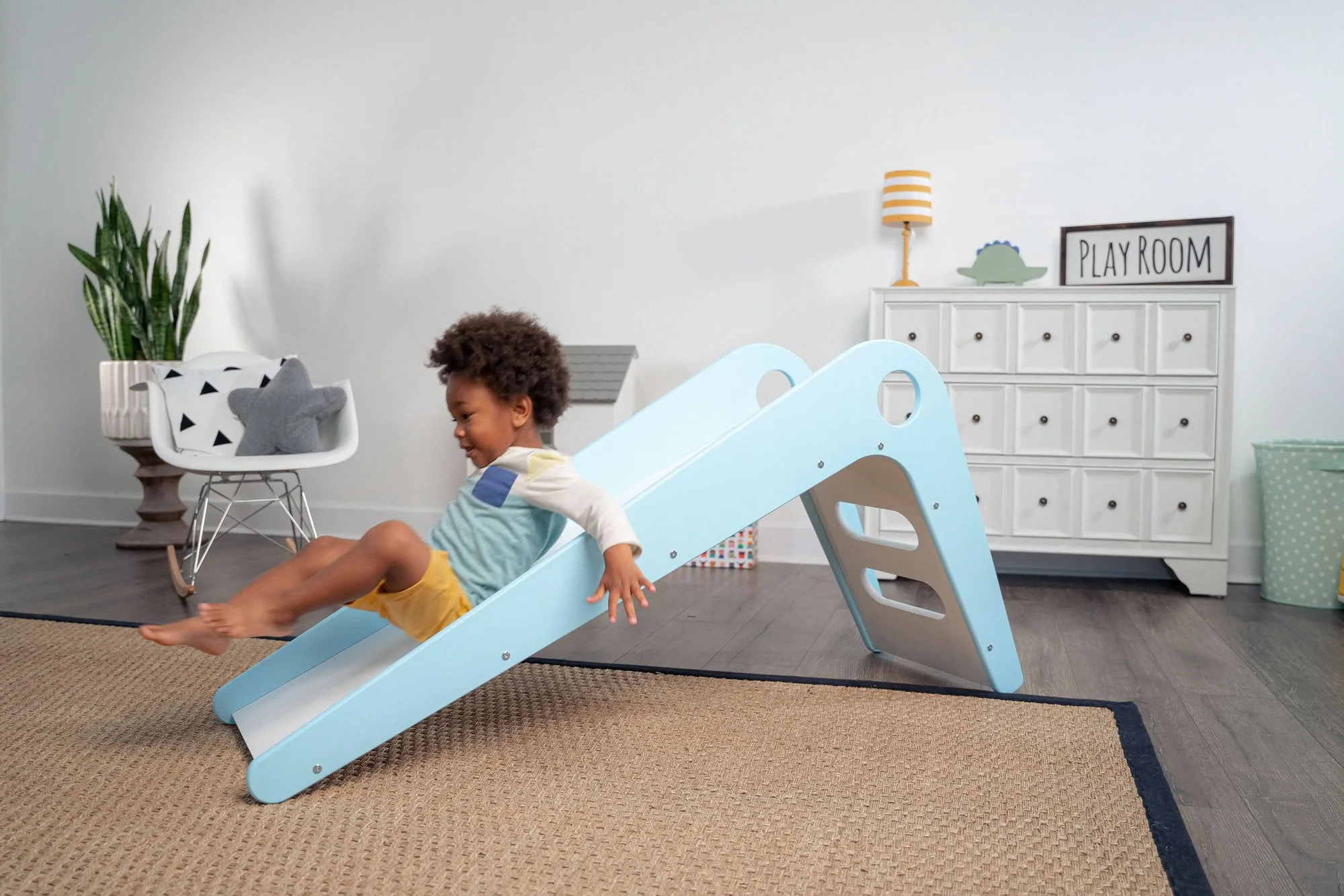
Plastic earns its place for water tables, bath toys, ride-ons, and anything that needs to be carried one-handed or hosed down. It is also the pragmatic choice when you need a specific size or shape at a low price, or when a toy will be used on concrete and scraped constantly. The tradeoff is that plastic usually cannot be repaired, resold for much, or handed down more than once.
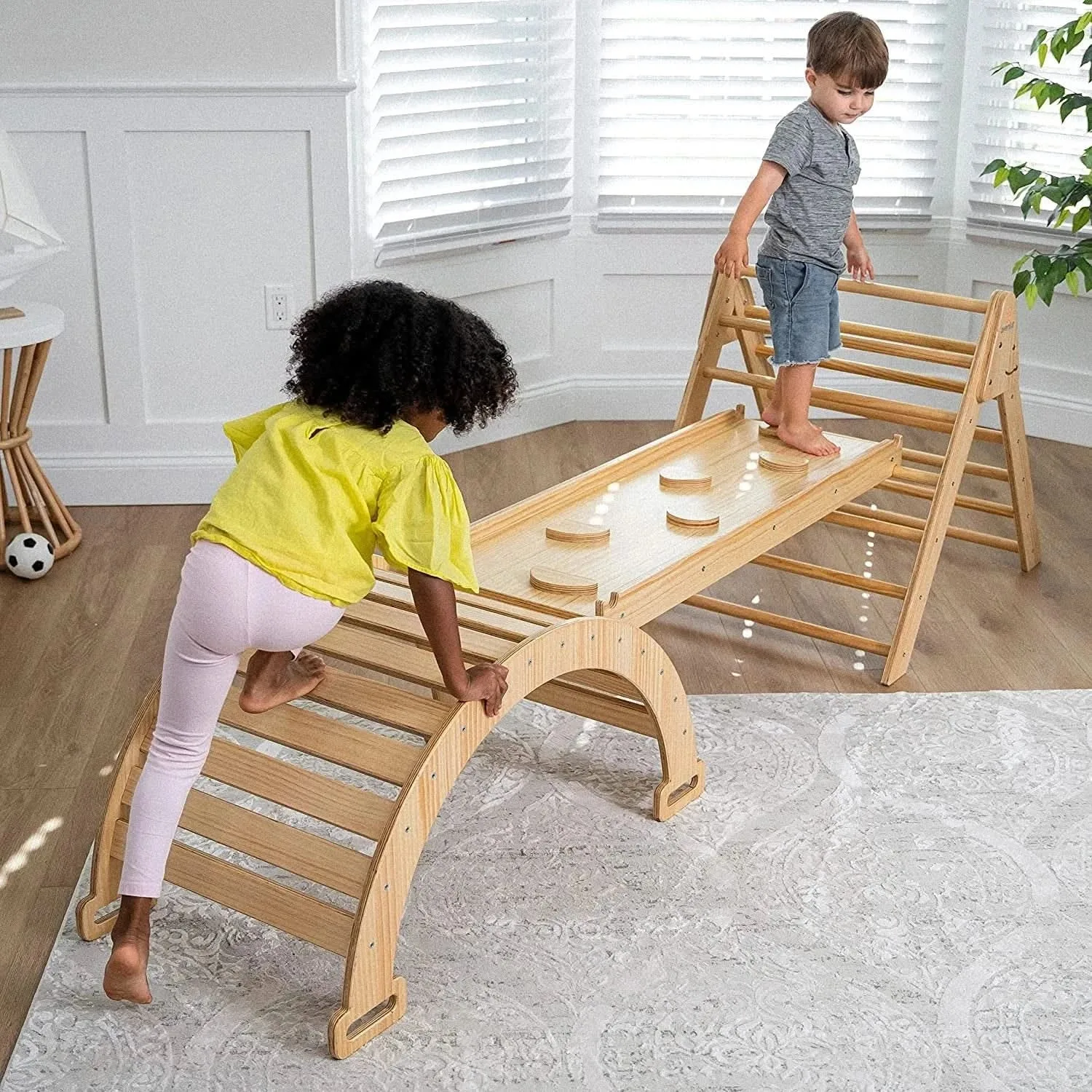
A reasonable approach is to spend on the pieces that anchor daily play and go budget on accessories. Wooden climbers, ramps, and block sets get used for years and hold value; plastic bins, scoops, and water toys get replaced without guilt.
What sustainable wooden toys actually means in practice
Sustainability in wooden toys comes down to three things you can partly verify: the wood source, the finish, and how long the product lasts. A toy made from a fast-growing, responsibly harvested species and finished with a simple water-based coating has a smaller footprint than one that is heavily lacquered, shipped in foam, and replaced every year. Longevity is the most reliable environmental argument—a piece that survives two children and gets resold avoids the manufacturing and shipping of two replacements.
Be skeptical of vague eco claims. If a listing does not name the wood species or finish type, that information is simply absent, and you should ask rather than assume. Buying less and buying sturdier is a more defensible strategy than chasing a label.
Cleaning and care that extends the life of both materials
For wooden playthings, wipe with a damp cloth and mild soap, then dry immediately—never soak or dishwash. Re-tighten hardware monthly, and touch up any worn finish on high-contact edges before moisture gets into the grain. For plastic, avoid abrasive scrubbers that create micro-scratches where bacteria and mildew hide, and store hollow items upside down so water drains.
One shared rule matters more than any product claim: check the toy against the child, not just the age label. A piece that is too tall, too loose, or too slick for your child's current abilities is the real hazard, regardless of what it is made of.
FAQ: quick answers on wooden vs plastic toys
Are wooden toys safer than plastic toys?
Not automatically. Safety comes from smooth sanded edges, secure hardware, no pinch points, and age-appropriate sizing. A well-made plastic toy can be safer than a poorly finished wooden one, and vice versa. Ask about the finish if it is not stated. Judge the construction, not the material label.
How long do wooden playthings last compared to plastic?
Solid wooden toys often outlast plastic because joints can be tightened and surfaces refinished. Plastic tends to crack at stress points and becomes brittle with UV exposure outdoors. Neither survives being left in standing water. Expect wood to be repairable and plastic to be replaceable.
Do wooden toys hold resale value?
Generally yes, for sturdy, brand-name pieces in good condition. Plastic toys usually resell for little because they scratch, fade, and cannot be repaired. This resale gap is a real part of the long-term cost difference. Factor resale into the sticker price before deciding wood is too expensive.
What should I check before buying a wooden toy for a toddler?
Look for sanded surfaces, no splinters, hardware that can be tightened, and gaps that cannot trap fingers. Confirm the finish type if the listing does not name it. For climbers and ramps, measure your space first—size options matter more than material. Measure, inspect, and ask about the finish before you buy.
Are plastic toy alternatives ever the better choice?
Yes, for water play, bath toys, ride-ons, and anything that needs to be light, cheap, or hosed down. Plastic is also more practical on concrete and in shared outdoor spaces where a wooden piece would get scraped and soaked. Use plastic for wet, rough, or disposable roles; use wood for daily anchors.
How do I clean wooden and plastic toys without ruining them?
Wipe wood with a damp cloth and mild soap, then dry immediately—never soak it. Clean plastic with a soft sponge and avoid abrasive scrubbers that create scratches. Store hollow plastic items upside down to drain. Dry wood fast and keep plastic scratch-free.
Product facts that show the material tradeoffs
- Wooden Car Ramp Racer | Montessori Rolling Track Toy for Toddlers: The Avenlur Wooden Car Ramp Racer is a gravity-powered, Montessori-inspired wooden track with four colorful tiers and smooth-gliding wooden cars, designed to build fine motor skills, visual tracking, and hand-eye coordination. A concrete example of a wooden toy whose value comes from repeatable, screen-free play—the kind of piece that justifies wood because it gets handled daily and does not need batteries or plastic parts to function.
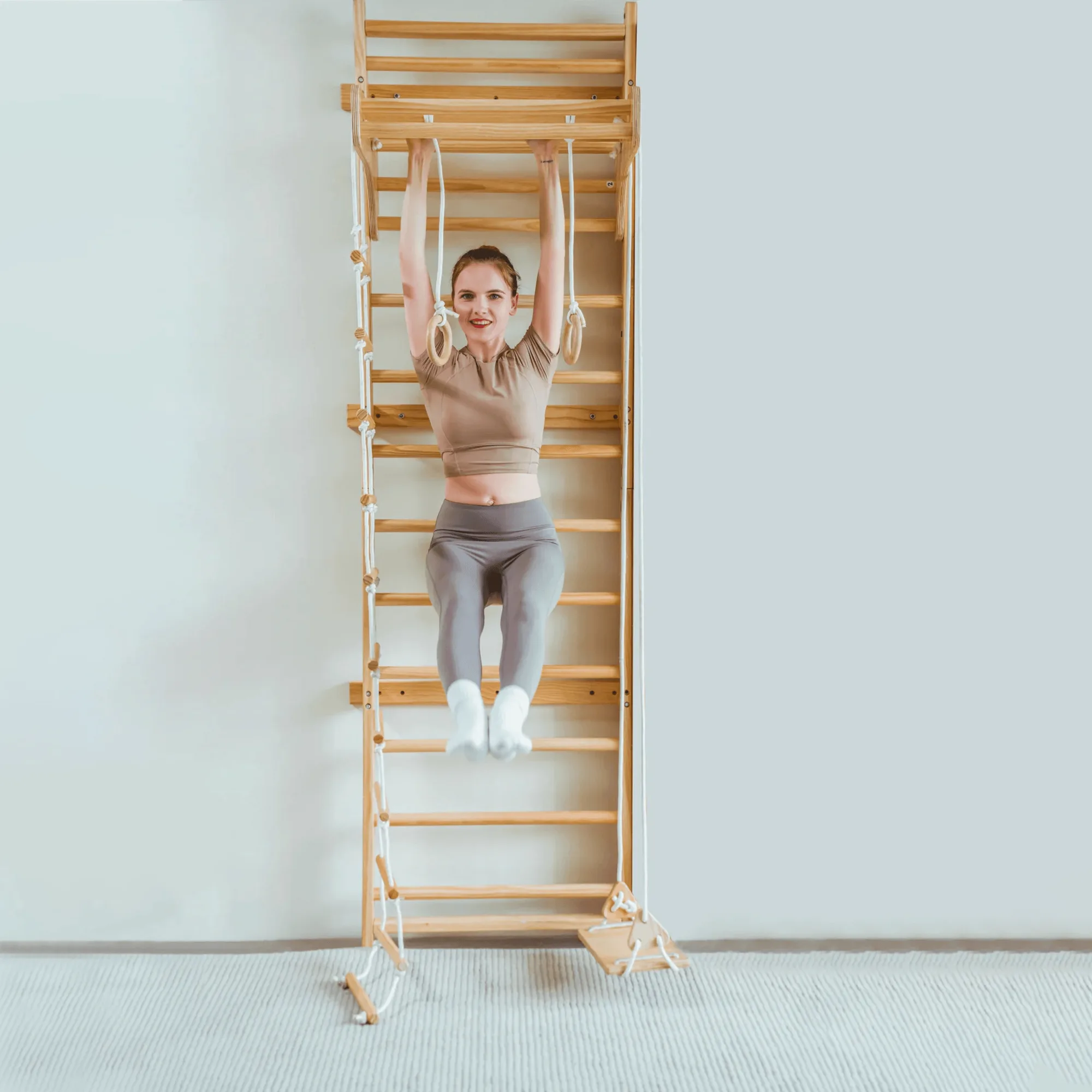
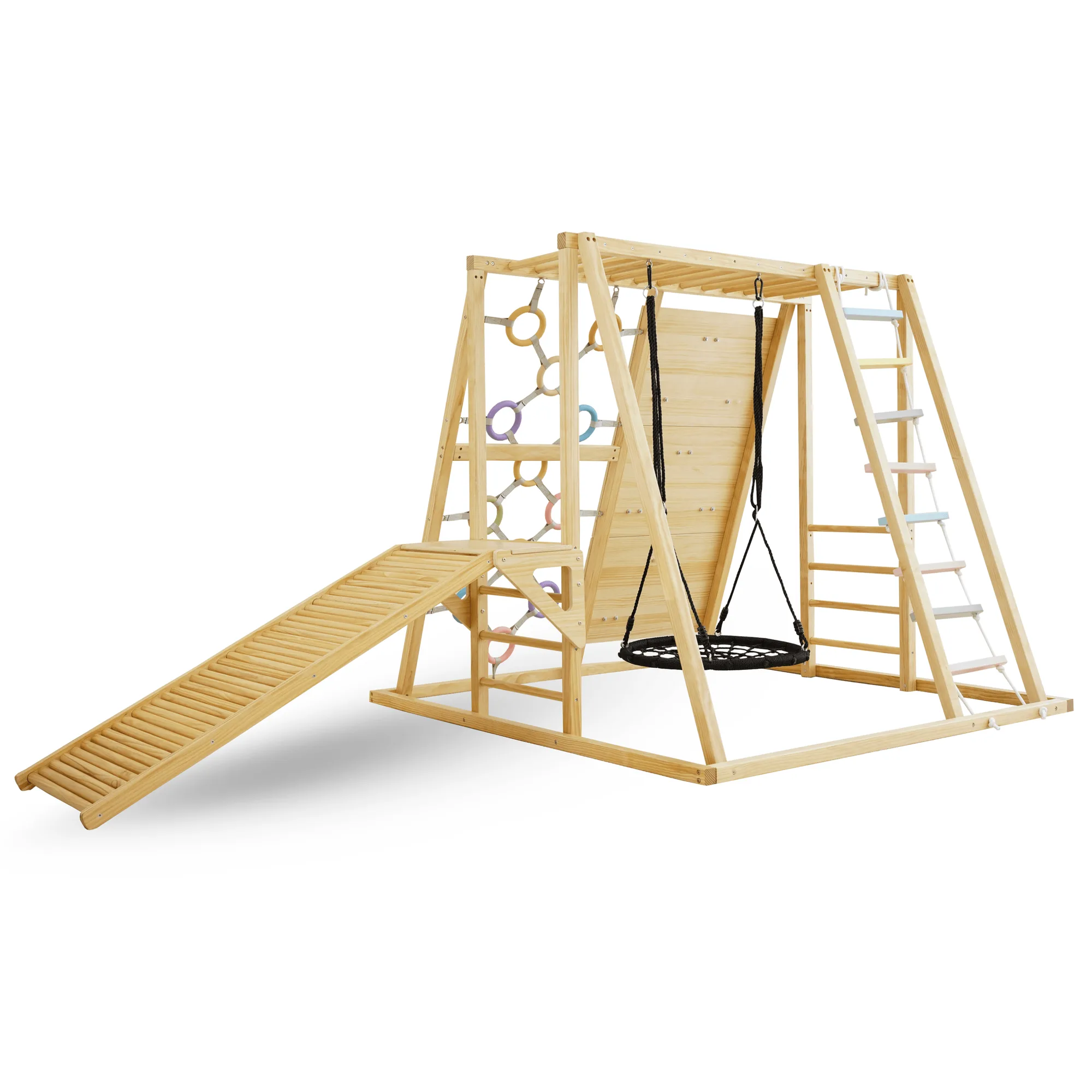
- Avenlur Sweetgum Indoor Wooden Climber – Montessori 8-in-1 Playset with Slide, Swing, Rock Wall: The Avenlur Sweetgum Indoor Wooden Climber is an 8-in-1 playset with a rock wall, slide, monkey bars, rope climber, swing, platform, and ladder, available in Large, X-Large, or Jumbo sizes. Shows why size and configuration matter more than material alone: a wooden climber this large only makes sense if it fits your space and your child's age, so measure first and treat the size option as the primary decision.
- Tulip Mat - (Swing not Included): The Avenlur Tulip Mat is a thick, shock-absorbing foam mat with a wipe-clean cover, designed to fit the footprint of the Avenlur Tulip bouncer and add protection under swings, slides, and climbing activities. Illustrates that the surface under a wooden or plastic toy often matters more for safety than the toy's material—a mat softens falls and protects floors, and its wipe-clean cover handles the mess that comes with daily play.