Zinc is a trace mineral that plays a vital role in keeping your immune system strong. It helps immune cells develop and function properly, and it also acts as an antioxidant, protecting cells from damage. When you don't get enough zinc, your body's ability to fight off infections can be compromised, making you more susceptible to colds, flu, and other illnesses.
In this guide, we'll explore the science behind zinc and immunity, discuss how to supplement effectively, and share practical tips for maximizing its benefits. Whether you're looking to shorten a cold or support your overall health, understanding zinc is a key step.
Why Zinc Is Essential for Your Immune System
Zinc is involved in numerous aspects of cellular metabolism. It is required for the activity of over 300 enzymes that aid in digestion, metabolism, and nerve function. In the immune system, zinc is crucial for the development and activation of T-lymphocytes (T cells), which are white blood cells that help your body identify and destroy infected cells. Zinc also supports the function of natural killer cells, which are part of the innate immune response.
Research shows that zinc deficiency can impair immune function, leading to an increased risk of infections. Even a mild deficiency can affect your immune response. Zinc also has antioxidant properties, which help reduce oxidative stress and inflammation in the body, further supporting immune health.
- Zinc helps immune cells develop and function properly.
- It acts as an antioxidant, reducing inflammation.
- Deficiency can increase susceptibility to infections.
Zinc for Colds: What the Science Says
Zinc is a popular remedy for the common cold. Studies have shown that taking zinc within 24 hours of the onset of cold symptoms can reduce the duration and severity of the illness. A 2024 Cochrane review found that zinc lozenges taken at a dose of 75 mg per day within 24 hours of symptom onset reduced the duration of colds by about 33%. That means a cold that might last a week could be shortened to about four or five days.
However, not all zinc forms are equally effective. Lozenges and syrups that allow zinc to stay in the throat and nasal passages may work better than capsules or tablets, which are more quickly swallowed. The mechanism is thought to be that zinc ions interfere with the replication of rhinoviruses, the most common cause of colds. But the evidence is mixed, and high doses of zinc can cause side effects like nausea, so it's important to follow dosage guidelines.
- Take zinc within 24 hours of symptom onset for best results.
- Zinc lozenges may be more effective than capsules for colds.
- Do not exceed recommended doses to avoid side effects.
How to Choose a Zinc Supplement
When selecting a zinc supplement, you'll encounter various forms, including zinc gluconate, zinc citrate, zinc picolinate, and zinc acetate. These forms differ in absorption and tolerability. Zinc picolinate is often considered well-absorbed, while zinc gluconate is common in lozenges. Zinc citrate is also well-absorbed and less likely to cause stomach upset.
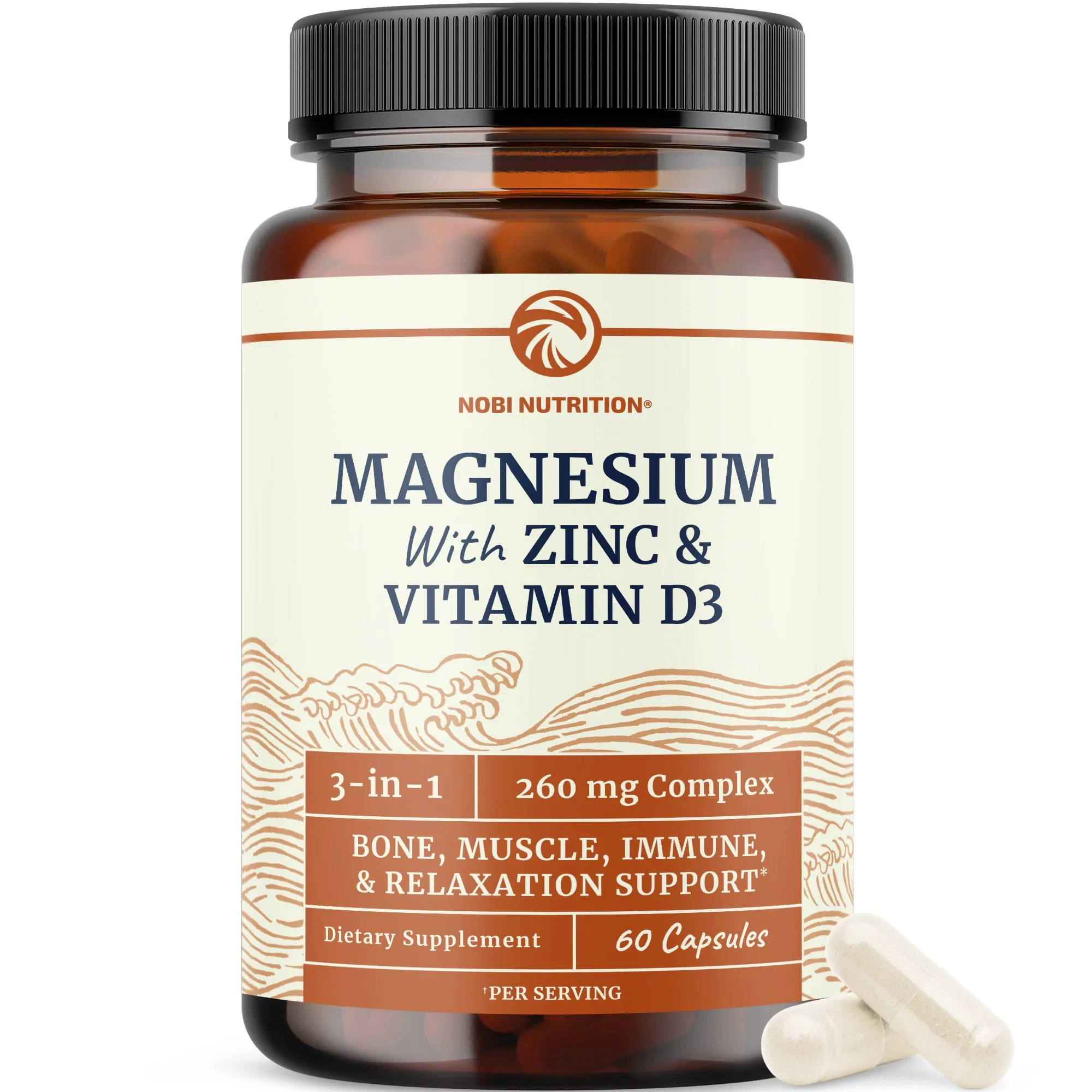
Many multivitamins and mineral formulas include zinc, often in combination with other minerals like magnesium and vitamin D. For example, our Magnesium, Zinc, and D3 Capsules combine zinc with magnesium and vitamin D, which can be convenient for daily support. Similarly, Magnesium, Zinc, and B6 Capsules offer a synergistic blend that supports immune function, energy, and nerve health.
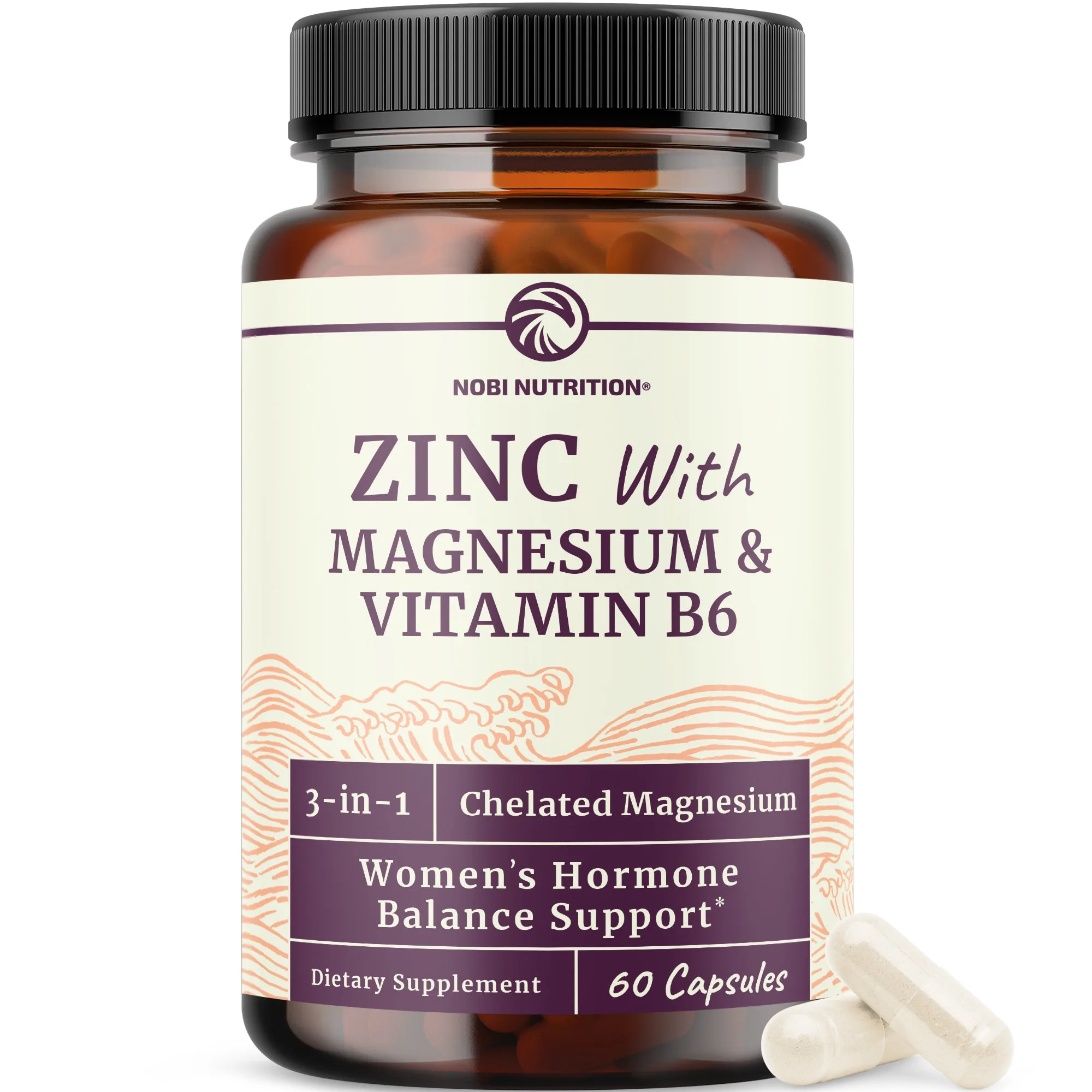
Magnesium, Zinc, and B6 Capsules
- Consider zinc picolinate or citrate for better absorption.
- Zinc lozenges are best for cold symptoms.
- Combining zinc with other minerals can offer added benefits.
Recommended Dosage and How to Take Zinc
The recommended dietary allowance (RDA) for zinc is 11 mg per day for adult men and 8 mg for adult women, though needs can increase during pregnancy and lactation. For immune support, many supplements provide 15-30 mg of elemental zinc per serving. The upper limit for adults is 40 mg per day from all sources, including food and supplements. Taking too much zinc can cause nausea, vomiting, and interfere with copper absorption, leading to other deficiencies.
To maximize absorption, take zinc with water or juice, but avoid taking it at the same time as high-fiber foods or supplements containing calcium, iron, or copper, as these can reduce zinc absorption. It's best to take zinc at least one hour before or two hours after meals. If you're using zinc lozenges for a cold, follow the product's instructions, usually one lozenge every 2-3 hours while awake, but do not exceed the recommended daily dose.
- Keep total zinc intake under 40 mg per day.
- Take zinc separately from calcium and iron supplements.
- For colds, use lozenges as directed, not exceeding the upper limit.
Potential Side Effects and Interactions
Zinc is generally safe when taken at appropriate doses, but high doses can cause side effects such as nausea, vomiting, diarrhea, and a metallic taste. Long-term excessive intake can lead to copper deficiency, which can cause neurological issues. Zinc can also interact with certain medications, including antibiotics (like tetracyclines and quinolones) and penicillamine, so it's important to take zinc at least two hours apart from these medications.
If you have any underlying health conditions or are taking medications, consult your healthcare provider before starting a zinc supplement. This is especially important for pregnant or breastfeeding women, as their zinc needs are higher, but they should also be cautious about exceeding the upper limit.
- Avoid long-term high doses to prevent copper deficiency.
- Take zinc separately from antibiotics.
- Consult a doctor if you have health conditions or take medications.
Food Sources of Zinc to Complement Supplements
While supplements can help fill gaps, it's best to get zinc from food whenever possible. Excellent sources include oysters (which are exceptionally high in zinc), beef, pork, chicken, legumes, nuts, seeds, and dairy products. For vegetarians and vegans, it's important to note that plant-based sources contain phytates, which can reduce zinc absorption. However, soaking, sprouting, or fermenting legumes and grains can help improve zinc bioavailability.
Incorporating a variety of zinc-rich foods into your diet can provide a solid foundation, and supplements can be used to ensure you meet your needs, especially during times of increased demand or when dietary intake is insufficient.
- Oysters, beef, and poultry are top zinc sources.
- Vegetarians should include beans, nuts, and seeds.
- Soaking or sprouting can improve zinc absorption from plants.
Zinc is a cornerstone of immune health, and ensuring adequate intake is a smart strategy for staying healthy year-round. Whether you choose a standalone zinc supplement or a combined formula, remember to follow dosage guidelines and consider your overall diet. For a convenient way to support your immune system, check out our Magnesium, Zinc, and D3 Capsules and give your body the zinc it needs to thrive.