Quick answer
Fig bars can be a healthy snack, but it depends on the ingredients and how many you eat. Look for real fruit, whole grains, and a short ingredient list. A fig bar is not a magic health food—it is a convenient snack that fits well when you balance it with other foods.
What Is Actually in a Fig Bar?
Most fig bars start with dried figs, flour, and a sweetener. The type of flour matters: whole grain options keep more of the grain's natural fiber and nutrients. Sweeteners can come from sugar, brown rice syrup, or the figs themselves. Fig bars also often contain oils, salt, and natural flavors. If you want to know whether a fig bar is healthy for you, read the ingredient list and the nutrition facts panel. A shorter list with recognizable ingredients is a good sign.
Myth: All Fig Bars Are Loaded with Sugar
Verdict: Not necessarily. Sugar content varies by brand and flavor. Some fig bars rely mostly on the natural sweetness of figs, while others add extra sugar or syrups. Check the nutrition facts for total sugars and added sugars. A fig bar with 8–12 grams of sugar can be a reasonable snack, especially if it also has fiber and protein. Compare labels: a bar with 4 grams of fiber and 3 grams of protein will keep you fuller than one with mostly sugar and refined flour.
Myth: Fig Bars Are Basically Candy
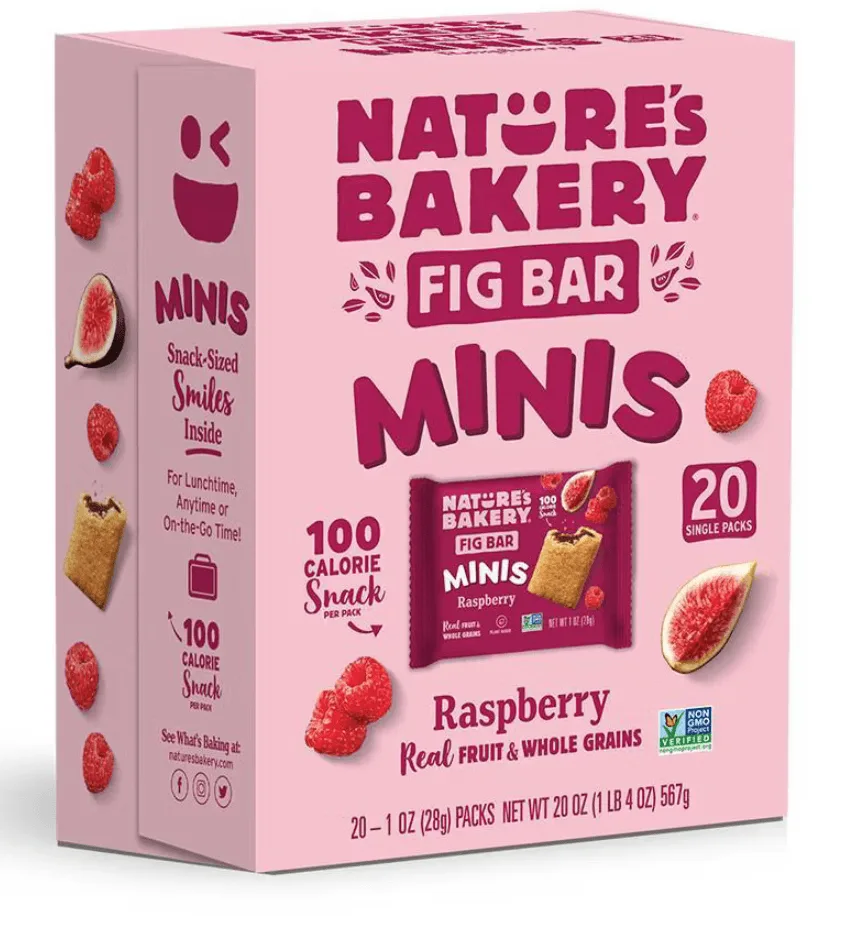
Verdict: False. Candy is mostly sugar and offers little else. Fig bars contain real fruit, grains, and often fiber. For example, Nature's Bakery Fig Bar Minis Original Fig 150ct uses real figs and whole grains. They are not a substitute for fresh fruit, but they are a step up from a candy bar. The key is portion size: minis are smaller, so you can enjoy one or two without overdoing it. A 150-count box is handy for portion control and for packing lunchboxes or office snacks.
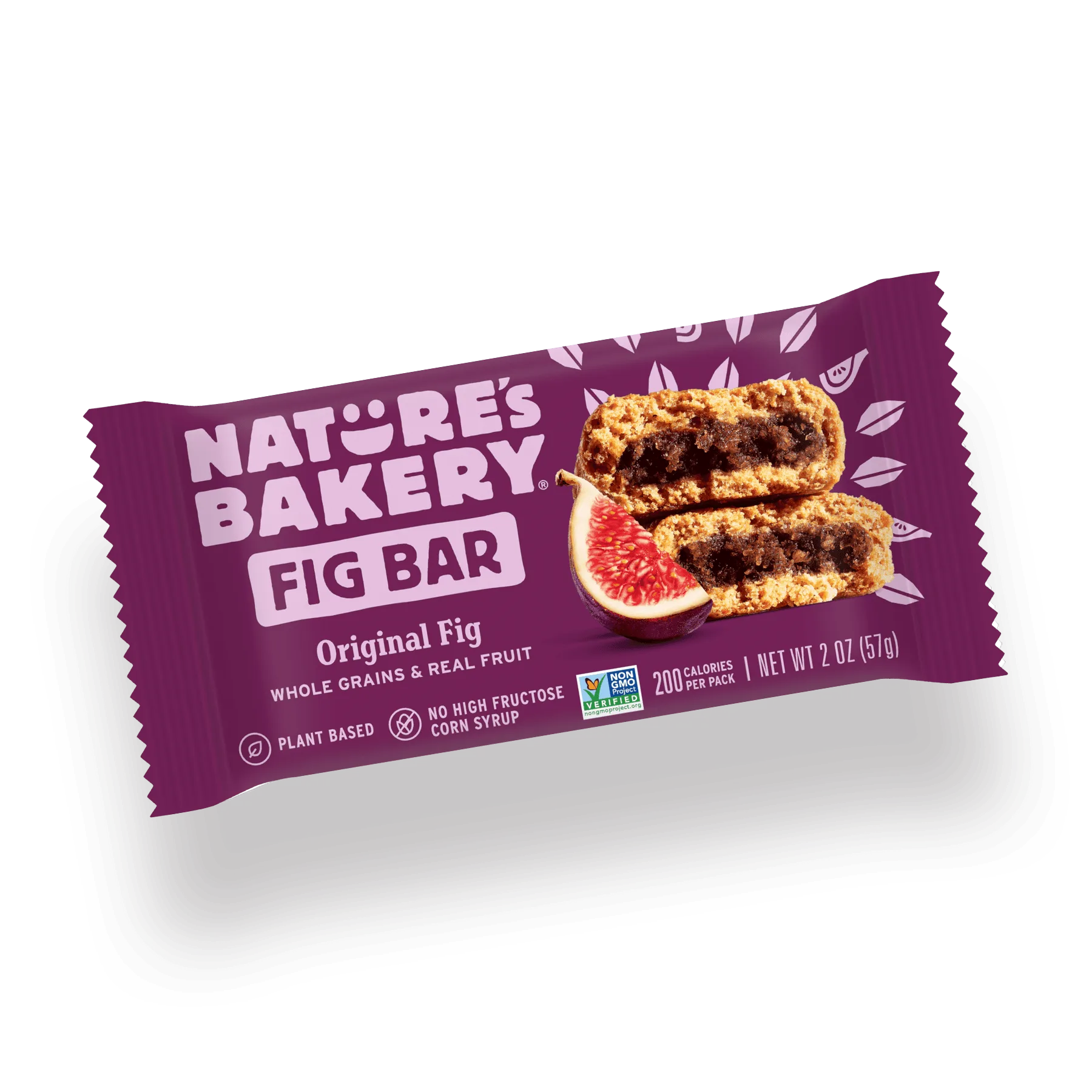
Original Fig
Myth: Whole Grain Fig Bars Are Always Healthier
Verdict: Mostly true, but check the label. Whole grains add fiber and nutrients that refined flour lacks. However, a whole grain fig bar can still be high in sugar. Look for 'whole wheat flour' or 'whole grain oats' as the first grain ingredient. Also consider what else you eat that day. A whole grain fig bar with 3–5 grams of fiber is a solid choice for a snack. If you want a whole grain option, compare the fiber content per bar.
Myth: You Should Avoid Fig Bars If You're Watching Your Weight
Verdict: Not true. Fig bars can fit into a weight-conscious eating plan because they are portion-controlled and satisfying. A standard fig bar is around 100–200 calories, while minis are often 50–70 calories. The fiber from figs and whole grains helps you feel full. The trick is to treat them as a snack, not a free-for-all. Pair a fig bar with a protein source like yogurt or nuts to make it a more balanced snack. If you are watching calories, minis are a smart way to get the flavor with less.
Myth: Real Fruit Snacks Are Always Healthy
Verdict: Misleading. 'Real fruit' on a label does not automatically make a snack healthy. Fruit leather and fruit gummies can be mostly sugar with little fiber. Fig bars are different because they use whole dried figs, which retain fiber and some nutrients. Still, dried fruit is concentrated sugar. The healthiest approach is to eat a variety of snacks: fresh fruit, nuts, yogurt, and fig bars in rotation. If you want a fig bar that highlights real fruit, choose one where figs are the first ingredient.
Fig bar myths: verdicts and what to do next
- Myth: All fig bars are loaded with sugar: Sugar content varies. Check the nutrition facts for total and added sugars. A bar with 8–12 grams of sugar and some fiber can be a reasonable snack. Verdict: Not necessarily. Compare labels.
- Myth: Fig bars are basically candy: Fig bars contain real fruit and grains, often with fiber. They are not candy, but portion size still matters. Minis are a good option for portion control. Verdict: False. Choose minis for smaller portions.
- Myth: Whole grain fig bars are always healthier: Whole grains add fiber and nutrients, but sugar can still be high. Look for whole wheat flour or whole grain oats as the first grain ingredient. Verdict: Mostly true, but read the label.
- Myth: You should avoid fig bars if you're watching your weight: Fig bars are portion-controlled and can fit a weight-conscious plan. Pair with protein for balance. Minis are around 50–70 calories each. Verdict: Not true. Enjoy them as part of a balanced snack.
- Myth: Real fruit snacks are always healthy: Real fruit on the label does not guarantee health. Fig bars use whole dried figs, which retain fiber, but dried fruit is still concentrated sugar. Variety is key. Verdict: Misleading. Look for figs as the first ingredient.
Product facts that matter for healthy snacking
- Fig Bar Minis Original Fig 150ct: Nature's Bakery Fig Bar Minis Original Fig 150ct offers a convenient bulk option for businesses seeking wholesome snacks. These minis deliver the classic original fig flavor in a compact size, ideal for wholesale orders. The mini size helps with portion control, and the 150-count box is practical for offices, lunchboxes, or anyone who wants a healthier snack on hand.
- Figtastic Youth T-Shirt - Berry: From playground adventures to snack breaks on the go, this tee is made for movement, mischief, and munchies. Light, soft, and built to last, it features bold Snack Life Gear flair that stands out wherever their day takes them. • 100% combed and ring-spun cotton • Heather colors: 52% cotton / 48% polyester • Athletic Heather: 90% cotton / 10% polyester • Fabric weight: 4.2 oz/yd2 (142 g/m2) • Pre-shrunk for repeat... If you are packing fig bars for your kids, a comfortable, durable tee like this one makes snack time and playtime easier. The pre-shrunk cotton blend holds up to repeated washing.