Quick answer
The most reliable way to sleep on a plane is to control three things before you recline: neck alignment, light, and how much space your sleep gear eats in your carry-on. The Blackout Travel Pillow from Matador Travel Equipment is designed to address all three because it is soft, supportive, and packs down small enough to fit into your travel gear rather than becoming a separate item you have to carry by hand.
Choose a seat that supports sleep, not just legroom
A window seat gives you a wall to lean against and keeps you from being woken by seatmates who need the aisle. If you are on a red-eye, book the window and plan to stay put. An aisle seat is better only if you know you will get up repeatedly; otherwise, the constant traffic works against rest.
Once seated, inflate or adjust your pillow before takeoff. Doing it at cruising altitude means you are already tired and fumbling in the dark. Keep the pillow within reach in your personal item, not in the overhead bin.
Set up neck support before you recline
A travel pillow only helps if it fills the gap between your neck and the seat, so your head does not drop forward or roll sideways when you fall asleep. Place the Blackout Travel Pillow so the thicker side supports the back of your neck and the softer side sits under your jaw. If it feels like it is pushing your chin up, rotate it slightly.
Do not wait until you are drowsy to position it. Adjusting it after you start to nod off wakes you up and can leave you with a stiff neck for the first day of your trip.
Block light and sound without overpacking
Cabin lights, seatback screens, and sunrise through the window all interrupt sleep. A pillow alone will not block light, so pair it with an eye mask and earplugs or noise-canceling headphones. The Blackout Travel Pillow is part of that kit, not a replacement for it.
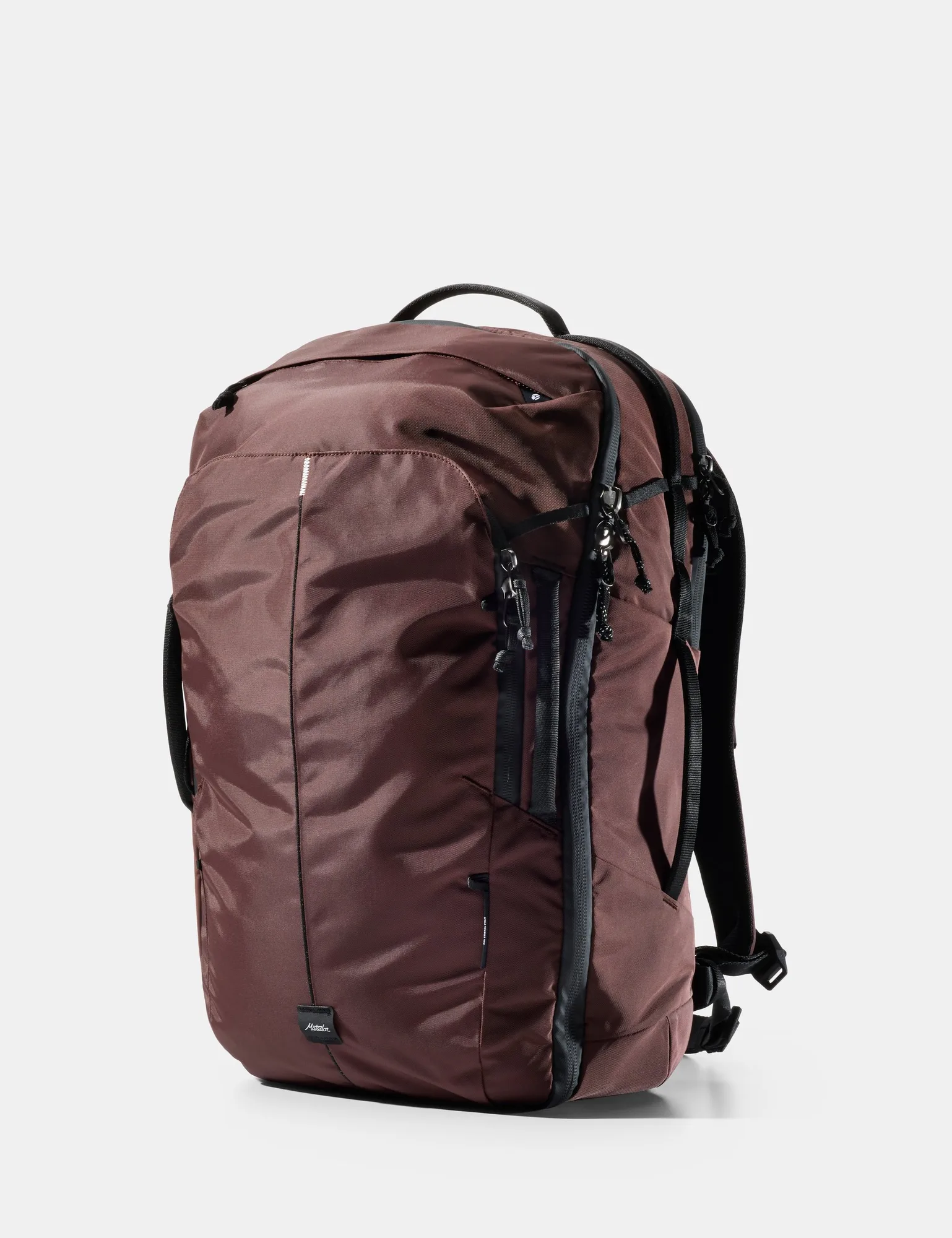
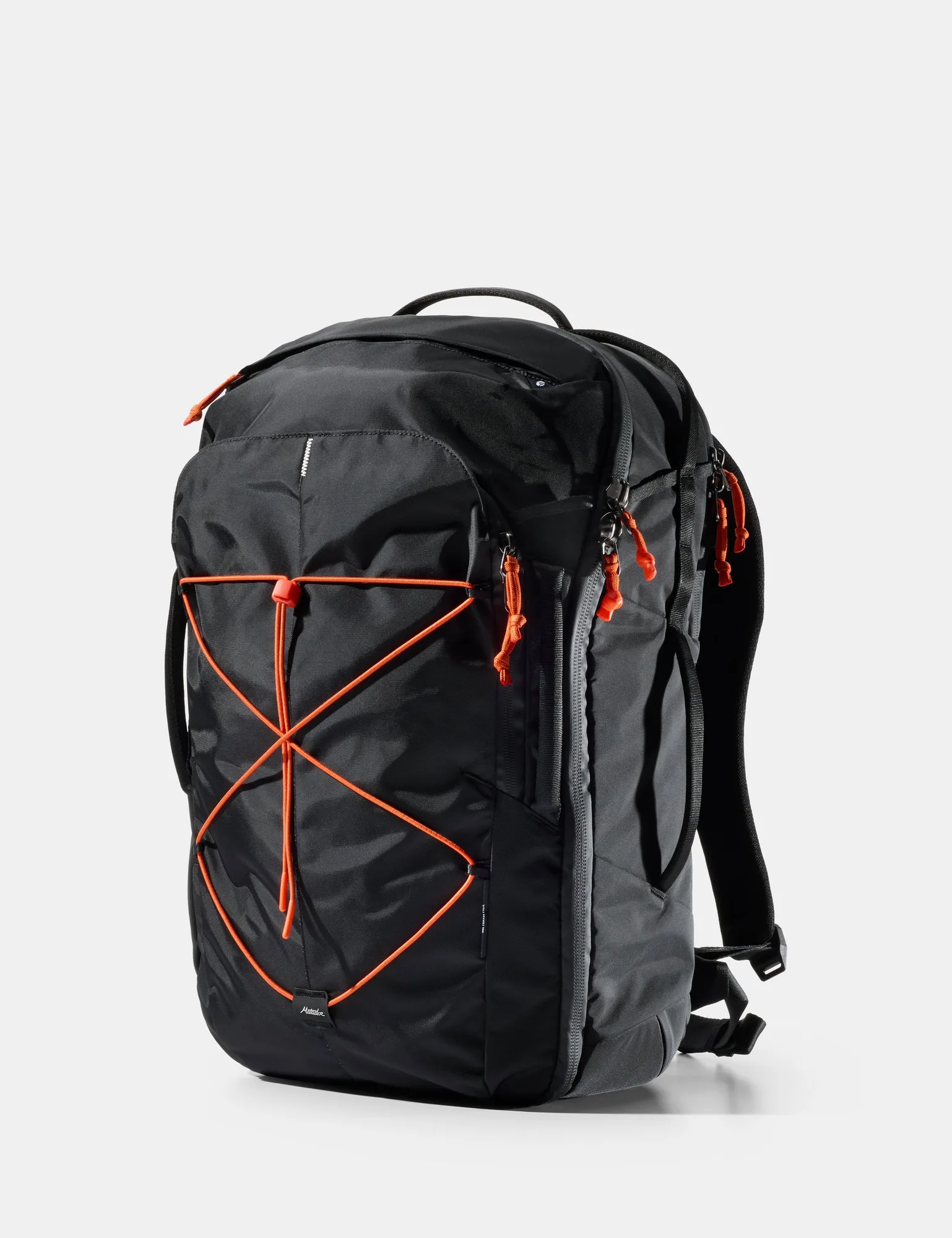
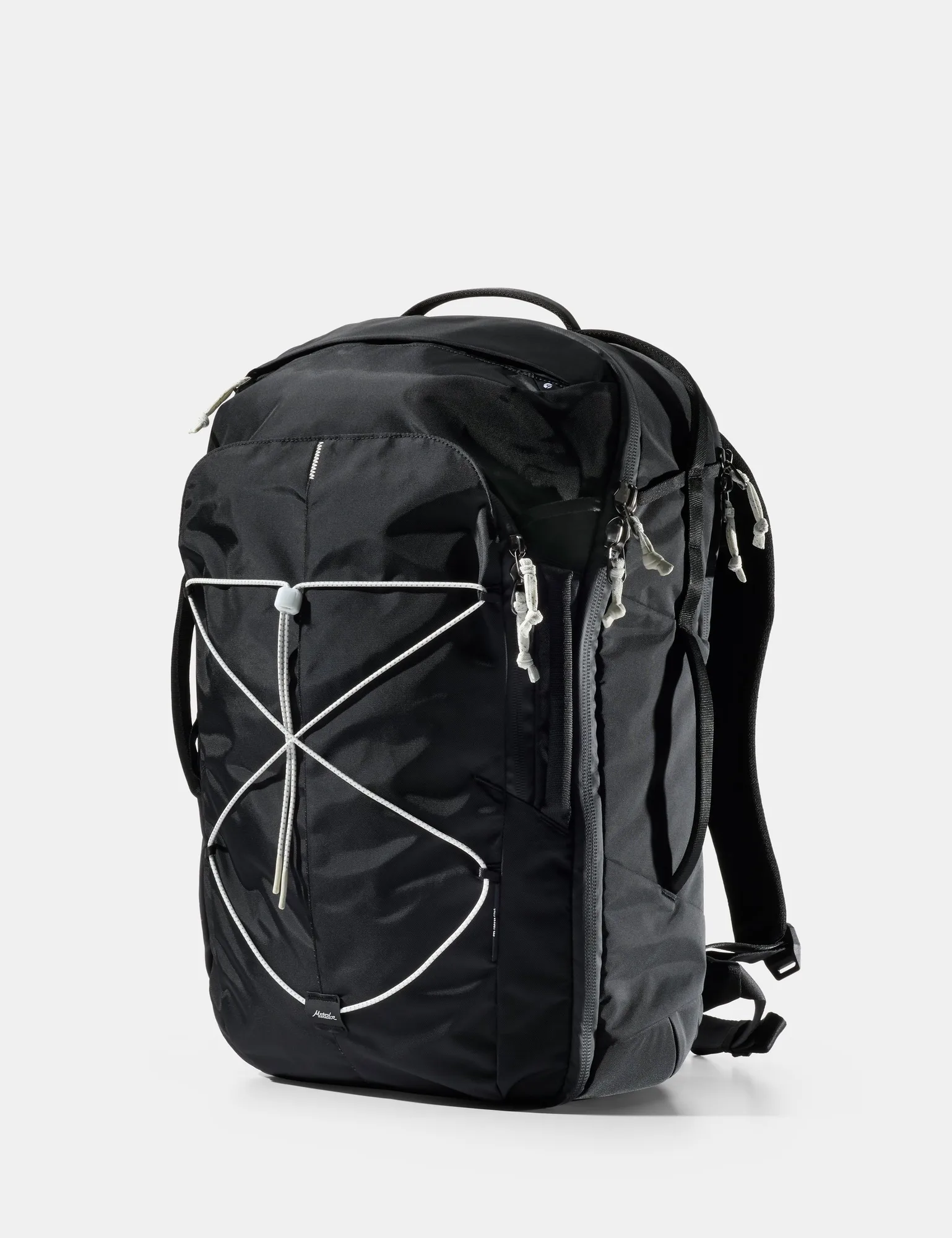
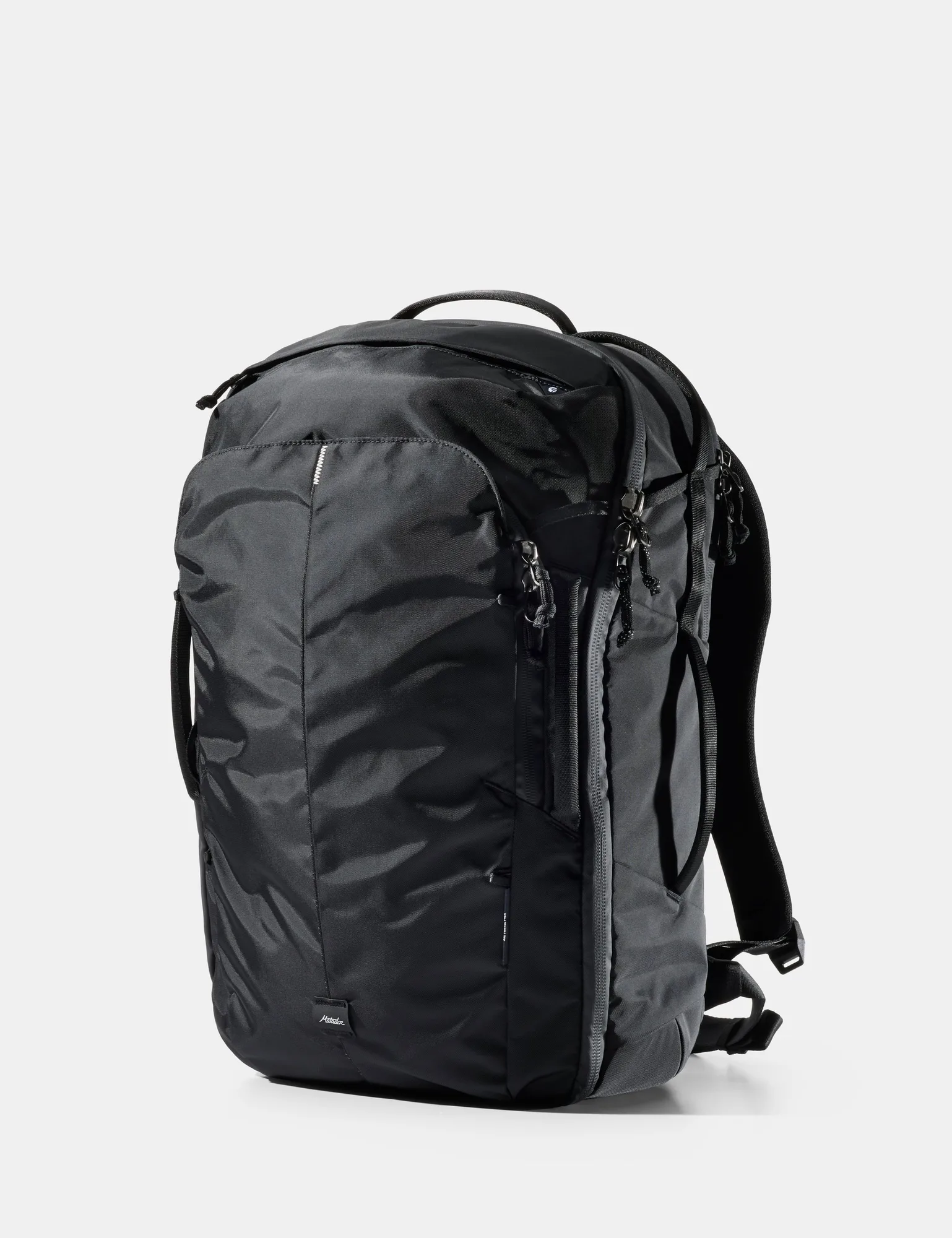
Pack these small items in one pouch so you can find them by touch. If you are already carrying the https://matadorequipments.com/products/30l-carry-on-travel-pack-juniper-drip-arcticwhite-c45dc9009da0892bf3037732-871840https://matadorequipments.com/products/30l-carry-on-travel-pack-juniper-drip-blackgranite-2092e499f60400ed930f92ea-871842https://matadorequipments.com/products/30l-carry-on-travel-pack-juniper-drip-orange-aab6da331edfa05b713f2407-871846https://matadorequipments.com/products/30l-carry-on-travel-pack-black-drip-arcticwhite-62a495bcadca6276f96969d6-87186130L Carry-On Travel Pack, use its internal organization for sleep accessories and keep the pillow compressed until you need it.
Time your sleep to the flight, not to your home clock
On a red-eye, aim to sleep soon after the meal service ends and the cabin dims. On a daytime long-haul, a shorter nap earlier in the flight can take the edge off without wrecking your arrival-night sleep. Set an alarm for 30 to 45 minutes before landing so you can wake up, drink water, and put your pillow away without rushing.
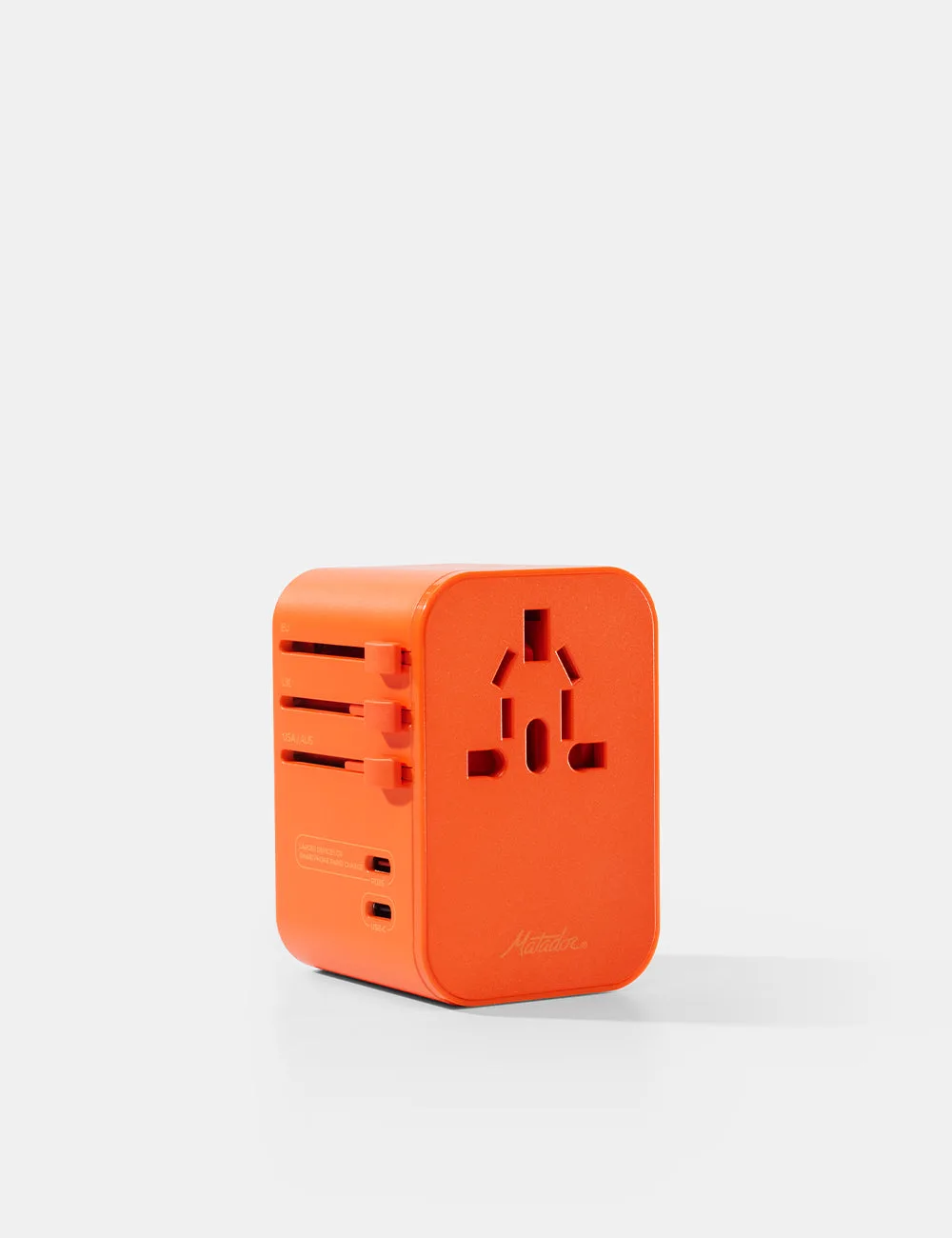
If you are crossing many time zones, the Global Travel Adapter is not part of sleep, but it is part of the arrival routine: charge your phone and watch before you land so alarms and boarding passes are ready.
In-flight sleep routine, step by step
- 1. Board early and set up your seat: Stow your carry-on, take out the Blackout Travel Pillow and your sleep kit, and position the pillow behind your neck before the cabin fills up. Common mistake: waiting until after takeoff, when the lights are dim and you are already tired. Checkpoint: you should be able to lean your head back and feel support without the pillow pushing your chin forward.
- 2. Create a light and sound barrier: Put on an eye mask and earplugs or headphones before the cabin lights go down. If you are using a seatback screen, dim it or turn it off. Common mistake: relying on the pillow alone to block light, which it is not designed to do. Checkpoint: with your eyes closed, you should not see the reading light of the seat next to you.
- 3. Sleep in one block, then wake on purpose: Aim for one longer sleep block on a red-eye, or a 30- to 45-minute nap on a daytime flight. Set an alarm for 30 to 45 minutes before landing. Common mistake: sleeping until the cabin announcement wakes you, which leaves no time to wake up properly. Checkpoint: when you wake, drink water and put the pillow back in your bag before the descent announcement.
- 4. Reset for arrival: Use the Global Travel Adapter to charge your phone and watch once you are in the terminal or at your seat if power is available. Common mistake: landing with a dead phone and no alarm for the next leg. Next step: keep the pillow compressed in your 30L Carry-On Travel Pack so it is ready for the return flight.
Product facts that affect how you sleep
- Blackout Travel Pillow: Supportive, soft, and ridiculously packable, the Blackout Travel Pillow delivers real rest without the extra baggage. You can carry it in your personal item and still have room for the rest of your sleep kit, which matters on long flights where space is tight.
- Blackout Travel Pillow: Packable design that fits easily into your travel gear, available in Black. It compresses into your bag instead of hanging off your neck through the airport, so you are not managing a loose item while boarding.
- 30L Carry-On Travel Pack: The 30L Carry-On Travel Pack excels on its own for short trips and light travel, or pairs seamlessly with rolling luggage when you need more space. If you use this pack, keep the pillow in an outer pocket so you can reach it without unpacking the whole bag at your seat.
- Global Travel Adapter: The Global Travel Adapter lets you plug in and power your devices wherever you land, with a compact, travel-friendly design and a vibrant Forget-Me-Not Orange color for visibility. Charging before landing means your phone alarm and boarding pass are ready, which supports the sleep routine rather than fighting it.