Quick answer
Dress in this order: a moisture-moving base layer, a thermal jersey or light mid layer, then a windproof gilet for changeable cold rides or a windproof jacket for long, exposed descents. Add or remove the outer layer first; only change the base layer if you are still too hot or cold after ten minutes of riding.
Why the order matters more than the number of layers
A cycling layering system works by moving sweat away from your skin, trapping warmth in the middle, and blocking wind at the surface. If you put a windproof layer directly over a cotton t-shirt, moisture stays against your skin and you feel cold the moment you slow down. The winter cycling clothing order is base layer, mid layer, outer layer, and each one has a different job.
Wind is the biggest variable on a cold ride. A breathable rear section on a windproof garment lets heat escape while the front blocks the chill, which is why many gilets and jackets use a windproof core with a more breathable back. That design is the reason you can wear the same outer layer on a still morning and a windy descent without overheating.
Match each layer to the temperature and the effort
Start with the coldest temperature you expect and the hardest effort you plan. A cold weather cycling base layer should be thin and synthetic or merino, because its job is transfer, not insulation. For a steady endurance ride near freezing, a thermal jersey with a brushed inside adds warmth without bulk. For intervals or a fast group ride, keep the mid layer lighter and rely on the windproof outer layer to cut the chill.
If you run hot, a gilet over a thermal jersey often covers more conditions than a full jacket. If you run cold or ride long descents, a packable windproof jacket gives you full-arm coverage and stashes away when the road turns uphill.
Pack for the temperature swing, not just the start
Most cold rides get warmer in the middle and colder at the end. Plan for that by choosing an outer layer you can remove and store in a jersey pocket. A gilet that packs into its own pocket is the easiest option for early mornings and long descents, while a lightweight jacket suits rides where you expect rain or a long, exposed finish.
Check the fit of your outer layer over your mid layer before you leave. A windproof piece that is too tight restricts movement and traps sweat; one that is too loose flaps and lets wind in at the cuffs and collar.
Cold-ride layering steps
- 1. Start with a moisture-moving base layer: Choose a thin synthetic or merino base layer that fits close to the skin without feeling tight. Avoid cotton, which holds sweat and turns cold when you slow down. Checkpoint: if your base layer feels damp before you put on the next layer, it is the wrong fabric.
- 2. Add a thermal jersey or light mid layer: Pick insulation based on effort, not just temperature. A brushed thermal jersey suits steady cold rides; a lighter mid layer suits hard efforts where you will generate more heat. Checkpoint: you should feel slightly cool standing still before you ride, not warm.
- 3. Choose a gilet or jacket as the windproof outer layer: Use a windproof gilet when your core needs protection and your arms run warm. Switch to a windproof jacket for full-arm coverage on long descents, rain, or exposed roads. Checkpoint: the outer layer should block wind at the front and still let heat escape at the back.
- 4. Adjust the outer layer first when you heat up: Open the two-way zip from the bottom or remove the gilet or jacket before you change your base layer. Most overheating on cold rides comes from an outer layer that is too warm, not from the base layer. Checkpoint: if you are still too hot after ten minutes with the outer layer open, remove it and store it in a jersey pocket.
- 5. Reassess before the final descent: Before a long descent or a stop, zip up and put the outer layer back on. Wind chill at speed can feel several degrees colder than the temperature on your computer. Checkpoint: pack a layer you can put back on with cold hands, such as a gilet that stashes in its own pocket.
Product facts
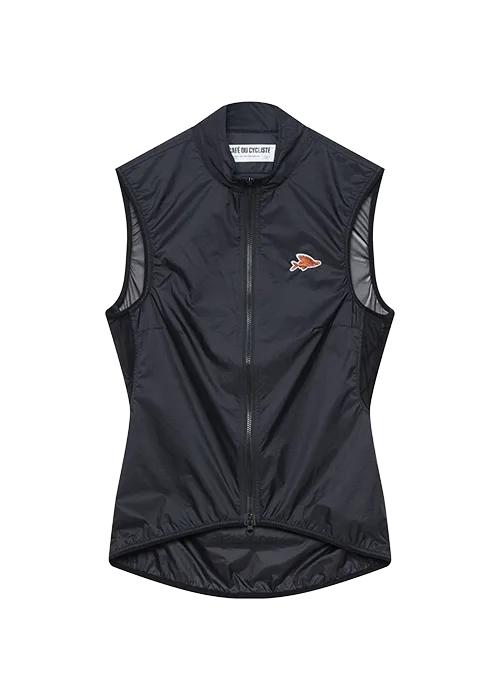
- Lina Gilet: Lina Gilet is made from a 100% recycled 57gsm Pertex Quantum fabric with a fully windproof, DWR-coated core and a breathable rear section, plus a YKK two-way zip, and it stashes away in its own pocket. The windproof front and breathable back let you wear it over a thermal jersey without overheating, and the two-way zip lets you vent from the bottom while the packable design fits a jersey pocket for changing conditions.
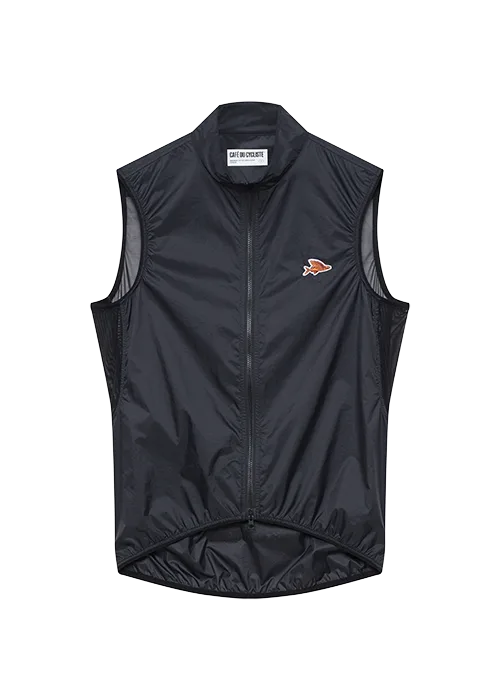
Lina Gilet
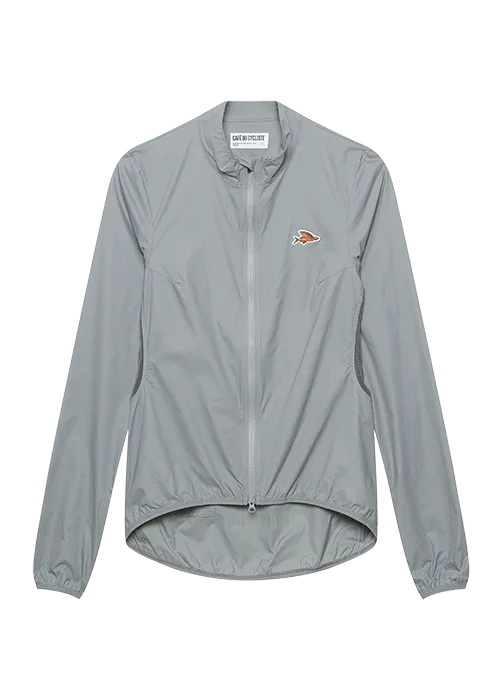
- Edith: edith-black-aeeca5b79c1adc250380f88c-761773">edith-cold-dye-mineral-pink-690fbaf8d66cb189dc435da2-761772">edith-cold-dye-dark-sea-a6a78829e906286562f15ec6-761771">Edith is a windproof jacket made from an ultra-light recycled fabric with a fully windproof base, a breathable rear section, and a YKK two-way zip, and it is highly compactable. It adds full-arm wind protection for long descents or exposed rides while still packing down small enough to carry when the temperature rises.
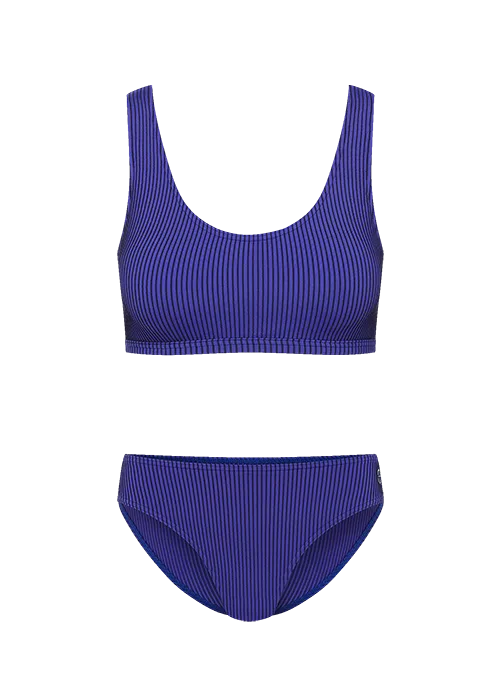
- Jasmine: Jasmine is a two-piece swimsuit with a brushed ribbed velvet texture, a hook closure and padded support in the top, and a lined bottom. It is built for coastal wear rather than cycling layering, so treat it as a separate purchase if your cold-ride plan includes open-water swimming or a warm-weather trip.