Quick Answer
For road riding, choose cycling sunglasses. They wrap closer to your face, cut wind and debris, and stay put during efforts. Regular sunglasses work for casual spins and post-ride wear, but they leave gaps at the sides and tend to slip when you sweat. If you need vision correction, prescription cycling glasses remove the layer problem entirely.
What Regular Sunglasses Do Well
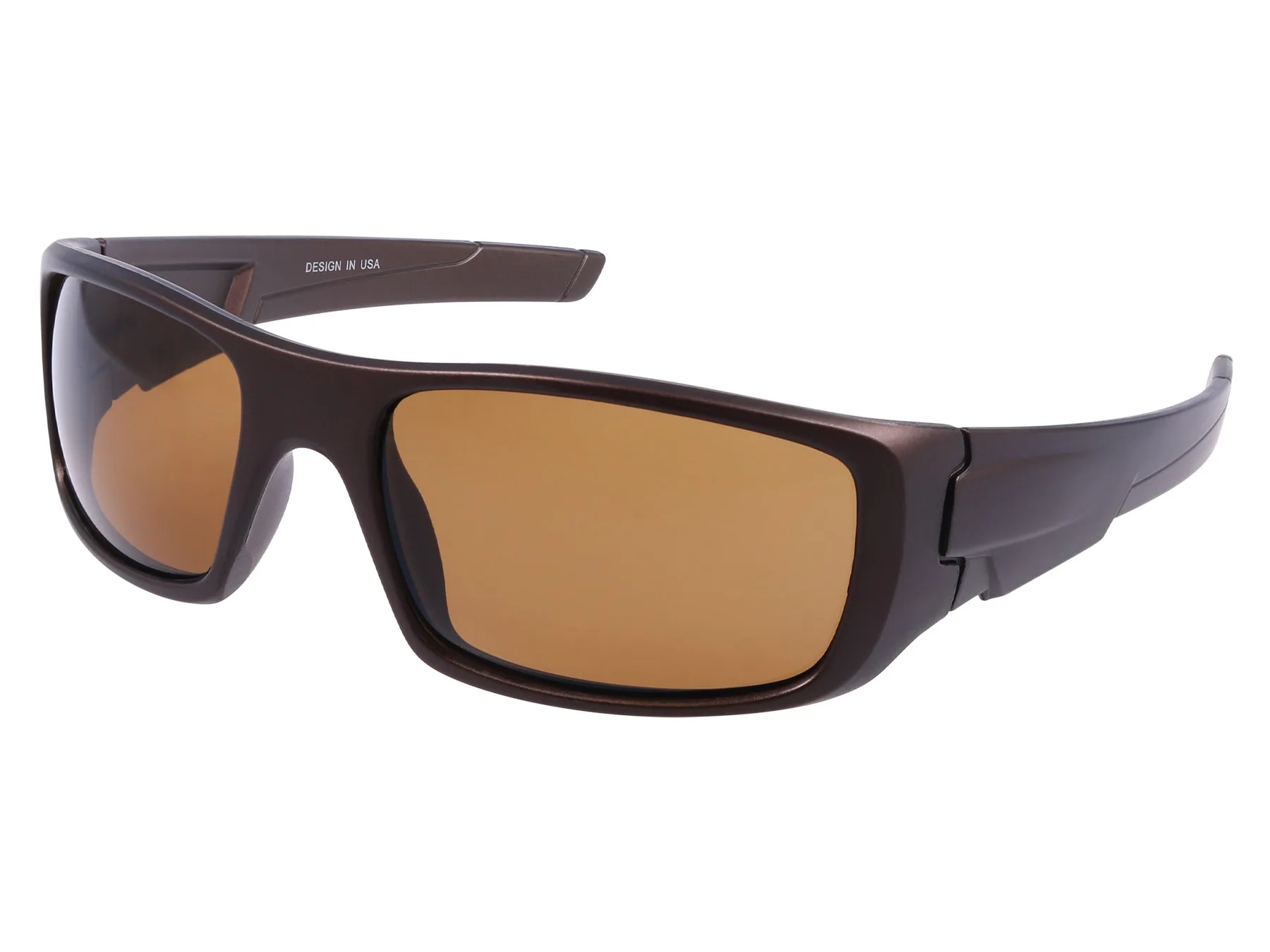
Regular sunglasses are built for daily life, not head-down efforts. They prioritize style, easy on-off, and comfortable walking fit. That makes them fine for a relaxed cruise, a coffee stop, or driving to the trailhead. The trade-off is coverage. Most everyday frames sit farther from the eyes and leave side gaps, so wind reaches your eyes at speed. They also lack grip on the temples and nose, which means sweat and bumps can shift them mid-ride.
Where Cycling Sunglasses Pull Ahead
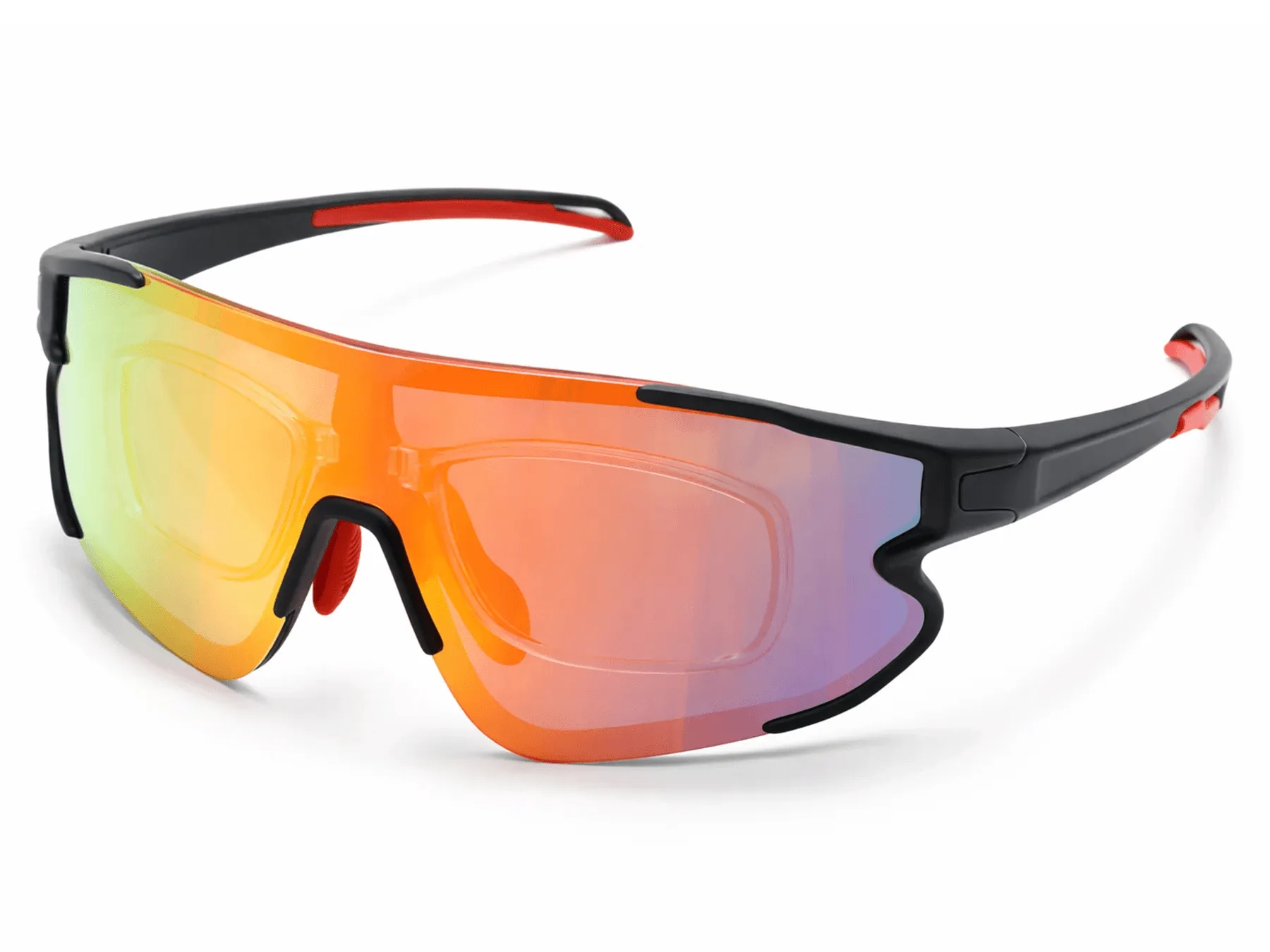
Cycling eyewear is shaped around a forward-leaning position. The frame curves toward the temples, the lens sits closer to the face, and the nose and temple contact points are designed to hold under sweat and vibration. That combination reduces tearing, keeps dust out, and widens your usable field of view. The cost is usually a more specific fit: a wrap frame that fits one rider can press on the cheeks or brows of another. Try before you commit if you can, or buy from a store with easy returns.
UV Protection: What to Check on Any Pair
UV protection matters more than lens darkness. A dark lens without UV blocking can be worse than a clear lens because it opens your pupil while letting UV through. Look for a stated UV claim. For example, the Dash Prescription Cycling Glasses Kits list over 98% UV protection in their description, which is a useful benchmark. Tint choice is separate: a darker or mirrored lens cuts glare on bright roads, while a lighter or rose tint helps in low light and tree cover. Neither replaces UV blocking.
Prescription Riders: One Pair or Two?
If you wear prescription glasses, regular sunglasses mean either contacts plus sunglasses or an awkward double-stack. Prescription cycling glasses solve that by putting your correction in the riding lens. The Dash Prescription Cycling Glasses Kits support a maximum PD of 80 and use motorcycle-grade shatterproof lenses, so they cover both vision and impact needs. The Luuk Prescription Polarized Sunglasses take a different route: polarized lenses cut glare from wet roads and car hoods, and the acetate rectangle frame weighs 19 grams. Polarization is excellent for road glare but can make some bike computer screens harder to read at certain angles, so test that pairing if you rely on a screen.
Fit, Coverage, and Field of View
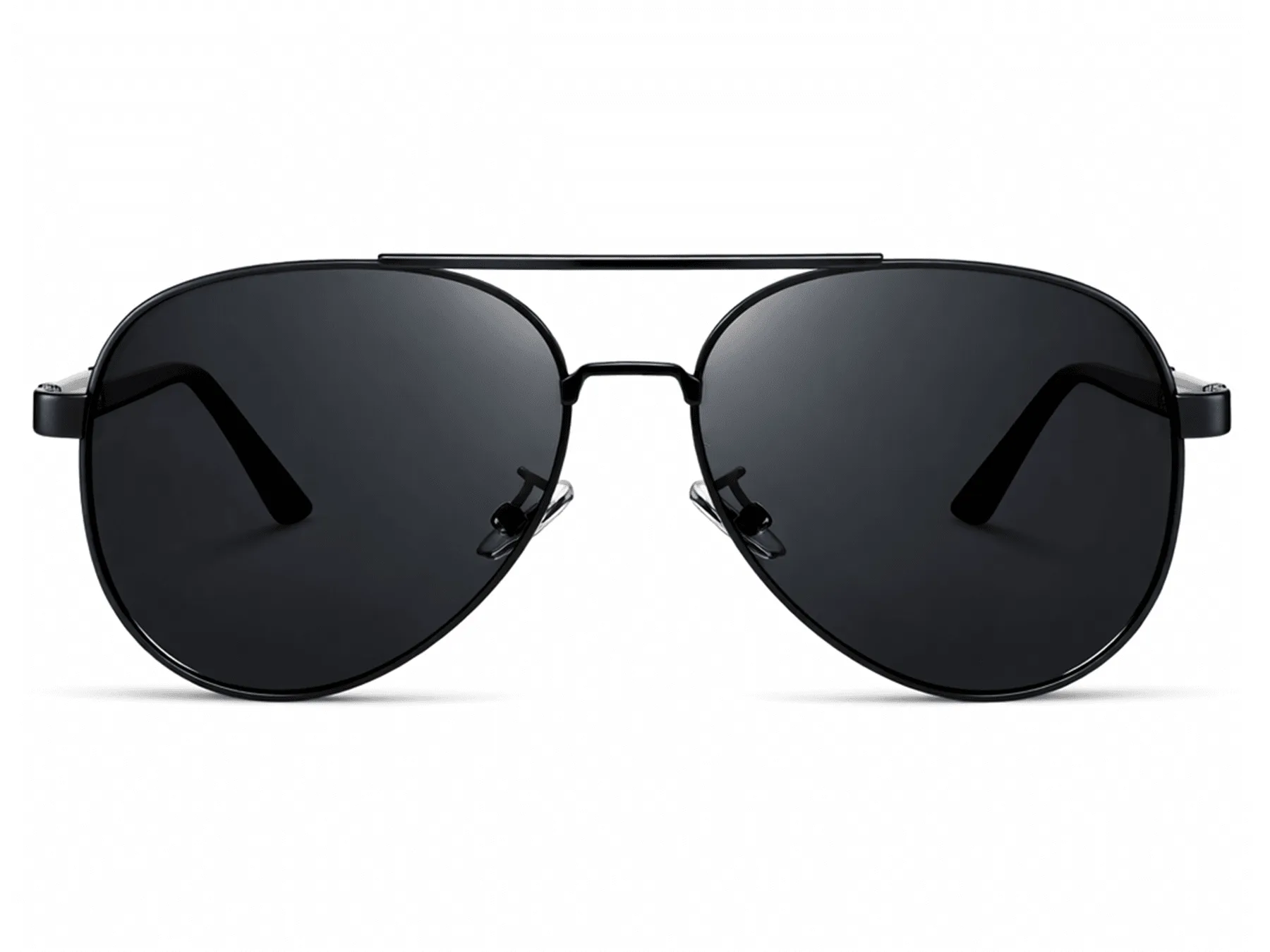
Frame width, lens height, and temple length decide whether a pair works for your face. A wider frame with a taller lens gives more coverage but can look oversized on smaller faces. A narrow frame feels light but may expose the sides. Use the numbers: the Gunnar Anti Glare Aviator Sunglasses have a 60 mm lens width, 52 mm lens height, 143 mm frame width, and 127 mm temple length in a metal aviator shape at 19 grams. The Cielo Geometric Sunglasses run 57 mm lens width, 43 mm lens height, 151 mm frame width, and 146 mm temple length in acetate at 28 grams. The wider Cielo frame and longer temples can suit larger heads, while the lighter Gunnar frame may feel easier on long days.
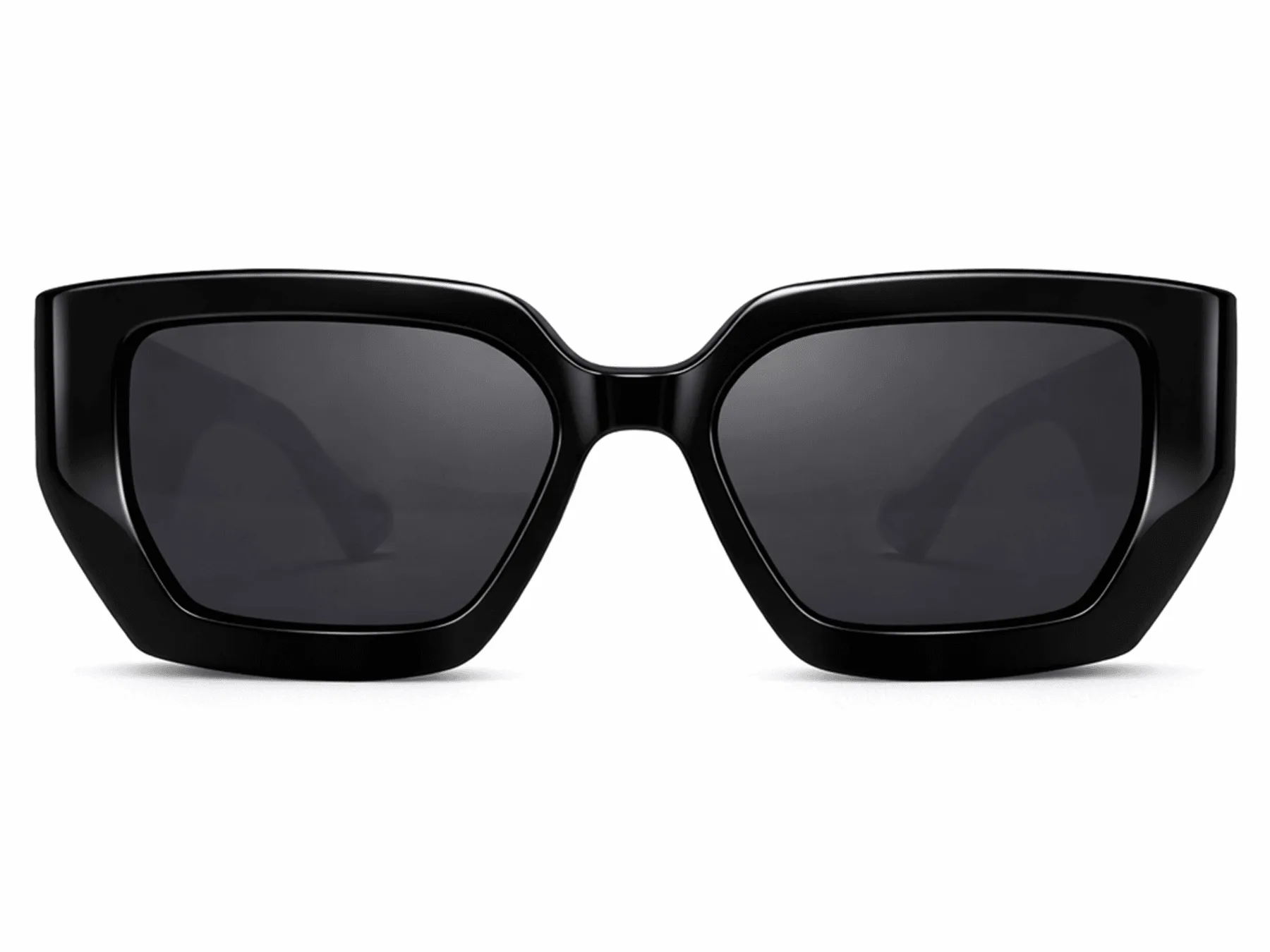
Cielo Geometric Sunglasses
Trade-Offs to Weigh Before You Buy
- Coverage vs. airflow: A wrap frame blocks wind and debris but can fog when you stop moving. A flatter everyday frame vents better but lets more wind reach your eyes. Choose wrap coverage for fast road rides; choose a flatter frame for slow, stop-start commuting.
- Polarized vs. screen readability: Polarized lenses reduce glare from wet roads and cars, but they can interact with LCD screens and make some bike computers look dark at certain angles. If you ride with a computer or phone mount, test the polarized pair with your screen before committing.
- Prescription vs. contacts: Prescription cycling glasses remove the double-layer problem and keep correction in the riding lens. Contacts plus regular sunglasses are lighter on the face but add a daily step and dry out in wind. Riders who already dislike contacts in wind should go prescription.
Product Facts
- Dash Prescription Cycling Glasses Kits: Motorcycle-grade shatterproof lenses with over 98% UV protection, max PD 80, lens width 135 mm, lens height 56 mm, frame width 145 mm, temple length 138 mm. Impact-rated lenses and a stated UV figure cover safety and sun in one pair, and the 56 mm lens height gives generous coverage for prescription riders who want a single setup.
- Luuk Prescription Polarized Sunglasses: Polarized lenses, rectangle acetate frame, max PD 80, lens width 59 mm, lens height 36 mm, frame width 145 mm, temple length 115 mm, 19 grams. Polarization cuts road glare and the light 19 g acetate frame suits longer rides, but the 36 mm lens height is shallower, so riders who want maximum coverage may prefer a taller lens.
- Gunnar Anti Glare Avaitor Sunglasses: Aviator metal frame, lens width 60 mm, lens height 52 mm, frame width 143 mm, temple length 127 mm, 19 grams. The tall 52 mm lens and light metal frame give strong eye coverage without much weight, though an aviator shape offers less side wrap than a dedicated cycling frame.
Which Pair Fits Your Ride
Best for
- Road and fast group riders who want wind protection and a secure fit
- Prescription wearers who want one pair for cycling and outdoor use
- Riders who deal with glare from wet roads or traffic
Not for
- Casual riders who mainly want a stylish everyday pair
- Riders who need maximum side ventilation on slow, stop-start commutes
- Anyone who cannot test or return a frame with a specific wrap fit