Quick answer
If your rocket uses an ejection charge, a fire resistant shock cord sleeve is one of the cheapest ways to keep your recovery system alive. Slide a 1-inch-wide, 36-inch-long sleeve over the shock cord where it sits closest to the charge. Buy one when you fly composite motors or reloads; skip it only on tiny low-power models where the cord is fully shielded by wadding and a blanket.
What the sleeve actually protects
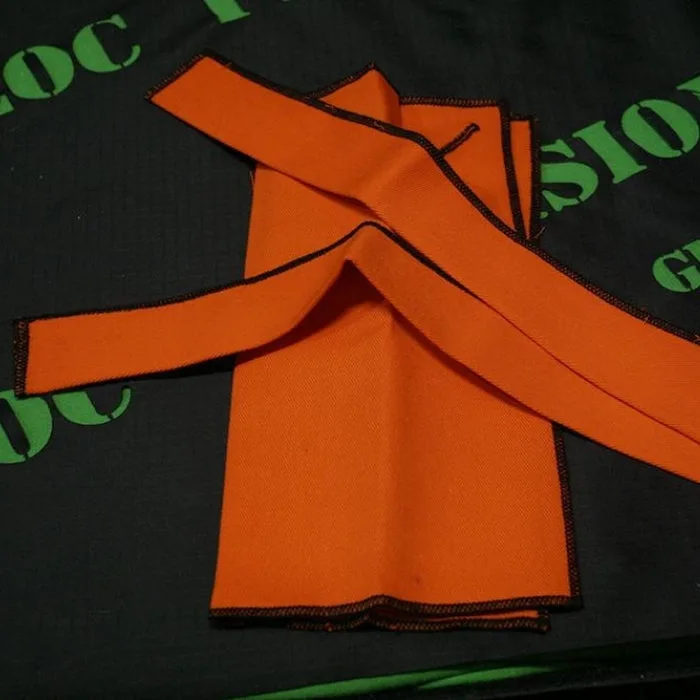
Ejection charges produce a short, fast flame front. That flash hits the top of the recovery bay before the parachute and cord fully deploy. A fire resistant shock cord sleeve is woven from fire resistant fabric and slides over the cord, so the flame meets the sleeve instead of the nylon or elastic. The sleeve does not replace wadding, a fire blanket, or a proper recovery anchor. It adds a sacrificial layer at the point where the cord is most exposed.
Sizing and fit: what to check before you buy
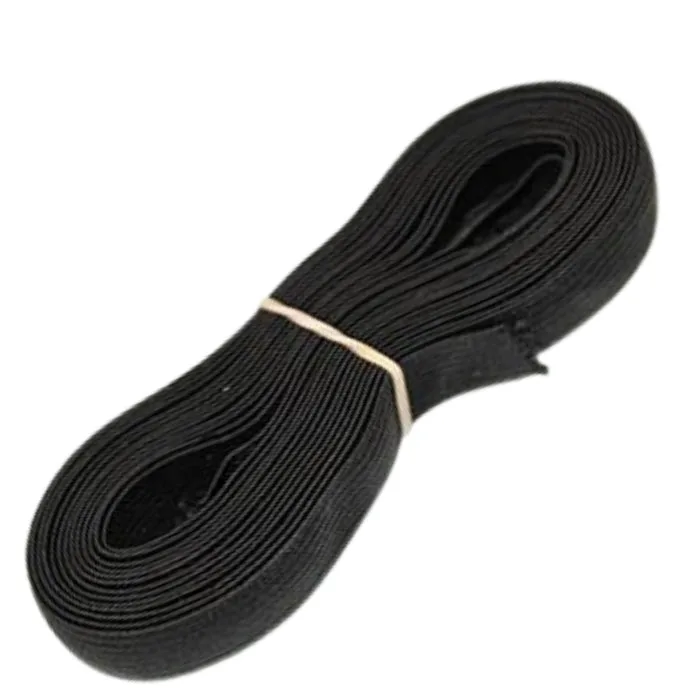
The supplied sleeve measures 1 inch wide by 36 inches long. Width matters more than length for fit: a 1-inch sleeve slides over common high power shock cords, but if your cord is already bundled with a bulky quick link or a thick protective wrap, the sleeve may bunch. Measure your cord diameter and the narrowest point it must pass through, then compare that to the 1-inch width. Length is a coverage decision, not a fit decision. On a 4-inch airframe, 36 inches is usually enough to cover the section nearest the ejection charge and still leave cord exposed for packing. On a smaller 2.6-inch airframe, you may need to trim or fold the sleeve so it does not crowd the parachute.
shock cords
Installation: where to slide it
Install the sleeve before you attach the shock cord to the nose cone or payload section. Slide it over the cord so the protected section sits where the ejection charge flame will hit first, typically the top few inches of the cord inside the booster. Secure it with tape or a small zip tie at both ends if the sleeve slides freely; do not cinch so tight that you crush the cord. Recheck the sleeve each flight. A sleeve that has charred or stiffened should be replaced, and a sleeve that has slipped down the cord is no longer protecting the right spot.
When a sleeve is the wrong fix
A sleeve will not save a recovery system that is already undersized, tangled, or packed without a heat barrier. If your shock cord keeps failing at the anchor point rather than near the charge, the problem is the mount or the cord material, not the flame front. If your rocket uses a piston or a fully enclosed recovery bay that already shields the cord, a sleeve adds bulk without adding much protection. And if you fly only low-power black powder motors with generous wadding, the sleeve is optional rather than necessary.
Decision rules for buying a shock cord sleeve
- Fly composite motors or reloads: Buy the sleeve. Composite ejection charges hit harder and faster than black powder in small models, and the cord near the charge is the first thing to suffer. Default to yes for any 29mm or larger motor.
- Fly low-power black powder only: Skip the sleeve unless your cord has already shown scorching. Wadding and a blanket usually handle the heat at that scale. Spend the money on wadding instead.
- Cord is thicker than 1 inch or already sleeved: The supplied sleeve is 1 inch wide. If your cord or existing wrap is wider, the sleeve will not slide cleanly and you should look for a different protection method. Measure before you buy.
- You already fly dual deployment with a fire blanket: A sleeve still helps at the charge end of the cord, but it is not a substitute for the blanket. Use both if the cord passes close to the charge. Treat the sleeve as a second layer, not the only layer.
Products that pair with this decision
- Fire Resistant Shock Cord Sleeve: Fire Resistant Shock Cord Sleeve is 1 inch wide by 36 inches long and made from tightly woven fire resistant fabric. The 1-inch width fits common high power shock cords, and 36 inches gives enough coverage for a 4-inch airframe without trimming in most builds.
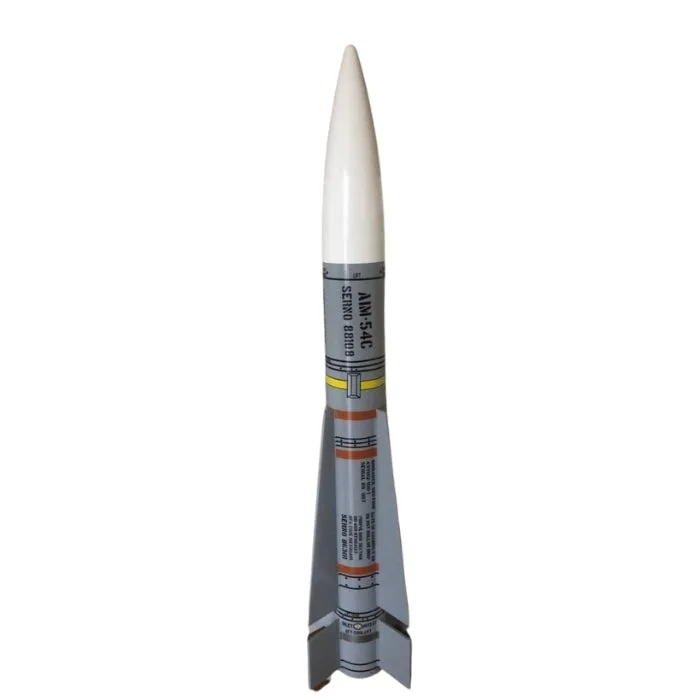
- Phoenix 4": LOC 4 inch Phoenix is 42.5 inches tall with a 38mm motor mount and accepts 29mm adapters sold separately. A 38mm mount means composite motors and real ejection charges, which is exactly the setup where a shock cord sleeve earns its place.
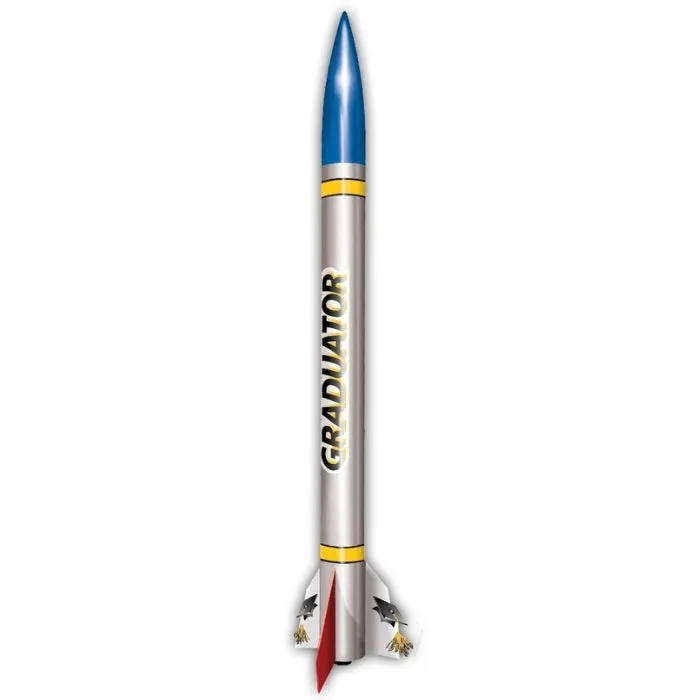
- Graduator: Graduator is a 29mm single-motor kit that can fly on a D12-3 or step up to Level 1 on an H motor, and includes a fire blanket and payload for optional dual deployment. The included fire blanket handles heat at the charge, while a sleeve protects the cord itself, so the two work together rather than replacing each other.
Who should buy this sleeve
Best for
- High power flyers using 29mm or larger composite motors
- Builders of 4-inch airframes like the LOC 4 inch Phoenix who want cord protection without a full recovery redesign
- Anyone replacing a scorched shock cord and wanting to prevent a repeat
Not for
- Low-power flyers who already use generous wadding and a blanket
- Rockets with a cord thicker than 1 inch or an existing full-length protective wrap
- Flyers whose cord failures happen at the anchor rather than near the ejection charge