Quick answer
Keep herbal tea in an airtight, opaque container in a cool, dry cupboard away from the kettle, stove and window. Fix that one habit and most herbal tea storage mistakes disappear, because heat, light, air and moisture do far more damage than the printed date on the pack.
Why herbal blends lose flavour faster than you expect
Herbal blends are mostly dried flowers, leaves, berries and roots, and those fragile plant parts hold volatile aromatic compounds that escape over time. Every time you open a loose bag or a flimsy pouch, air moves in and aroma moves out. Heat speeds that process up, light breaks down colour and delicate compounds, and moisture does the most damage of all: it can turn a crisp blend soft, clumpy and dull within weeks.
This is why two identical sachets stored in different places can taste completely different after a month. The tea has not gone bad in a food-safety sense, but it has lost the fresh character you paid for. Treat storage as part of brewing, not an afterthought.
The storage mistakes that flatten flavour fastest
The most common mistake is leaving tea in the bag it arrived in once it is opened. Retail pouches are designed for transport, not for repeated opening and closing, and most are not resealable enough to keep air out over months. The second mistake is storing tea near the kettle, hob or a sunny windowsill, where warmth and light steadily degrade the blend. The third is keeping tea in the fridge or freezer in an attempt to preserve it, which introduces moisture and lets the tea absorb nearby food odours.
A related mistake is transferring tea into a clear glass jar because it looks good on the shelf. Clear containers let light through, and light is one of the main reasons herbal blends fade in colour and scent. Finally, many people top up an old batch with a new one. The older tea stays at the bottom, going stale, while you keep reaching for the fresher layer on top.
How to store tea bags and sachets properly
Choose a container that blocks light and seals tightly: a tin, an opaque ceramic jar with a rubber gasket, or a quality zip pouch with the air pressed out. Keep it in a cool, dark cupboard at a steady temperature, ideally away from the stove, kettle, dishwasher and any sunny spot. If you buy in bulk, split the tea: keep a small amount in your daily container and store the rest sealed and undisturbed, refilling only when needed.
Label the container with the date you opened it. That single habit makes it much easier to judge whether a blend is still performing, rather than guessing from the packaging. Keep one container per blend, or use clearly labelled tins, so strong aromatics like cinnamon or eucalyptus do not drift into milder blends.
- Use an airtight, opaque container and press out excess air before sealing.
- Store in a cool, dark cupboard, not beside the kettle or on a windowsill.
- Avoid the fridge and freezer for daily-use tea; moisture and odours transfer easily.
- Keep a small working supply and store the rest sealed until you need it.
- Label with the opening date so you can track freshness honestly.
Does tea expire, and when should you stop using a sachet?
Herbal tea does not usually become unsafe in the way fresh food does, but it does expire in a practical sense: the aroma, colour and flavour fade, and the blend may taste dusty or flat. If a sachet smells like hay or cardboard rather than the herb it should be, or the liquor brews pale and tasteless, storage has already done its damage. Visible mould, clumping from moisture, or a musty smell are clear signs to discard the batch rather than brew it.
You do not need to throw tea away the moment it passes a date on the pack. Use your senses first: smell the dry blend, then brew a cup and taste it. If it still smells and tastes like the herb, it is fine to use. If it is consistently weak, it is time to replace it. This is also the point to check whether your storage method, not the tea itself, is the real problem.
Storing tea gift boxes and mixed blends
Gift boxes and mixed selections need slightly different handling because they often contain several blends in one outer box. Once opened, move each blend into its own small airtight container or keep the inner wrappers sealed and place the whole box inside a larger airtight container. Do not store a mixed box next to spices, coffee or strongly scented candles, because dried herbs pick up surrounding aromas.
If you receive a gift box you will not finish quickly, keep it sealed and store it cool and dark until you are ready to work through it. Open one blend at a time rather than all of them at once, so the rest stay protected.
Diagnose your tea storage problem
- Symptom: tea tastes weak and flat within days of opening: Likely cause: the pouch is not resealing properly, so air reaches the blend constantly. Move the sachets into an airtight, opaque container and press out excess air each time you close it. If flavour returns with better sealing, storage was the problem, not the blend.
- Symptom: dry tea smells musty or has clumped together: Likely cause: moisture has entered, often from fridge or freezer storage or from a damp spoon or wet hands reaching into the container. Discard the affected batch and start with a dry, sealed container kept out of the fridge. Do not brew tea that smells musty or shows any mould.
- Symptom: the blend has lost its colour and aroma but looks and smells dry and normal: Likely cause: gradual fading from heat and light over weeks or months, especially near a window or stove. Relocate the container to a cool, dark cupboard and finish the older batch before opening a new one. If a fresh sachet from the same pack still brews well, the tea is fine and only the storage spot needs changing.
- Symptom: you cannot tell whether the tea is still good: Brew a single cup and judge by smell and taste rather than the date alone. If it still smells like the herb and tastes clean, keep using it; if it is consistently dull, replace the batch and review how you store it. Stop here and replace the tea if it stays flat after you have corrected storage.
What this means for NutraTea blends
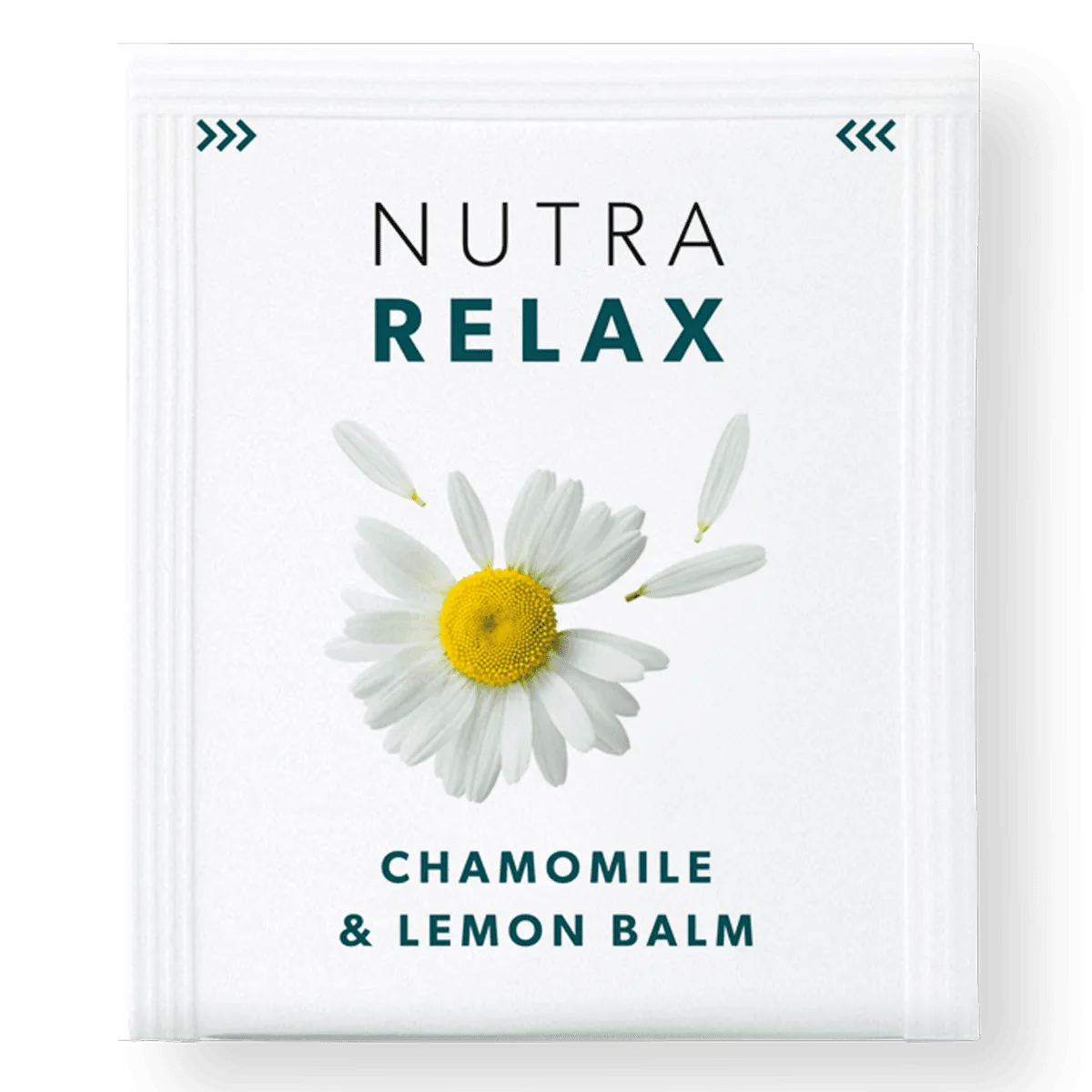
- NutraRelax – Tea Sachet: NutraRelax is a herbal blend with chamomile, lemon balm, lavender and other botanicals, supplied in reusable tea bags that can be used up to three times, with biodegradable packaging and no flavouring or oils. Because there are no added oils or flavourings to mask fading, the natural aroma is the best freshness signal. Store it airtight and away from heat so the chamomile and lavender stay recognisable, and reuse each bag within the same day rather than leaving a damp bag sitting out.
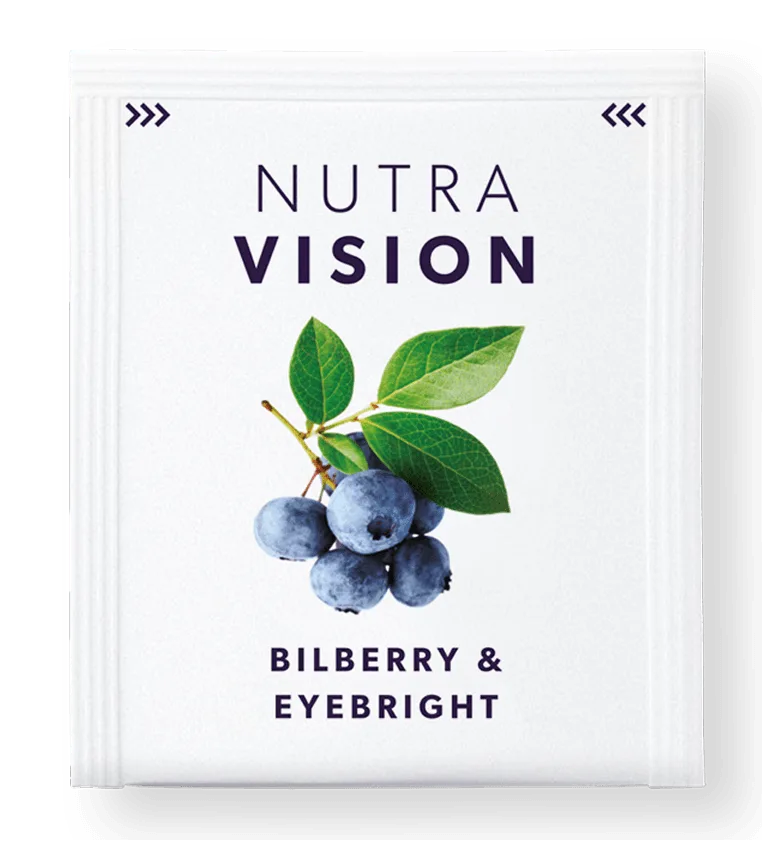
- NutraVision – Tea Sachet: NutraVision combines eyebright, green tea, bilberry, kiwi fruit and orange pepper in a reusable tea bag that can be used up to three times, with biodegradable, plastic-free packaging and no flavouring or oils. Green tea is especially sensitive to light, heat and moisture, so an opaque airtight container matters more here than with a root-heavy blend. Keep the sachets sealed until brewing and store the tin away from the kettle to protect the delicate leaf.